Bad Bunny’s Super Bowl LX Halftime Show Was a Defining Moment of Love, Unity & American Identity
/
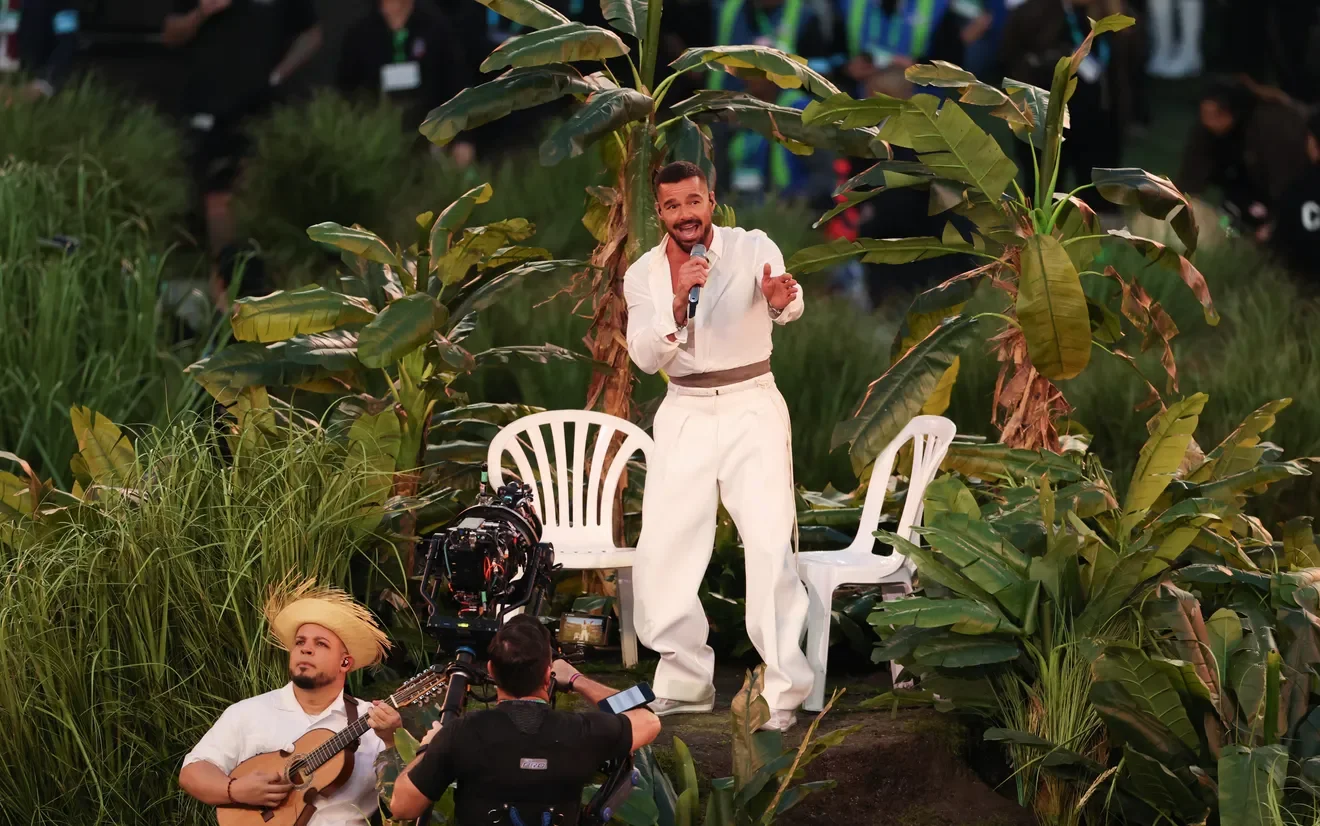
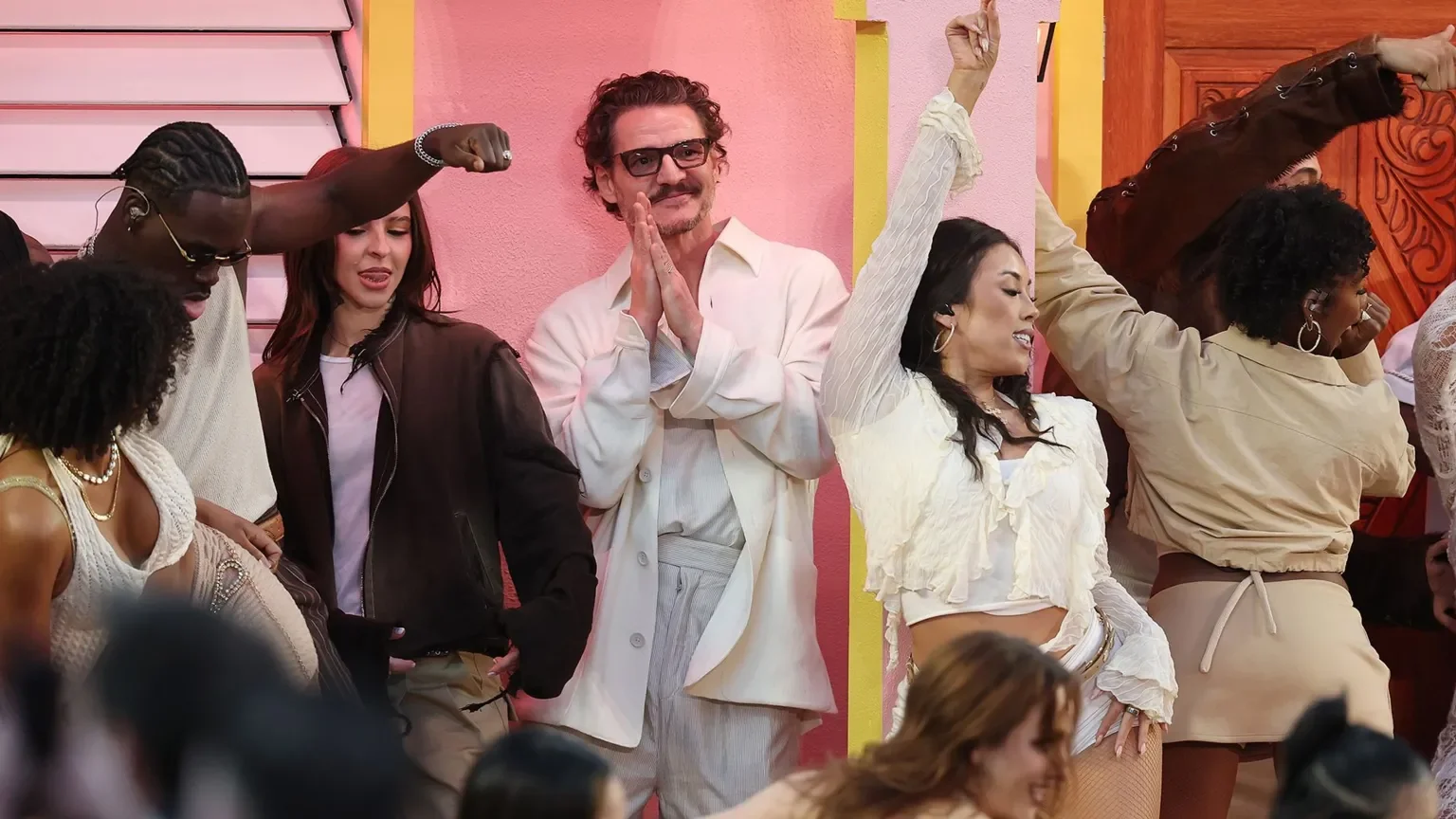
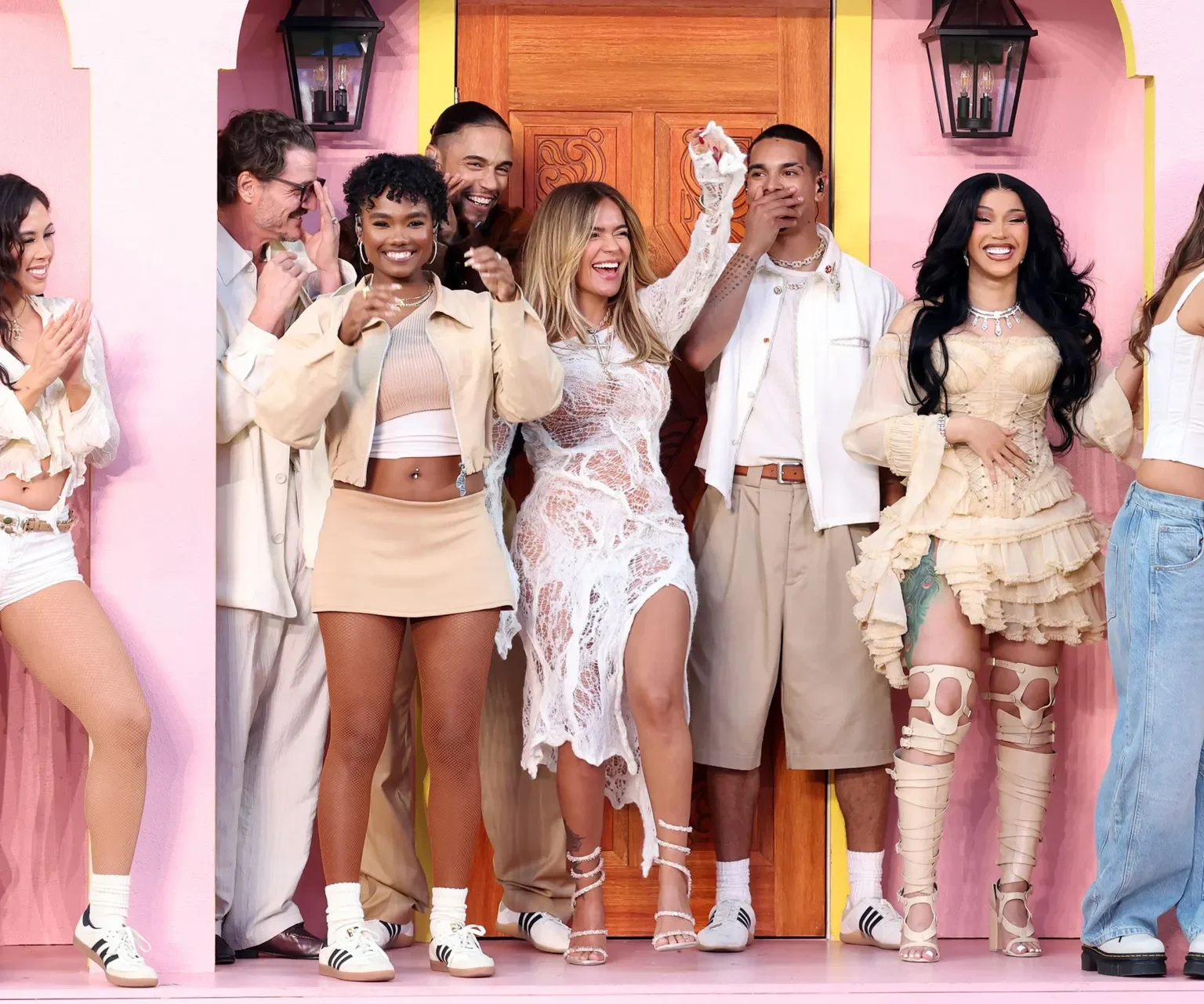
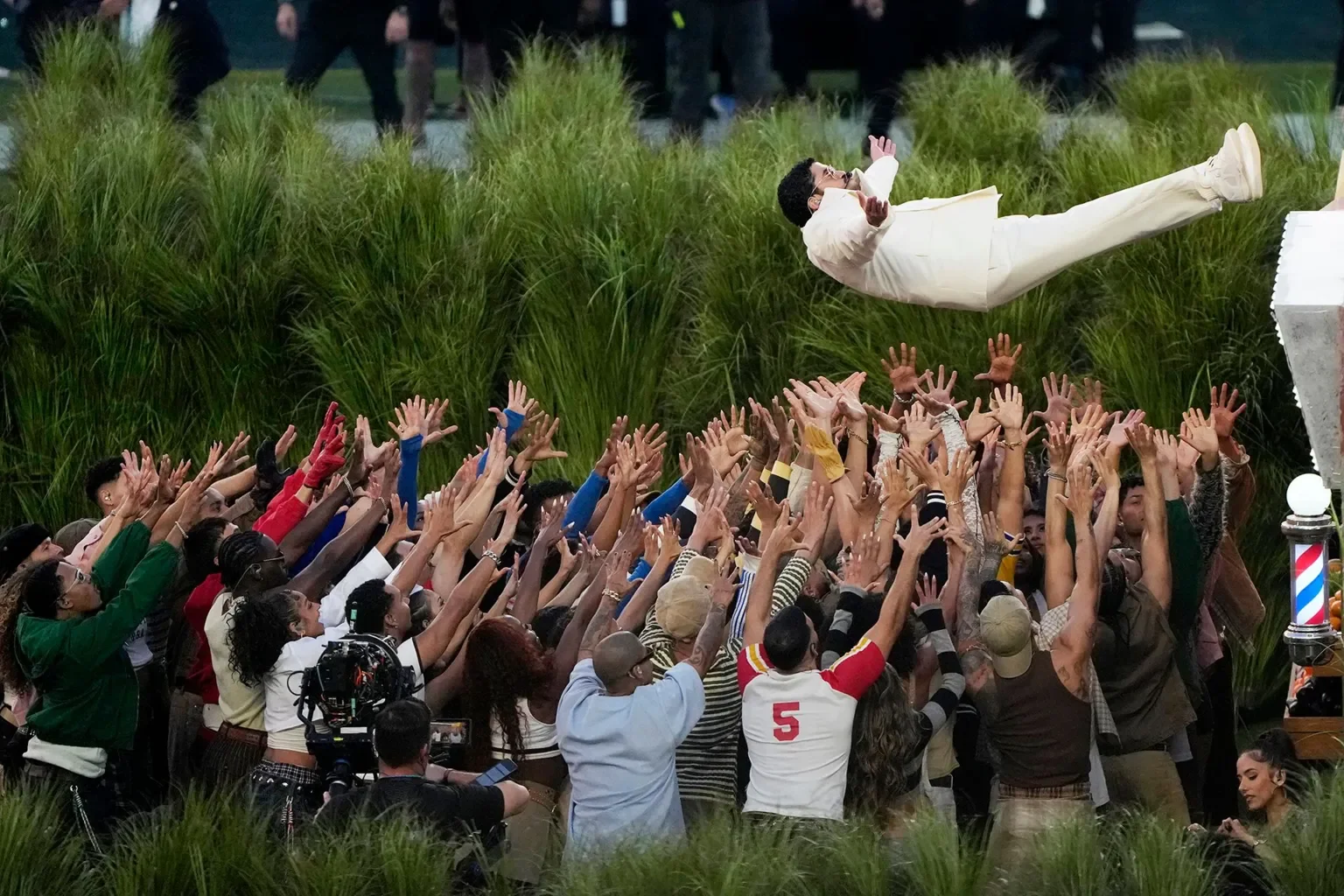
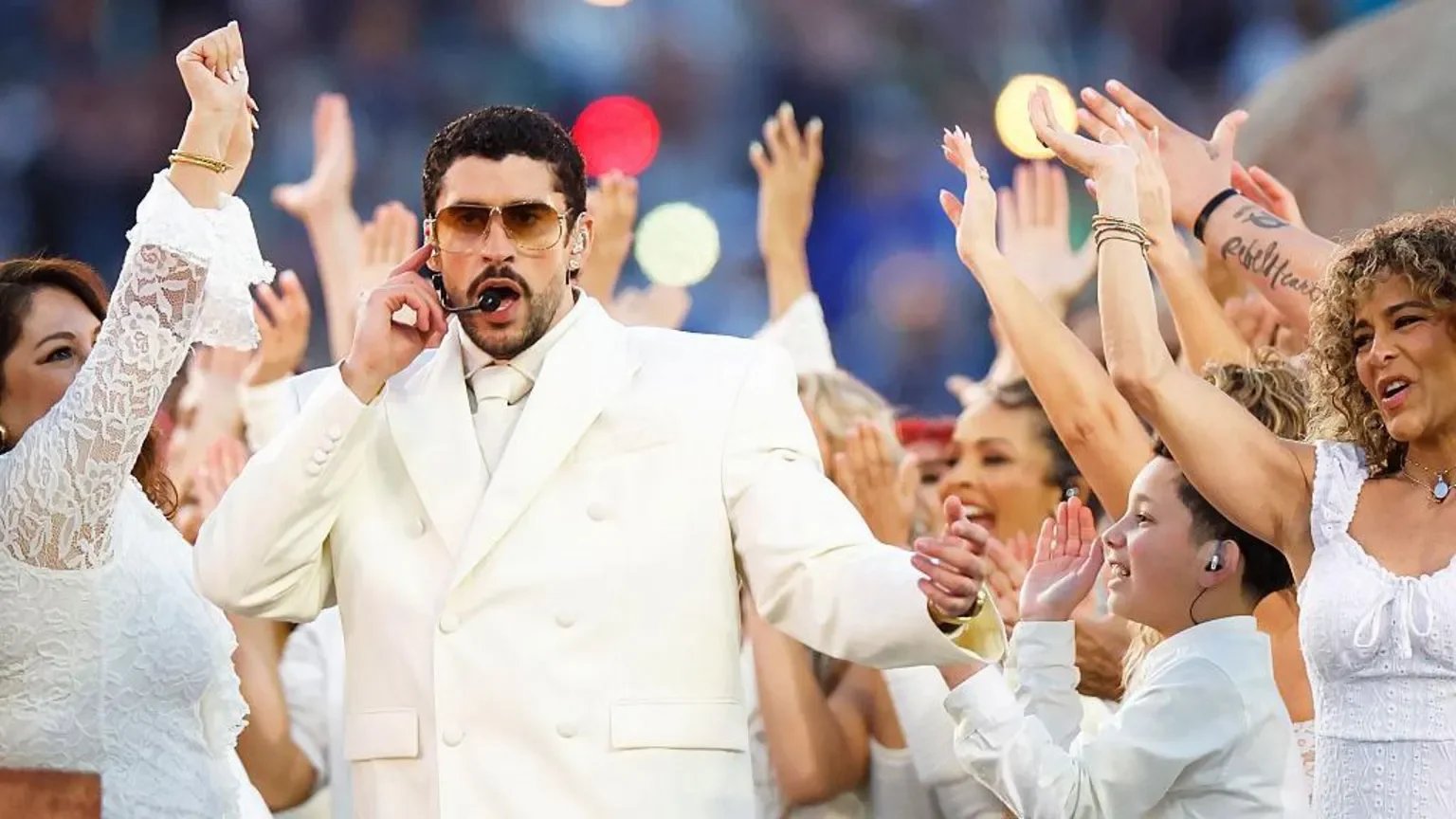
In a moment few will forget, Bad Bunny turned the Super Bowl LX halftime show into a historic celebration of culture, compassion, and unity—and in doing so, delivered one of the most powerful messages in Super Bowl history. With his voice resounding across Levi’s Stadium, the 31-year-old Puerto Rican superstar didn’t just perform—he redefined what it means to be American on the world’s biggest stage.
A Super Bowl Performance for the Ages
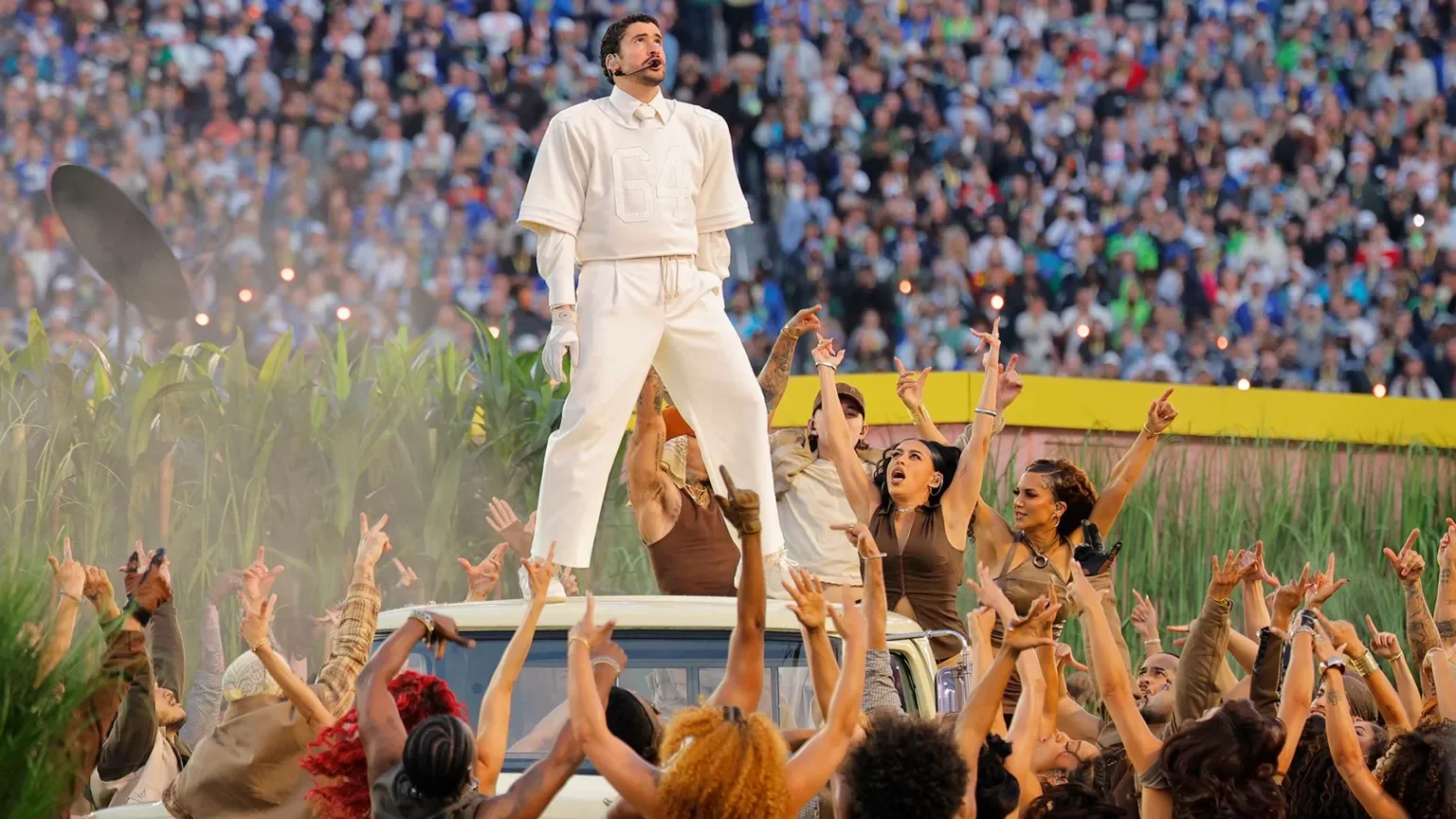
Bad Bunny’s 13-minute set was a vibrant, love-fueled journey through his roots and values. Kicking off with “Tití Me Preguntó,” he celebrated Puerto Rican life and culture, moving through scenes filled with everyday moments—street vendors, domino players, families, dancers, and community.
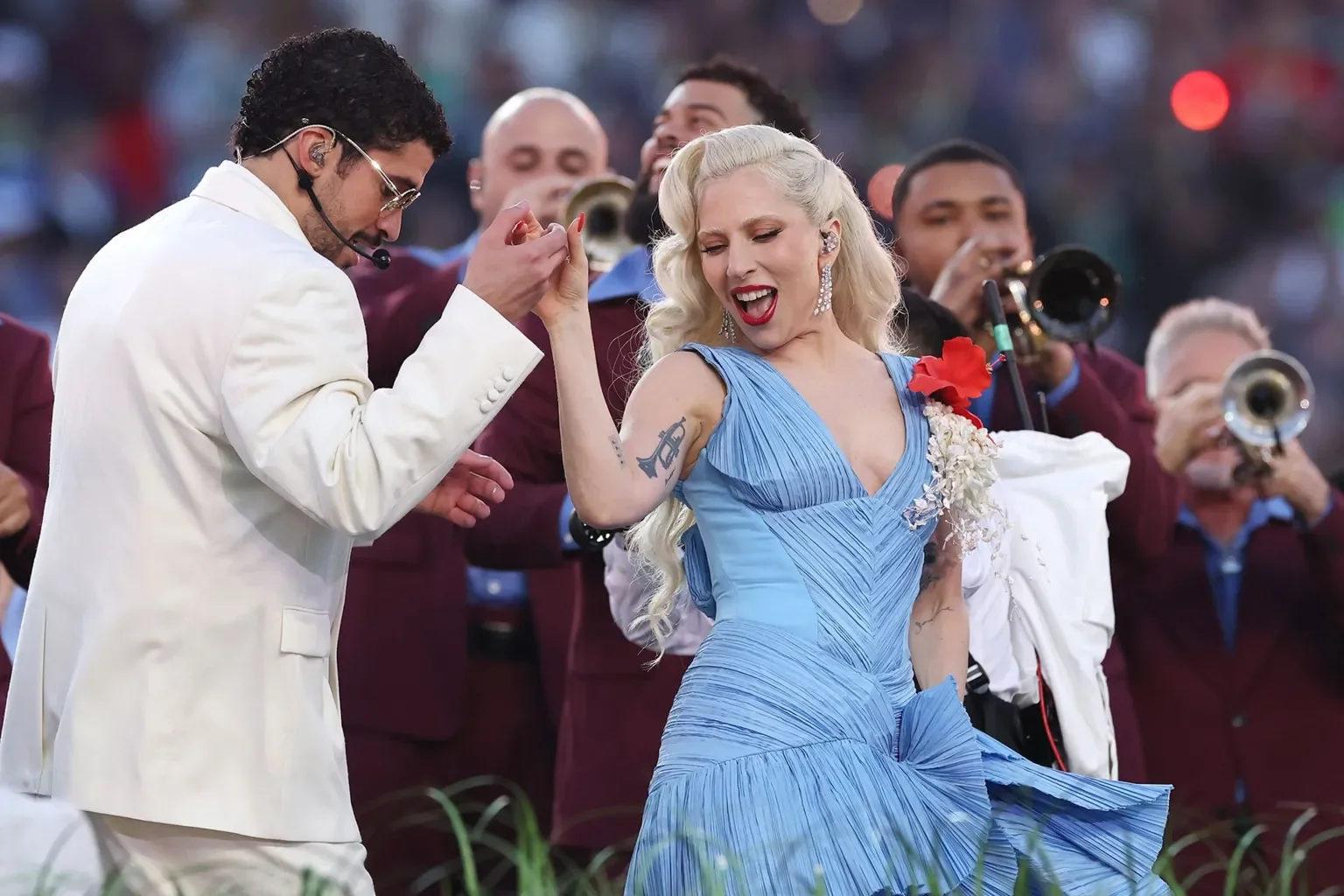
It wasn’t just music; it was a cultural embrace. Hundreds of dancers, thousands of pyrotechnics, and cameos from icons like Lady Gaga, Ricky Martin, Cardi B, Karol G, Pedro Pascal, and Jessica Alba turned the halftime show into a multi-dimensional celebration of Latinx and pop culture.
A Message of Love, Strength & Inclusivity
But the centerpiece wasn’t a song—it was a message.
As the performance culminated, dancers carried flags from North, Central, and South America, and Bad Bunny held up a football emblazoned with the phrase “Together, We Are America” before spiking it in triumph.
Behind him, the jumbotron read:
“The only thing more powerful than hate is love.”
Those words echoed not just across the stadium, but across the cultural moment itself—connecting directly to his recent Grammy speeches on love, humanity, and American identity: “We’re not savages. We’re not animals. We’re not aliens. We are humans, and we are Americans.”
America, The Americas & Radical Inclusion
Bad Bunny didn’t just celebrate the USA—he celebrated the entire Americas. As he named countries from Chile, Argentina, Uruguay, Paraguay, Bolivia, Perú, Ecuador, Brazil, Colombia, Venezuela, Guyana, Panama, Costa Rica, Nicaragua, Honduras, El Salvador, Guatemala, México, Cuba, República Dominicana, Jamaica, United States, Canada, and his beloved Puerto Rico, the stadium erupted in cheers and emotion.
It was a defining, inclusive vision of what America truly means: not just a nation, but a continent of cultures, histories, and shared humanity.
A Gesture That Spoke Volumes
One of the most poignant moments of the show came when Bad Bunny nearly recreated a moment from his Grammy acceptance—handing a Grammy to a young boy on screen, symbolizing representation and hope for future generations. Viewers online noted the deeply emotional resonance of this act, especially for young Latino audiences seeing themselves reflected on the biggest stage in entertainment.
Unforgettable, Unifying, Un-American to Ignore?
With hundreds of millions of viewers tuning in worldwide—as is typical for Super Bowl halftime shows, which regularly draw over 100 million viewers—the performance immediately became one of the most talked-about cultural events of the year. Did it break records? While official Nielsen numbers are still pending, early viewership estimates rival the largest halftime audiences in history, driven by global interest in both the game and Bad Bunny’s standout set.
And here’s the truth in bold: turning the channel during this performance wasn’t just missing a show—it was missing an American moment. As a proud Latino and a naturalized citizen of this country for 55 years, Fashionado creator E. Vincent Martinez and millions of viewers saw Bad Bunny’s message as intrinsically American: inclusive, joyful, defiant in love.
This wasn’t about politics—it was about humanity, unity, freedom, and the audacity to be unapologetically yourself in the land of opportunity.
A Moment History Will Remember
Love over hate. Unity over division. Visibility over erasure.
Bad Bunny didn’t just headline the Super Bowl halftime show—he elevated it. With his voice, his heritage, and his passion, he stood center stage and declared that America is big enough for all of us—together. And that message is more than music—it’s a call to the heart of who we are and who we can be.
FASHIONADO