Anne Klein's Granddaughter Unites with Iconic Fashion Brand to Launch COVID-19 Relief Effort and Deliver 100,000 Masks to Essential Workers Throughout the U.S.

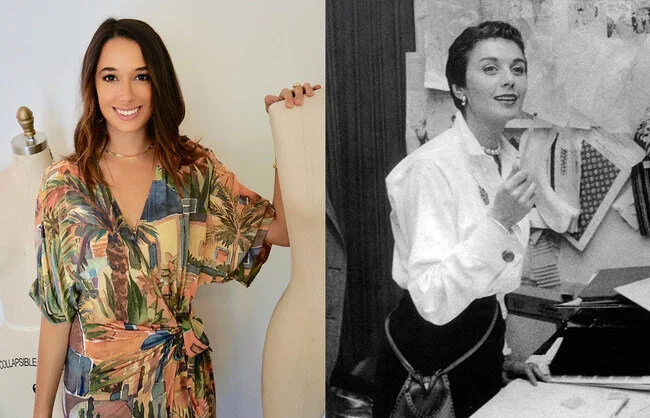
Anne Klein's granddaughter - Jesse Gre Rubinstein - unites with iconic fashion brand to provide relief during the COVID-19 pandemic.

Anne Klein's granddaughter - Jesse Gre Rubinstein - unites with iconic fashion brand to provide relief during the COVID-19 pandemic.

 WHP Global ("WHP" or the "Company"), owner of the iconic women's fashion brand Anne Klein has united with the namesake designer's granddaughter Jesse Gre Rubinstein to provide relief during the COVID-19 pandemic. To meet the immediate need for Personal Protection Equipment (PPE), the Company today announced the procurement of 100,000 face masks through its supply chain, which will be distributed with Jesse to essential workers and community organizations providing relief across the United States.

"Uniting the brand Anne Klein with the founder's family at this critical time and making a commitment to distribute 100,000 masks to those on the frontlines helping our communities, is a win/win. This is just the beginning of our planned collaboration with Anne's granddaughter, Jesse. We're thrilled to partner with her," said WHP Chairman and CEO Yehuda Shmidman. 

"I am honored to have the opportunity to play a role in supporting my grandmother's legacy by highlighting inspiring individuals who even during this time of great uncertainty, embody the vision and strength to empower their community and uplift those around them," added Jesse Gre Rubinstein, founder & CEO of social media agency, Hello There Collective. "My hope is that this initiative serves as the launch of a powerful network that can both support and inspire others to help not only in the present, but as we begin to rebuild."

Additionally, WHP has tapped Jesse and her agency to spearhead the upcoming launch of Anne Klein's new social series, featuring notable individuals making a difference and connecting communities during this global pandemic.  Following in the footsteps of Anne Klein who inspired so many, Jesse will host a Facebook Live series featuring the heroes of today, inspiring the next generation of trailblazers, with guests from a variety of industries who are championing aid during the pandemic.

FASHIONADO

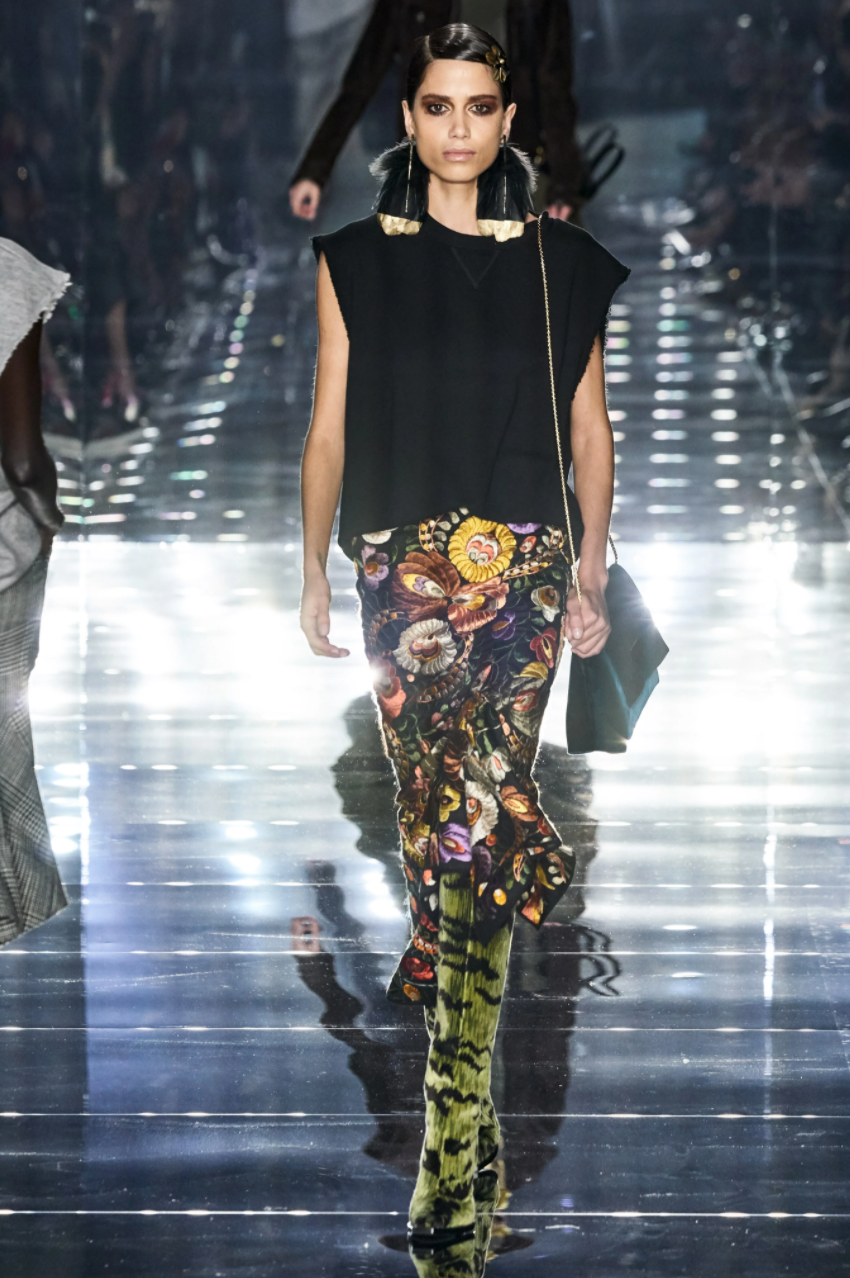
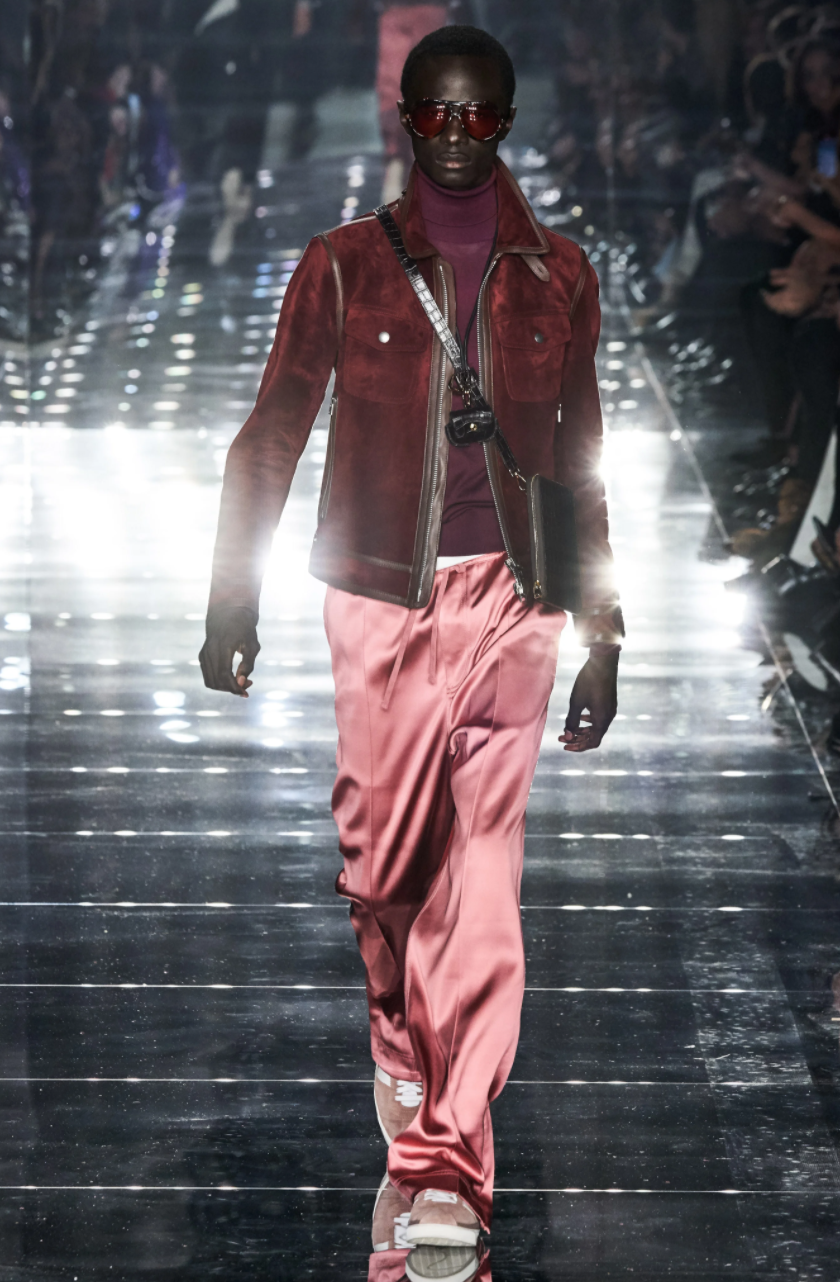
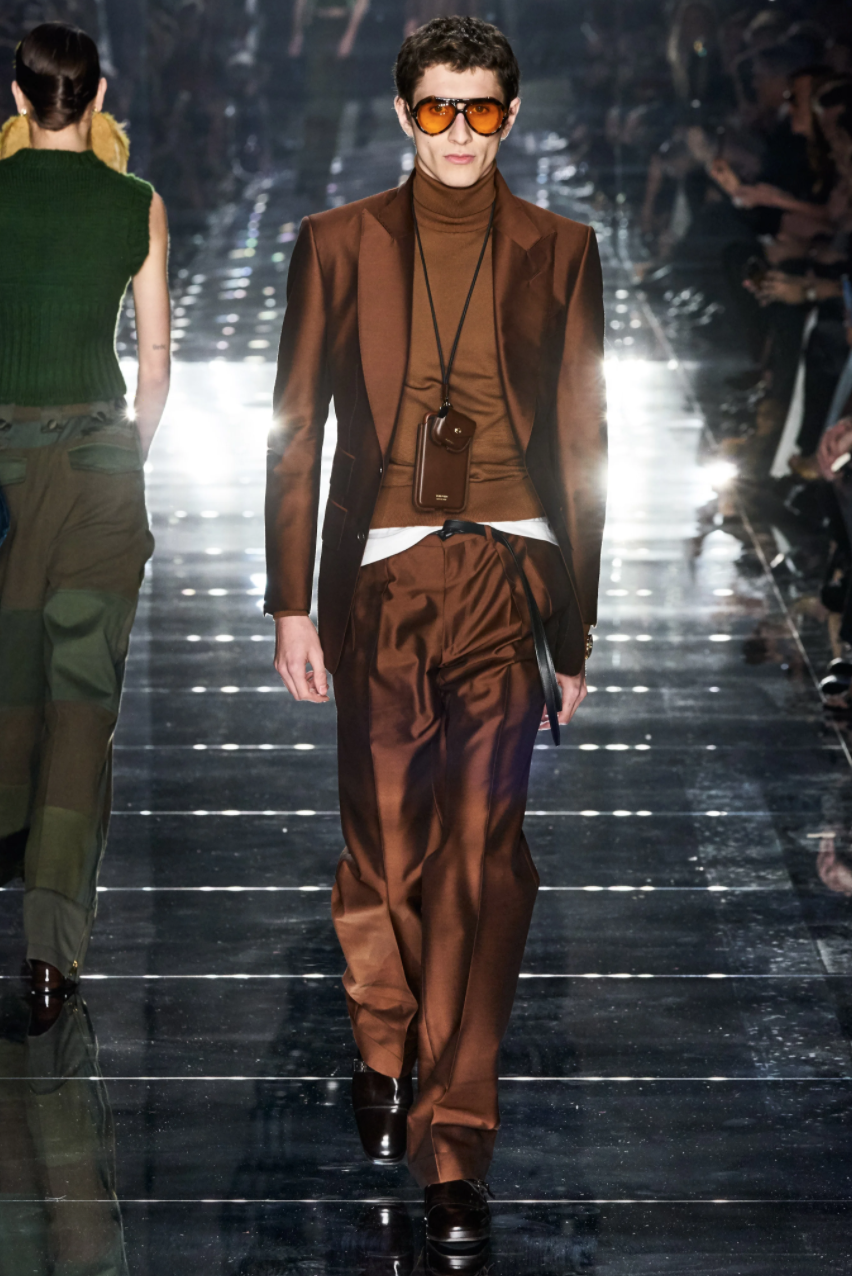
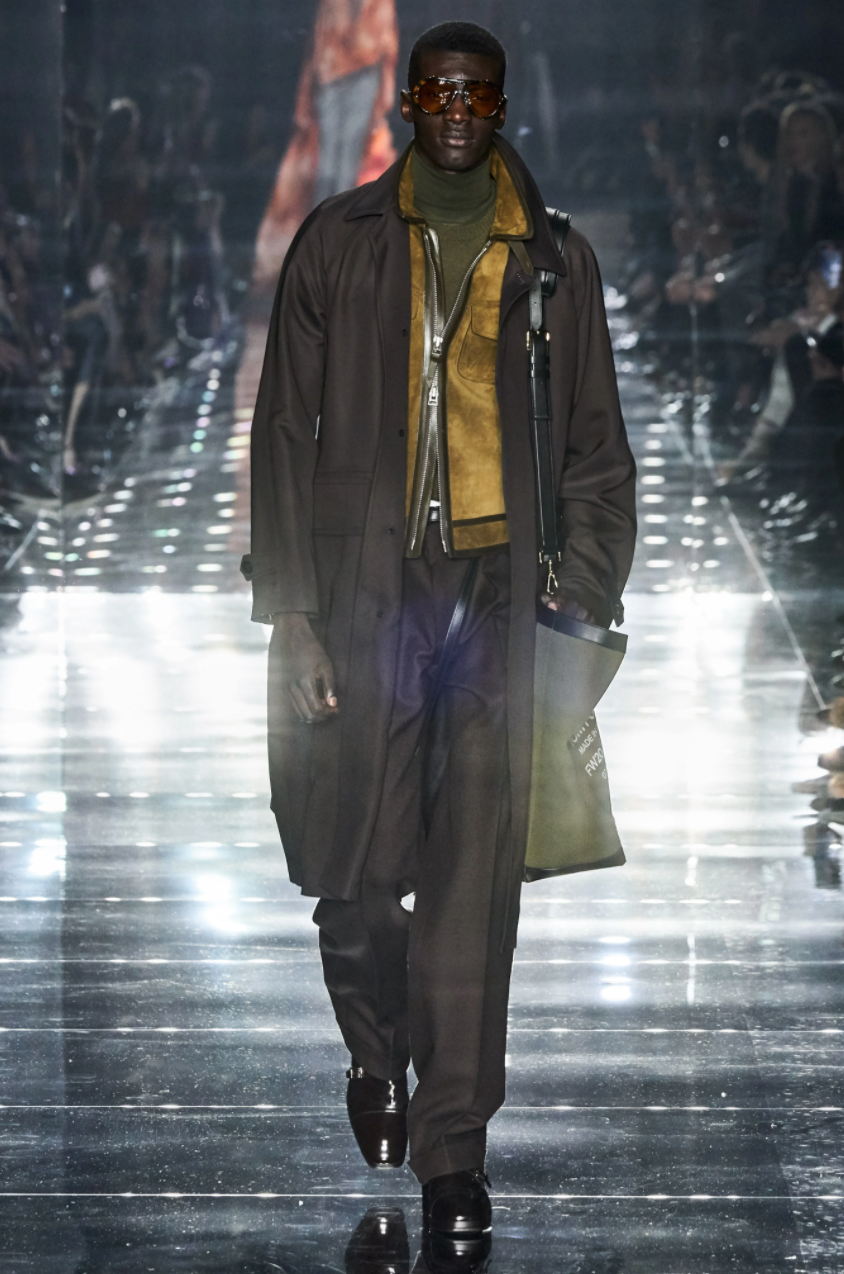
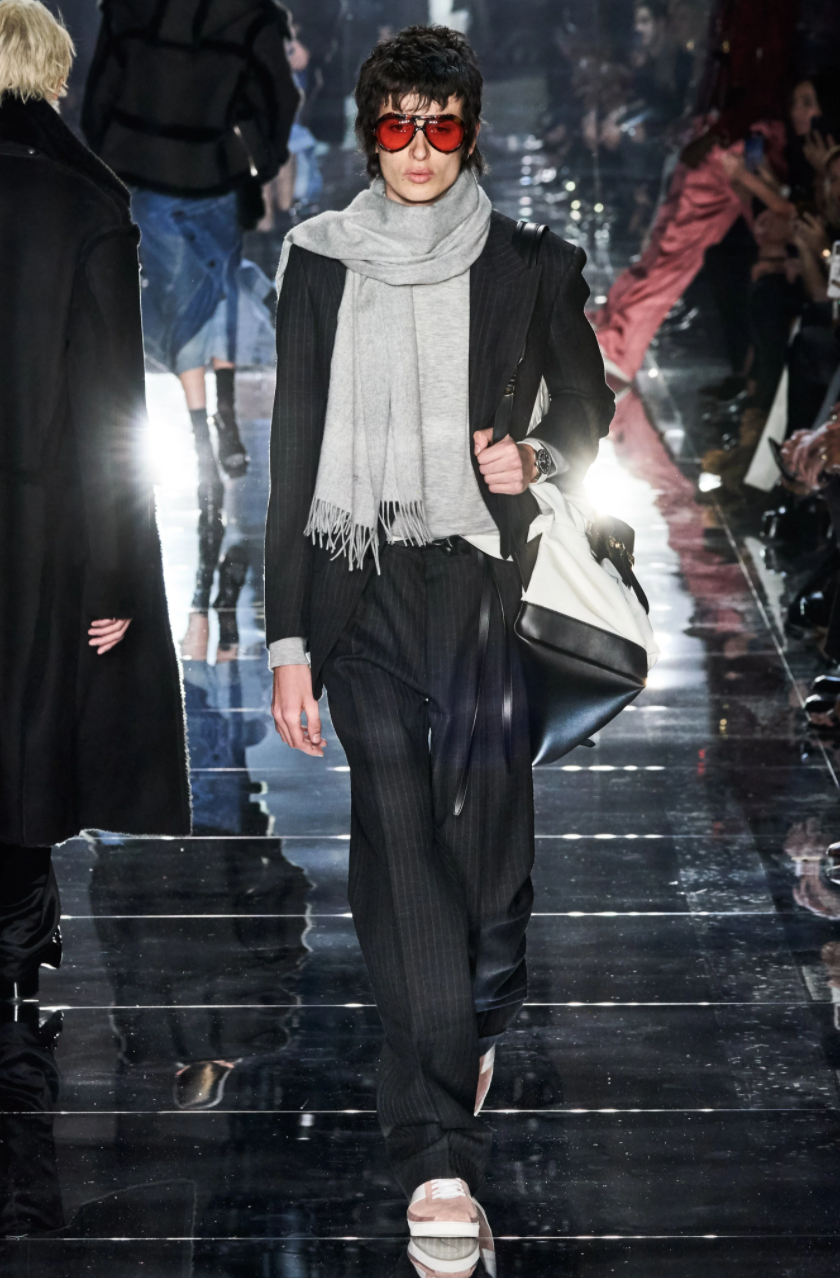
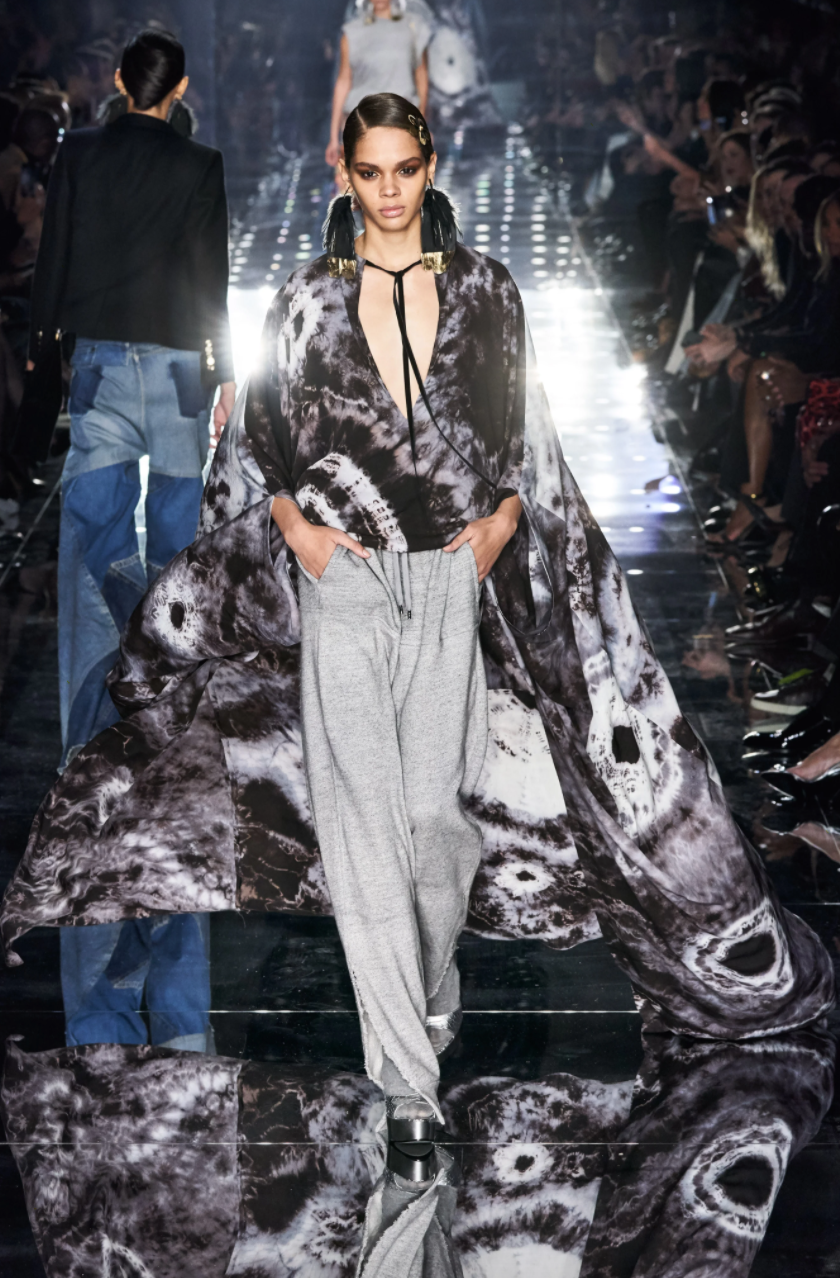
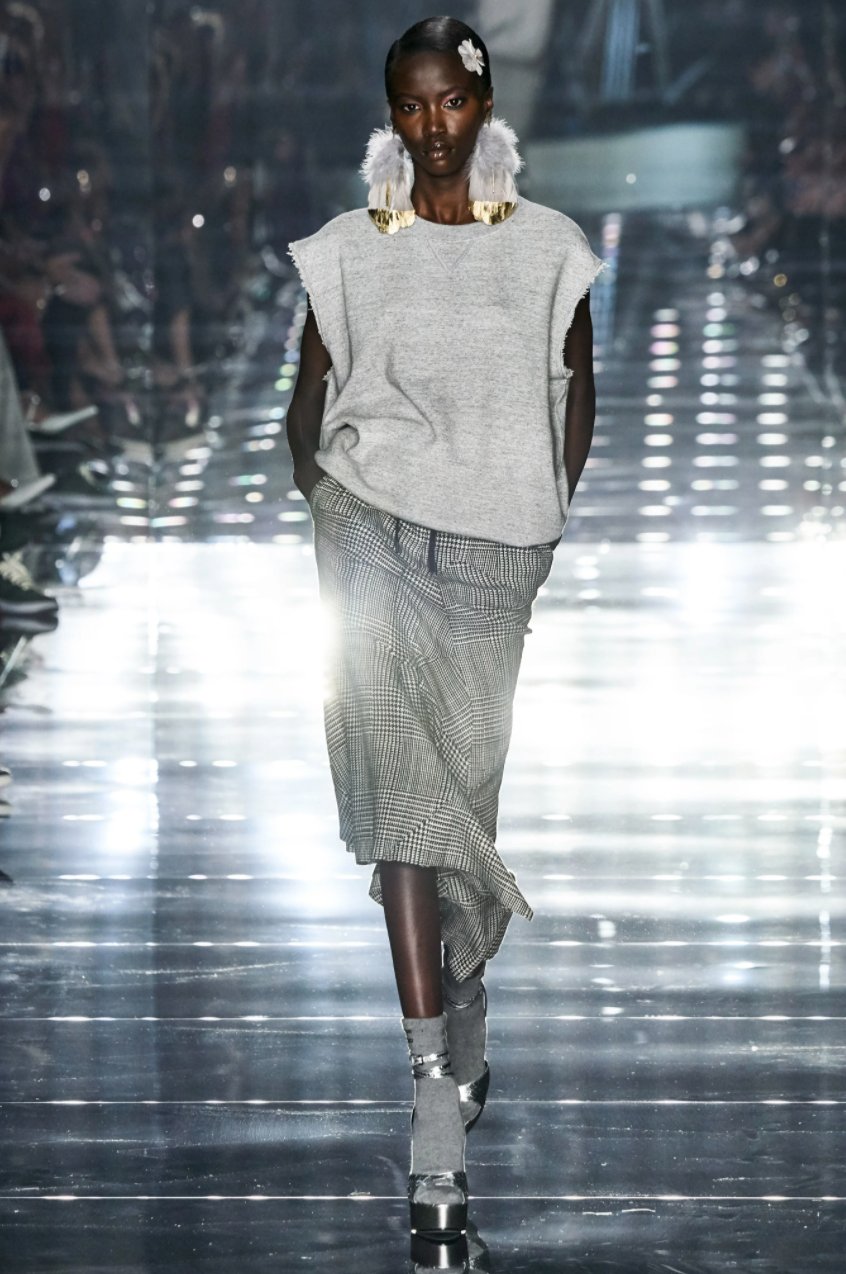
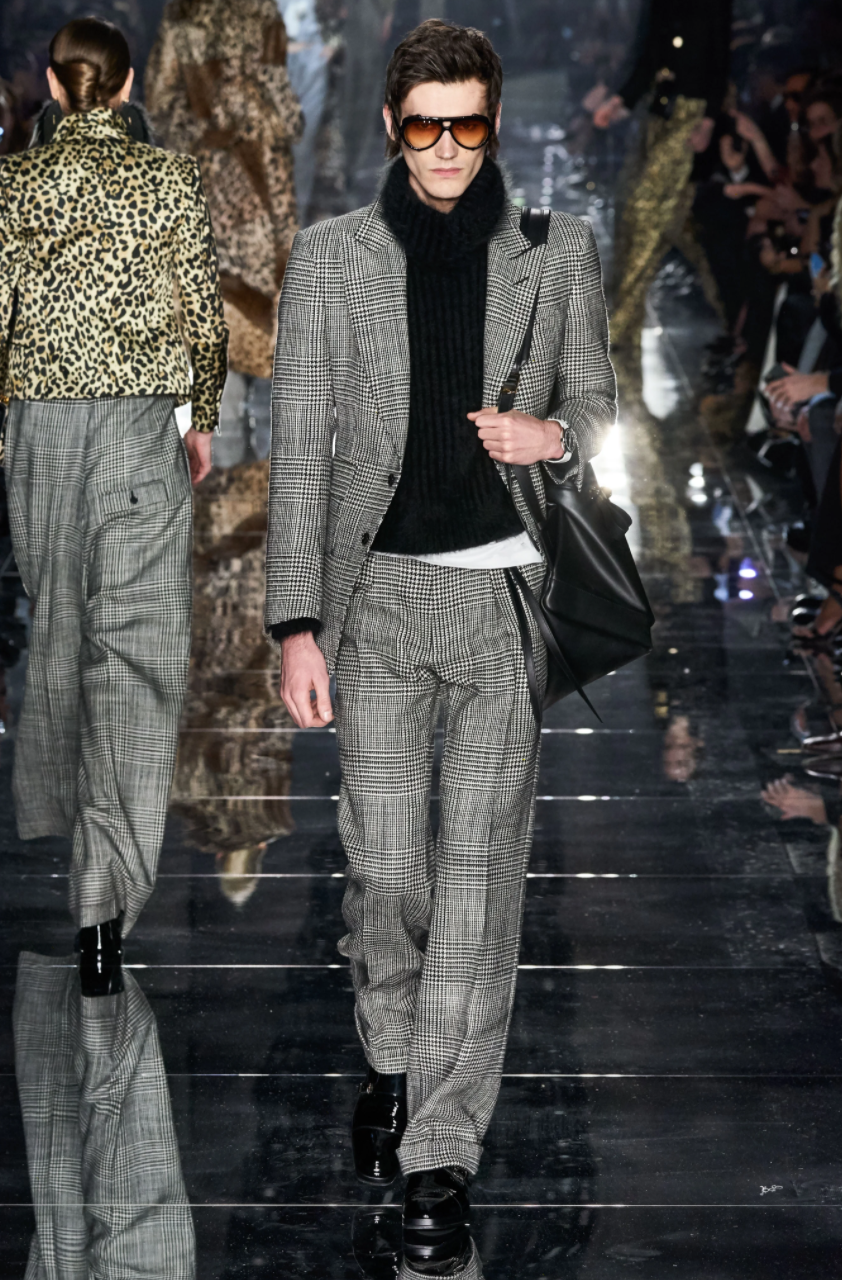
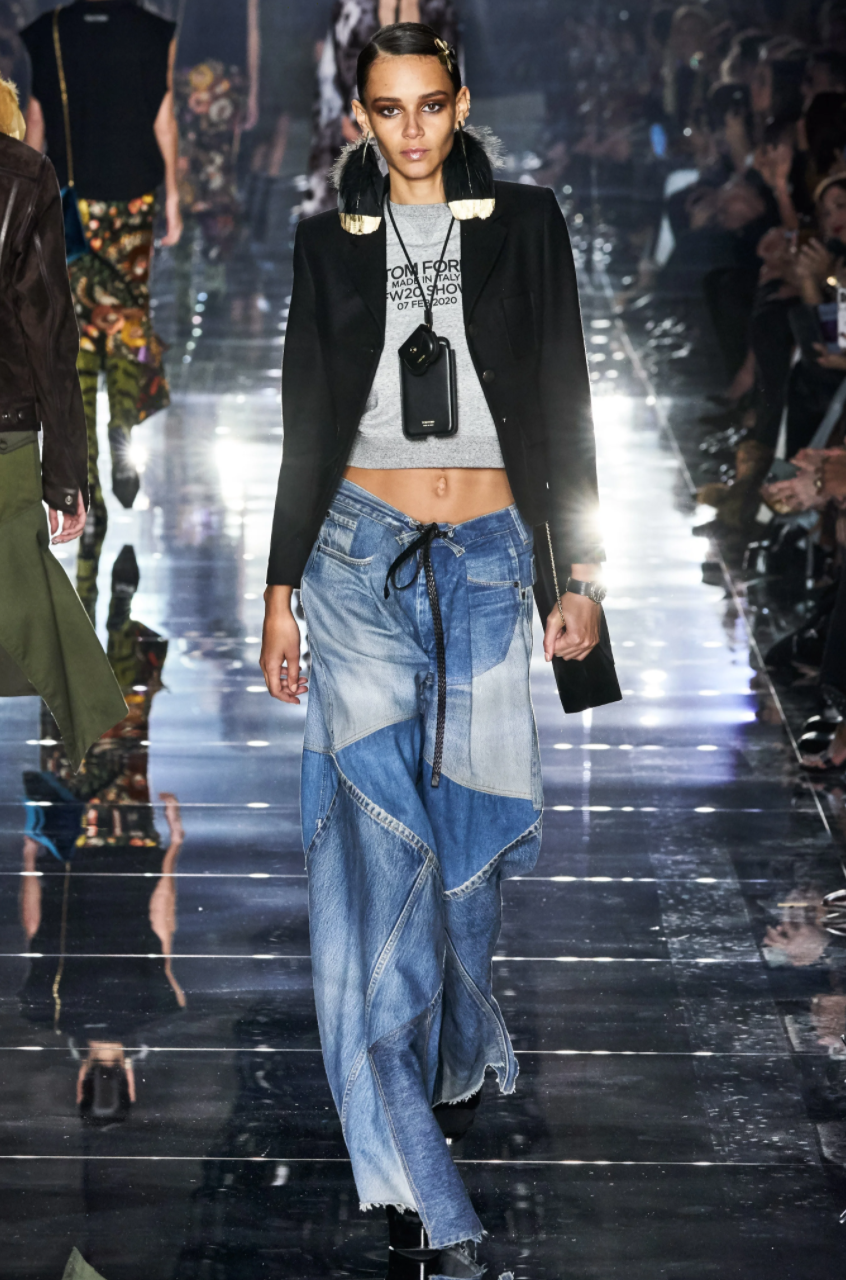
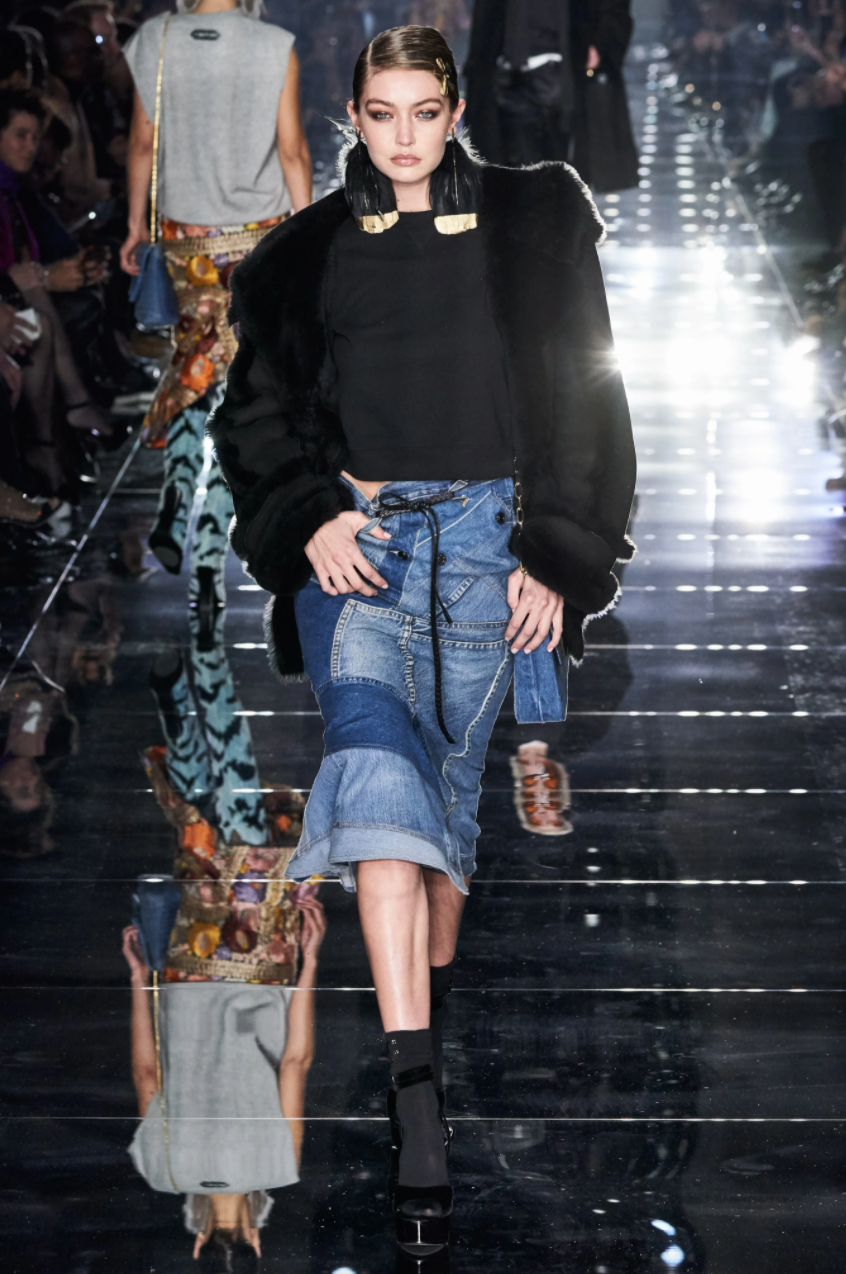
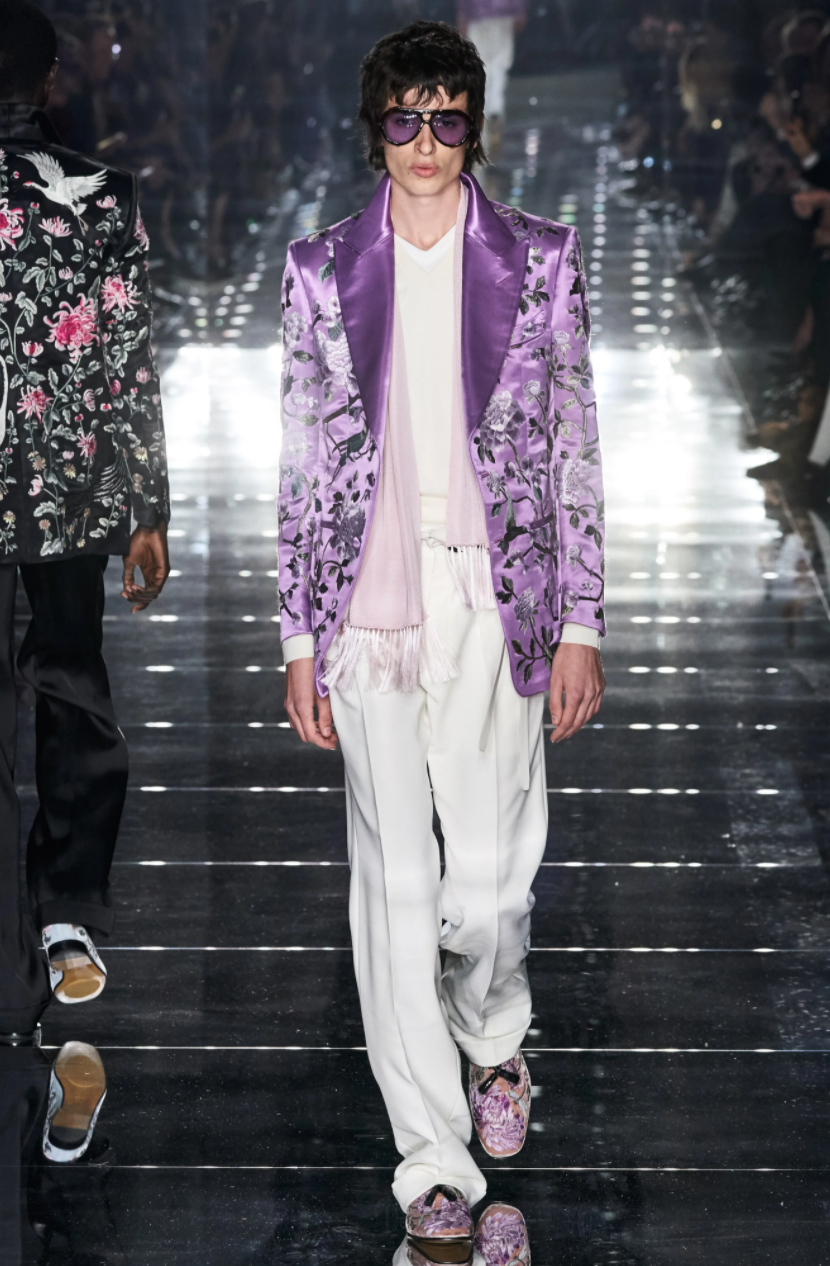
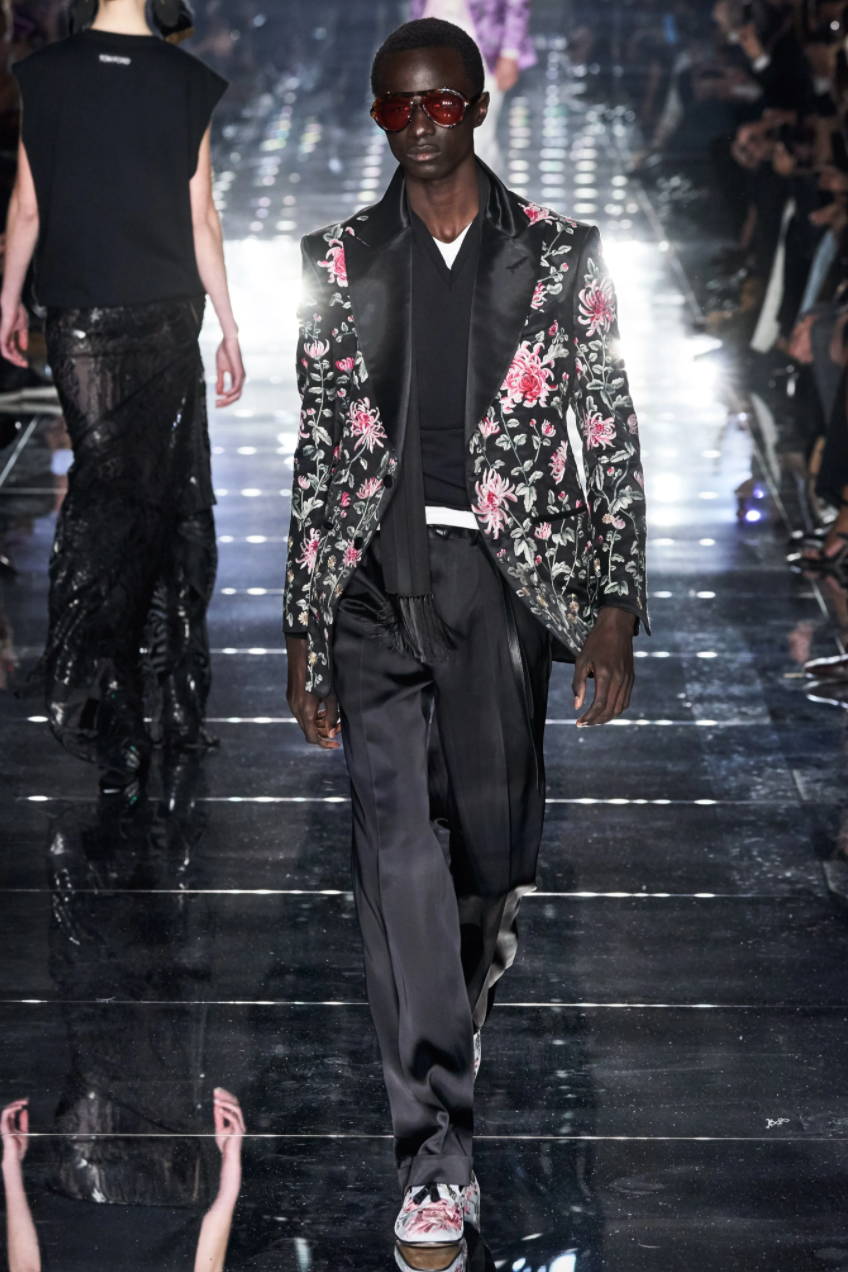
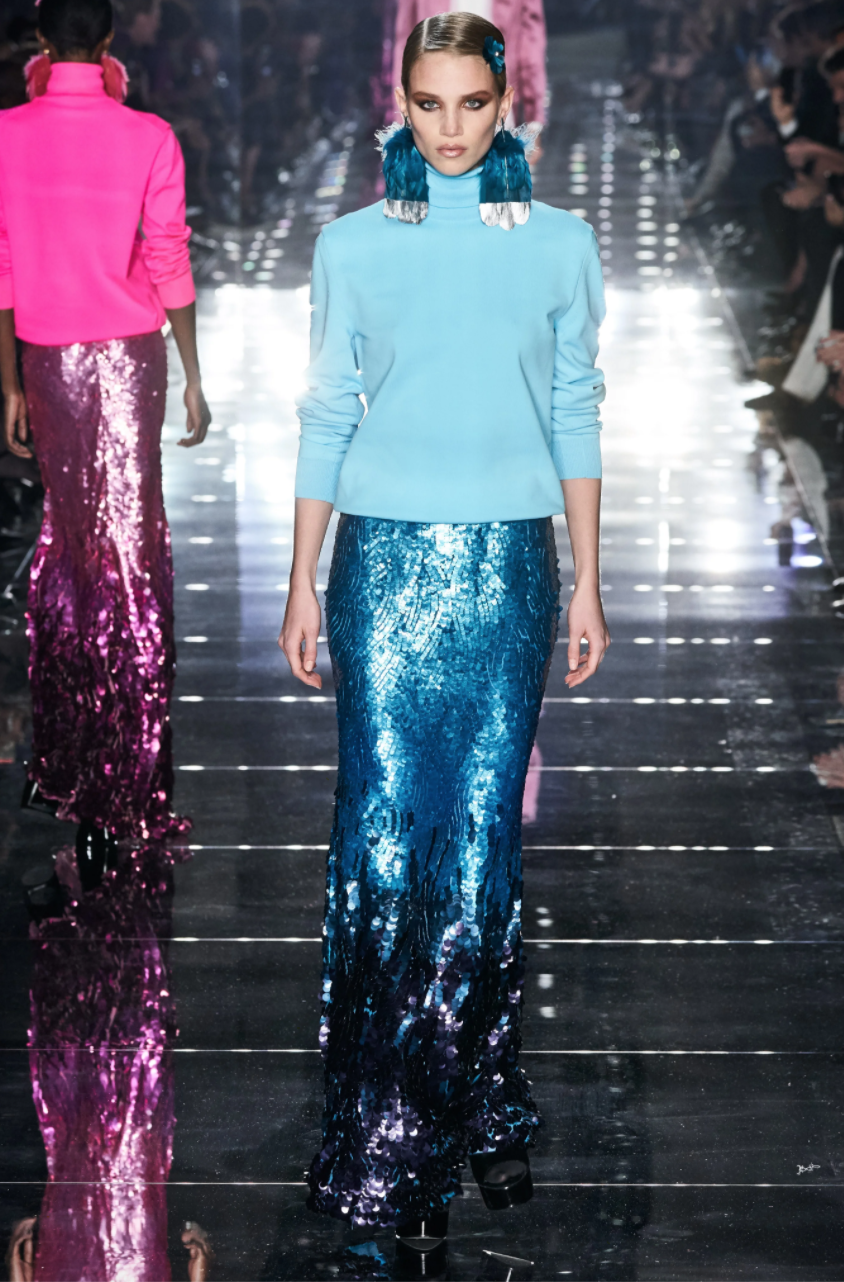
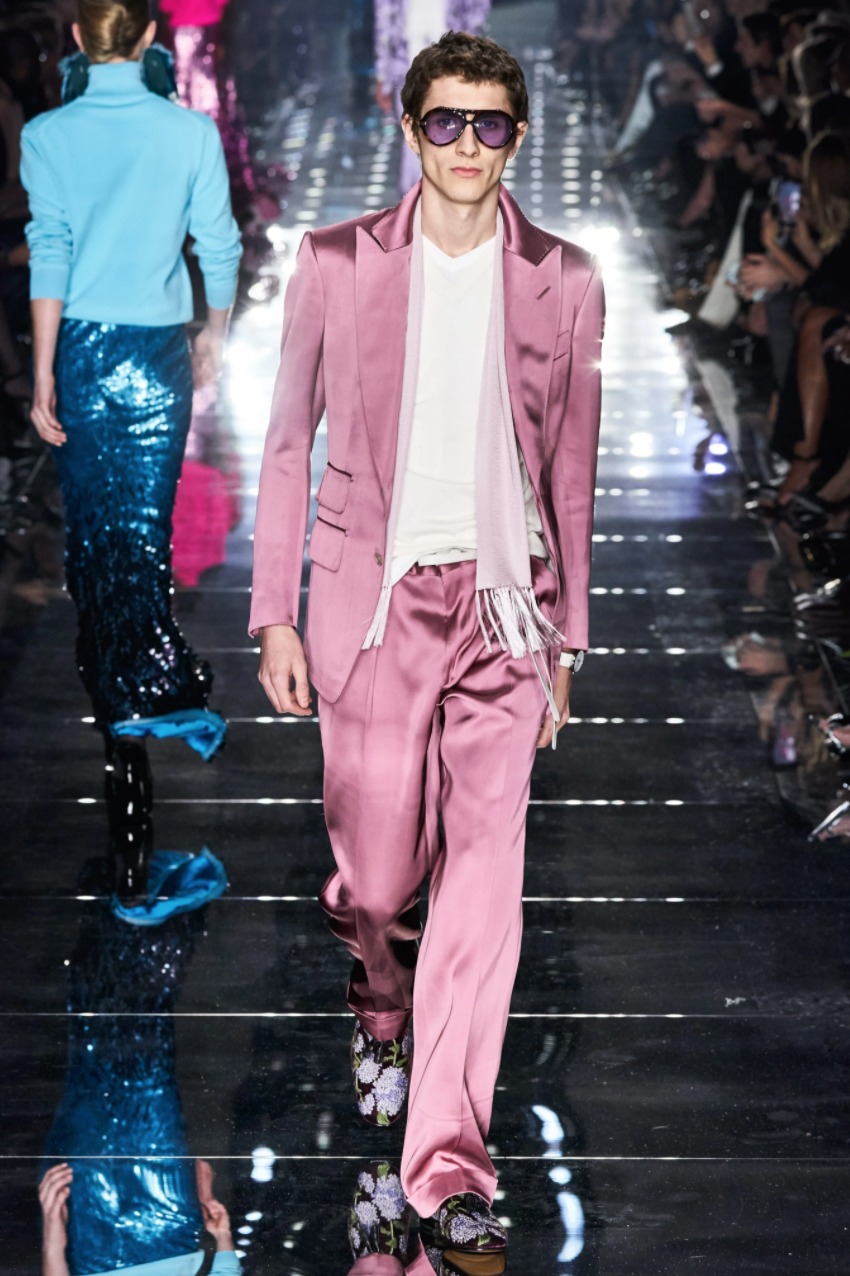
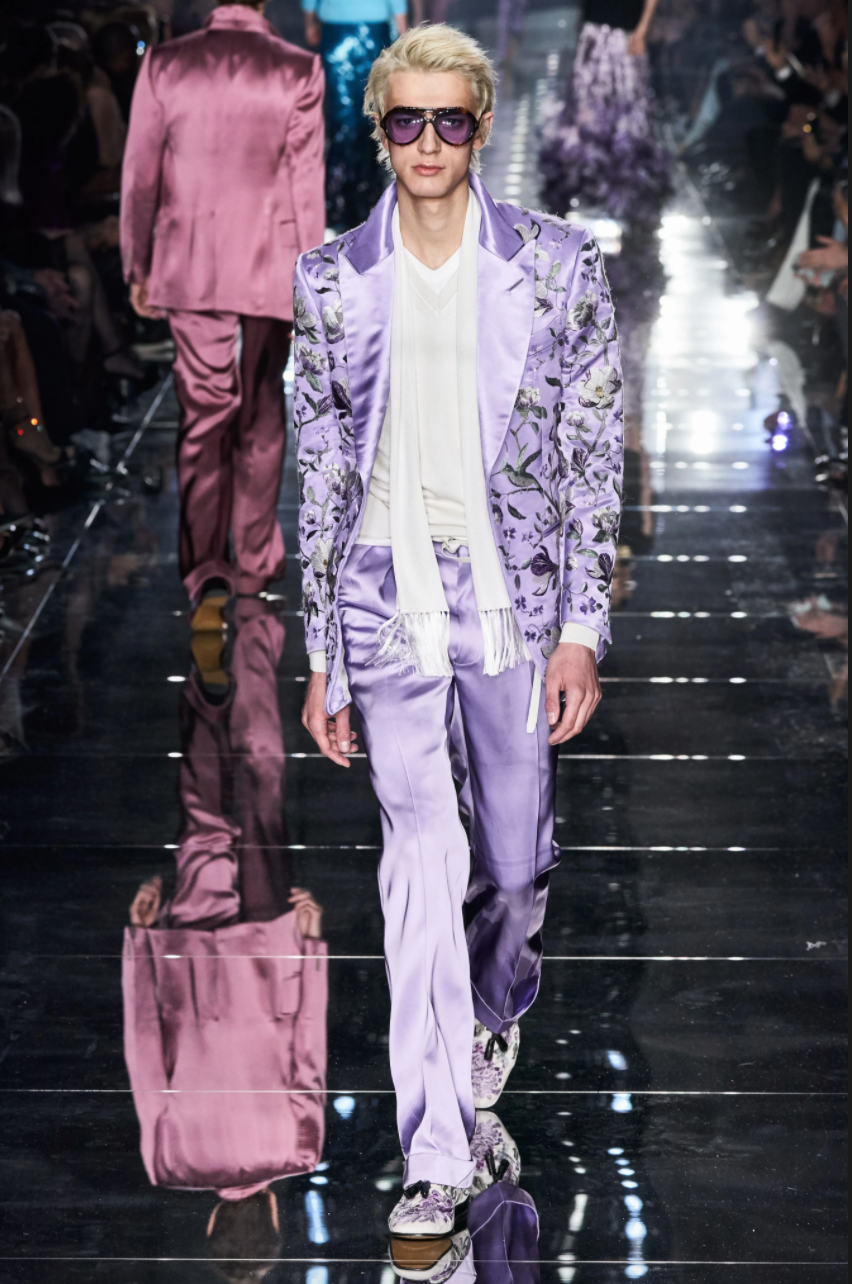
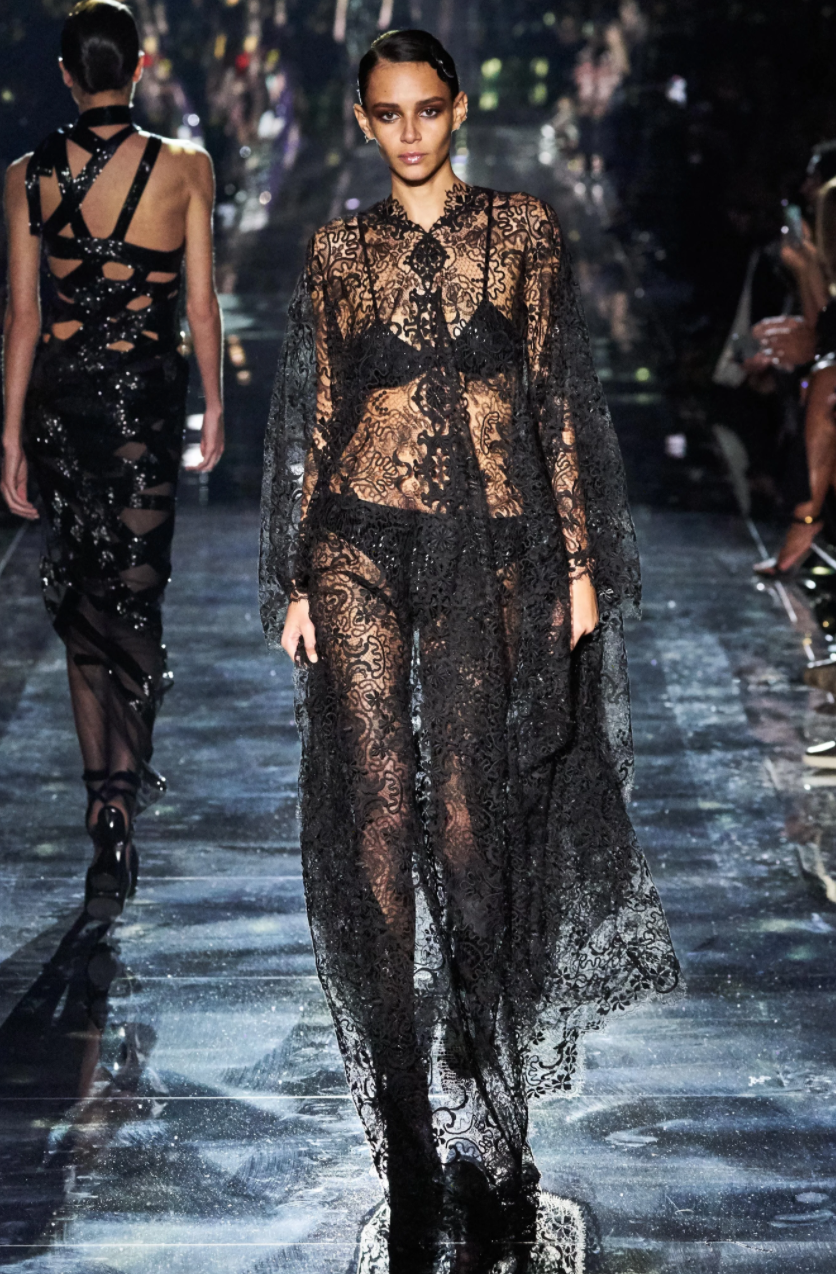
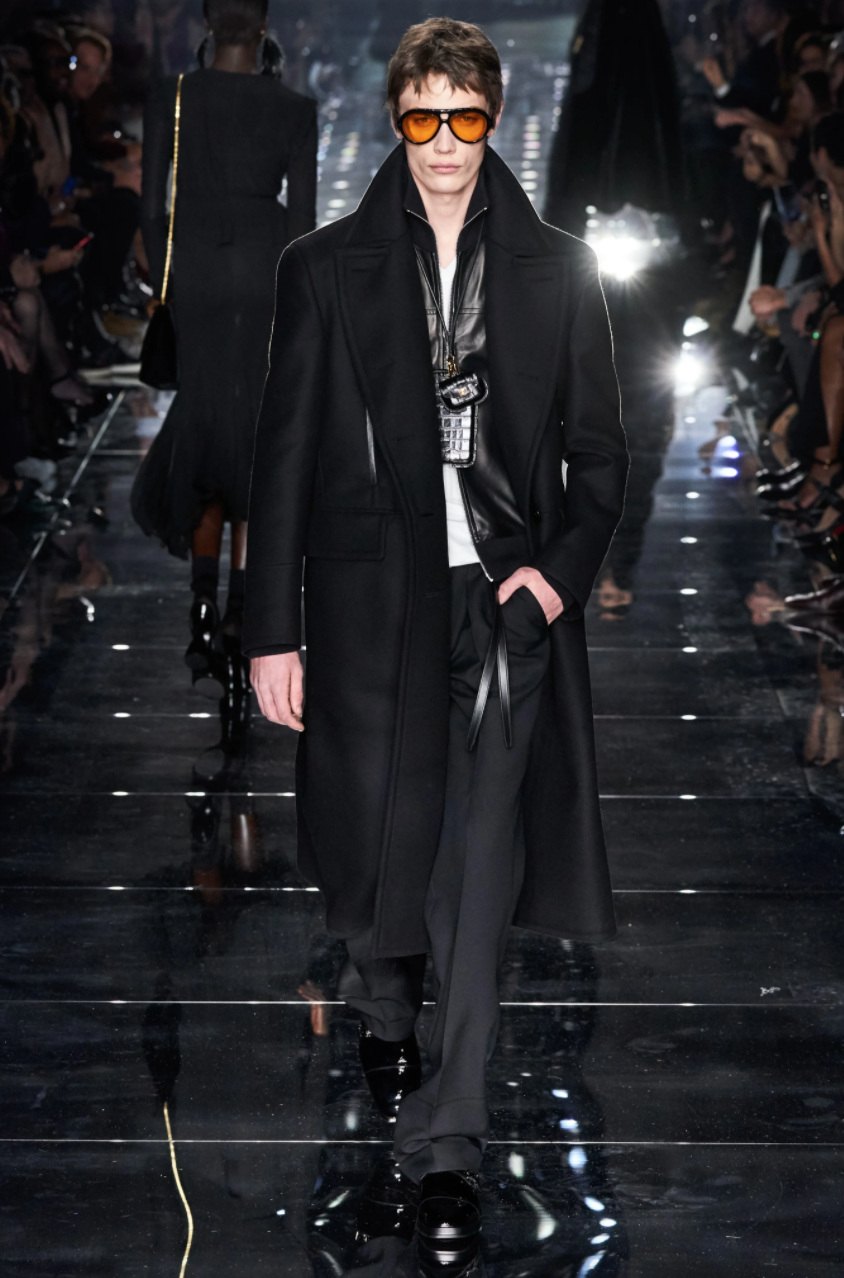
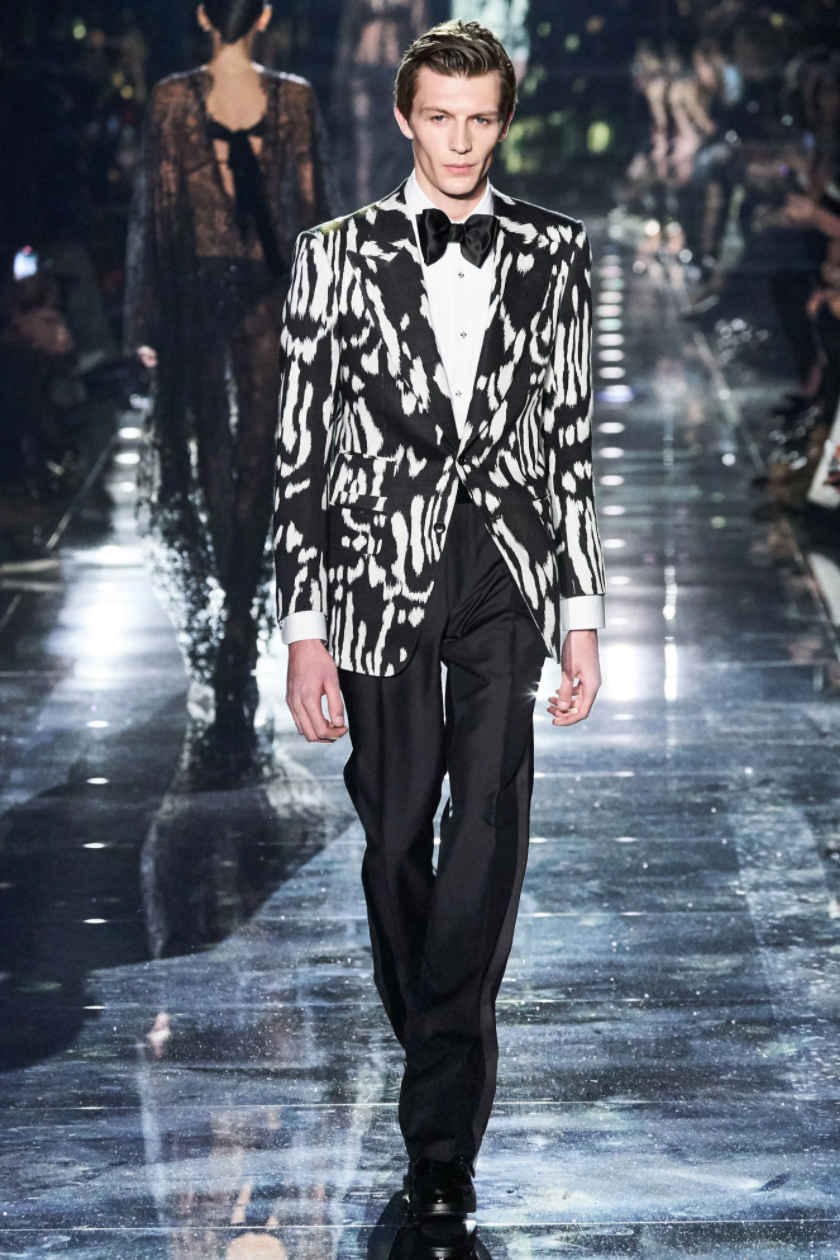
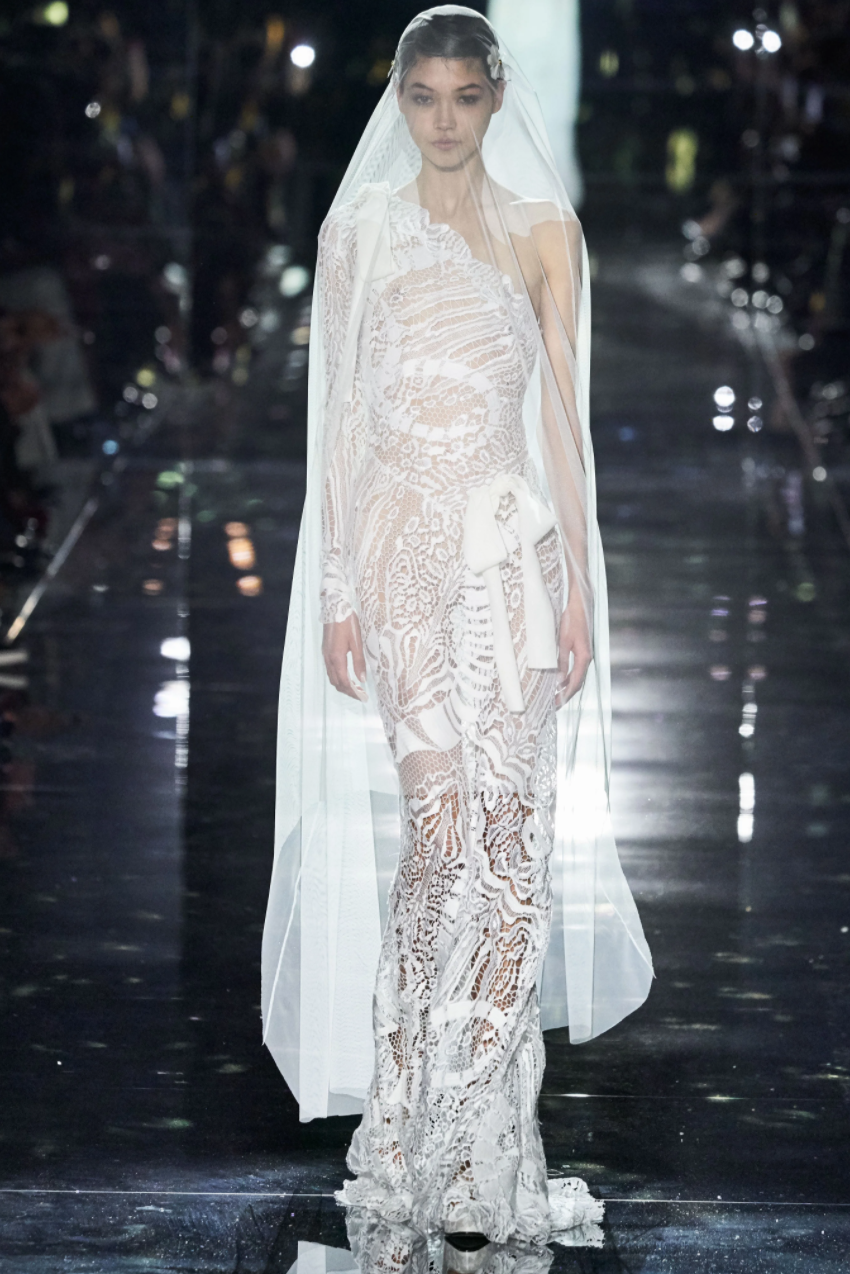
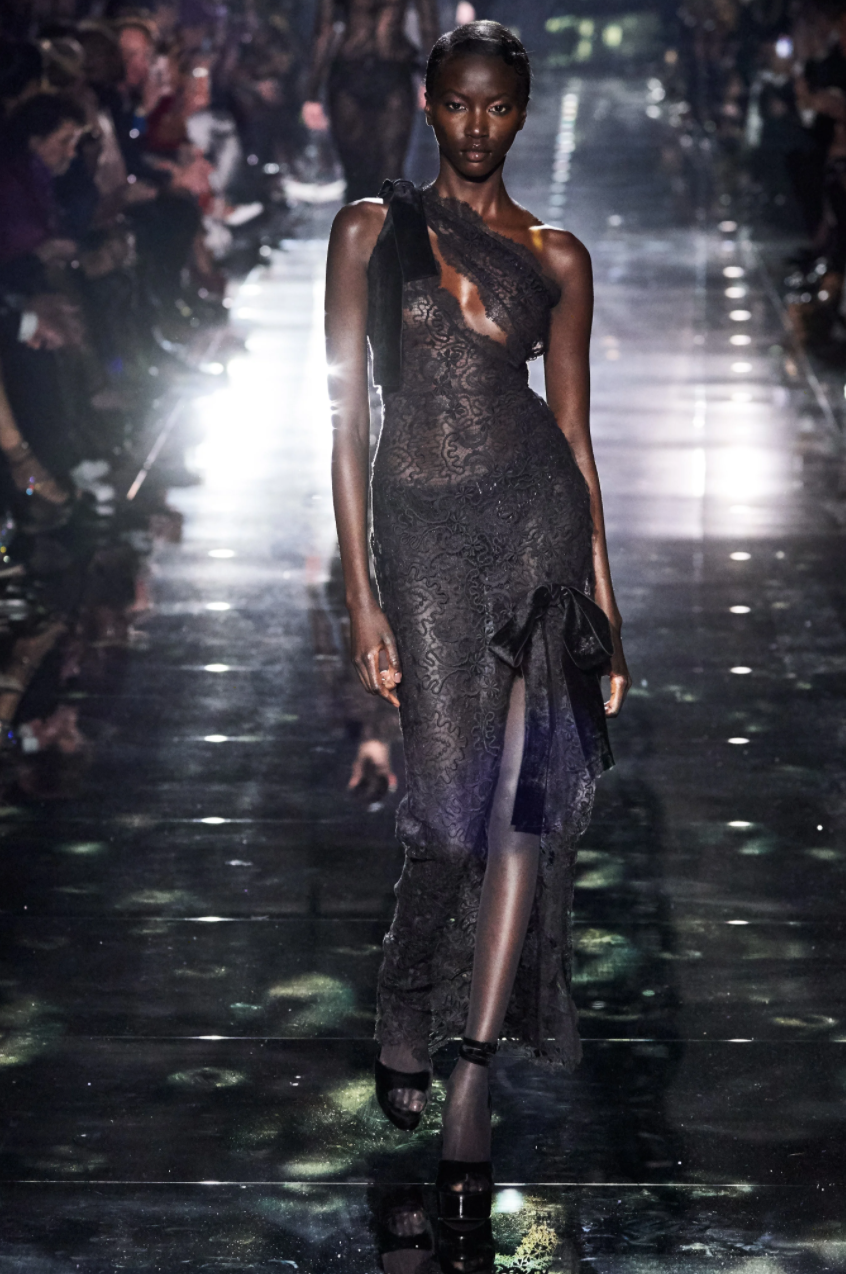
Tom Ford Fall 2020 Ready-To-Wear

The Friday of Oscars weekend is no time for Tom Ford to be in New York—not when Jennifer Lopez, Renée Zellweger, and Miley Cyrus, along with Jason Momoa, Jon Hamm, and Jeff Bezos, are descending on Los Angeles in the party-filled lead-up to the big awards ceremony. All of them were in the designer’s front row at Milk Studios in Hollywood tonight, the star wattage across the country somewhat dimmed on the opening day of Fashion Week.

Ford has had his naysayers, those who’ve criticized the new CFDA chairman’s move west. But he was utterly in his element here. His power and persuasiveness as a designer is glamour—both his own and that of his A-list clients. How many times did that picture of Zendaya in his spring 2020 molded plastic breastplate on the Grammys red carpet zing around the world? How many more photo opportunities did Ford create tonight?

The proximity of so much fame suggested that he might have had a red carpet collection in store for us. That didn’t come until the end. Instead Ford seemed interested in extending the conversation he started recently, filtering concepts of simplicity, ease, and wearability through an L.A. lens. There was glam of a laid-back variety. He described it as “chic, possibly slightly stoned, and very sensual,” and said he was inspired by a 1967 Bob Richardson photo of Baron Alexis de Waldner and Donna Mitchell sharing a cigarette or a joint. “For me it’s very L.A.”

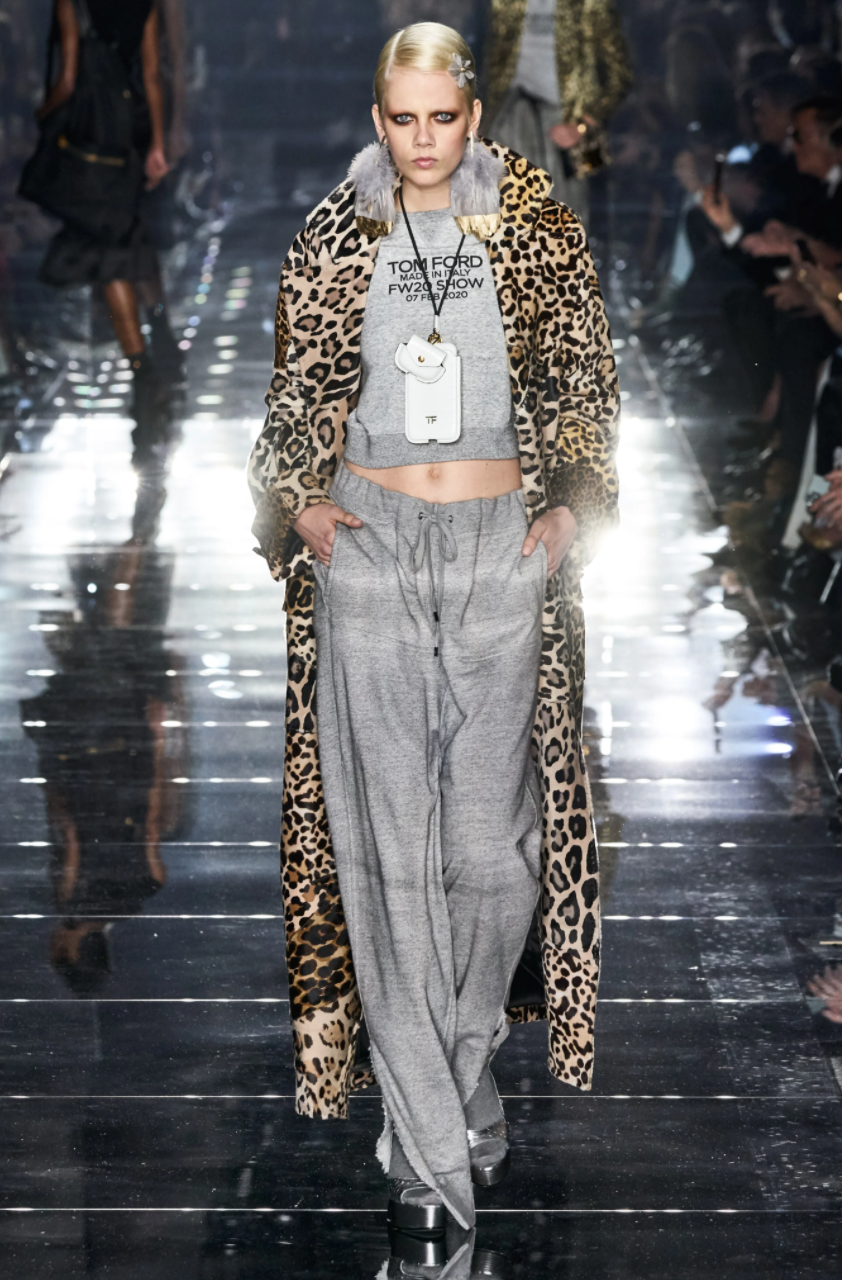
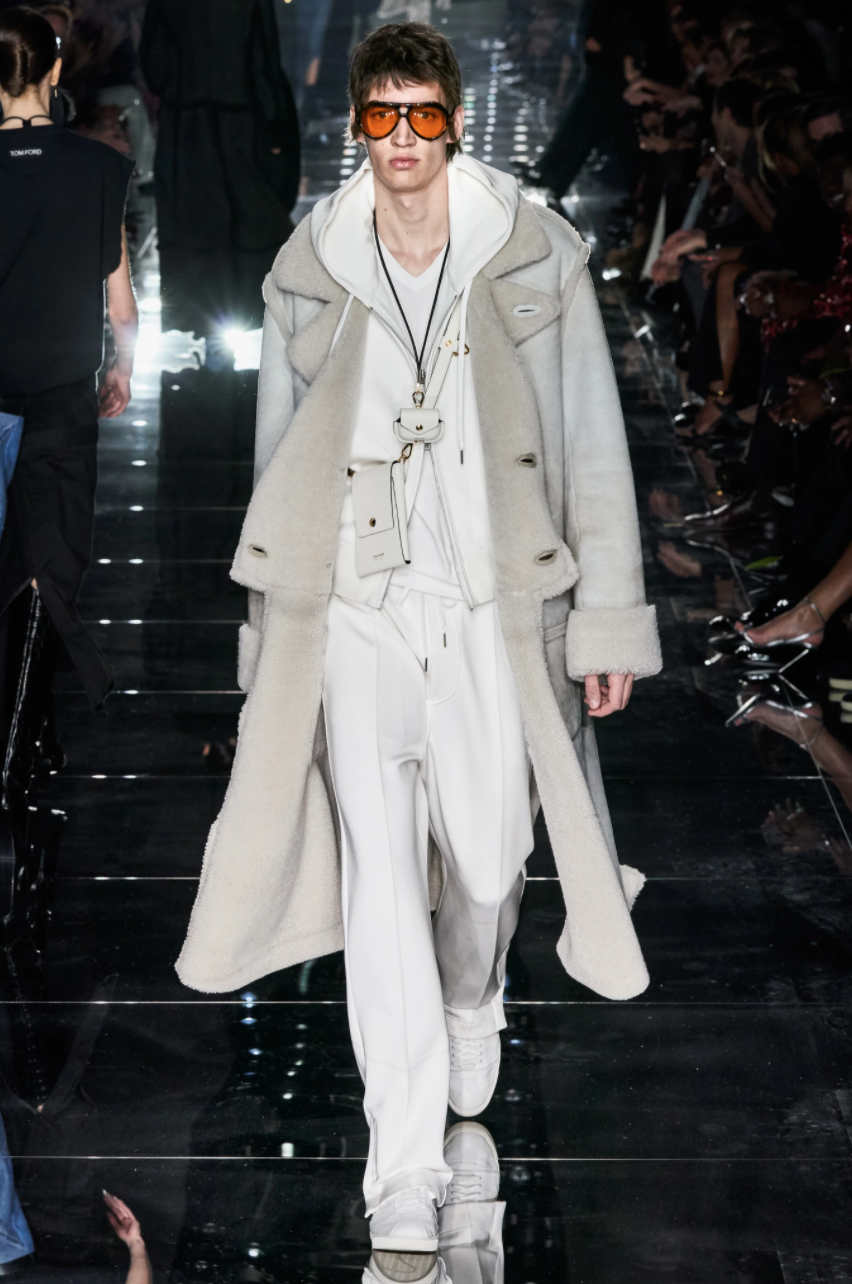
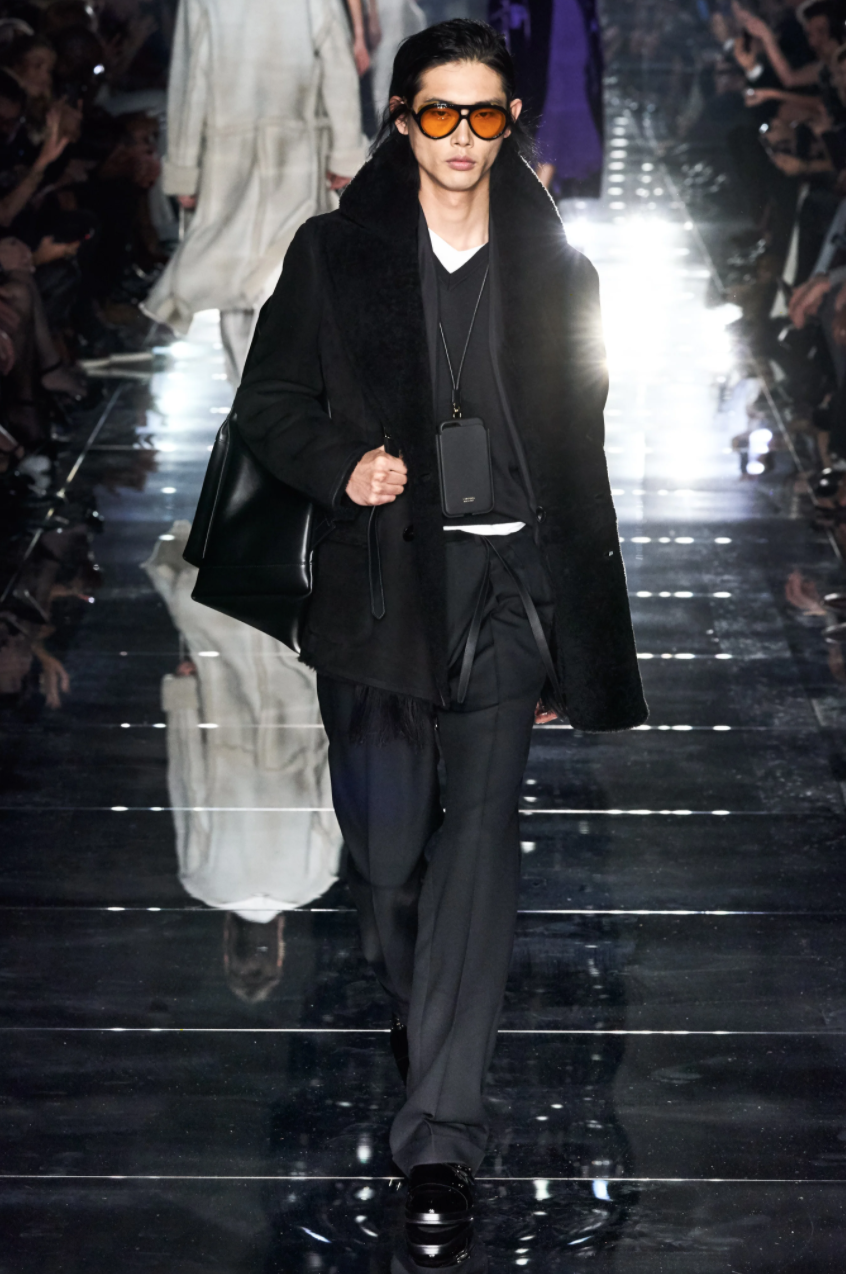
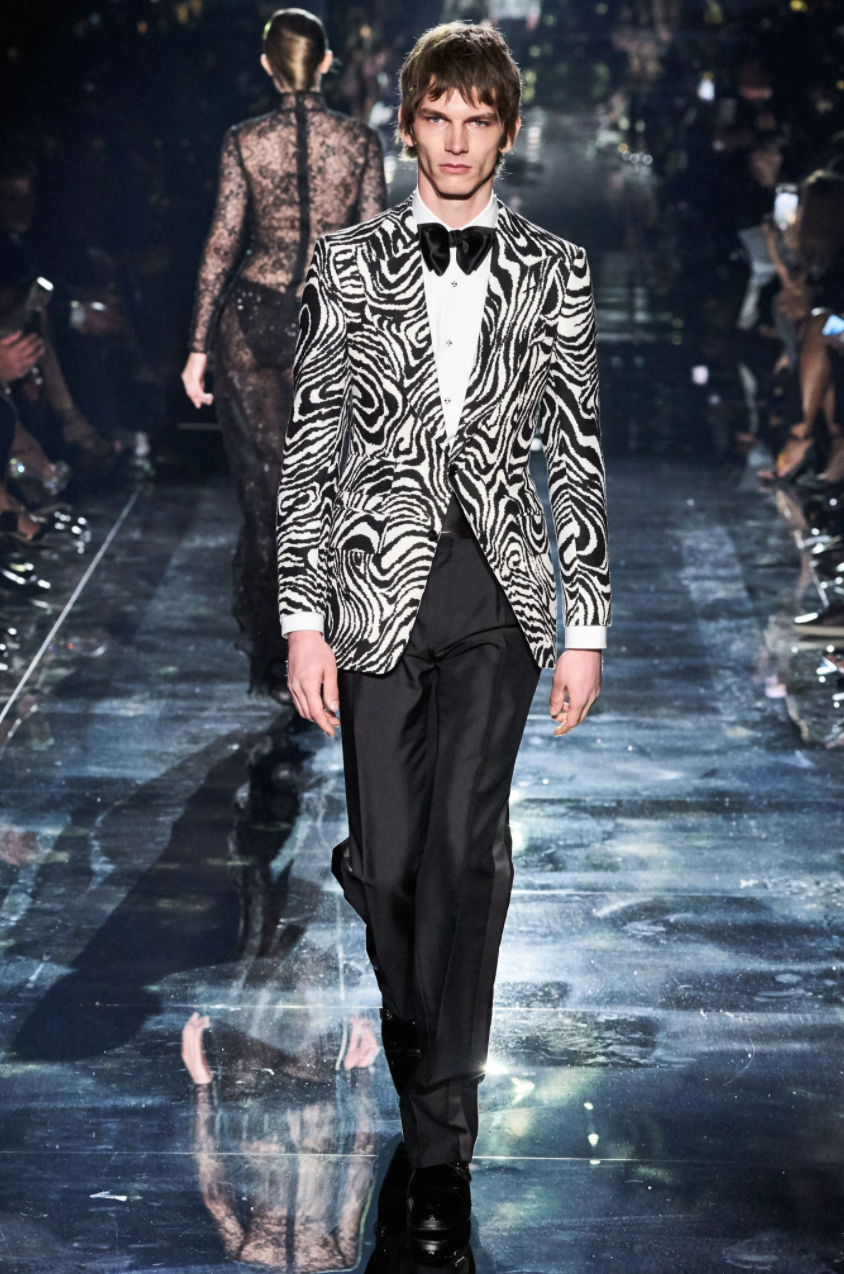
Replacing last season’s rolled-sleeve tees were sweatshirts sliced at the shoulders, a little boxy and oversize, which were paired with sexy bias-cut embroidered skirts. One model tossed a leopard spot duster coat over a logo sweatsuit in athletic gray—she could have been dashing out for a Kreation juice. Another accessorized her track pants with a sweeping tie-dyed caftan in sunset orange, very Saturday in Malibu. The last time Ford brought his show to L.A.—on the eve of the 2015 Oscars—was the last time he put denim on the runway. It turned up again here, faded and patchworked, with a haute DIY feel. The guys, usually so precise, wore slouched-on satin pants with their embroidered dinner jackets.

The disco ball started twirling to the Fugees’s version of “Killing Me Softly” as Ford sent out his high-glam dresses. The million-dollar question is: Could any of them end up on the most important red carpet of all this Sunday? Our money is on Bella Hadid’s slinky crystalline number with double velvet bows. Ford was definitely speaking J. Lo’s language; she was first on her crystal stilettoed feet to cheer him on.

Source: Vogue

FASHIONADO

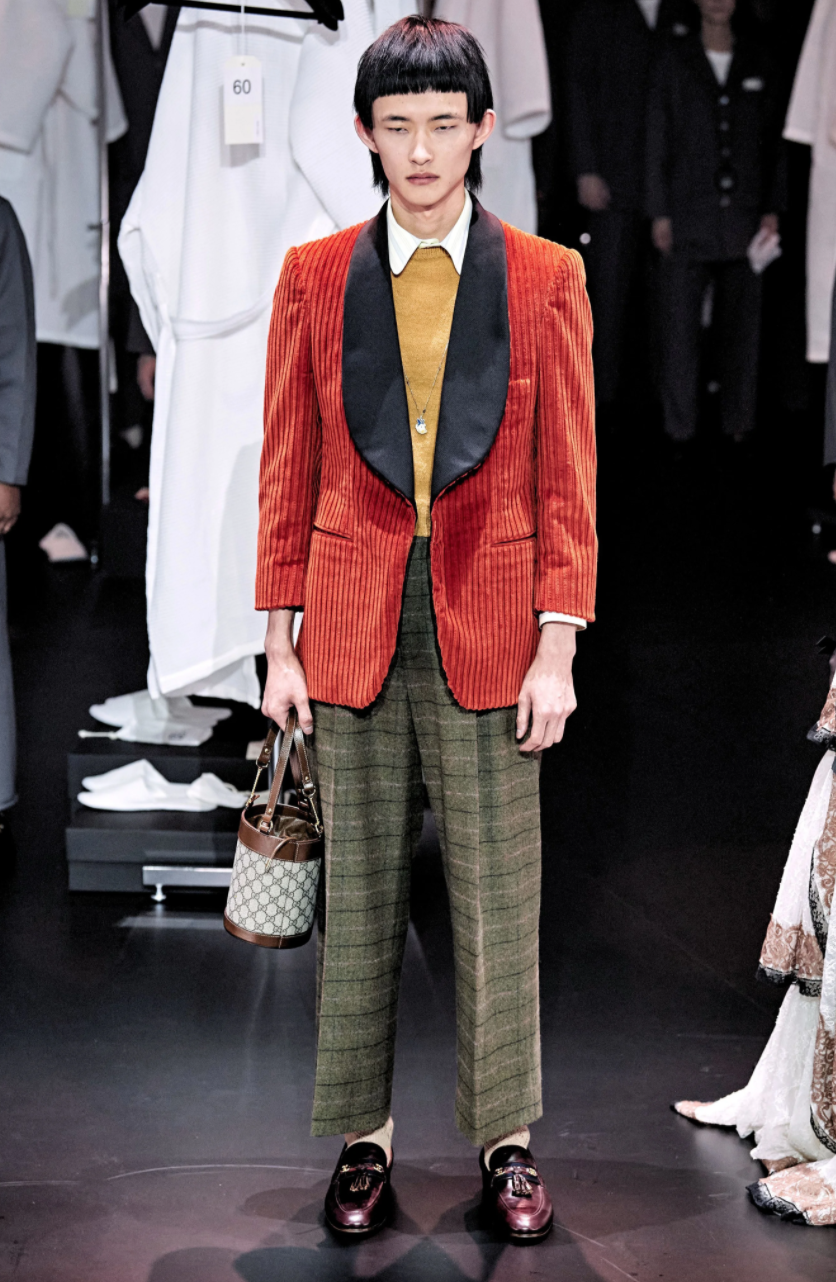
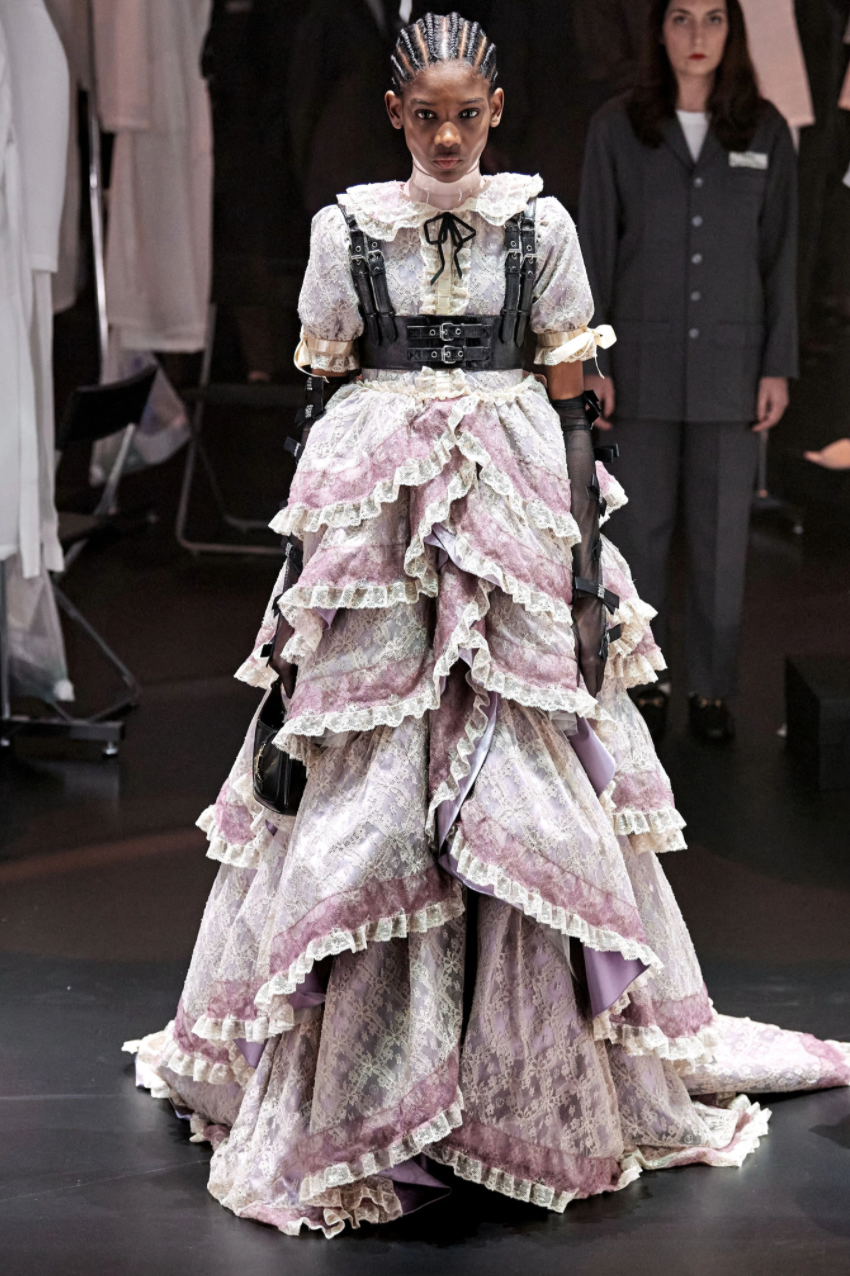
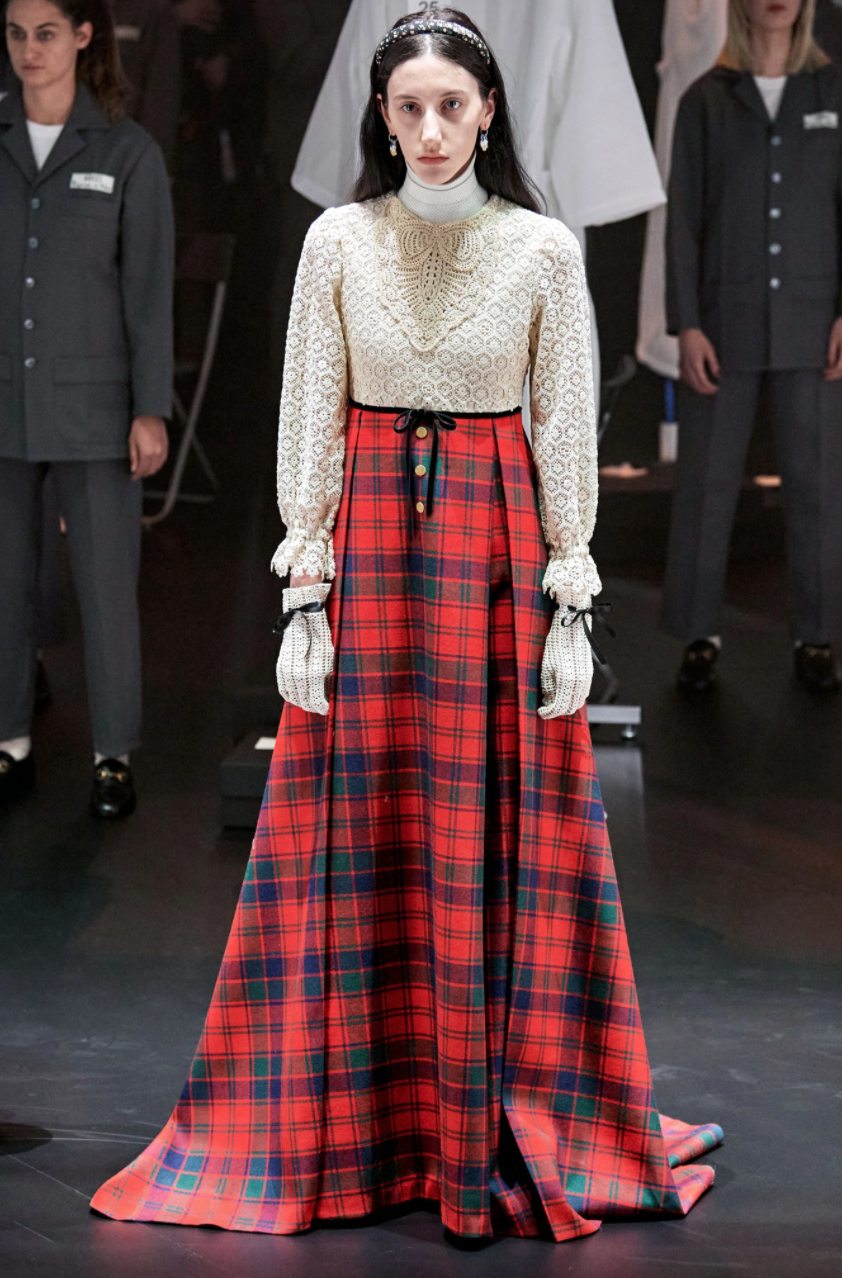
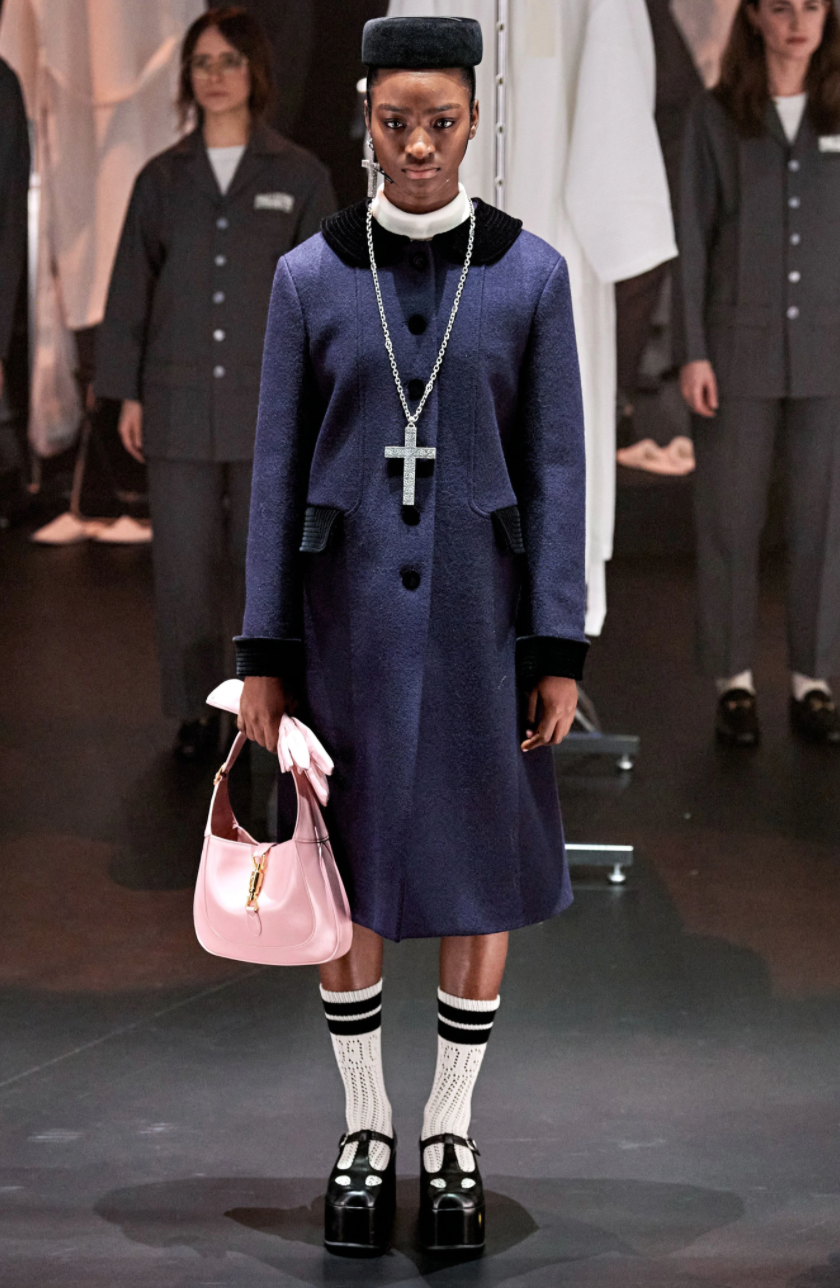
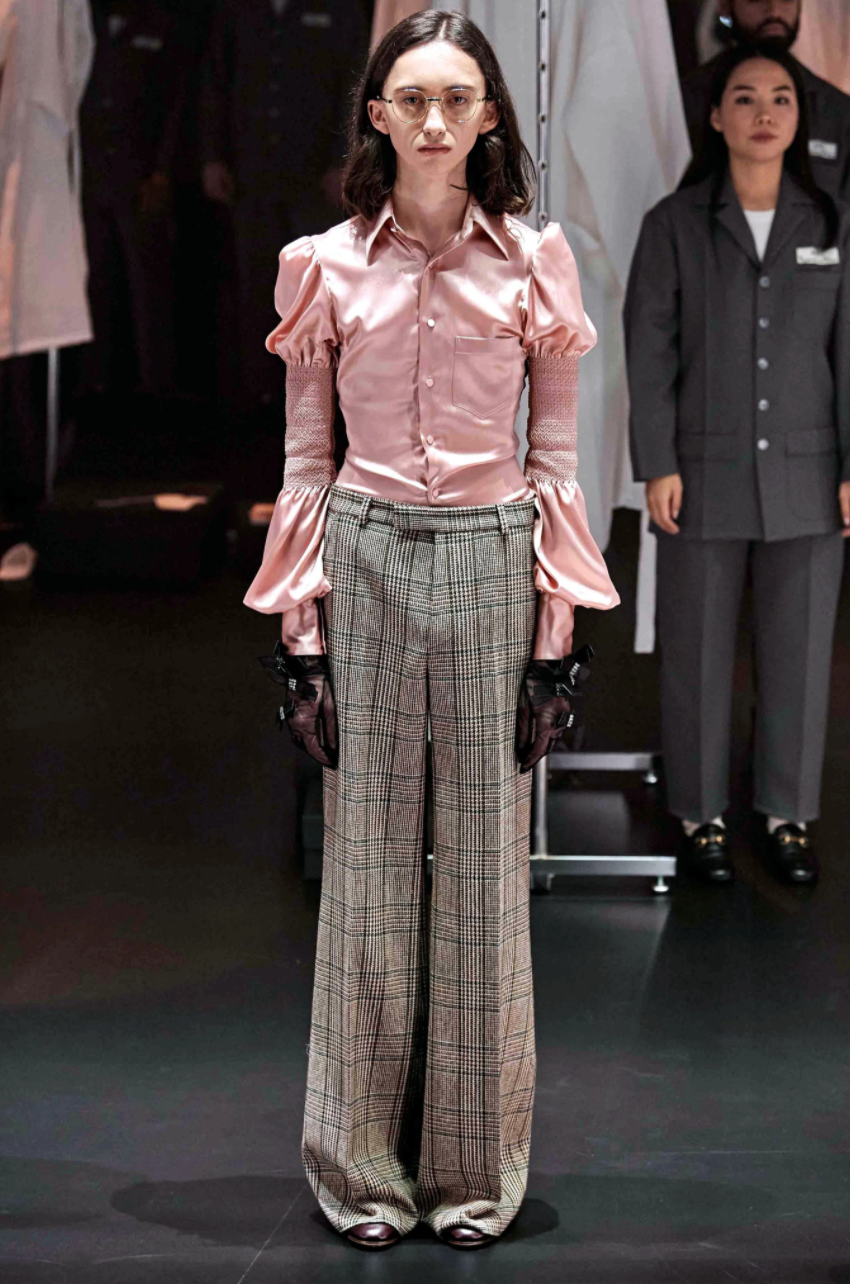
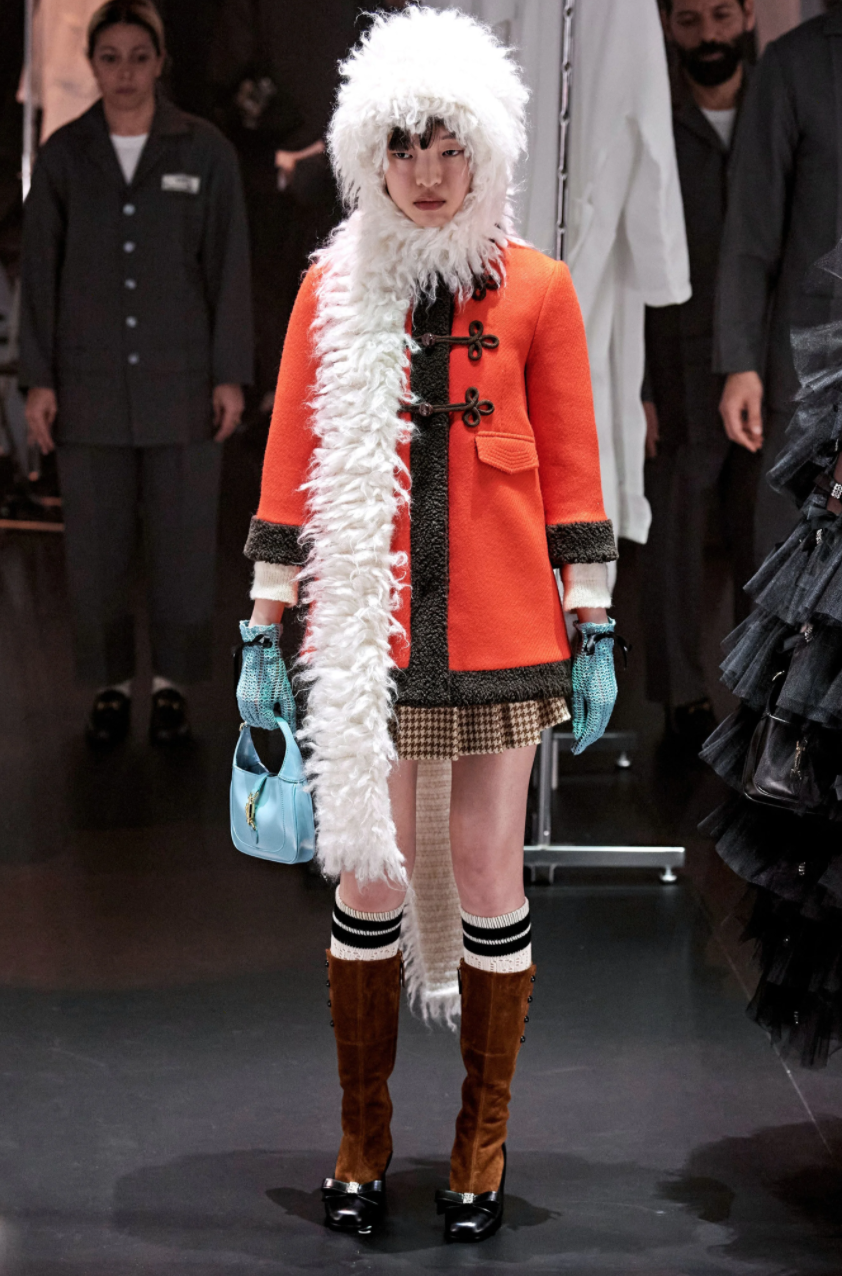
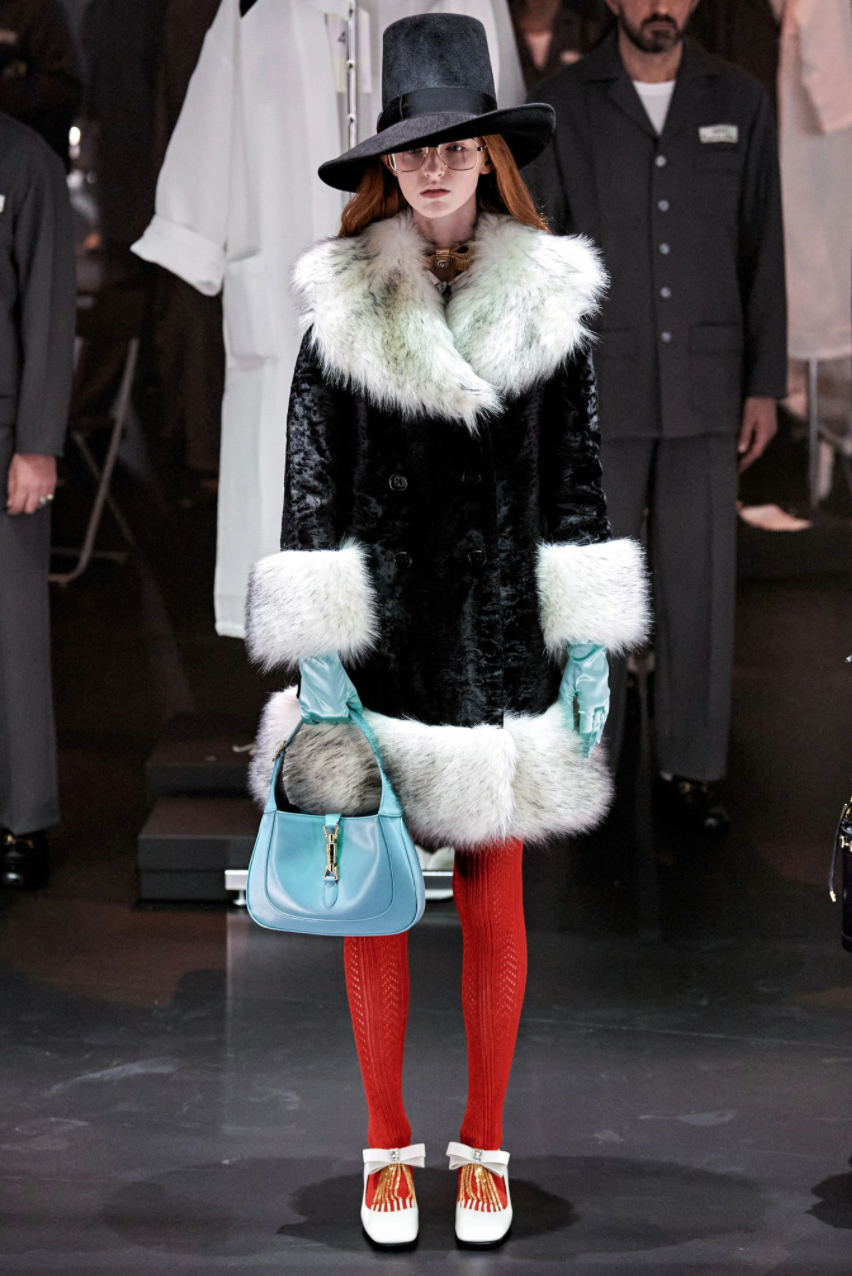
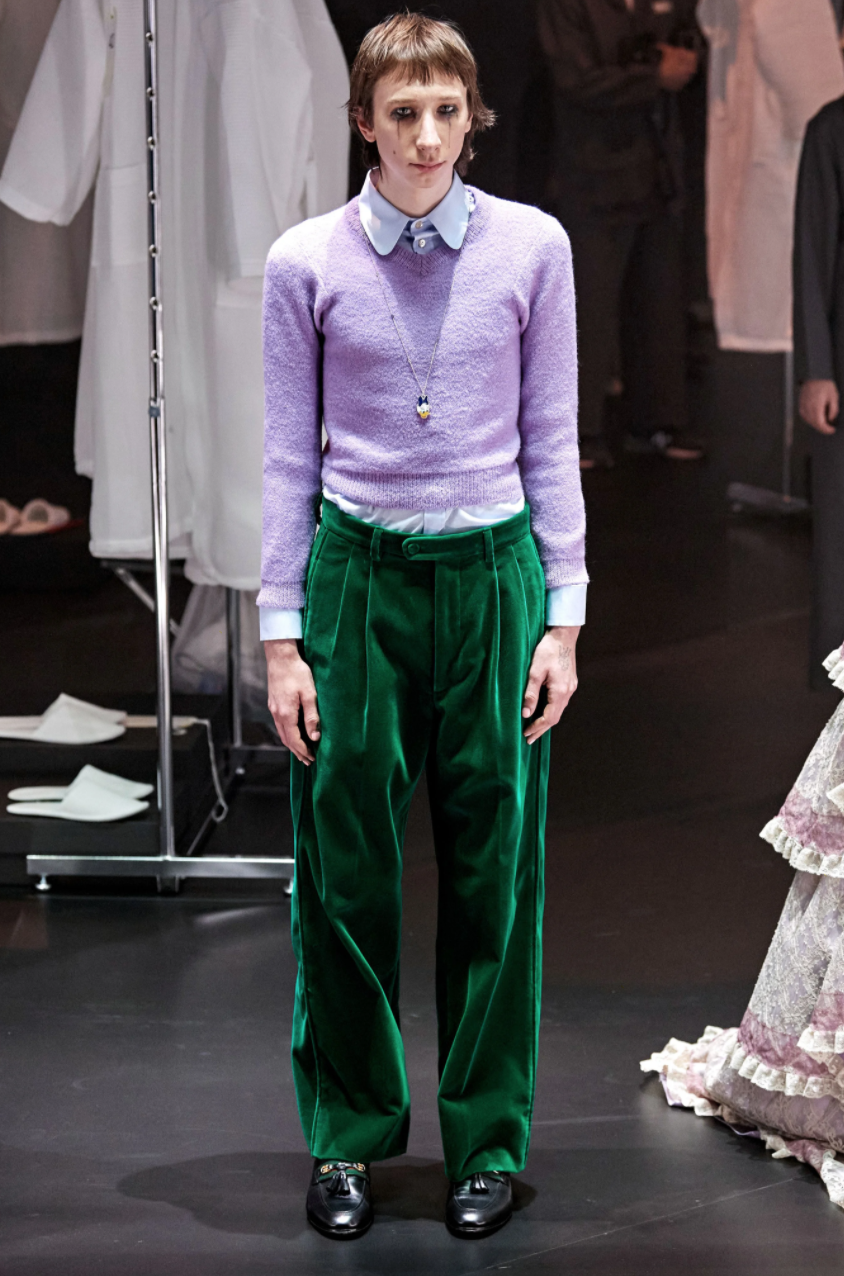
Gucci Fall 2020 Ready-To-Wear

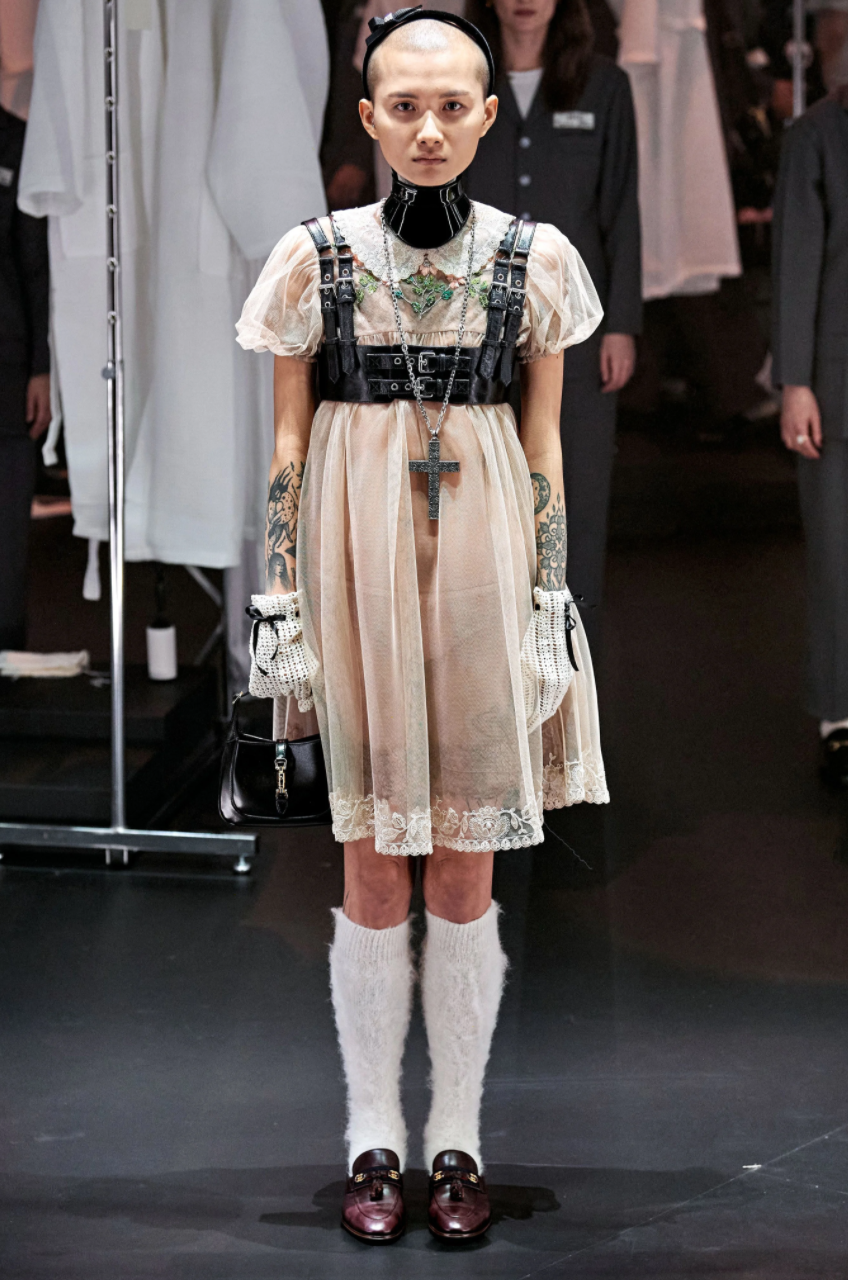
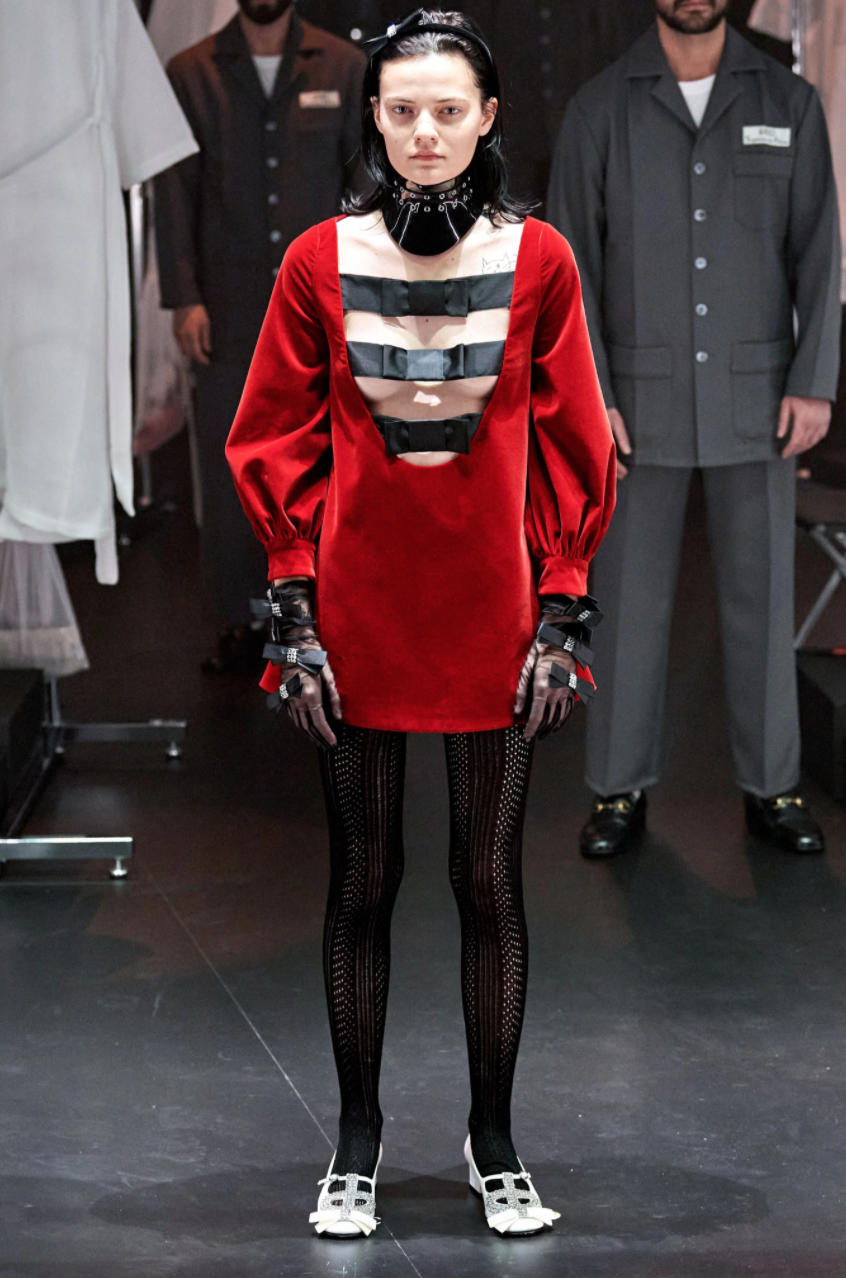
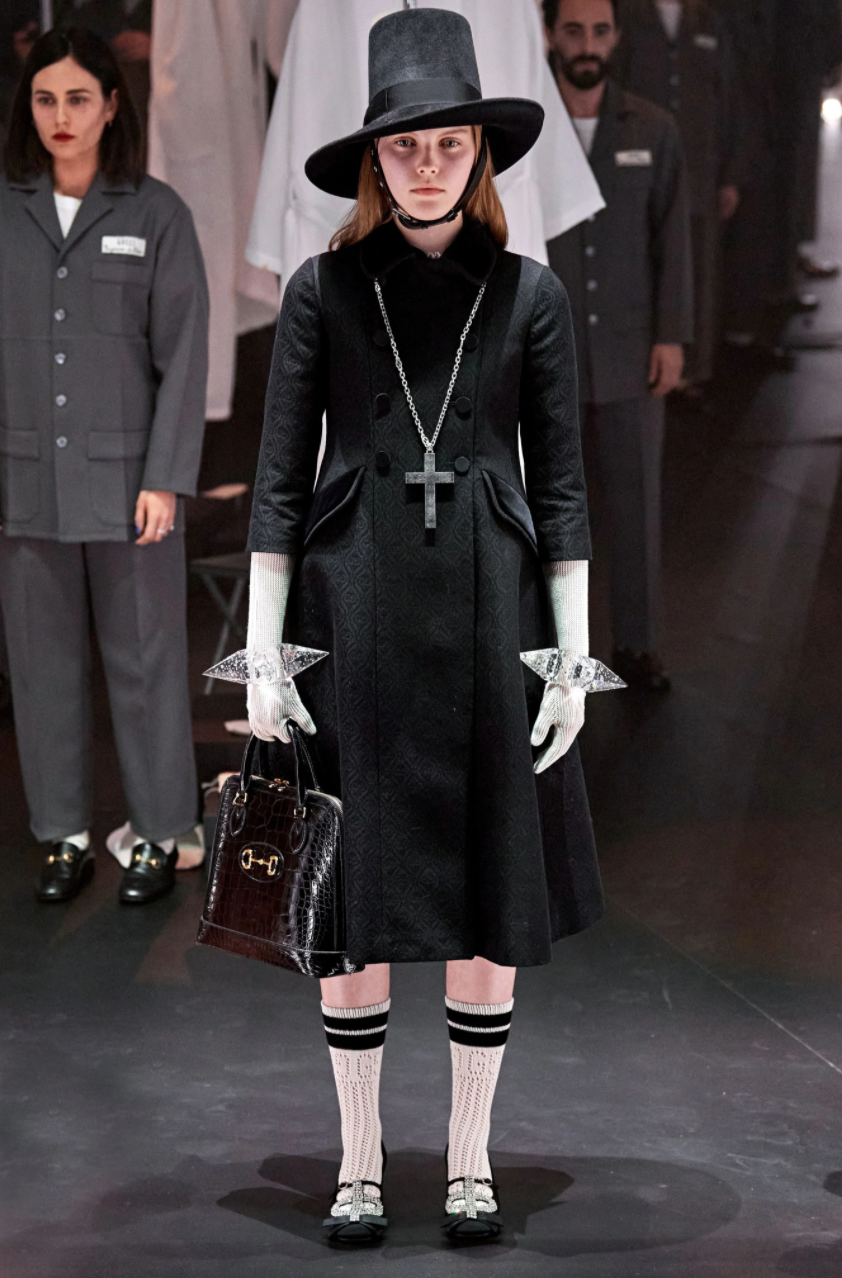
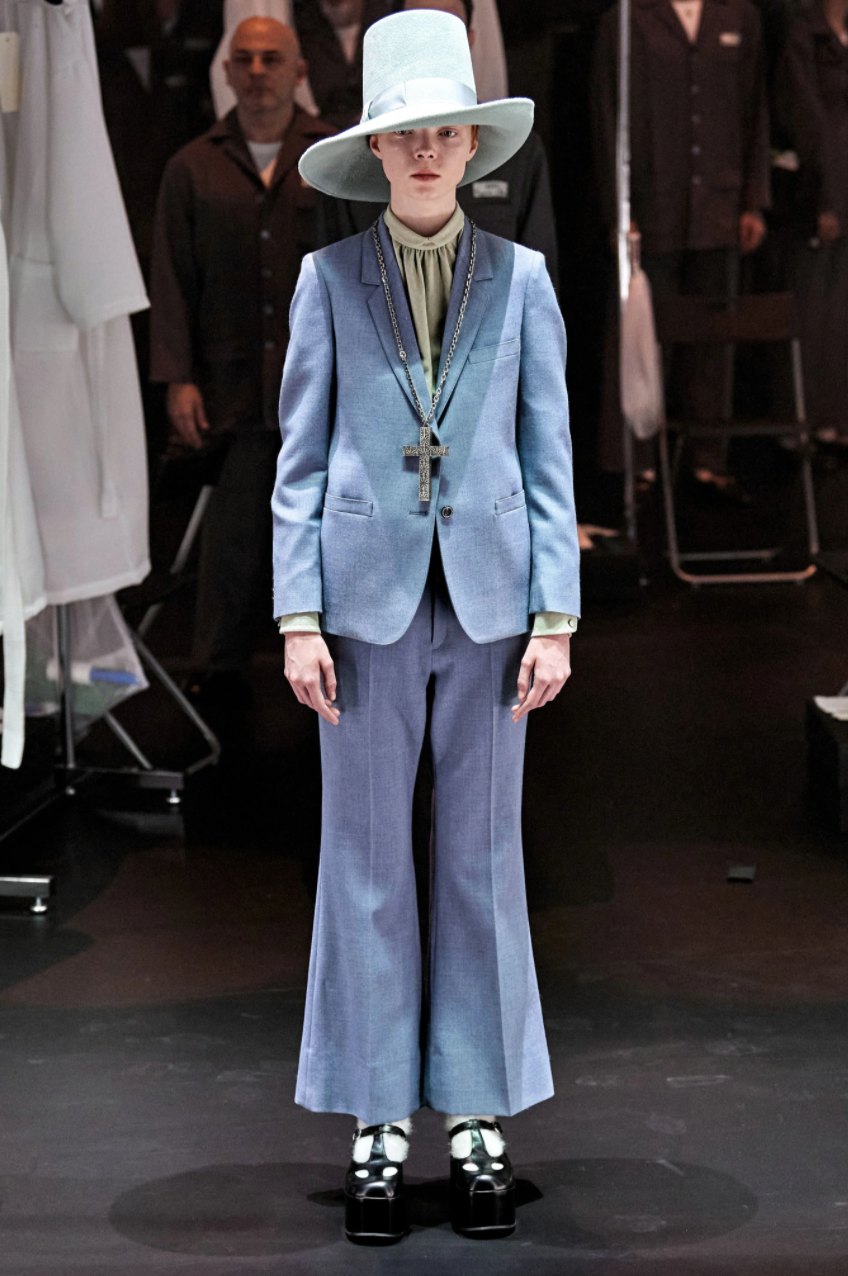
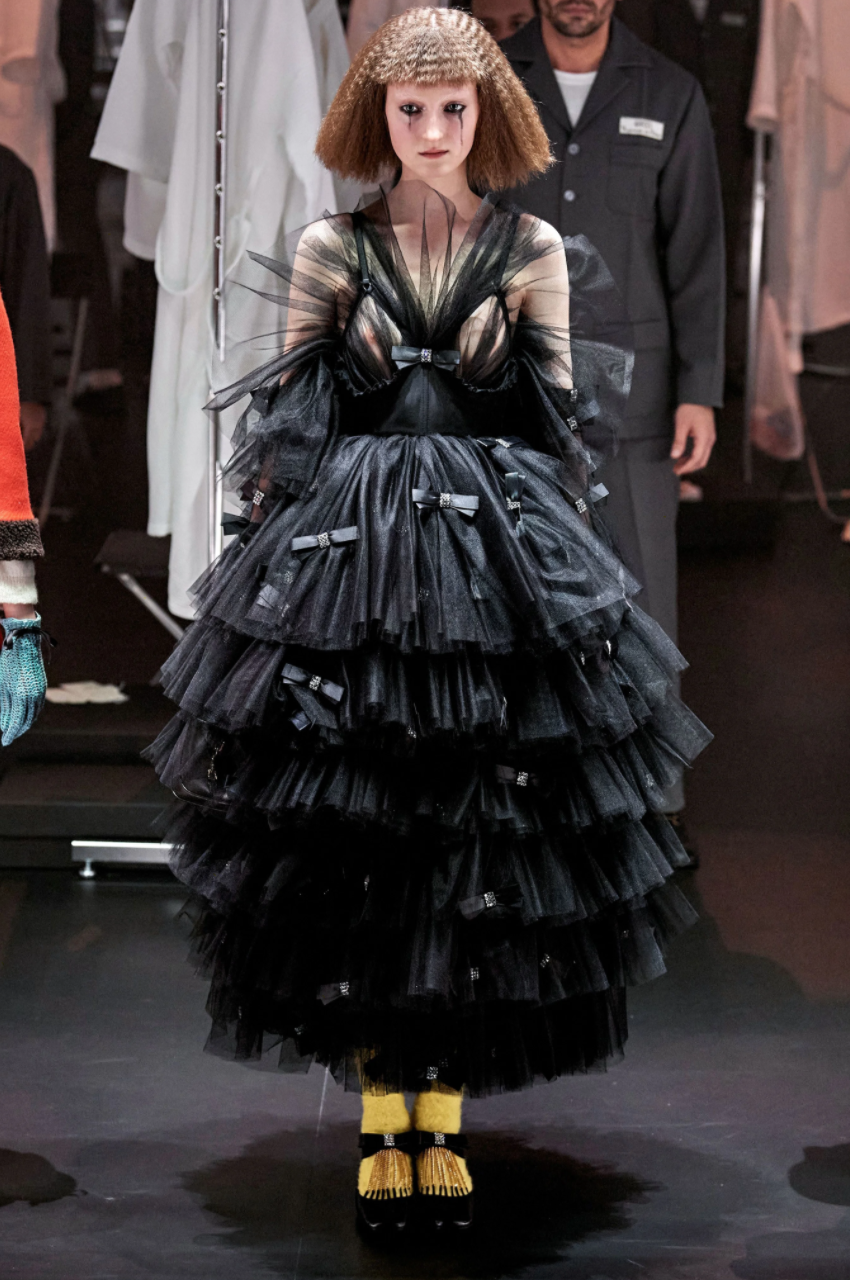
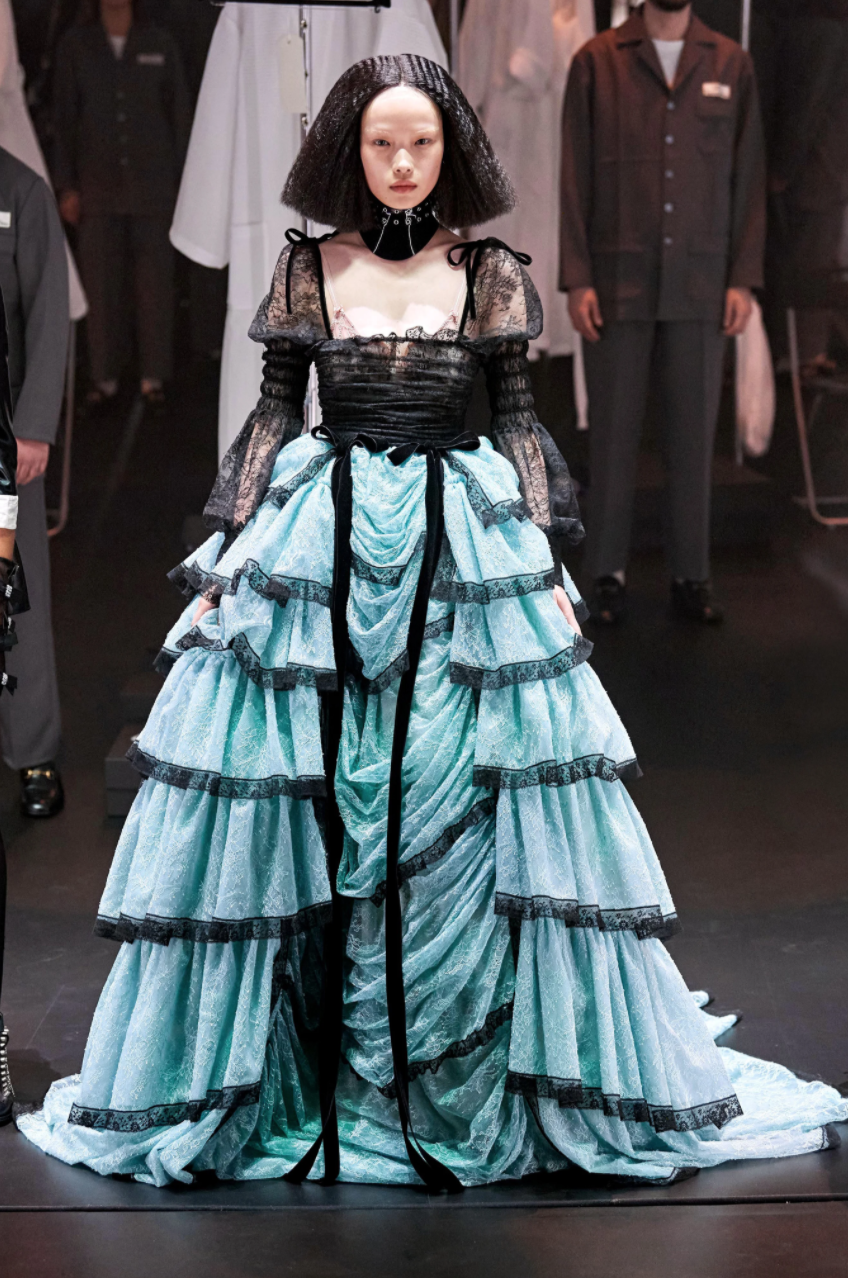
Gucci was back in its week-opening spot today after a season as the Milan closer, and Alessandro Michele got things started with a major bang, staging a show that was as spectacular as it was intimate. A week ago in New York, the fashion show was declared over (a little prematurely, given Marc Jacobs’s own enlivening experience there). Michele is among our most sensitive designers. He feels the immense strain of producing these in-person events multiple times a year—he called them rituals in his postshow presser, and he absolutely intended the religious connotations—but he also understands how the internet age potentially threatens their future. Is it live, or is it Instagram?

Michele is insistent on the live experience, though he’s plenty savvy about social media too. He sent his show invitation via WhatsApp, an attention-grabbing, modern move that also happened to be a green alternative to the mountains of waste created by show production. A pair of WhatsApp’d images followed the invite; one was a snapshot of Michele doing his best #evachenpose, fingers covered in rings and nails painted an aqua blue, and the other was a close-up of a Gucci label stitched with the words Faconnier de Rêves. That’s “Dream Maker” to you and me.

In ringmaster—high priest?—mode, Michele staged a show in the round, exposing the behind-the-scenes action of the hair and makeup teams and the model dressers at work as they prepared the 60 cast members in their looks. There were shades of Unzipped (the 1995 fashion documentary) here, only in this instance the stage revolved, giving the audience full 360-degree views, and—the designer pointed out afterward—doing the same for the models and the backstage crew. “You were our show, and we were your show,” he said in his typically elliptical manner. Entry into the show space was through a backstage area too, and Michele was seen mingling in the crowd.

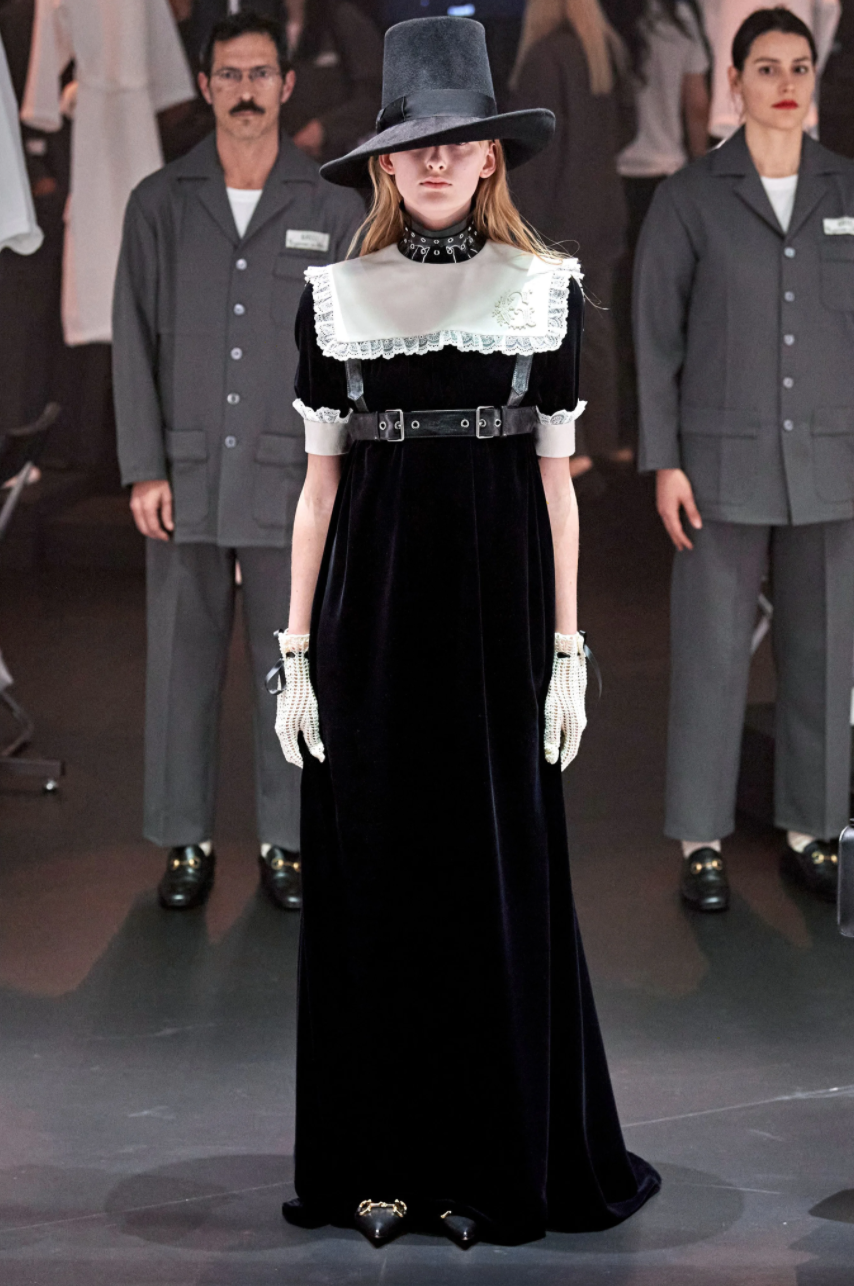
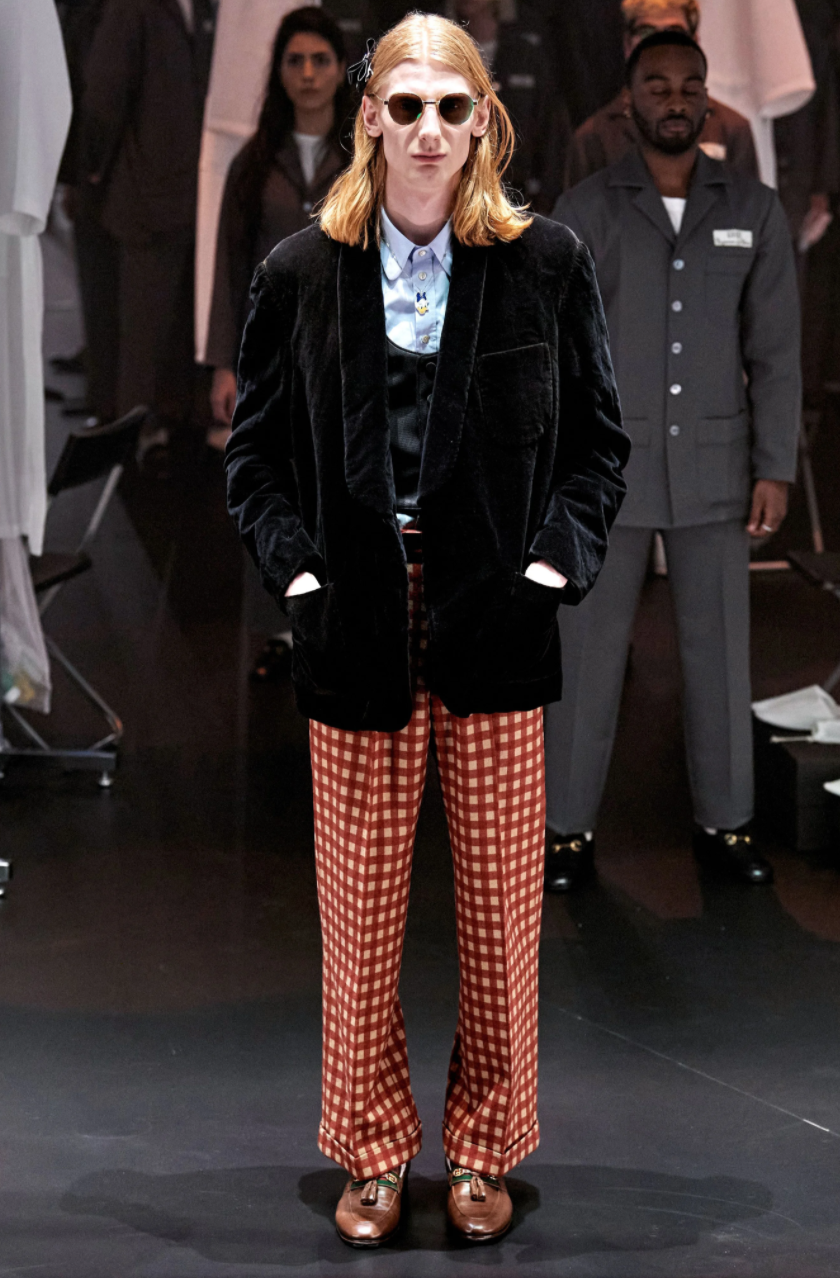
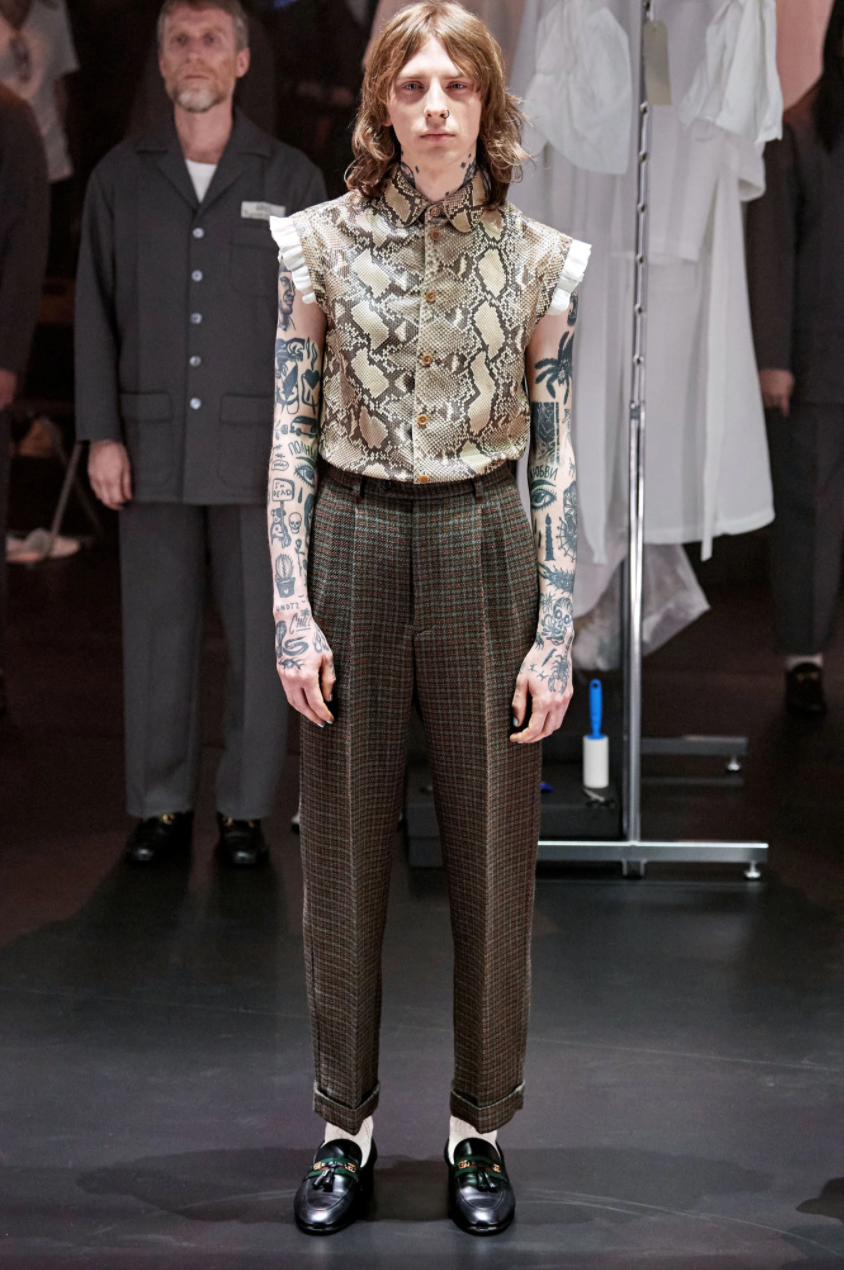
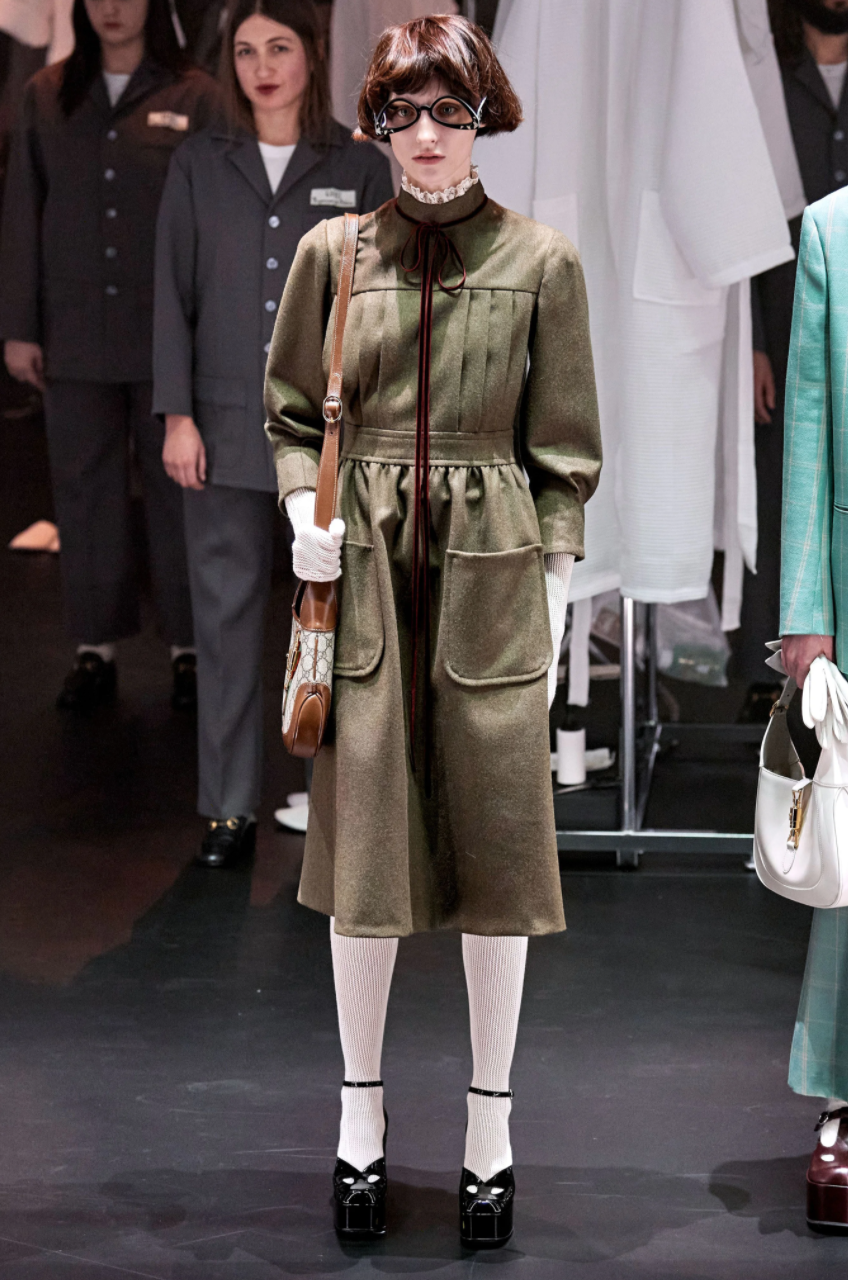
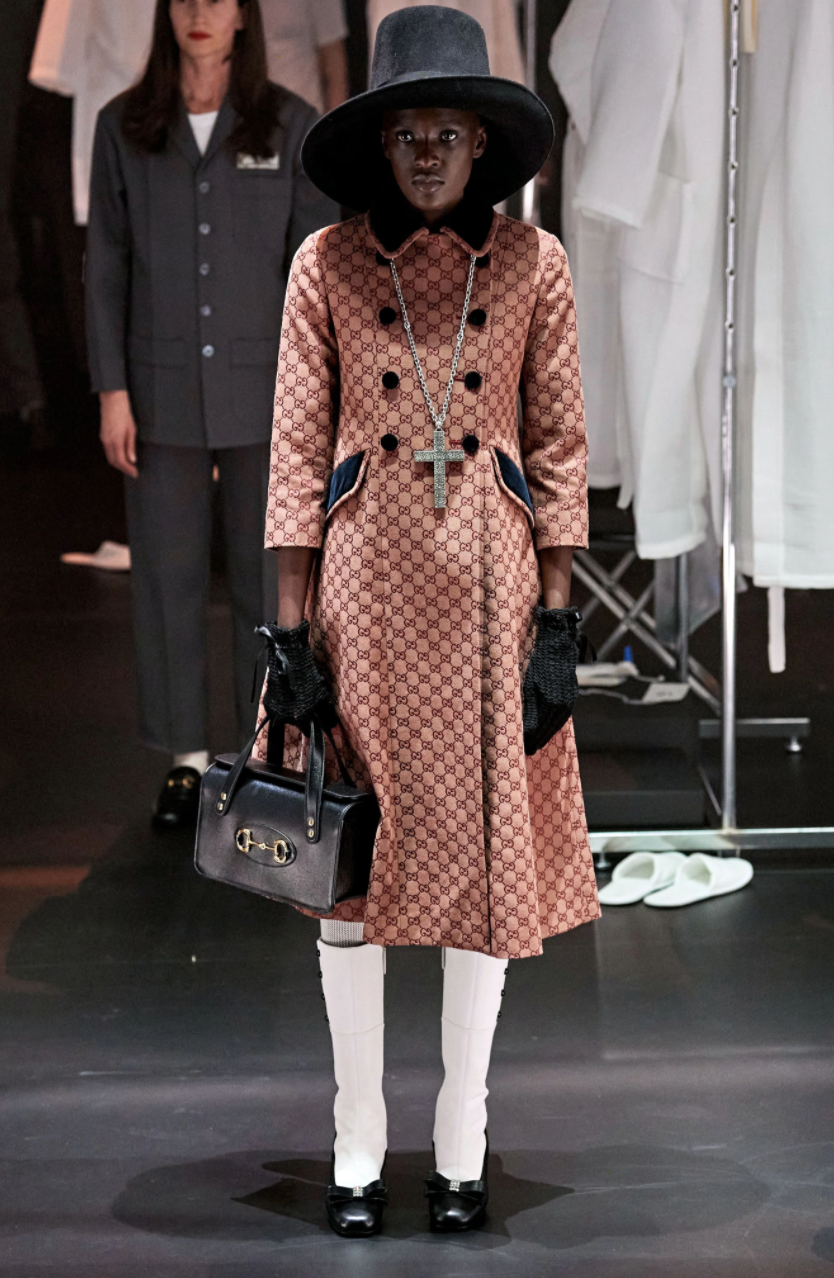
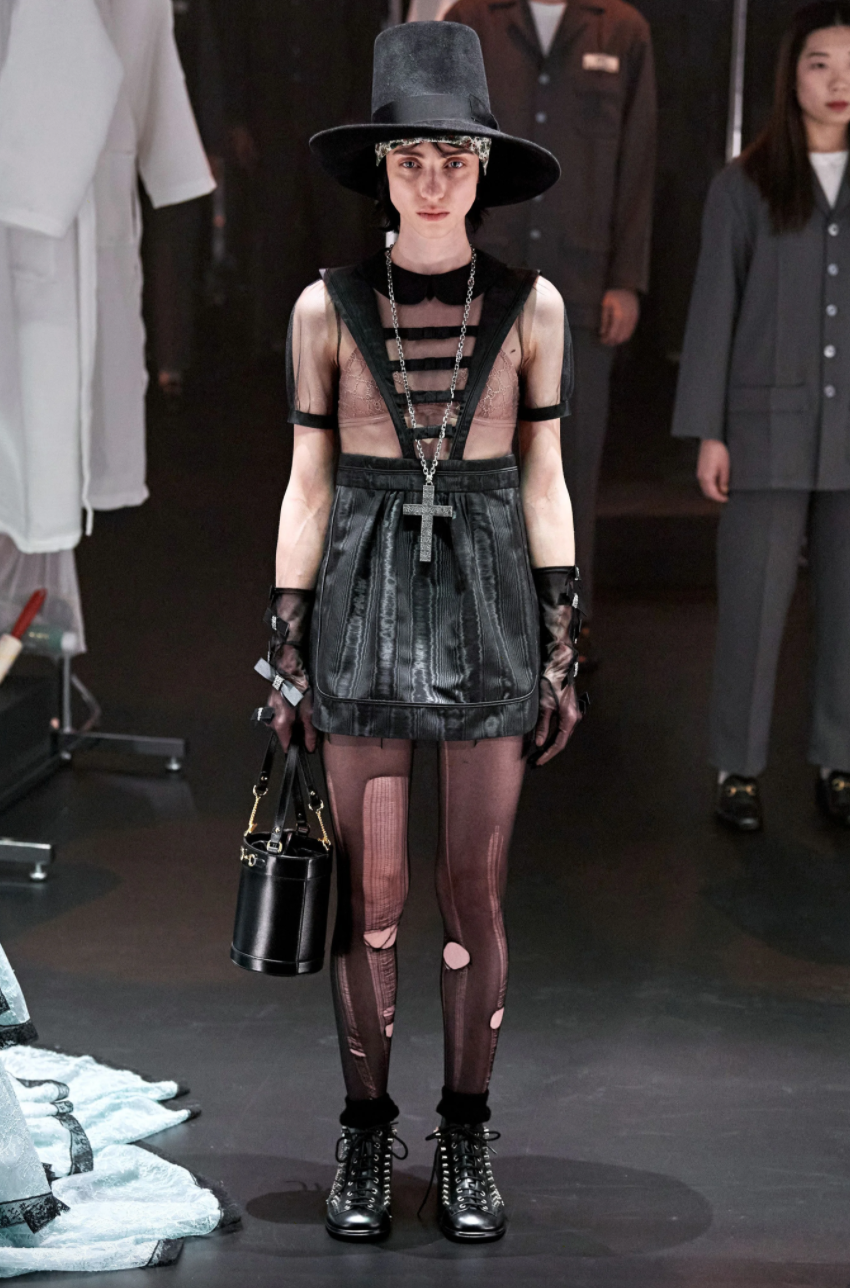
Inserting viewers in the action would seem a distinctly 21st-century phenomenon, but Michele found himself connecting it with childhood. Last season he paid tribute to Gucci’s Tom Ford days; there were slip dresses, exposed bras, and ’70s-by-way-of-the-’90s pantsuits—the clothes that made Michele fall in love with fashion. Here, he looked further back, taking cues from “the perfection” of little girls’ clothes—pinafore dresses, school uniforms—and, it seemed, from the outfits of those little girls’ minders, nuns to nurses included.

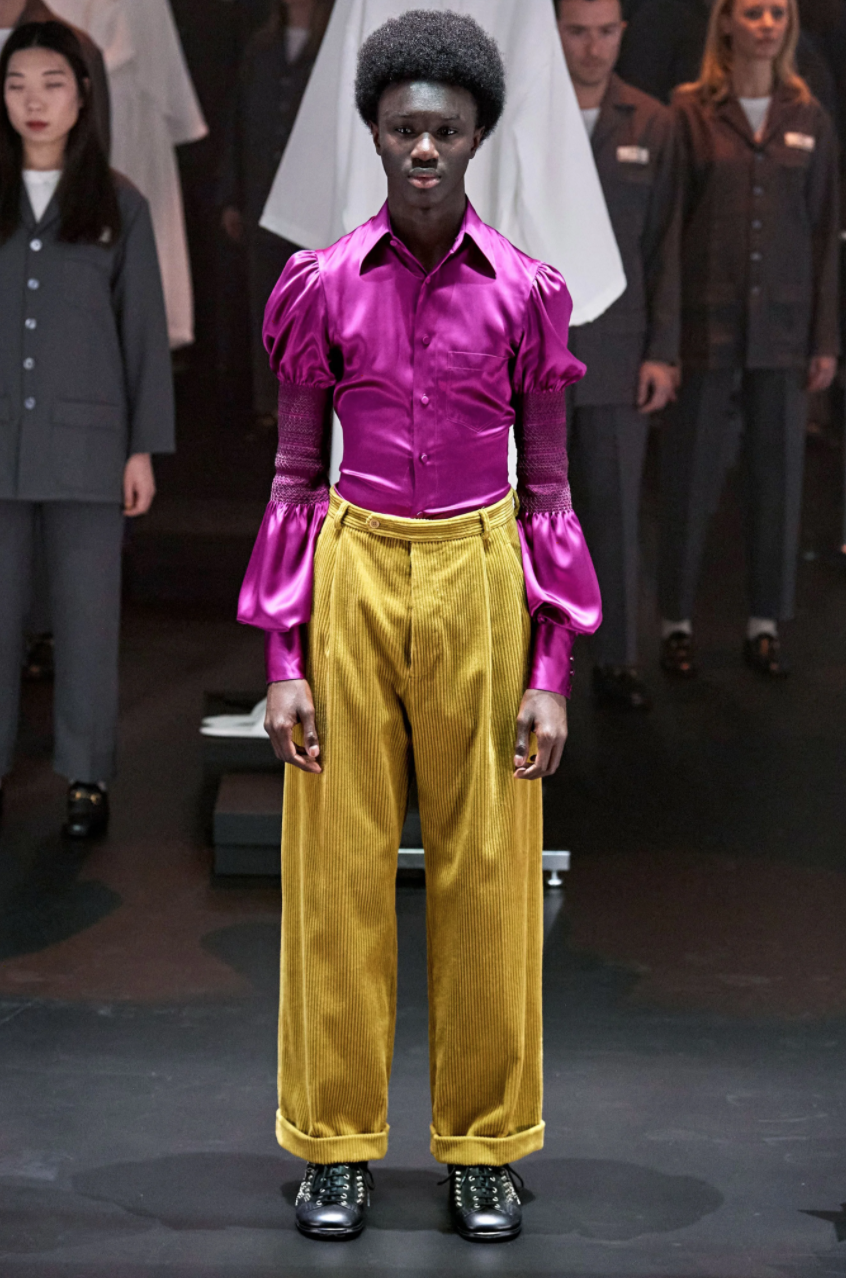
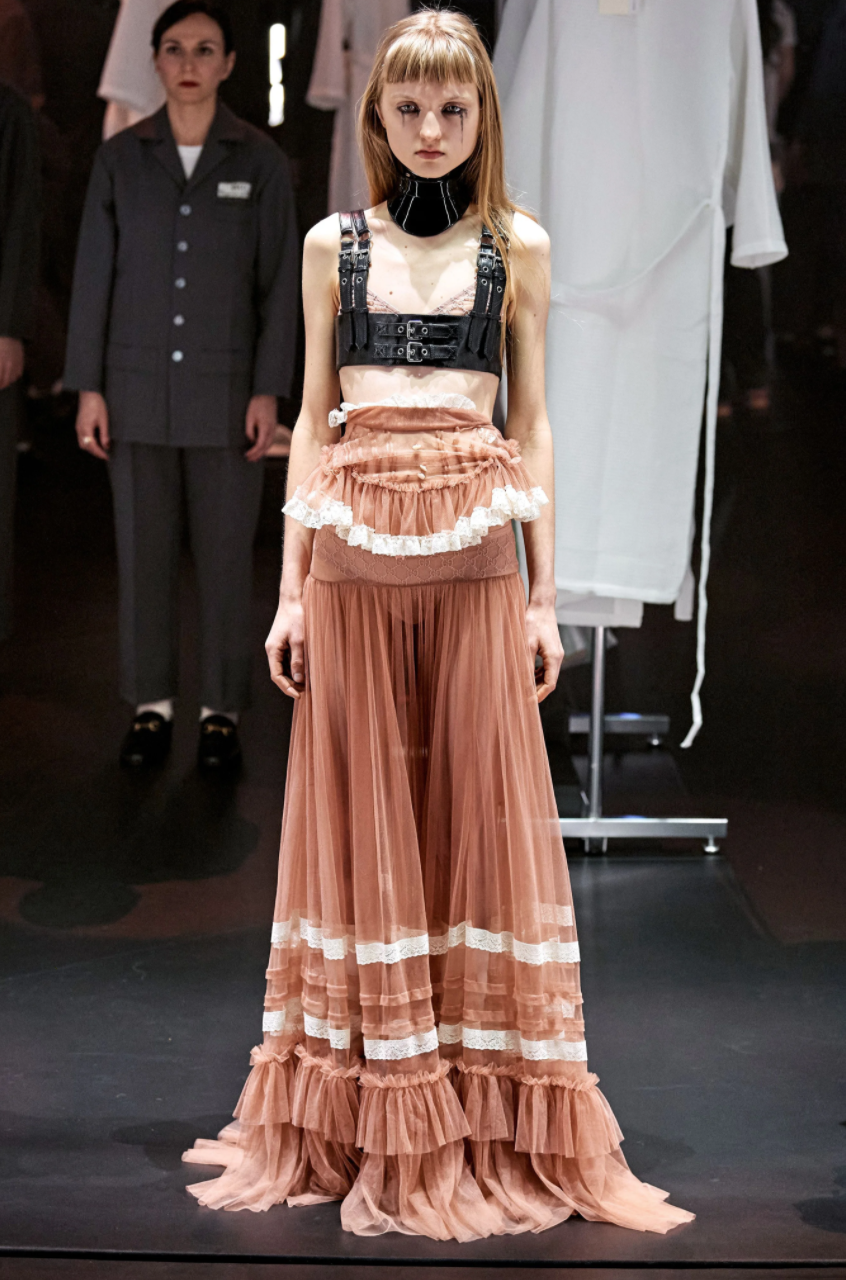
He did something similar at his men’s outing last month; youth, for him, equates to “beauty and freedom.” For whom does it not? But today, as then, he kept the story lively. There were hippie nods, grunge allusions, and Moulin Rouge!–on-the-prairie gowns. And no, he didn’t bypass kink entirely. A patent leather harness was the accessory du jour.

As ever, the rule-breaking irreverence of his clothes was mirrored by the nontraditional beauties who wore them, but there seemed an inordinate number of overly thin models onstage this afternoon. Truer shape diversity would’ve made the communion of this Michele-orchestrated moment more powerful.

A voiceover at the start and end of the show in which the Italian director Federico Fellini celebrates the art of moviemaking illuminated Michele’s intentions today. “Fellini was talking about the sacredness of cinema and the rituals of filmgoing,” the designer explained. “We all belong to the same circus,” he continued, “and I really want to go on repeating this ritual.” Michele is a believer, and in turn, he makes believers of us too.

Source: Vogue

Fashionado

H&M USA Provides Over Two Million Dollars Of Product For Communities Impacted By COVID-19

h&m covid relief fashionado

H&M USA is providing relief for communities around the country affected

by COVID-19, as well as allowing customers additional ways to

contribute to the effort.

H&M cares about the health and wellbeing of not only its customers and colleagues, but the community at large, especially those affected by the current pandemic.  Therefore, H&M USA will make an in-kind donation of over two million dollars of product to organizations like Children's Defense Fund,  GLAM4GOODLos Angeles LGBT Center and the Nashville Rescue Mission.  The product donation will include bedding, sheets, children's and adult clothes amongst other pieces, to help these communities meet their needs in this hard time.

Also beginning today, H&M USA is partnering with Givz so that for every $60 spent on hm.com/us, H&M USA will donate $10 to charities providing support and relief to those on the front line of the pandemic, for a total donation of up to $150,000.  Customers can choose to donate to a myriad of organizations like CDC Foundation,  Direct ReliefMeals on Wheels  and GLAM4GOOD amongst others.

In addition to these efforts, H&M Group has taken actions in the previous weeks to help aid in the fight against COVID-19 around the world.  In March, H&M Group began quickly arranging for its supply chain to produce personal protective equipment (PPE) to be provided to hospitals and health care workers around the world.  In addition, H&M began letting global aid organizations utilize H&M social channels to spread the message of health and safety around the COVID-19 pandemic to followers around the world.

Alongside these actions, H&M Foundation made a $500,000 donation to the WHO's COVID-19 Solidarity Response Fund. 

FASHIONADO

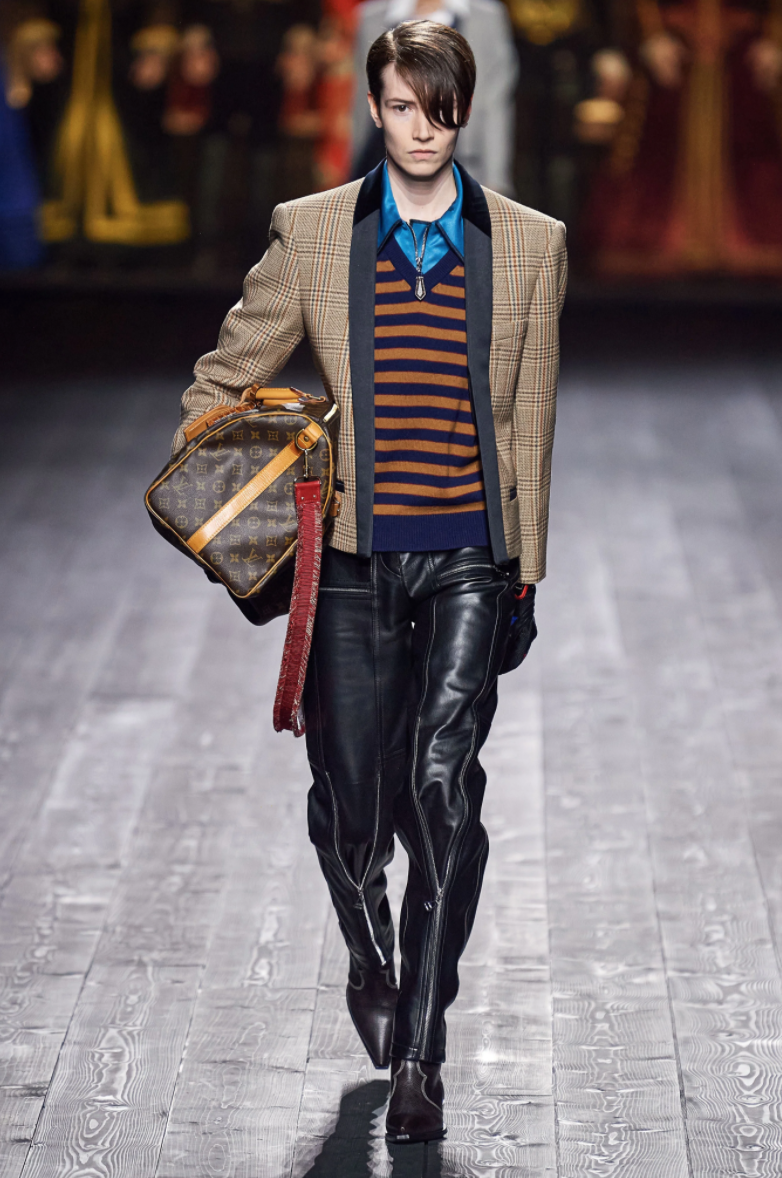
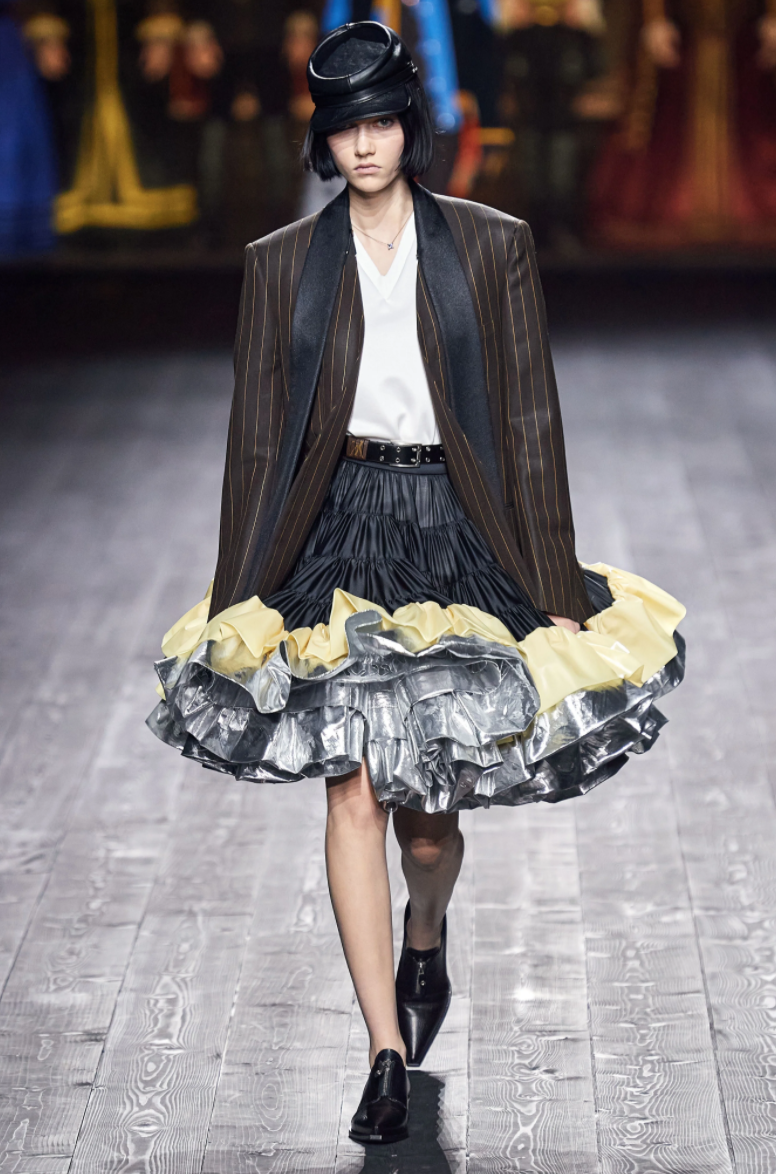
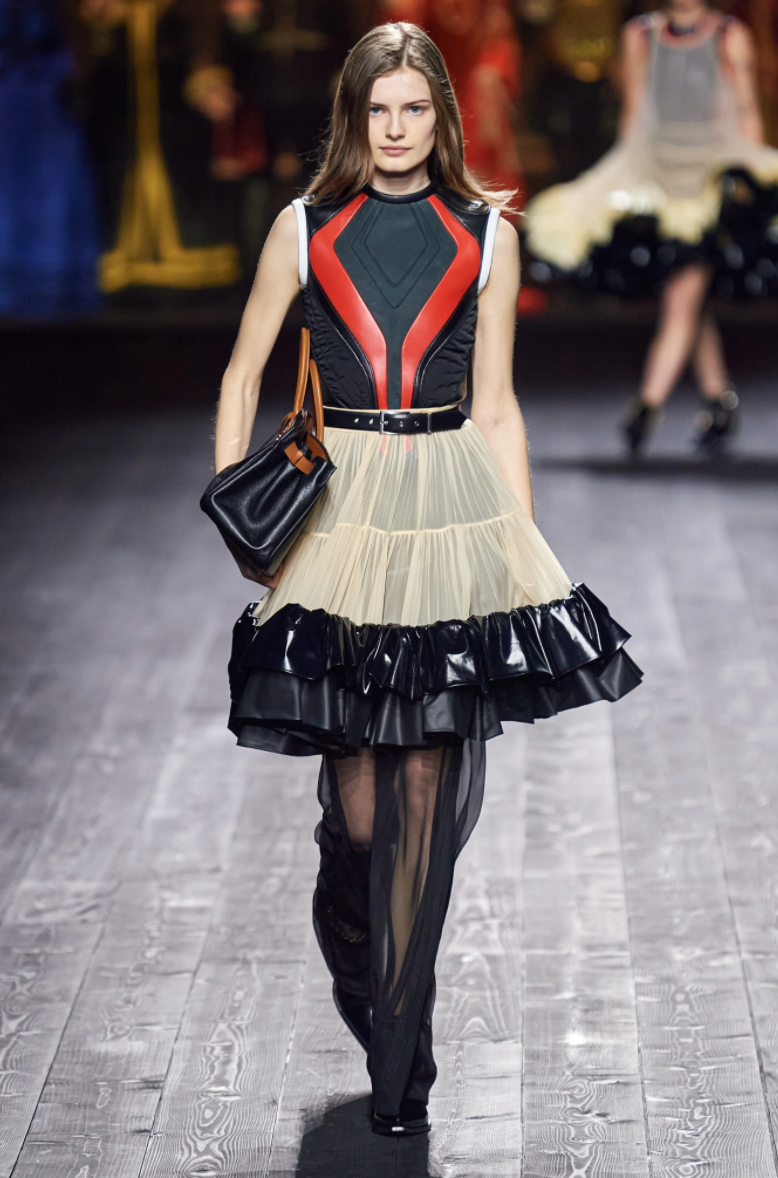
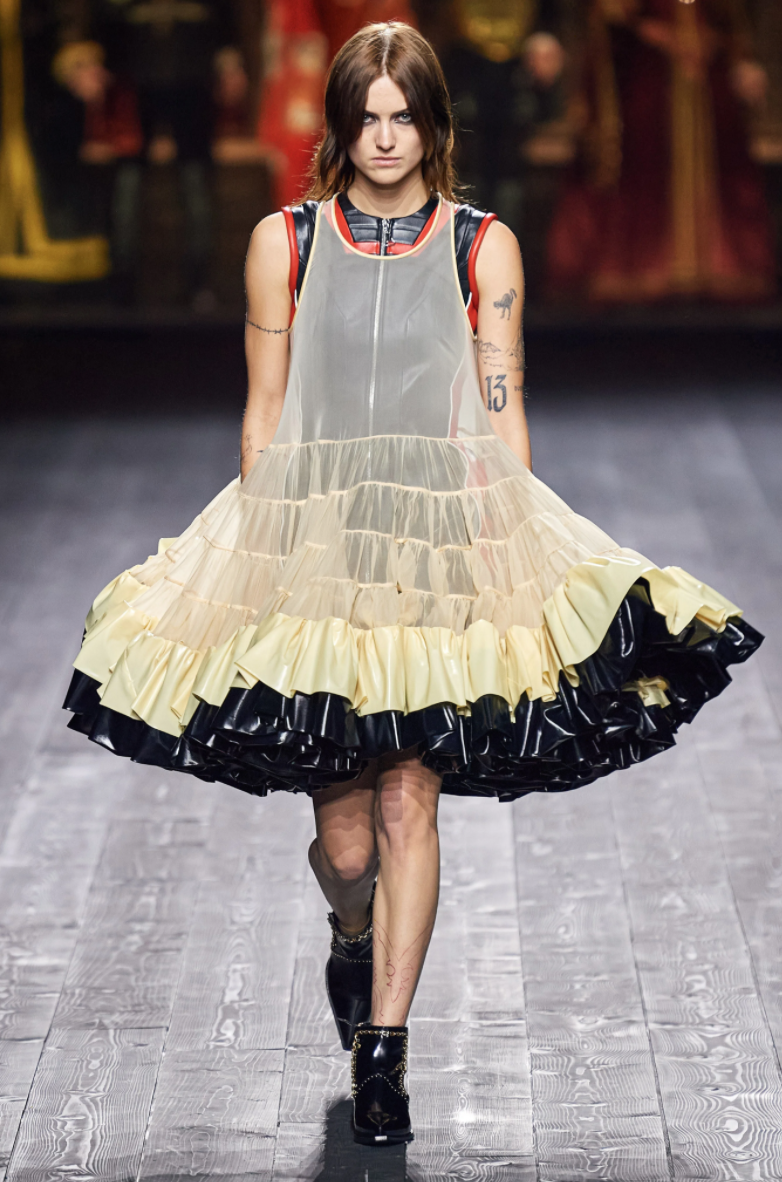
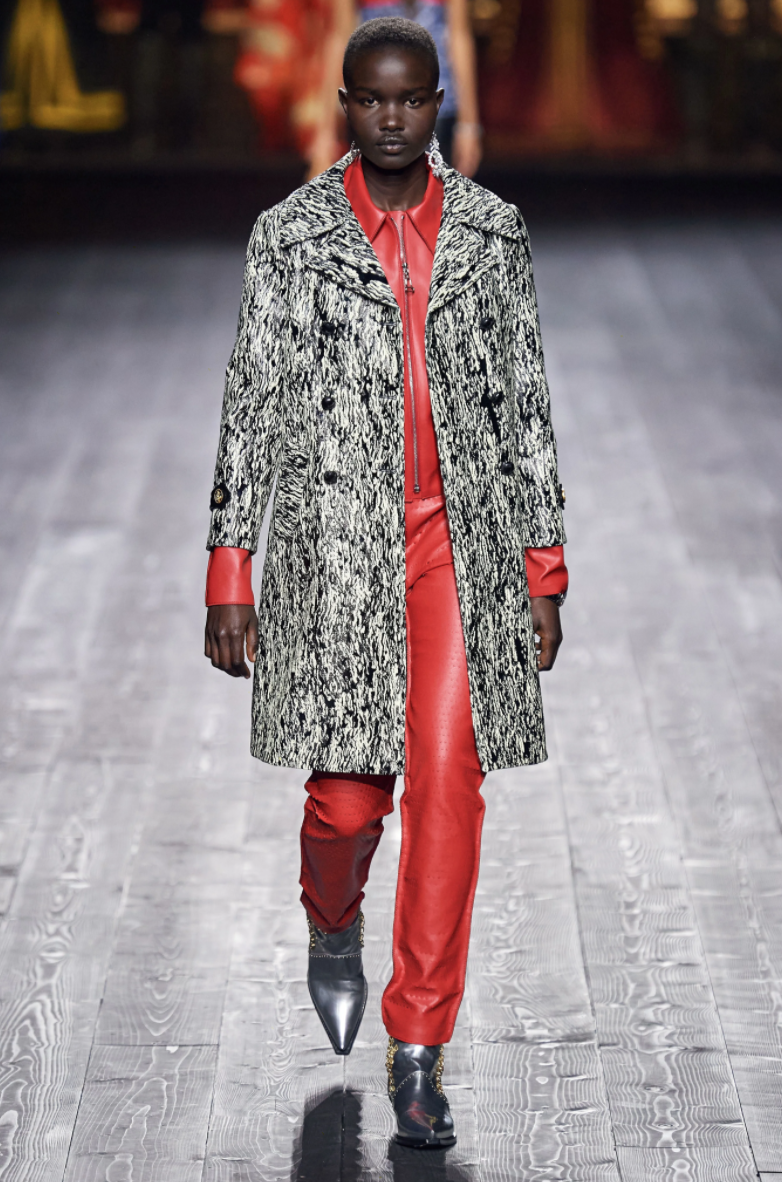
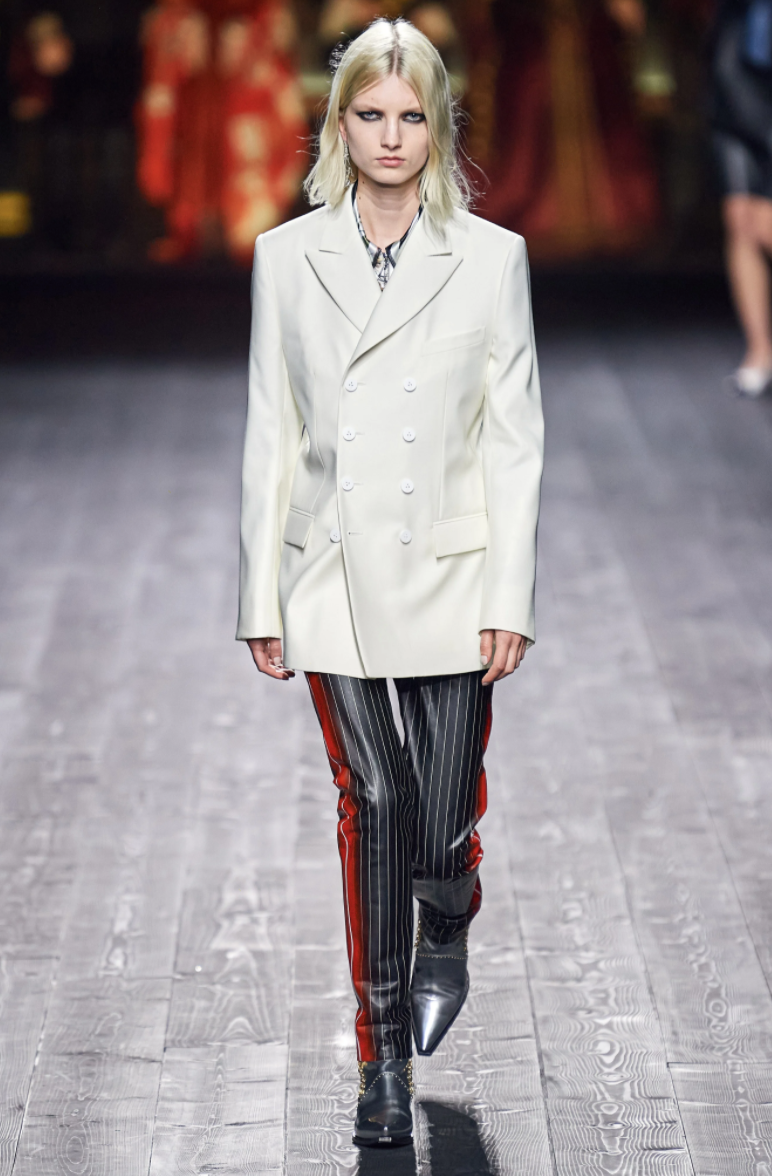
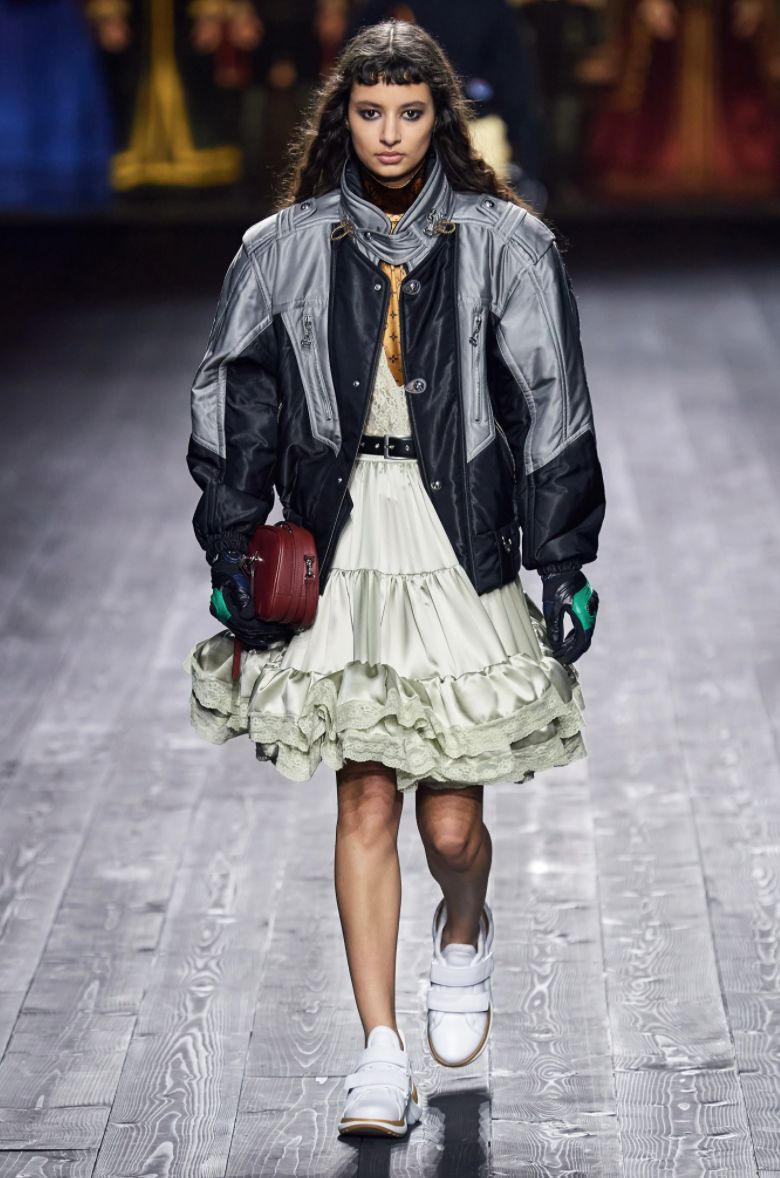
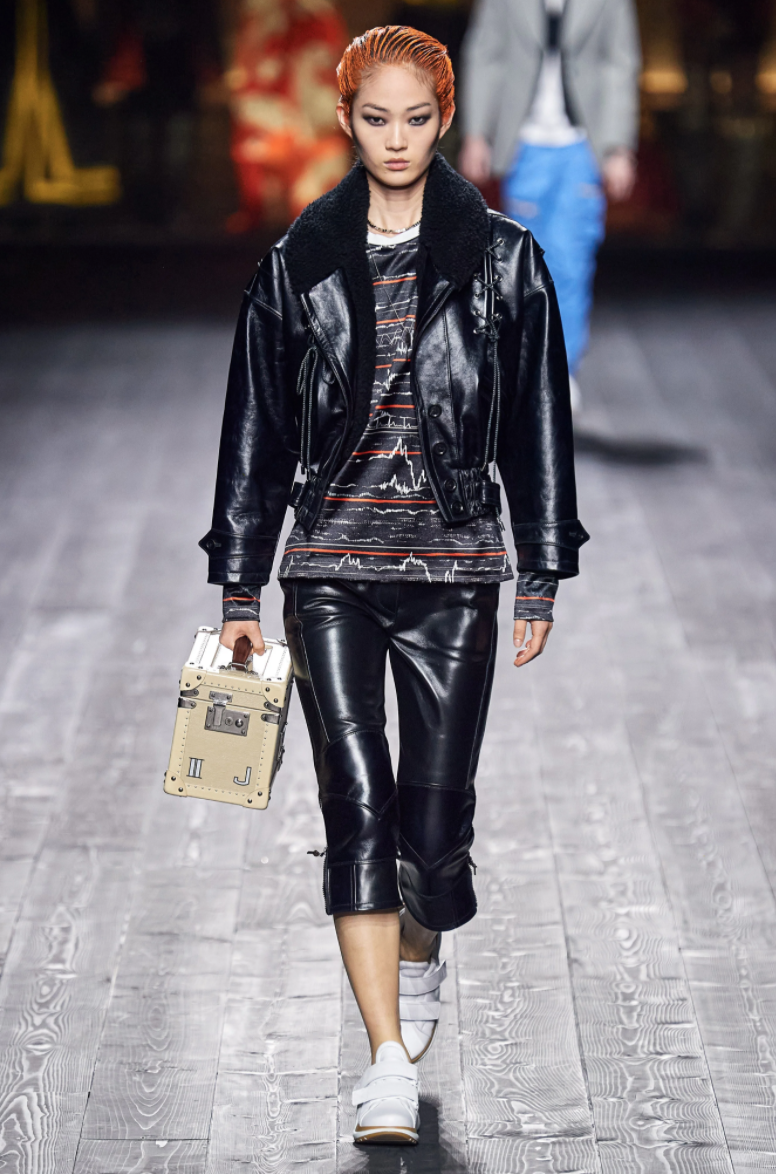
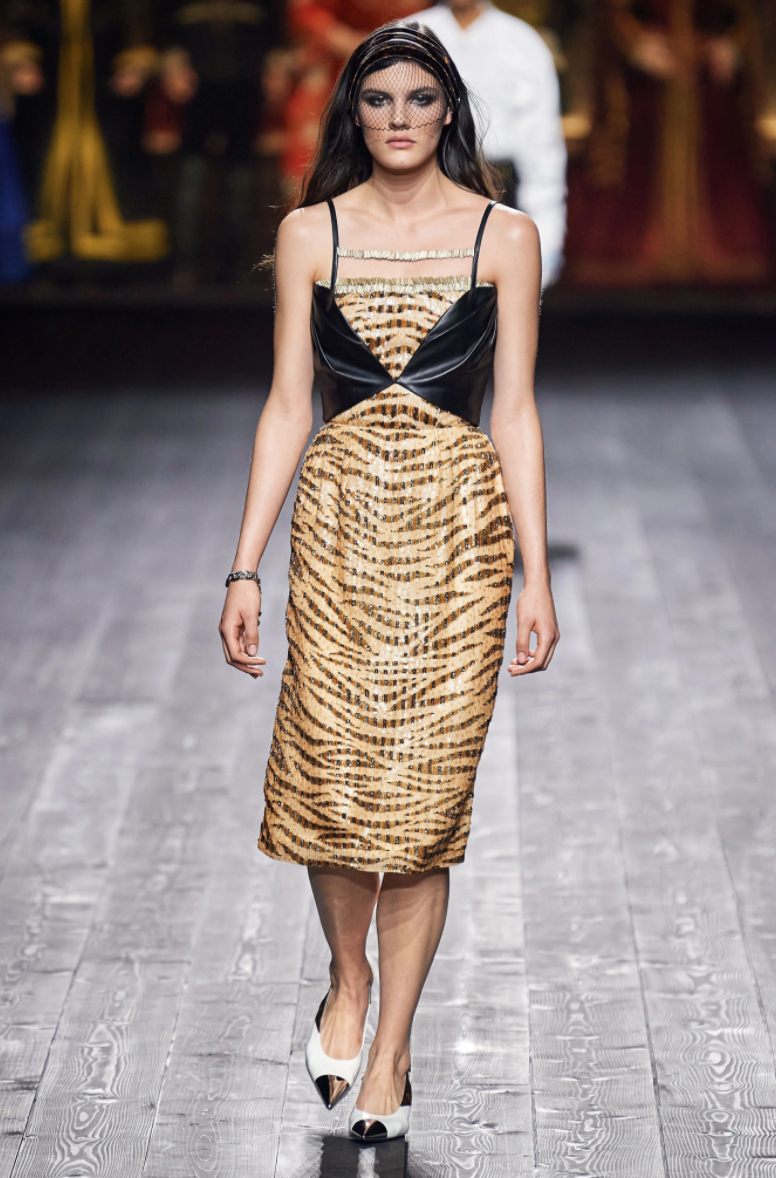
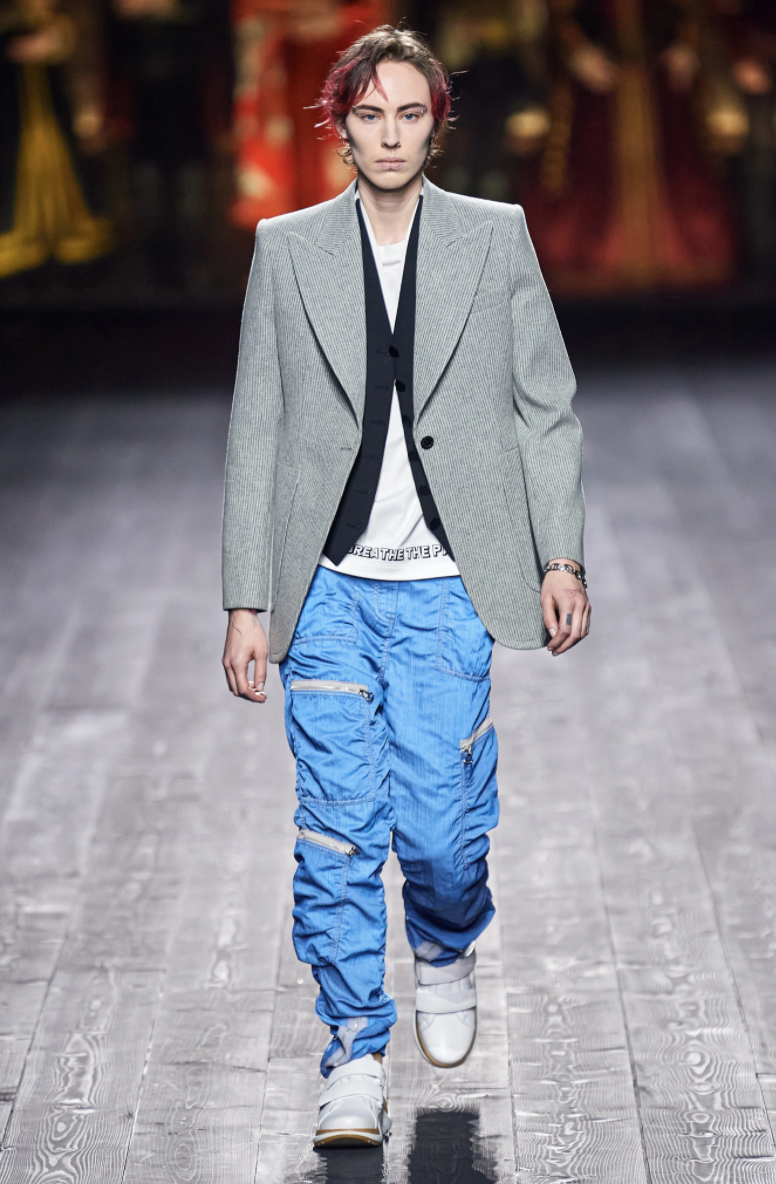
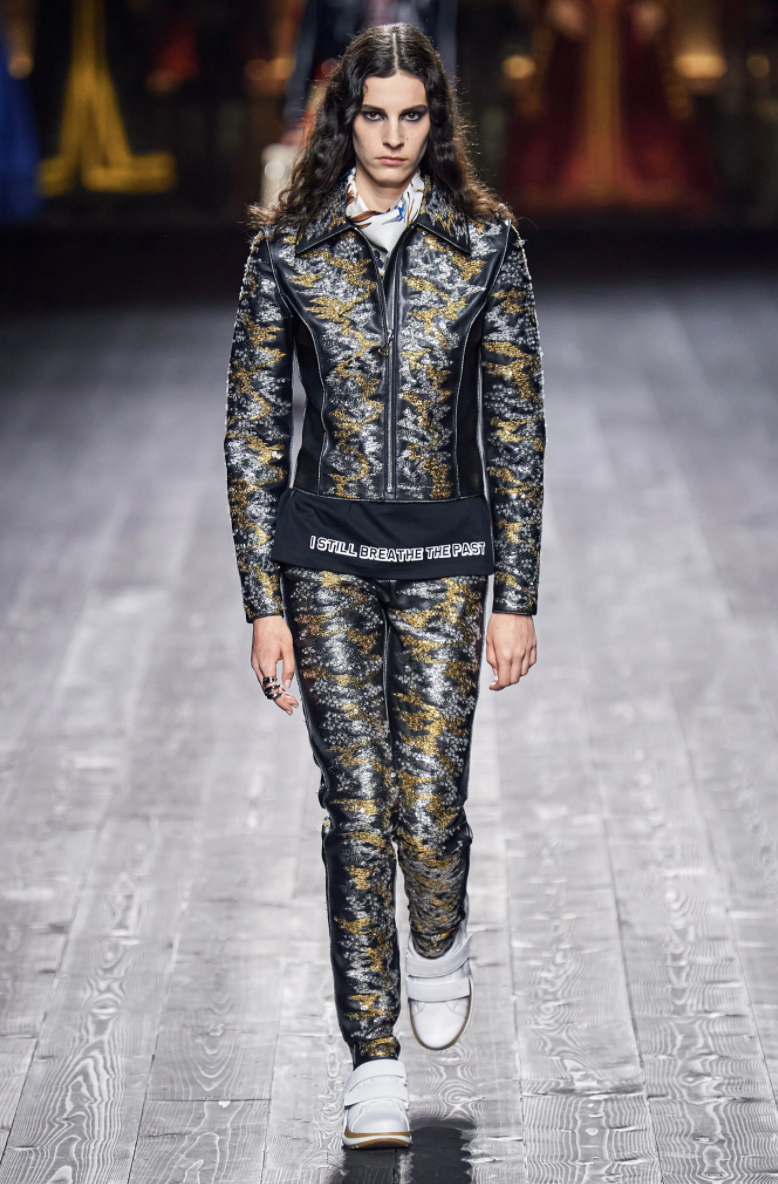
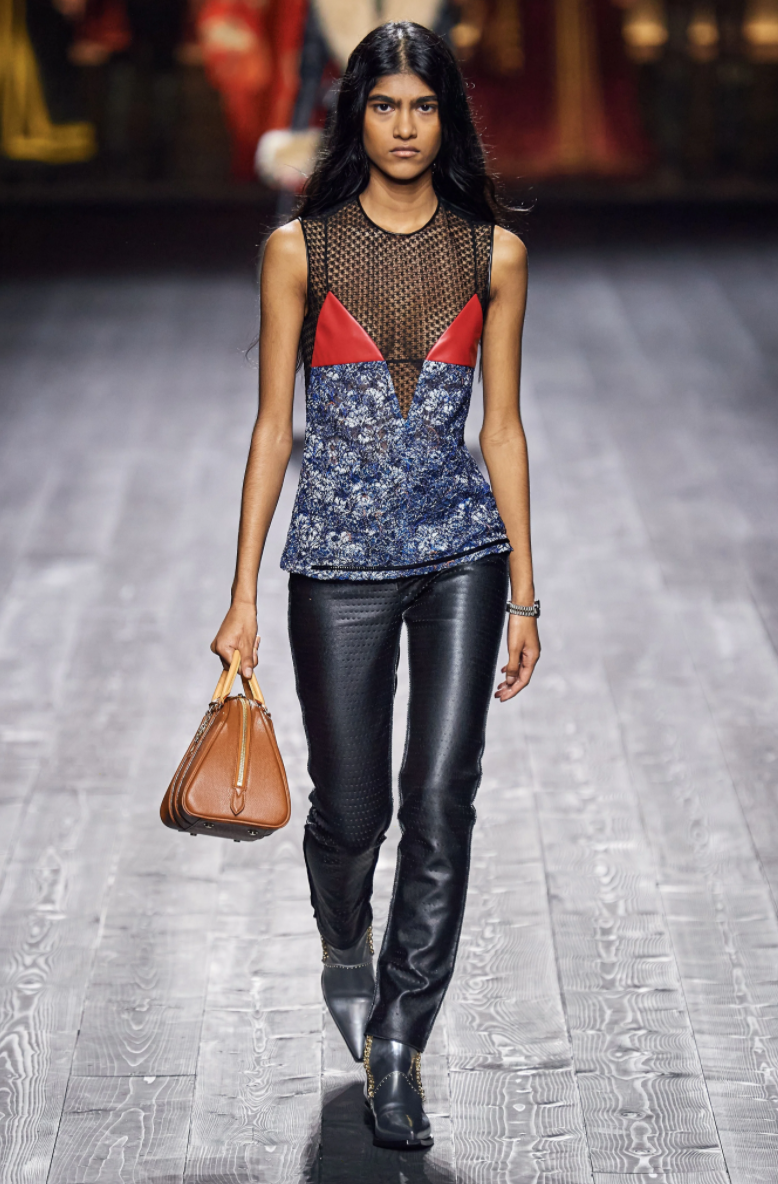
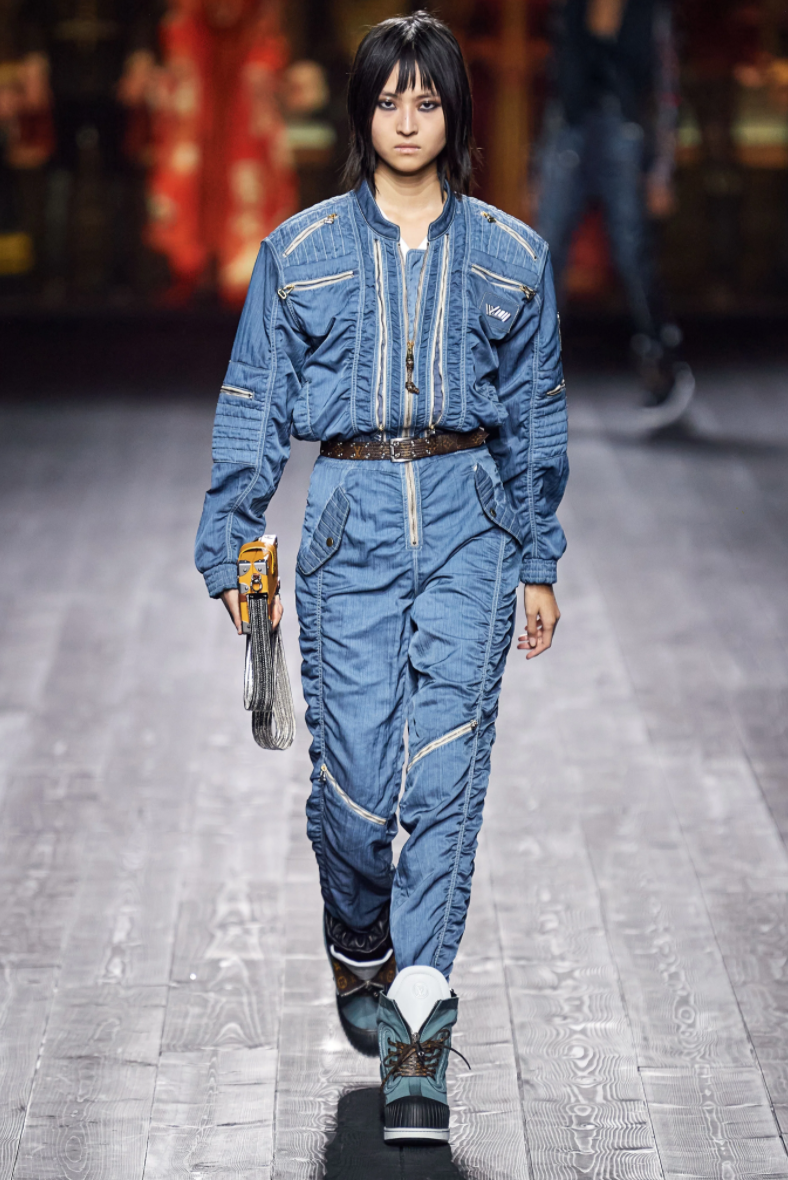
Louis Vuitton Fall 2020 Ready-To-Wear

“I wanted to imagine what could happen if the past could look at us.”

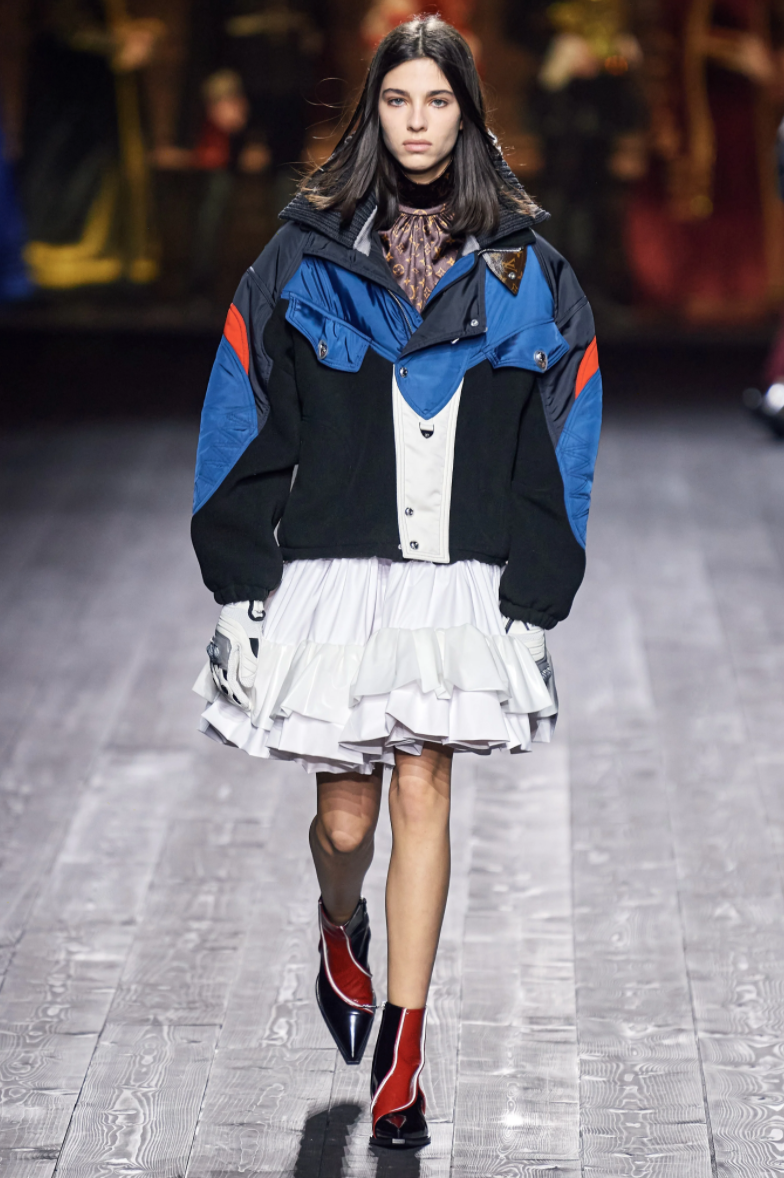
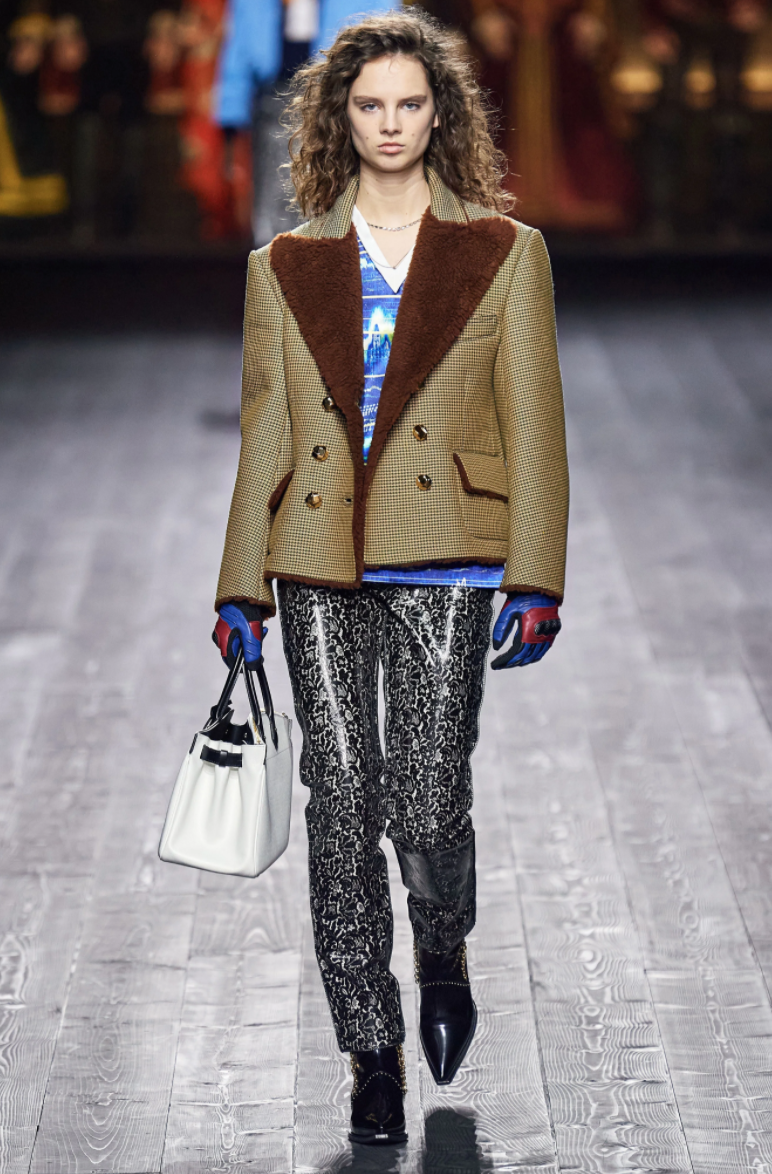
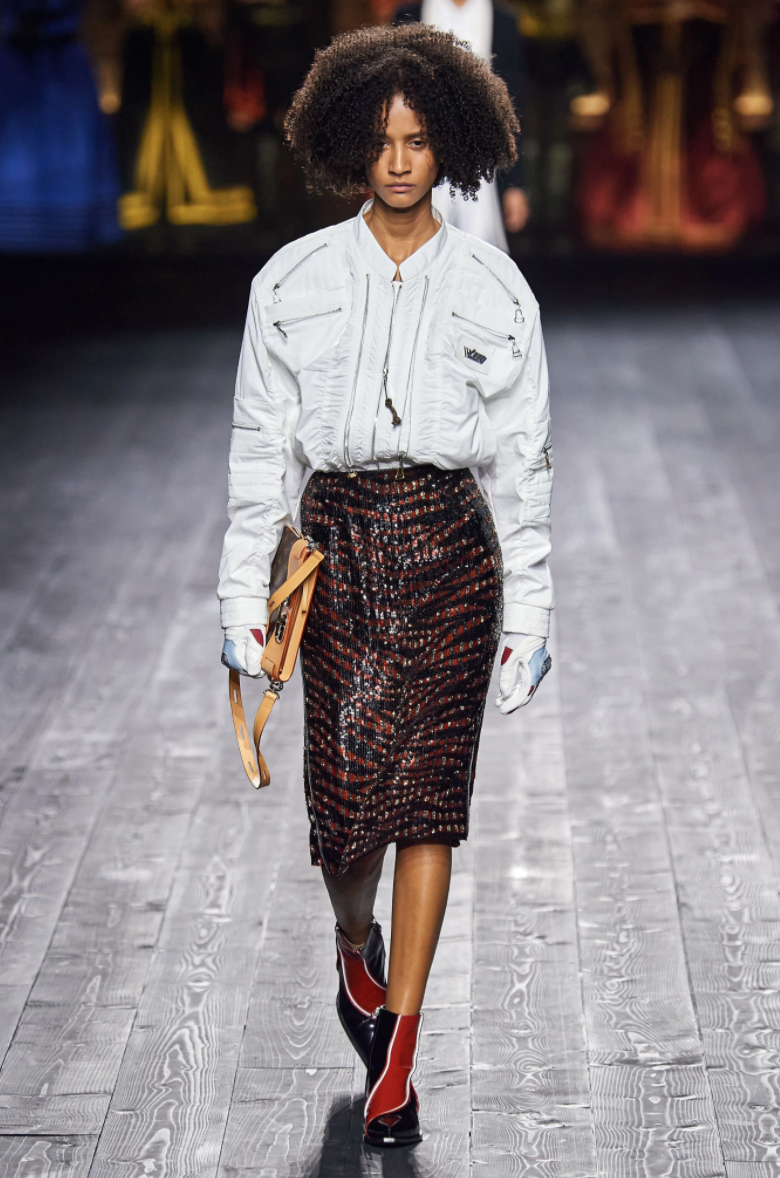
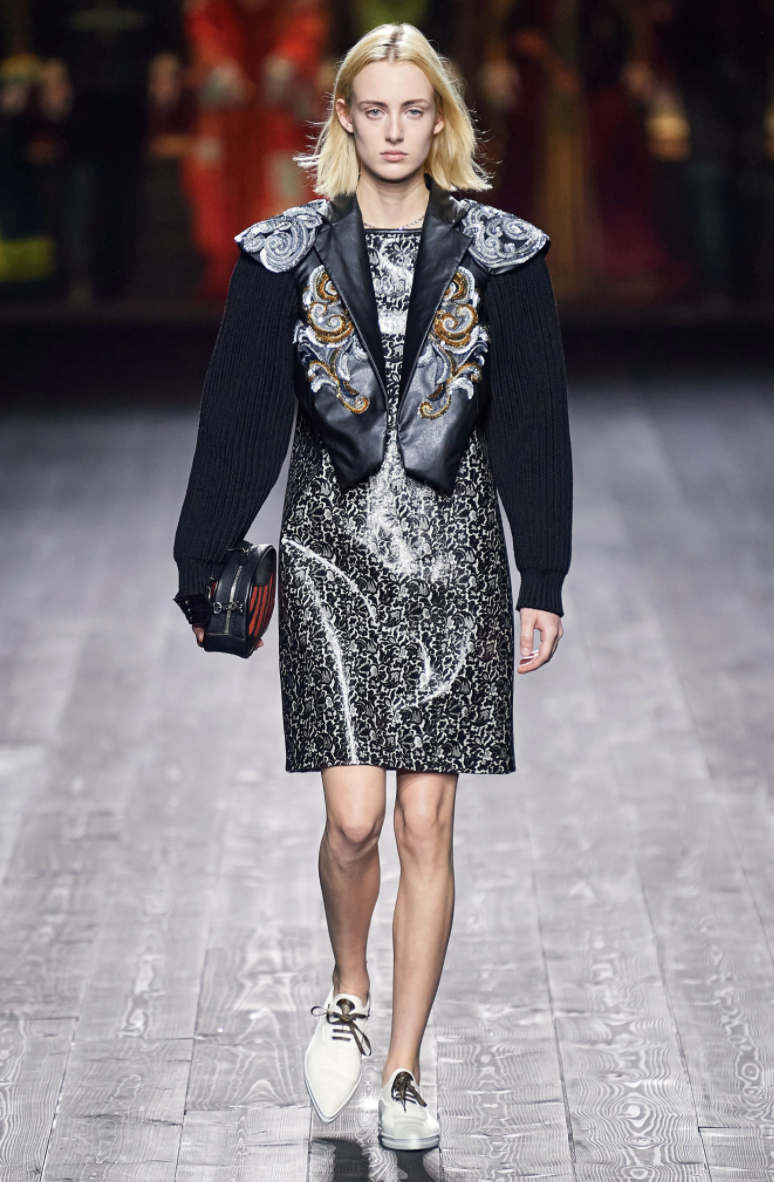
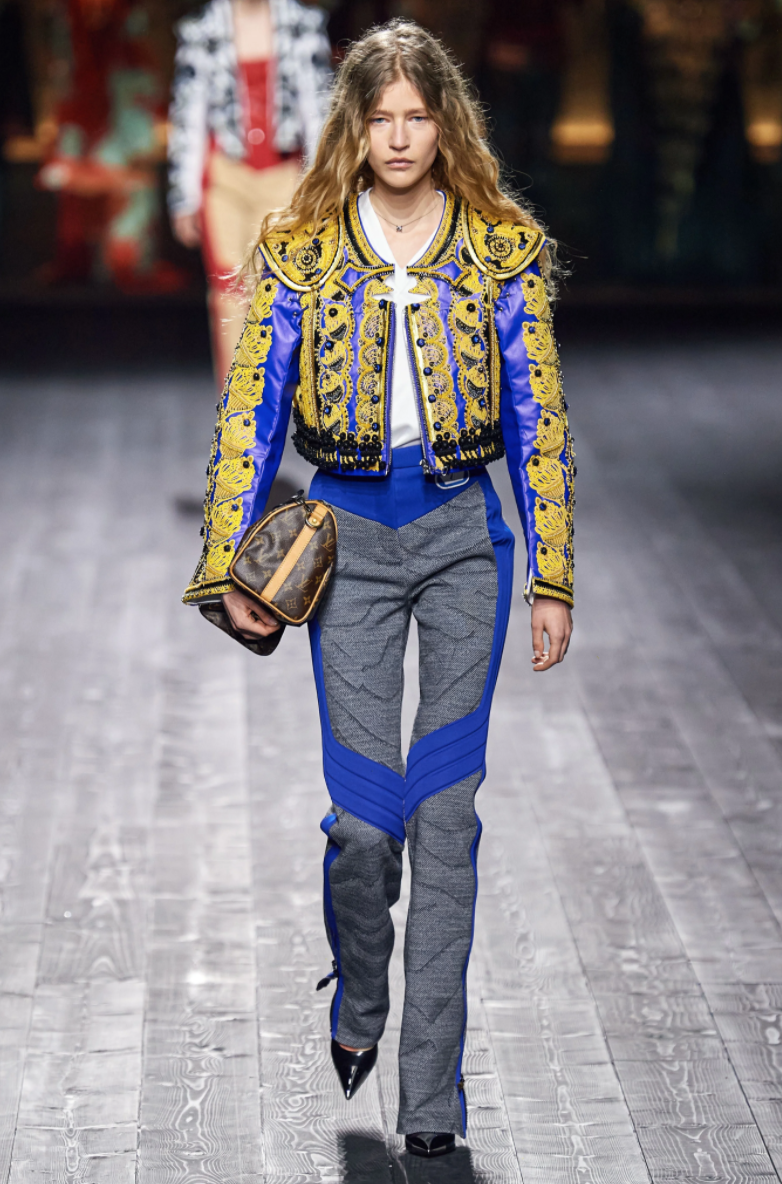
Nicolas Ghesquière is the cohost of this May’s Met gala (since then cancelled) and Louis Vuitton is sponsoring the Costume Institute exhibition, “About Time: Fashion and Duration,” that the gala celebrates. Ghesquière took as his subject this season the exhibition’s theme: that fashion is a mirror of the present moment—but not any old mirror. At Ghesquière’s Louis Vuitton, it’s a funhouse mirror in which eras, attitudes, and flashbacks intersect. And voilà: we flash forward.

This season Ghesquière enlisted the costume designer Milena Canonero, a frequent collaborator of Stanley Kubrick’s, to create a monumental backdrop of 200 choral singers, each one clothed in historical garb dating from the 15th century to 1950. It was a mammoth undertaking, and quite beautiful. “I wanted a group of characters that represent different countries, different cultures, different times,” Ghesquière explained beforehand. “I love this interaction between the people seated in the audience, the girls walking, and the past looking at them—these three visions mixed together.” The time-collapsing sensation was heightened by the fact that the song the chorus performed was a composition by Woodkid and Bryce Dessner based on the work of Nicolas de Grigny, a contemporary of Bach’s who never found fame.

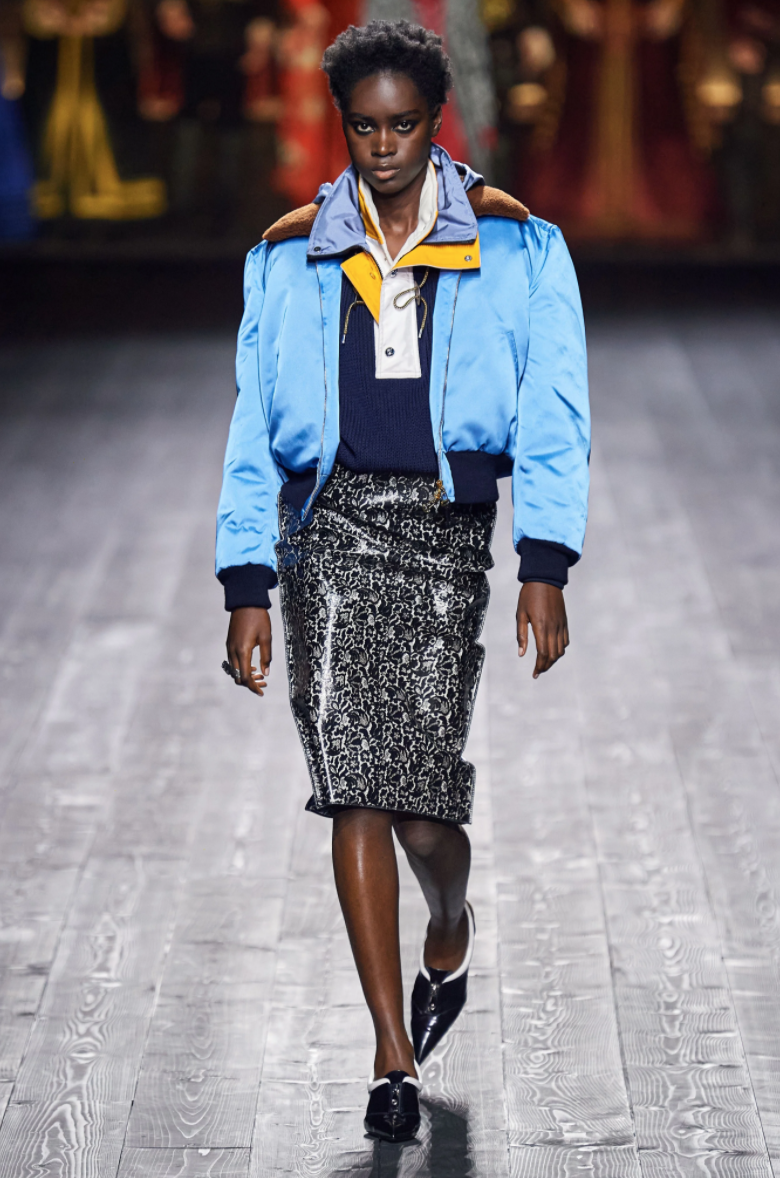
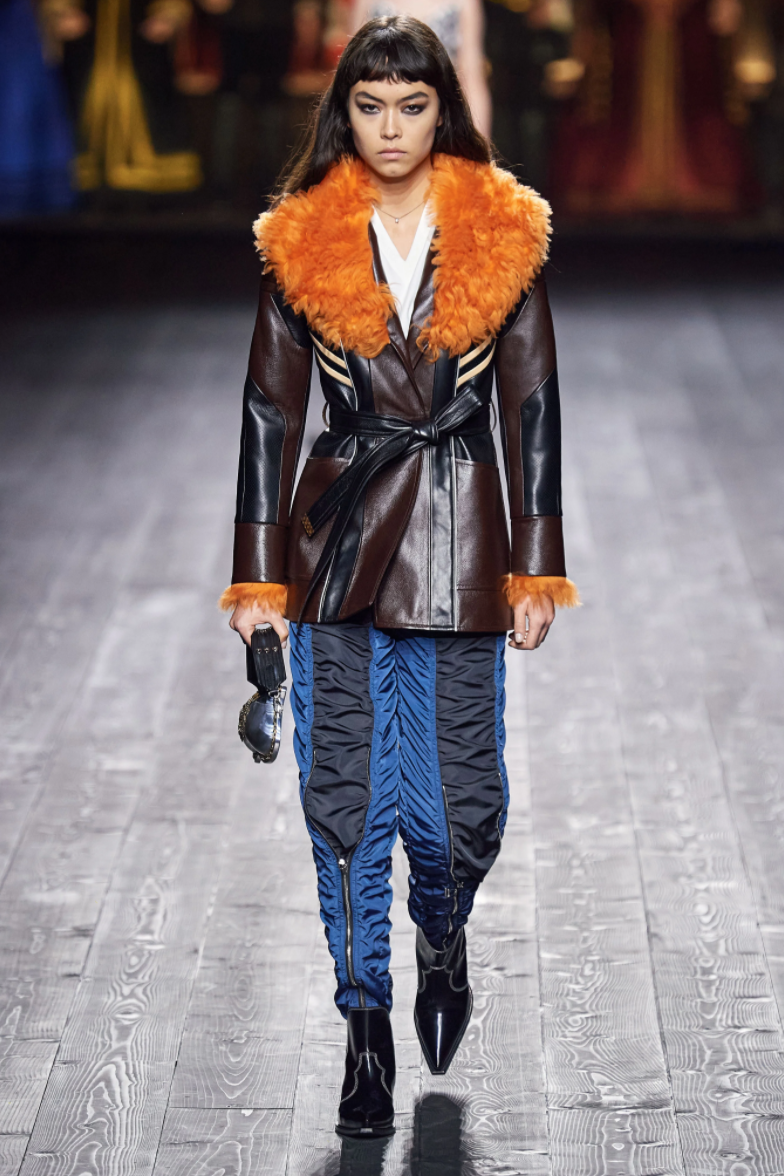
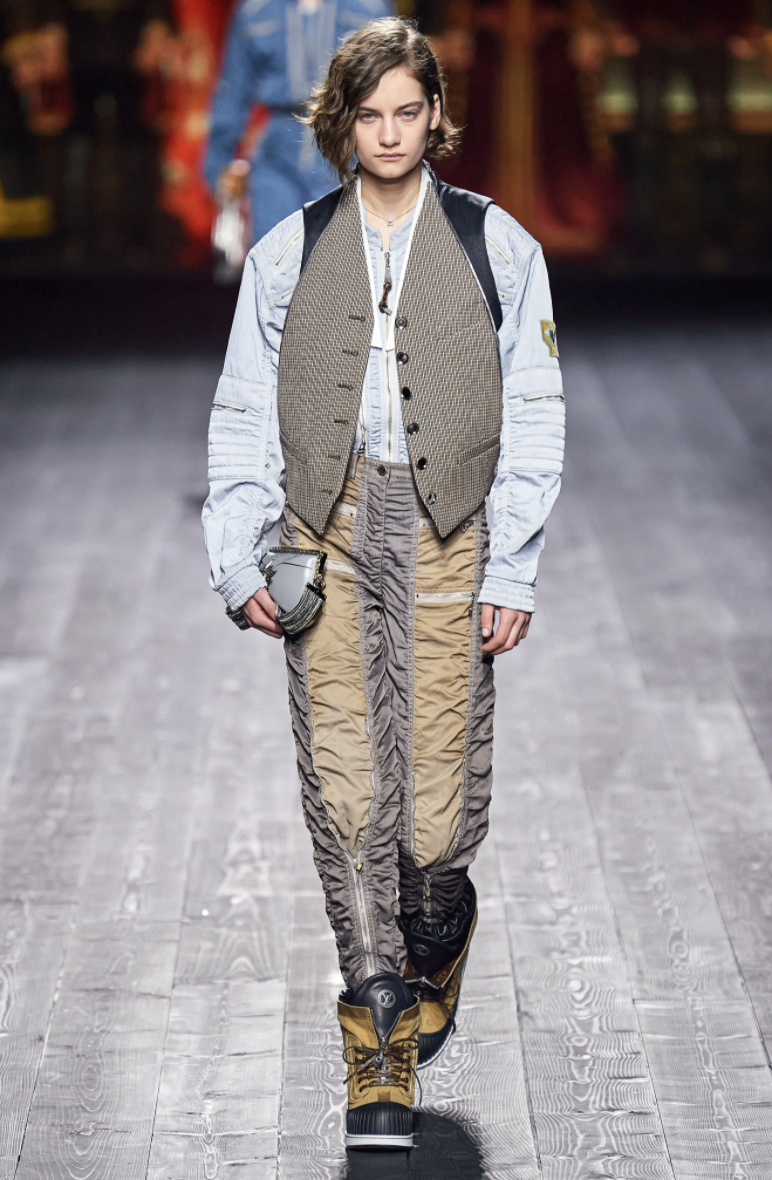
Arguably, all of fashion is a synthesis of the past, but Ghesquière makes a closer study of it than most. He’s compelled by the anachronous. For spring 2018, he clashed 18th-century frock coats and the high-tech trainers of our contemporary period. Here, there was more in play: jewel-encrusted boleros met parachute pants, buoyant petticoats were paired with fitted tops whose designs looked cribbed from robotics, and bourgeois tailoring was layered over sports jerseys. Ghesquière seemed particularly taken with the visual codes of distance and speed—be it race-car driving, motocross, or space travel.

The biggest jolts came from the collection’s sporty parkas, because they tapped into the language of the street. Seventy years from now, or 600, in a tableau vivant of fashion, the early 21st century will be represented by these signifiers of our collective preference for the comforts and ease of performance wear. Ghesquière has long been applauded for his sci-fi projections into the unknown, but he’s just as resonant when he’s locked into the here and now.

We asked him what his hopes are for the future. “What I want is everyone to be safe,” he said. “This world can become a little more serene, that’s what I wish.”

Source: Vogue

FASHIONADO

The Future of Fashion is Digital?

One thing is clear, this pandemic is not only reseting it’s also changing, evolving and developing the way we function professionally. On the other hand, it is unclear of the direction fashion designer will adopt when presenting their new collections. Remember when Viktor & Rolf went runway digital for Spring 2009? Is this the future of fashion shows? We, personally, love the energy and excitement of watching live runway. It’s about the experience, right? It’s a controversial topic. In the article below, WWD dives in deeper into the matter:

Fashion is finally hurtling toward digital shows.⁣

No need to shell out thousands for a great mixed-reality headset just yet. But make no mistake: Fashion needs to get up to speed, quickly, with alternatives to IRL fashion shows as the coronavirus pandemic scuttles international fashion weeks, laying bare the pitfalls of physical prototyping and large gatherings.

So recommend pioneers of digital fashions and models, whose inboxes are bulging with inquiries as brands and designers mull alternatives to the usual 15-minute runway romp.

“People are beginning to question the reason for a physical show and the value of a physical show when the technology exists to reach a much bigger audience through a digital space,” commented Matthew Drinkwater, head of the Fashion Innovation Agency at London College of Fashion.

“It’s a very new business. It’s about how you utilize all the digital channels that exist, and how you connect all those together,” Murphy added.

Unable to proceed as normal, Shanghai Fashion Week recently unfurled its first digital edition, hinged mainly on livestreams of modeling, discussions and QVC-like selling segments, while Helsinki Fashion Week, which has a sustainability bent, just revealed its next edition in late July will move to cyberspace, including virtual reality experiences.

While experts agree the sky’s almost the limit with current digital capabilities, most fashion brands are likely to focus on simpler solutions like livestreams.

Since men’s fashion weeks in New York, London, and Paris have been scuttled for June — Italian men’s designers plan to move their shows to the women’s fashion week in Milan in September — as has the couture week in July in the French capital, brands have yet to indicate contingency plans.

“Livestream to me is a tiny little baby step toward what digitization means. It doesn’t innovate,” lamented Murphy, who specializes in digital clothing, which people can take for a trial run this month on his beta site digital.fashion. Ten thousand visitors can quickly create an avatar of themselves, try on virtual garments and strike a pose.

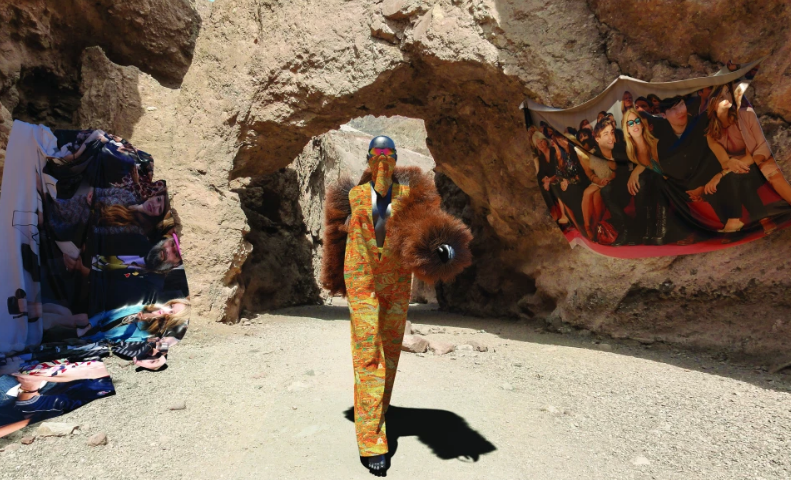
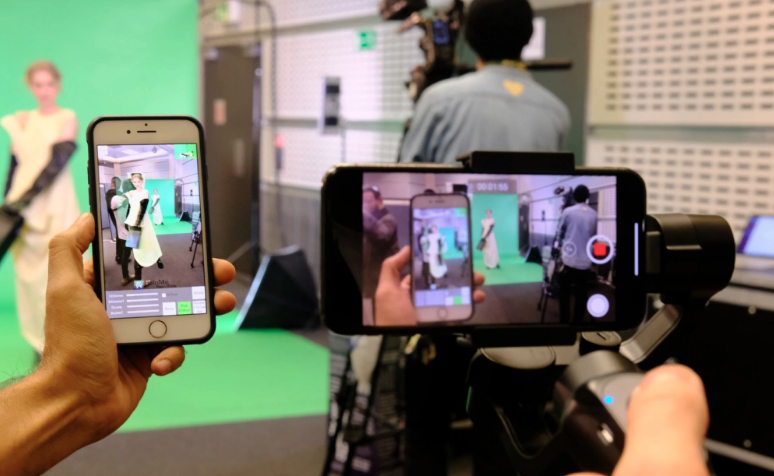
Drinkwater suggested adding an augmented reality layer to livestreaming. Last year, LCF did just that with its MA show: Before models stepped onto the catwalk, they moved in front a green screen and that was broadcast live to devices globally. Viewers could view the model in whatever setting they were experiencing in real time: a street-scape, living room, or snowstorm.

“We did that as a closed test, on a few devices as it was leading-edge technology,” Drinkwater said in an interview. “That has the potential to scale up to millions of people around the world,” especially as 5G mobile networks become more common.

Further along the technology spectrum, designers still creating physical prototypes can capture a realistic 3-D scan of the garment on a mobile phone, which takes about two minutes to accomplish “and then you can virtually try that garment on elsewhere,” Drinkwater said. “You could begin to get to the place where it becomes simple to create and place 3-D models into AR, VR and mixed-reality options.”

He noted during the last fashion season, designers including London-based Steven Tai experimented with “interactive look books,” allowing buyers to view garments via 360-degree videos.

According to Murphy, the digital space allows for complete freedom to rethink the look and feel of all online channels, noting e-commerce is visually “boring” with garments laid flat or on hangdog models standing against a white background.

“Why can’t the e-commerce experience actually be the catwalk experience? It think that’s the future of e-commerce — it’s connecting those two different touchpoints and making a unified experience out of it,” he said.

Murphy’s firm has made digital clothes for clients including Puma, A Bathing Ape, Tommy Hilfiger and Soorty, a sustainable denim mill. These are used mainly for marketing and communication purposes, but The Fabricant has also sold a digital-only couture dress for $9,500.

He forecasts wider adoption of avatars and digital clothing purchases as our online identities become more important. He pointed to popular memes showing how people portray themselves very differently: trendy for Instagram, casual in Facebook and serious for LinkedIn. Why not a digital Zegna suit for the latter, and something sporty and casual for the former platforms?

“It’s just a transformation that’s happening, and it’s moving towards the digital space,” Murphy said. “Older consumers won’t care. The younger consumer is completely sold already and would rather spend their money on buying skins on game night than going to the store to buy clothing for their physical lives. It’s gonna be a generational change.”

He noted that Fortnite, one popular online game, has generated up to $300 million in a month, with about 60 percent of revenues coming from “skins,” the clothing worn on games.

Murphy stressed that digital won’t completely replace physical fashions, stores or experiences, but “add value to and transform our physical lives.”

A diverse cast of striking digital models are at the ready to walk virtual runways, thanks to Cameron-James Wilson, a photographer who founded The Diigitals, an avatar agency that’s home to Shudu, billed as the world’s first digital supermodel.

Wilson thinks the industry is still three to five years away from wider adoption of 3-D design methods, and using digital models is “not any easier or cheaper at the moment.” But he wanted to be be ahead of the curve because “it can be very hard to inspire fashion brands to adopt the 3-D process without showing them the end result,” he said.

The Diigitals is expanding and diversifying its roster of avatars, and developing demos for social media channels — one to show what future runways might look like, projecting the technology into the future. “We’re like the ‘Black Mirror’ of fashion in a certain way,” Wilson said, referring to the Netflix series that projects how technology might change our lives in the not-to-distant future.

These digital proponents cited multiple barriers to wider adoption of digital fashions, the most overriding one being that fashion remains tethered to traditional manufacturing and showcasing methods, and lacks the skill sets for more digital  creation.

There is also some trepidation about the ability of digital alternatives like virtual reality to convey the emotion stirred at the best live fashion experiences.

Students at LCF are working with 3-D design software — primarily Browzwear, Optitex and clo3D — and wider adoption of these tools will lead to an enormous shift. “The benefits of working in 3-D are really so significant the industry simply can’t ignore it. There is so much waste in physical prototyping,” Drinkwater argued.

What’s more, technology allows anyone to “create virtually things that are physically impossible to create. If you are creating a show in virtual reality, you have no physical restrictions on the way in which you create the environment, and you’re able to present your brand in a way which completely amazes and astonishes consumers. This is the opportunity that the industry should be seizing upon, rather than going into defensive mode.”

Beyond 3-D design, the fashion industry could look to the movie and gaming industry to acquire talents in VR, computer-generated imagery and compelling storytelling, Drinkwater recommended.

He pointed to closer collaboration between those industries and fashion in recent years, with Nike and Louis Vuitton collaborating with the games Fortnite and League of Legends, respectively, and also selling skins and digital shoes as an additional revenue stream.

Evelyn Mora, founder of Helsinki Fashion Week, said it will take time for the fashion sector to learn how to interface with the tech and digital industries.

“There is a language barrier here,” she said. “It takes a long time to make an avatar, it takes a long time to digitize something well.”

In a broader sense, fashion and luxury companies tend to be perfectionists, and not used to trialing, failing and moving on, as start-ups and high-tech firms do.

“Luxury ones are hardest to change because they’re so comfortable in the way things are right now,” said Murphy.

Indeed, in order for fashion to pivot, “the digital experience needs to be better than the physical experience, otherwise people are not going to want to change,” he said.

While few brands and designers are likely to make the full leap to digital, Murphy said all could invite a 3-D designer to collaborate with a traditional one “and see where that goes. To create that culture is challenging, and it requires people willing to take risks.”

The last-minute nature of designer collections has been another barrier to digital adoption. Murphy said he was approached last year by a luxury brand keen to do digital renderings of its 43-exit collection — asking three days before the runway lights were to go up. The time required to create high-quality digital imagery would not allow him to do even one look to his satisfaction. Discussions continue with the brand, Murphy noted.

Wilson suggests designers and brands reproduce some garments in 3-D to get a feel for how they look and function, “But there are only so many baby steps you can take before you make that big leap.”

They can also turn to any number of companies that advise brands on 3-D transformation such as PixelPool, PI Apparel or Stitch, the tech incubator Hilfiger founded in 2018 to speed its transformation.

“You can either be late to the party or you can do it now,” Wilson said. “The barrier is that you have to change your workflows almost completely if you’re moving into 3-D.”

Murphy said digital fashion shows are not cheap, and could easily run into seven figures. But for 250,000 euros, “you can have an amazing digital fashion experience that fits on multiple channels.”

Asked if the viewing audience for fashion shows possesses the right equipment to consume digital ones, Drinkwater said, “In the short term, mobile devices present the largest opportunity simply because of their ubiquity, and their ability to deliver really compelling augmented reality.”

He notes VR goggles are becoming less expensive and more commonplace, with Oculus Quest shifting about a half a million units in the last six months.

While mixed-reality or MX headsets are capable of producing life-size holograms and mind-blowing visuals, those remain expensive — most in the $2,000 to $3,000 — “so it’s still a very small market,” Drinkwater said, noting such equipment is more likely to used for B2B applications.

Several designers dabbled with alternatives to physical shows in the recent past.

Public relations and production firm KCD introduced a Digital Fashion Show Platform in 2012 as an alternative to live shows, the first season exclusive to Prabal Gurung’s collection for Onward Kashiyama’s ICB. It was used primarily to showcase secondary lines, and as a B2B tool: See by Chloe, Pierre Balmain, and Pedro Lourenco were others to try in the next year or two, and then it petered out.

The platform provided all the elements of a live runway show, minus the audience and plus additional content — inspiration videos, hair and makeup inspiration — and the chance to provide feedback. According to KCD, the concept was budget conscious as it didn’t require the same number of models, or a grand location, and could reduce costs by as much as half. But it wasn’t as interactive or as consumer-facing content should be, and at a time when Instagram and YouTube were still newfangled, nascent platforms for fashion.

“Obviously technology has developed dramatically since then,” said Rachna Shah, a partner at KCD and managing director of p.r. and digital. “We are currently taking the concept and retooling it for today’s market and needs….Now digital content can go on so many channels for a brand.”

With less than two weeks since June and July fashion weeks were canceled, “everyone right now is working on finding solutions,” said Alexander Werz, co-chief executive officer of Karla Otto. “We are working on virtual reality concepts right now to support clients on many different levels as this tool can help not only for communication but also on their sales platforms.”

Mora allowed that digital fashion week’s may now seem alien, but could become commonplace. She noted that Helsinki Fashion Week was often scoffed at as that “weird hippy fashion event up north.” But it was prescient in the industry’s widespread embrace of sustainability goals and practices in the following years.

She noted that “quarantine life” has underscored how digital tools were already deeply entrenched in modern habits.

“We buy clothes online, we work online, we date online, everything is online, so why not fashion shows?” she asked.

FASHIONADO

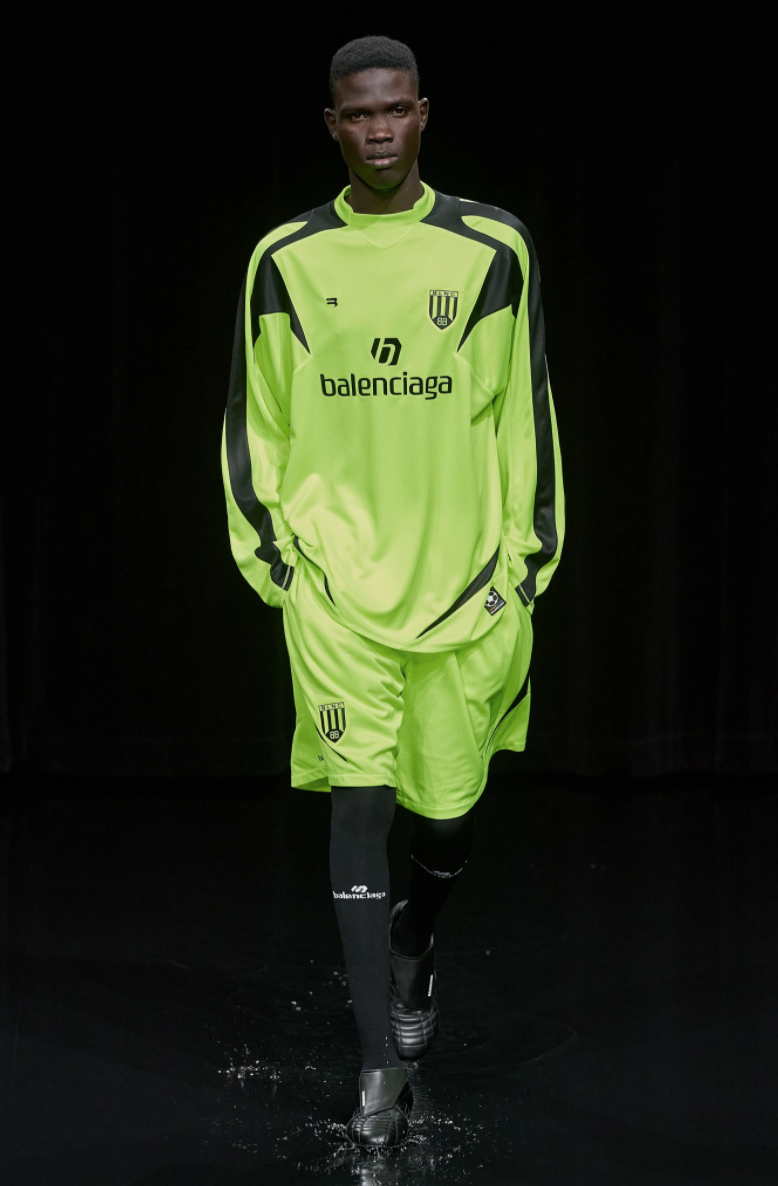
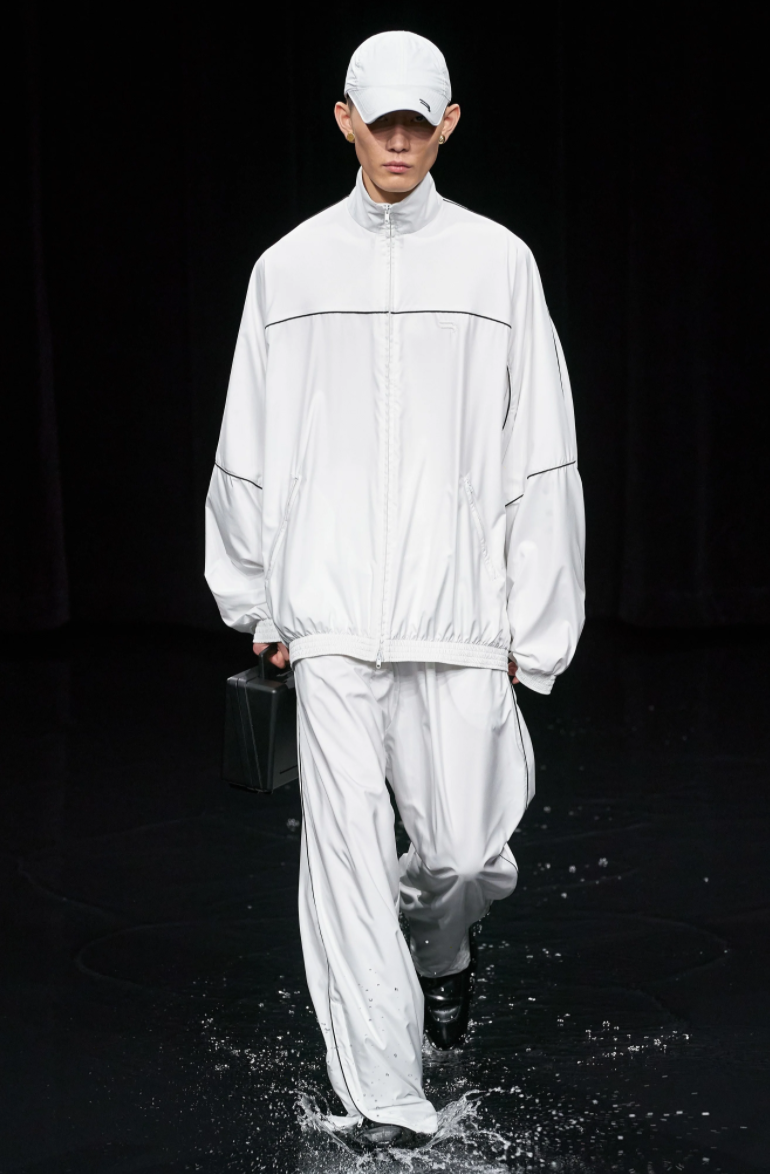
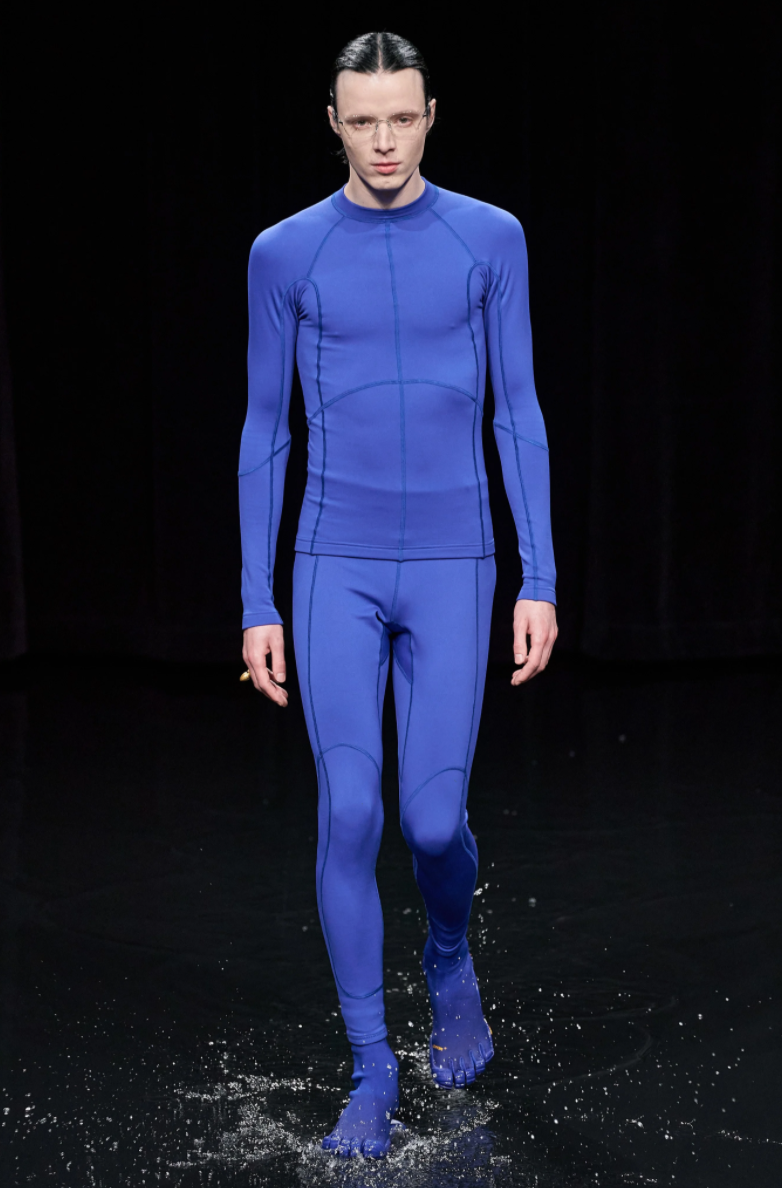
Balenciaga Fall 2020 Ready-To-Wear

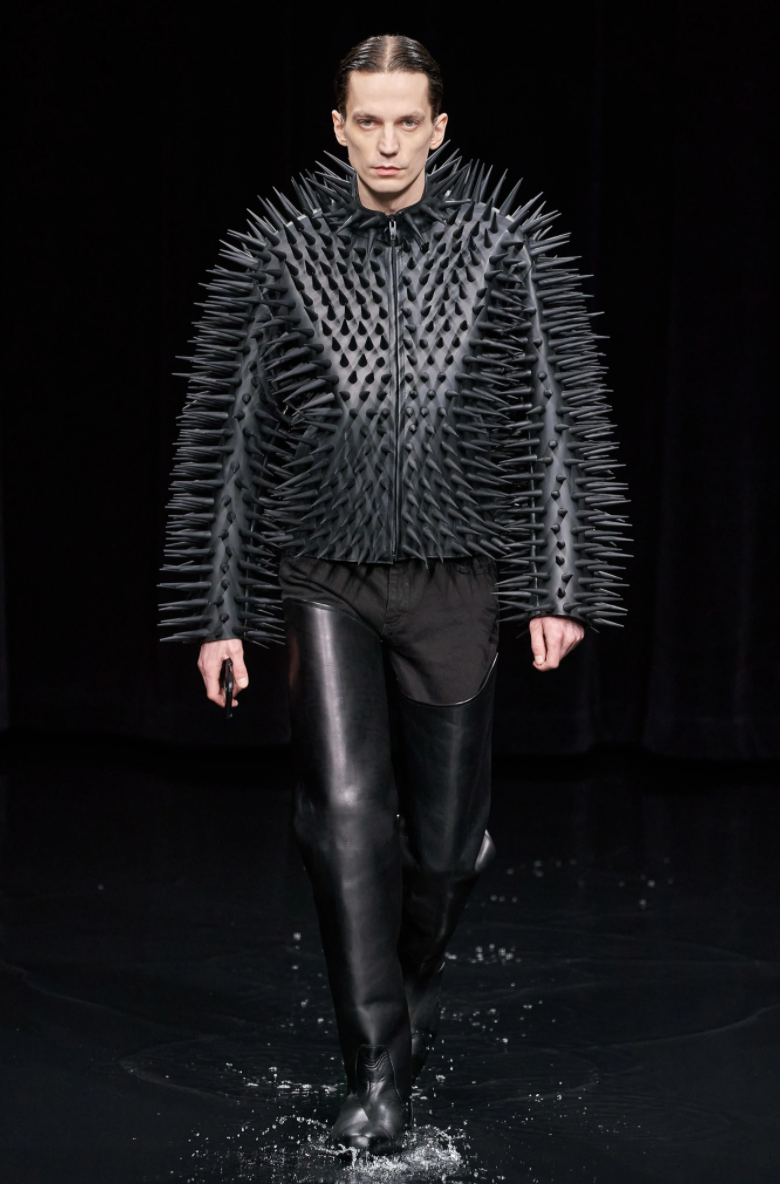
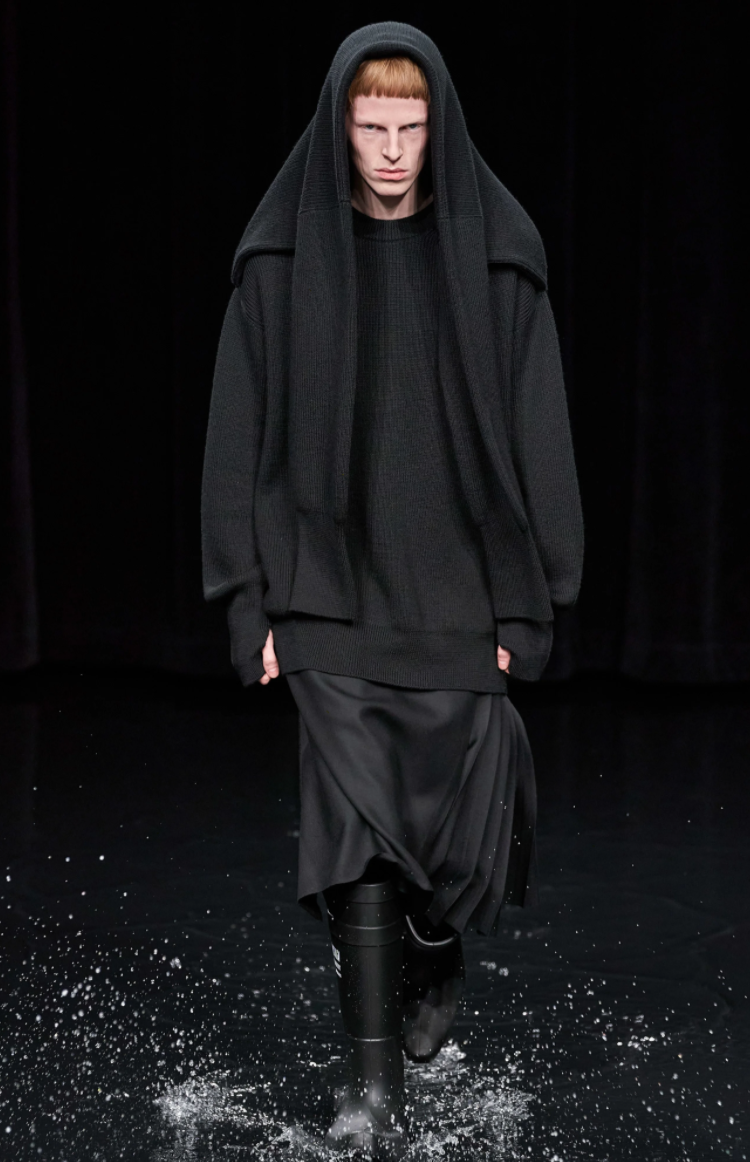
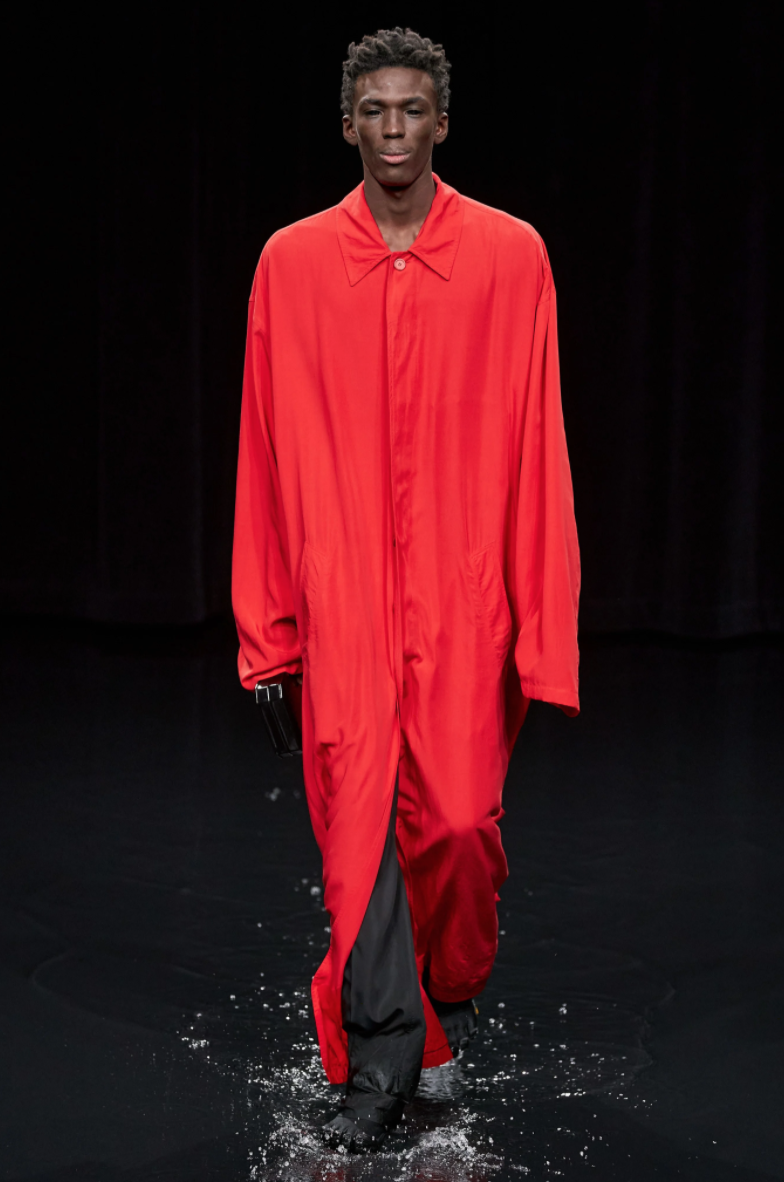
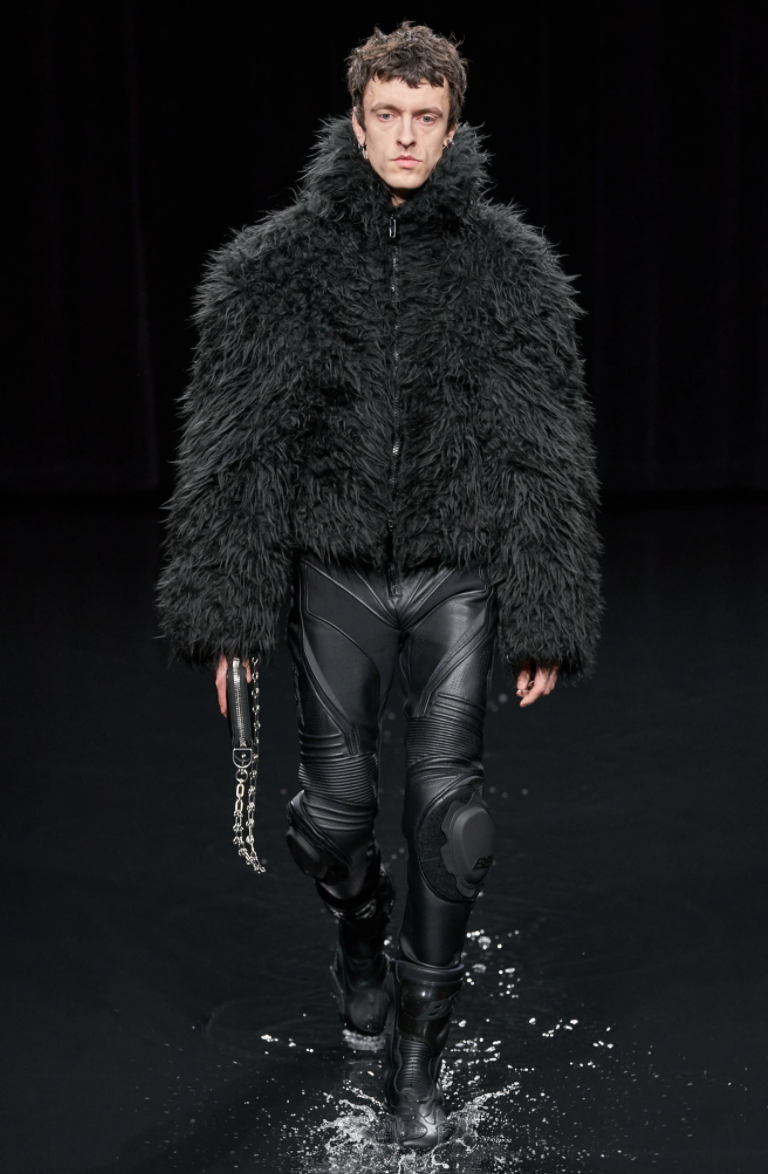
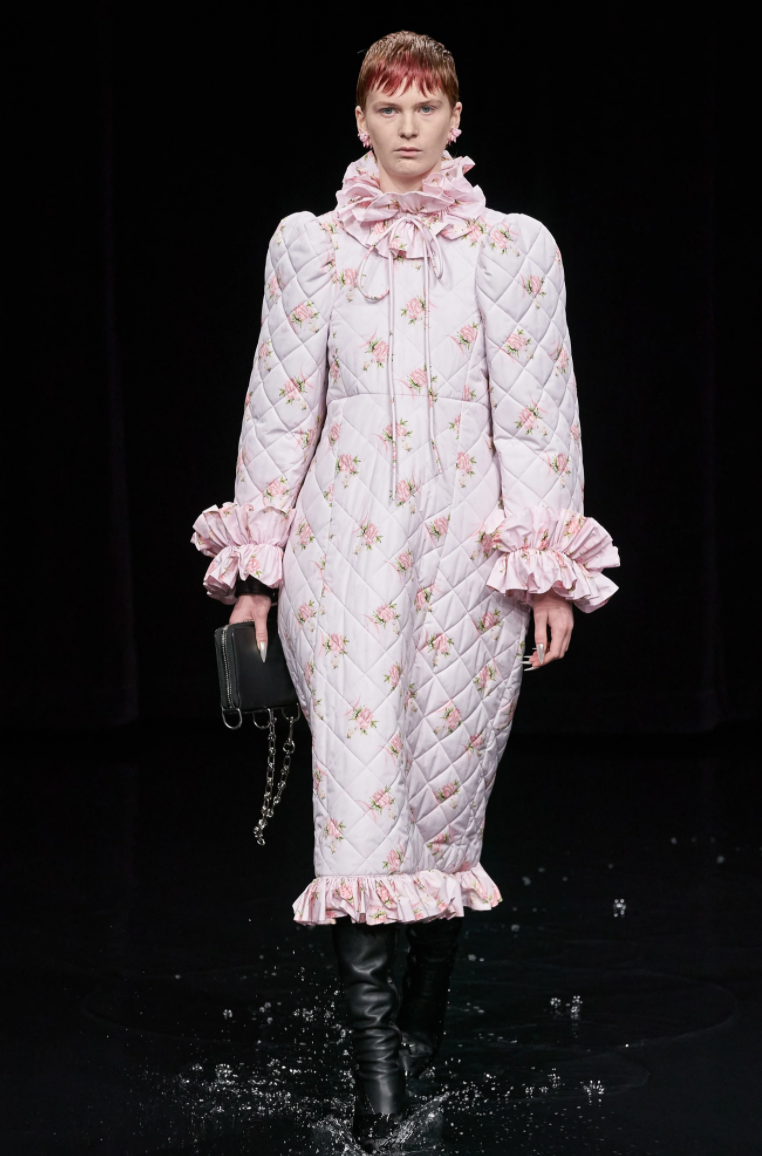
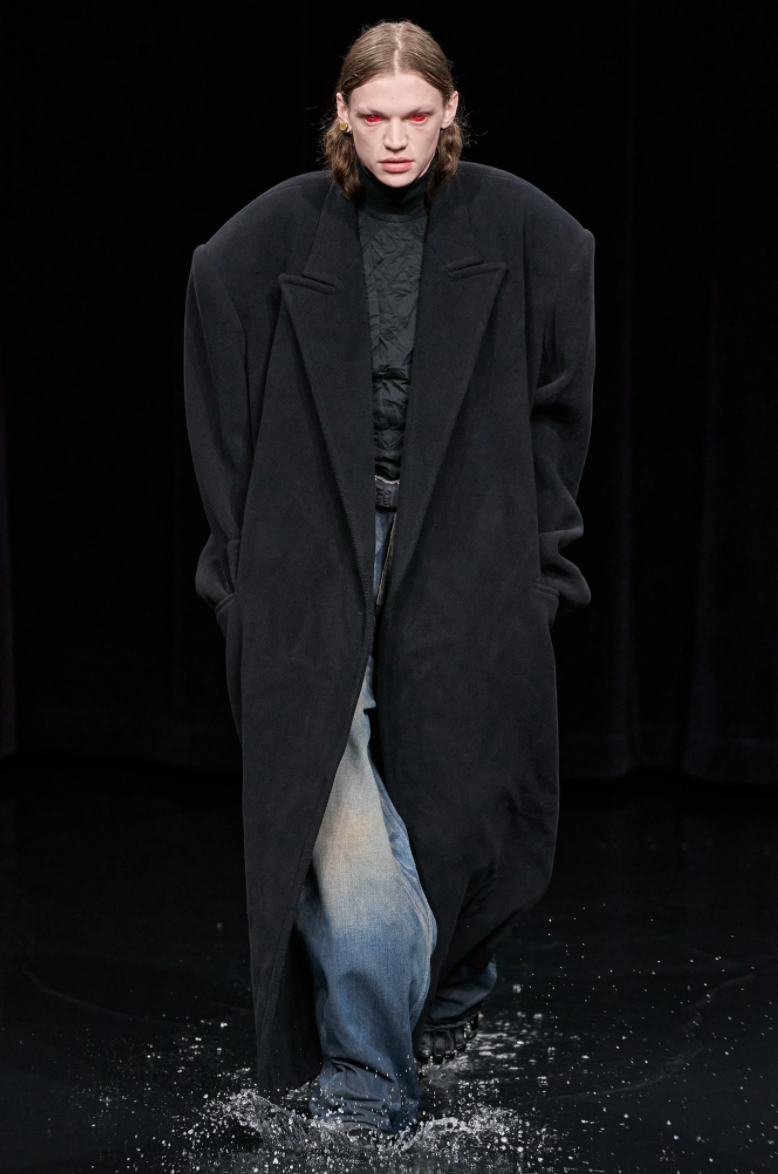
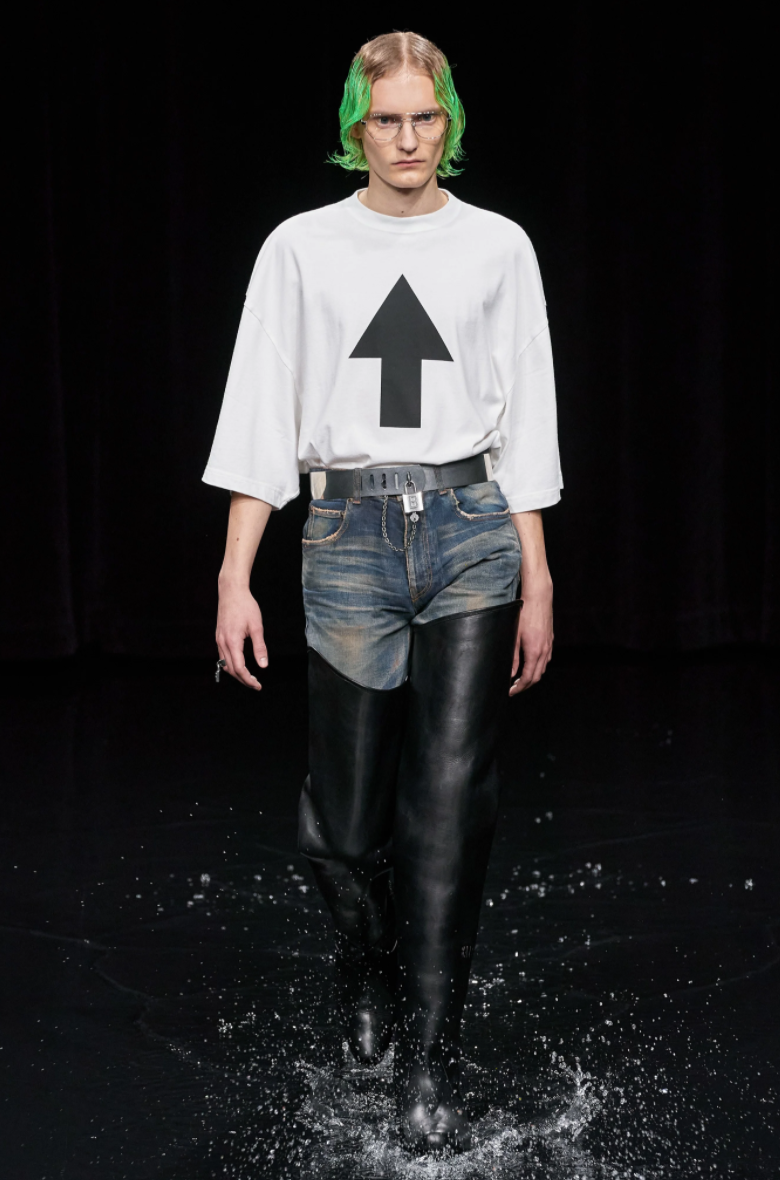
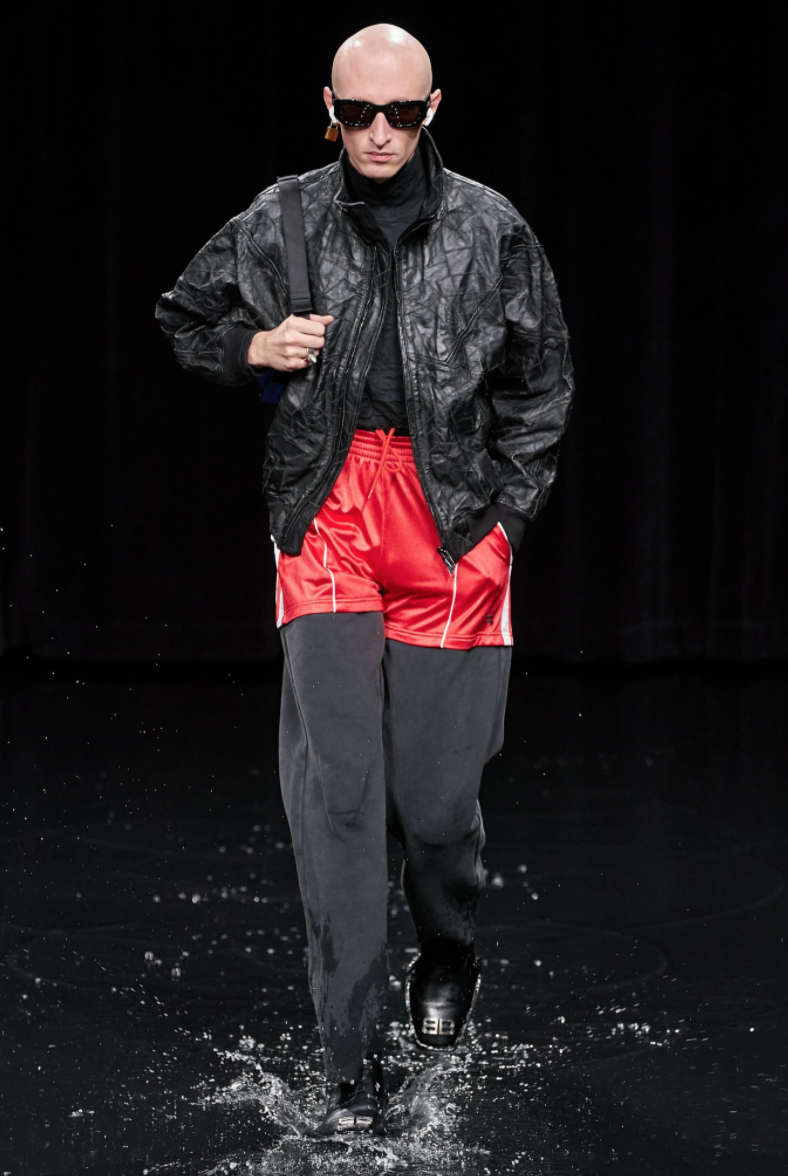
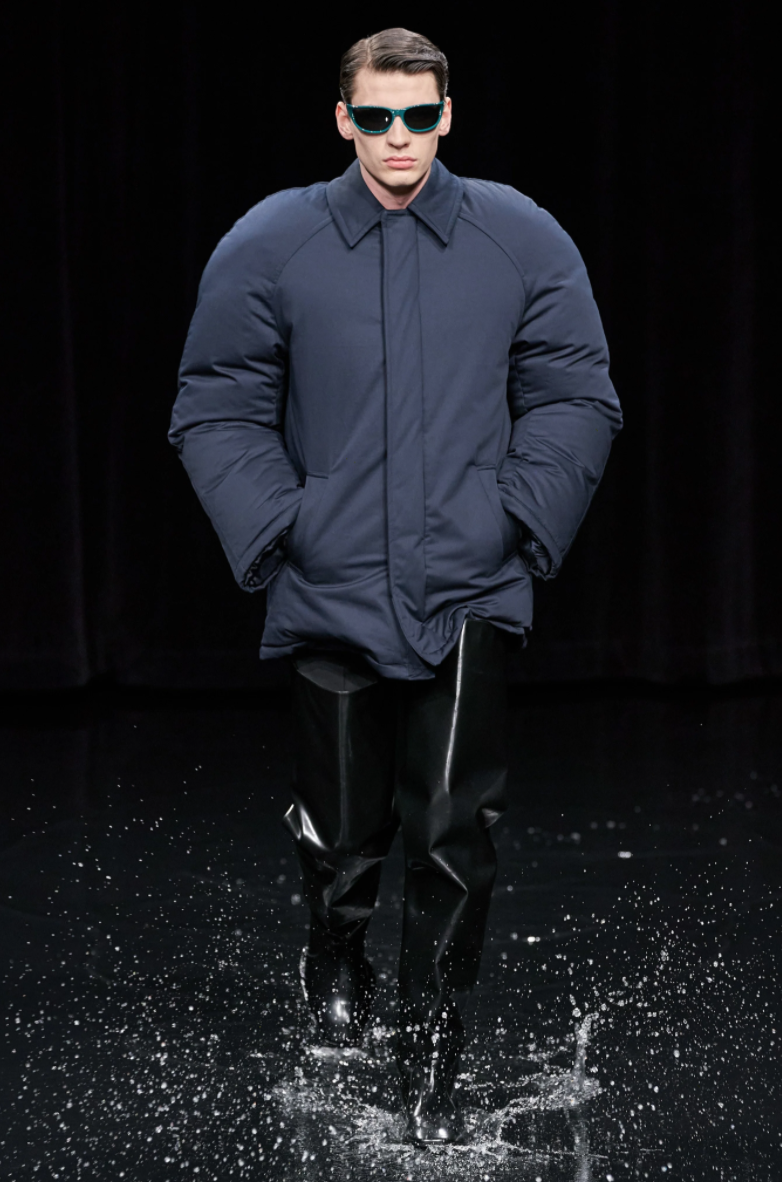
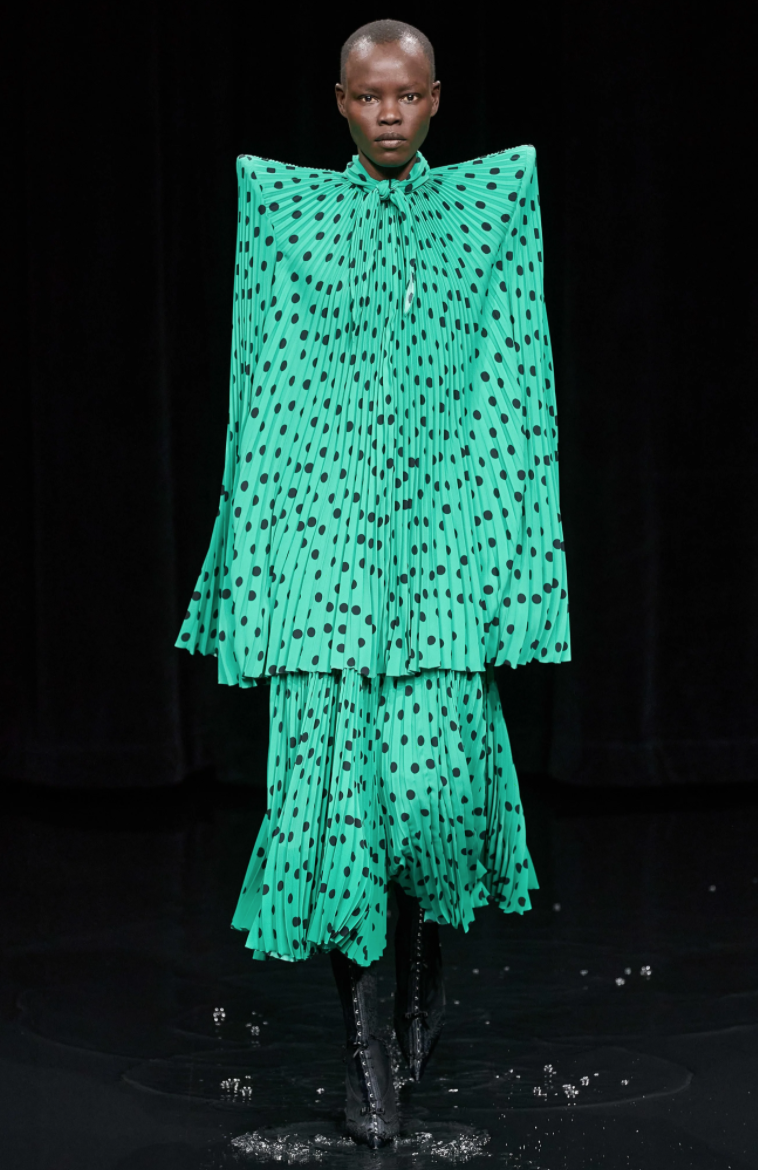
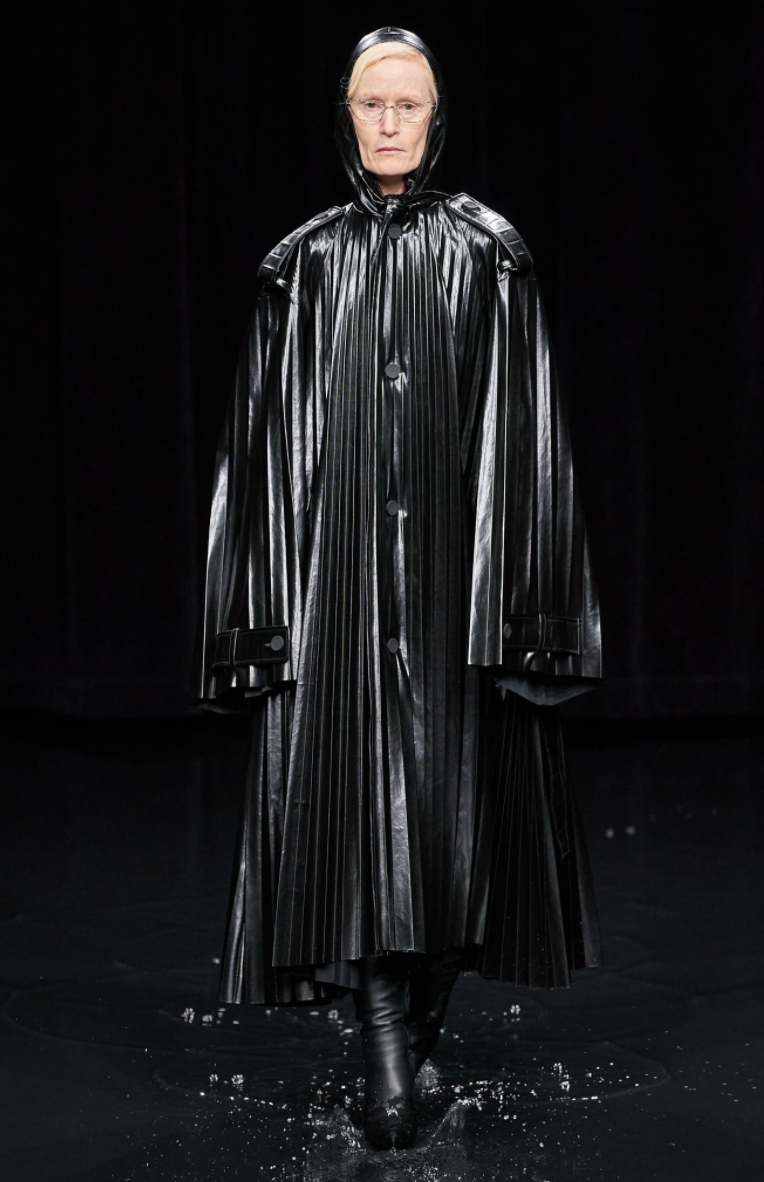
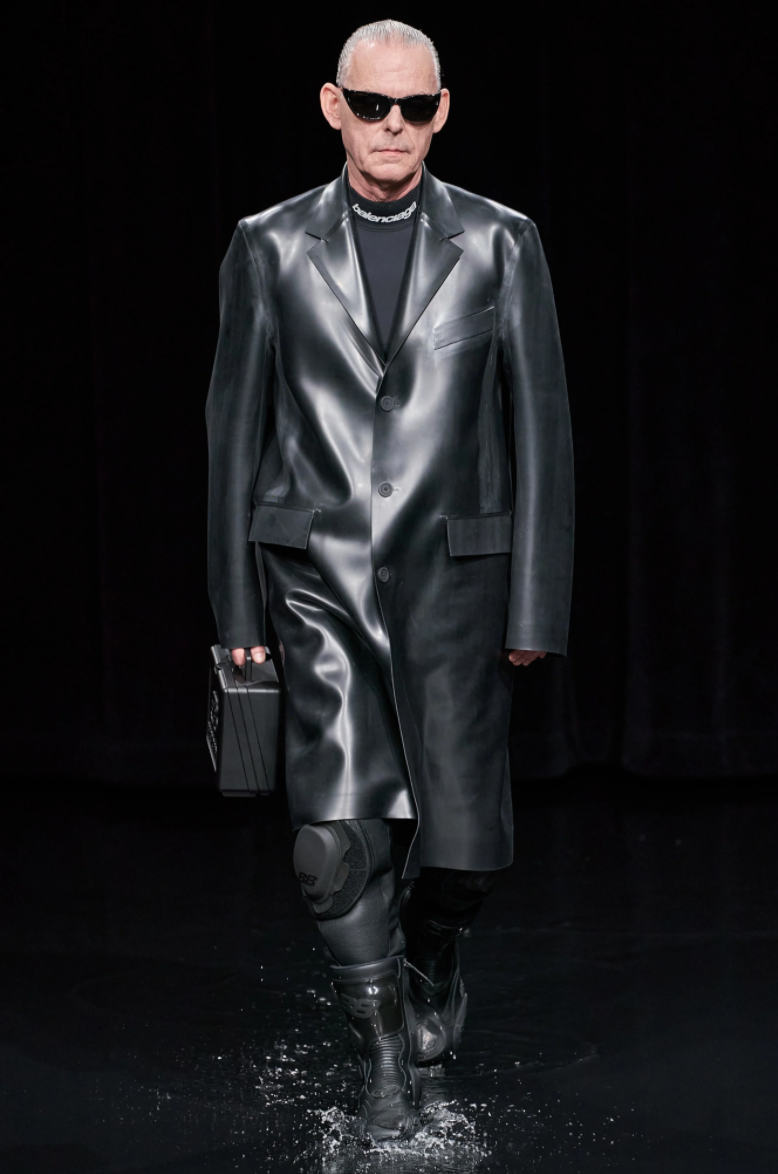
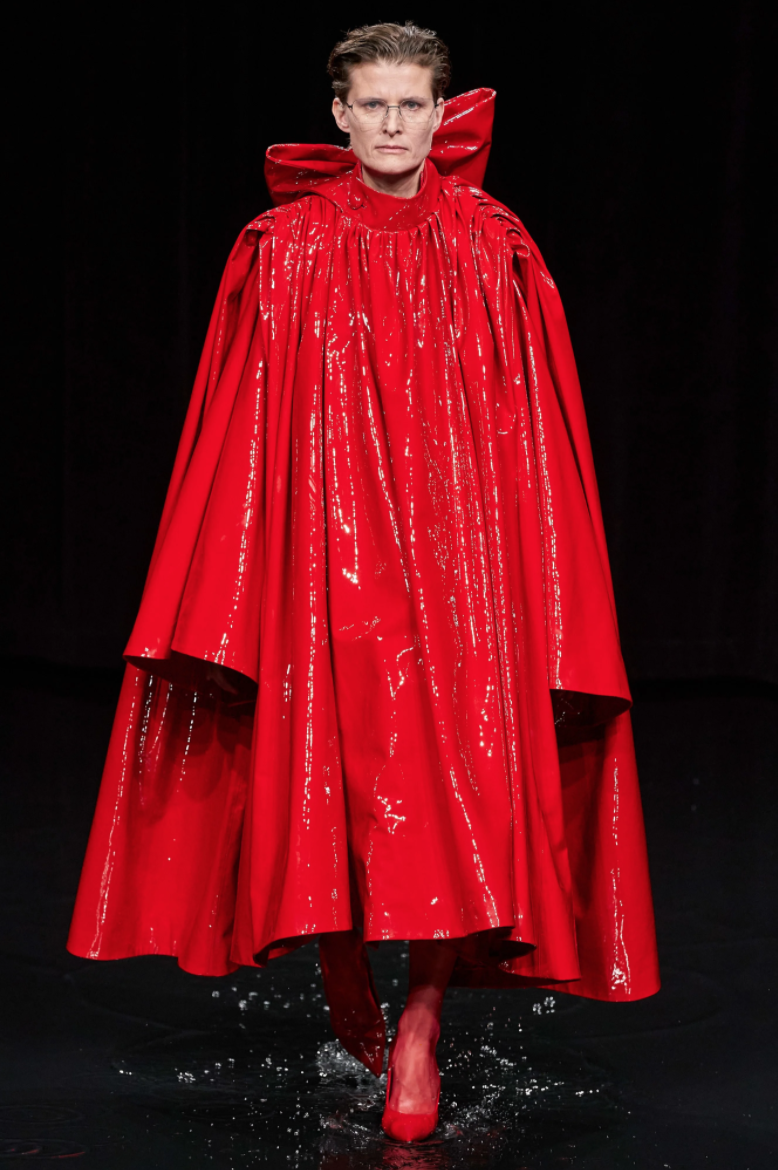
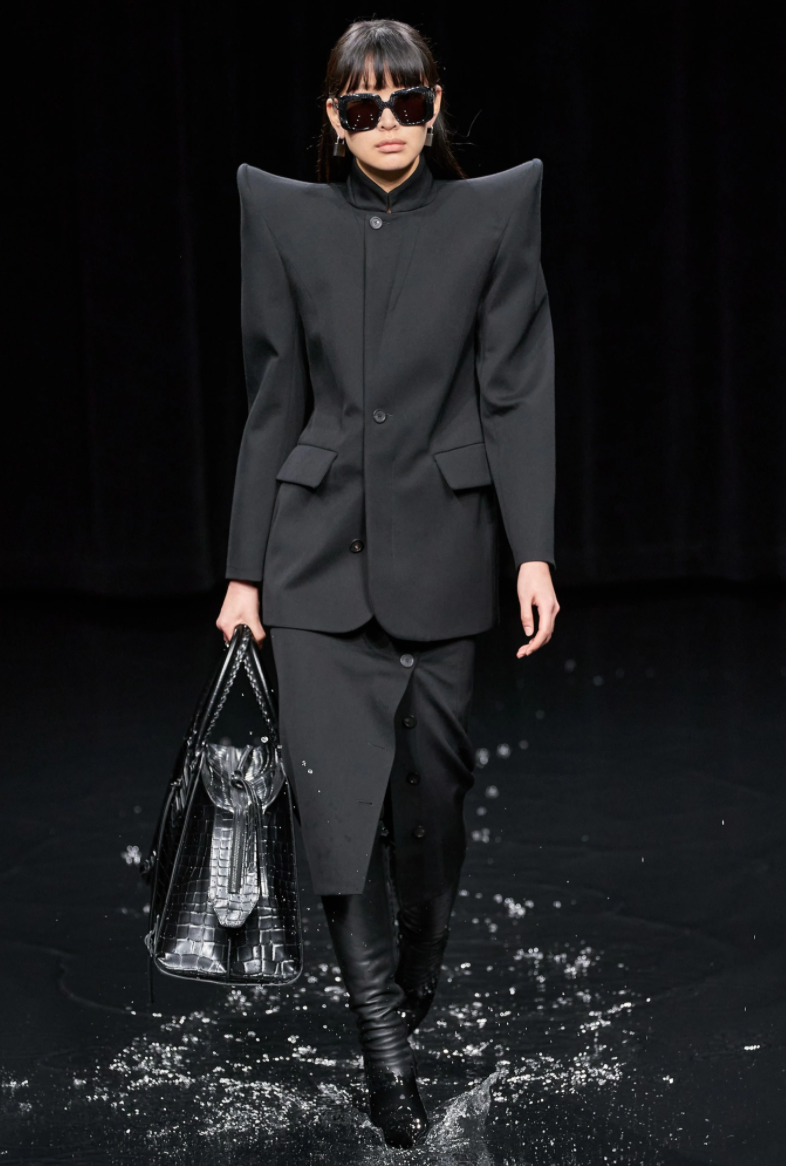
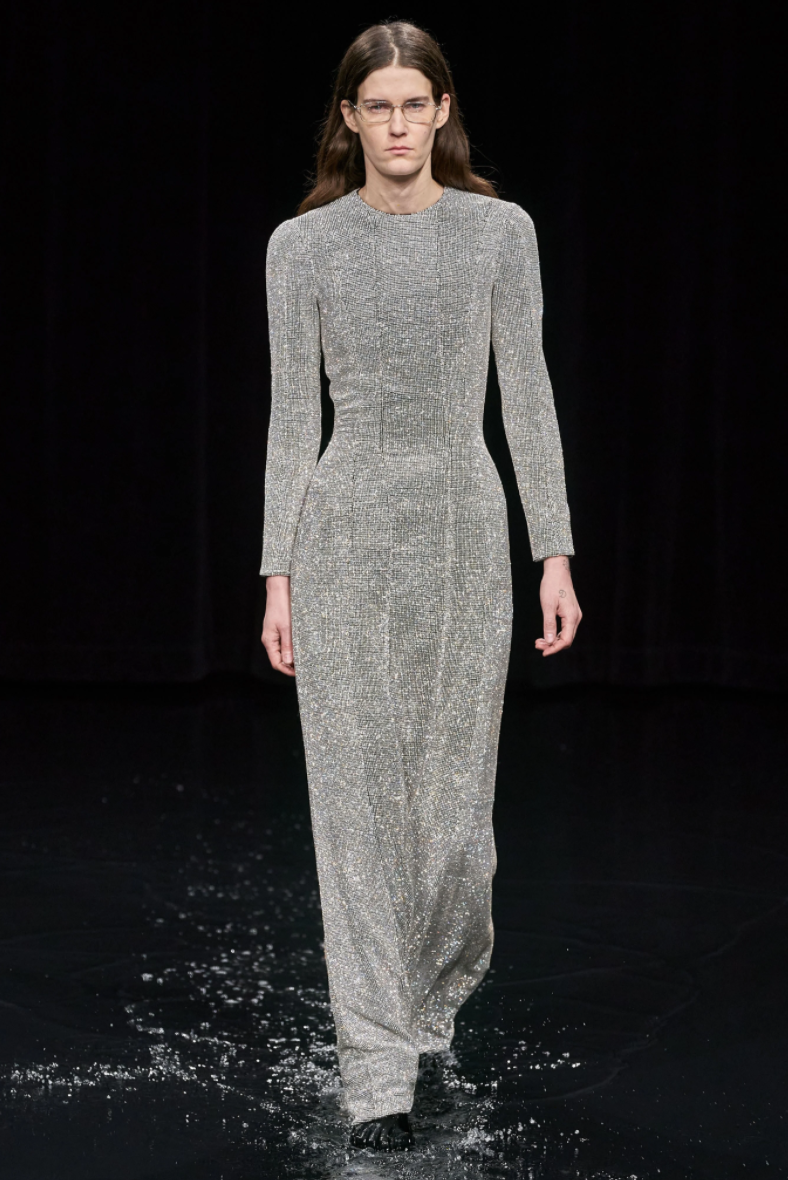
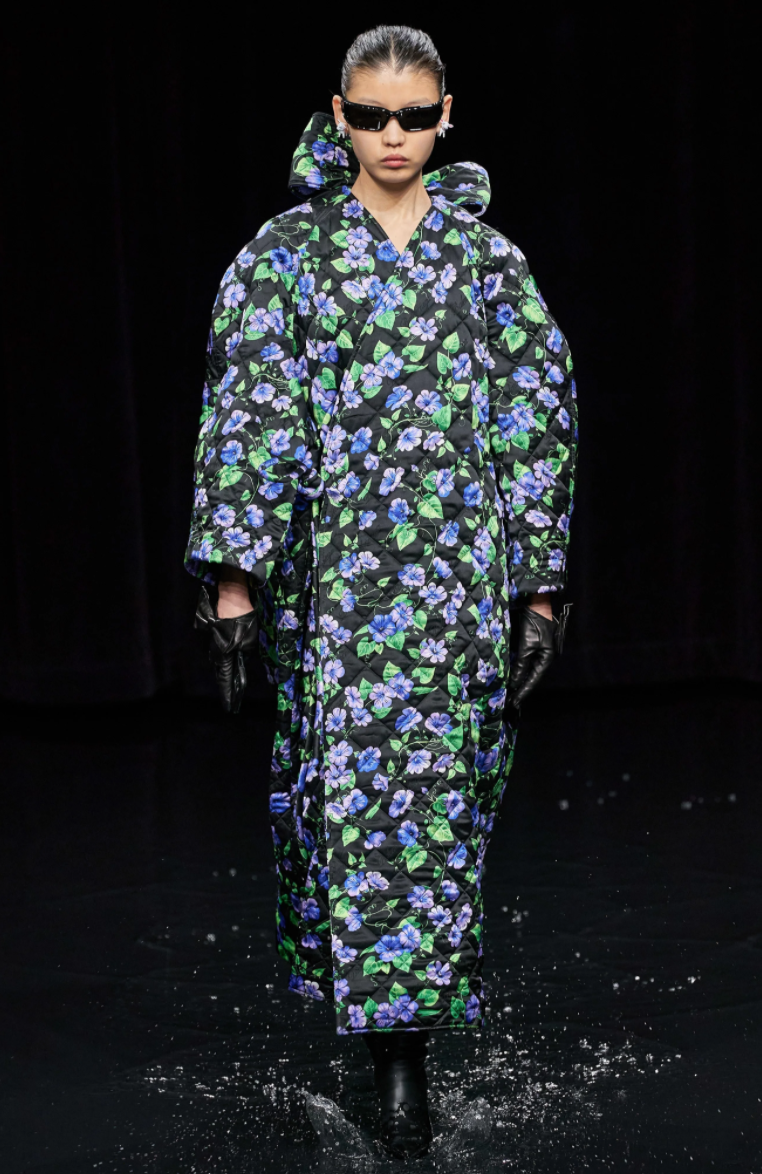
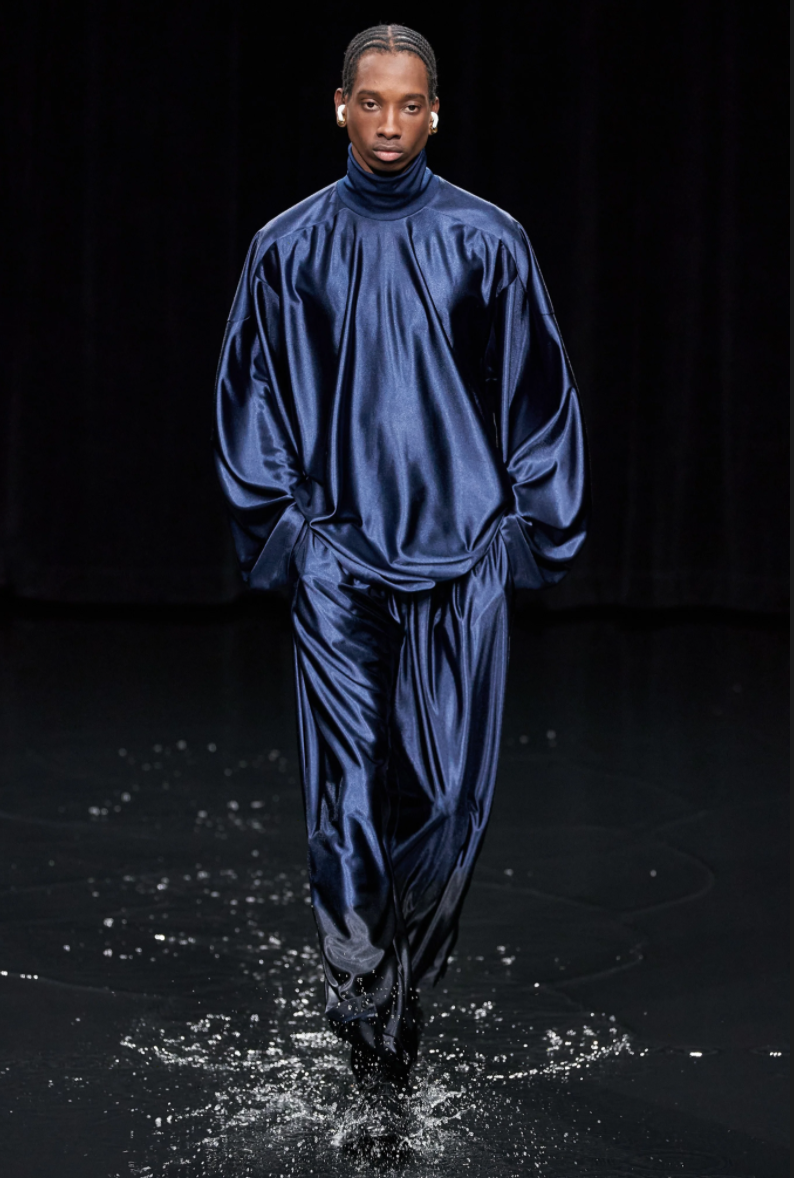
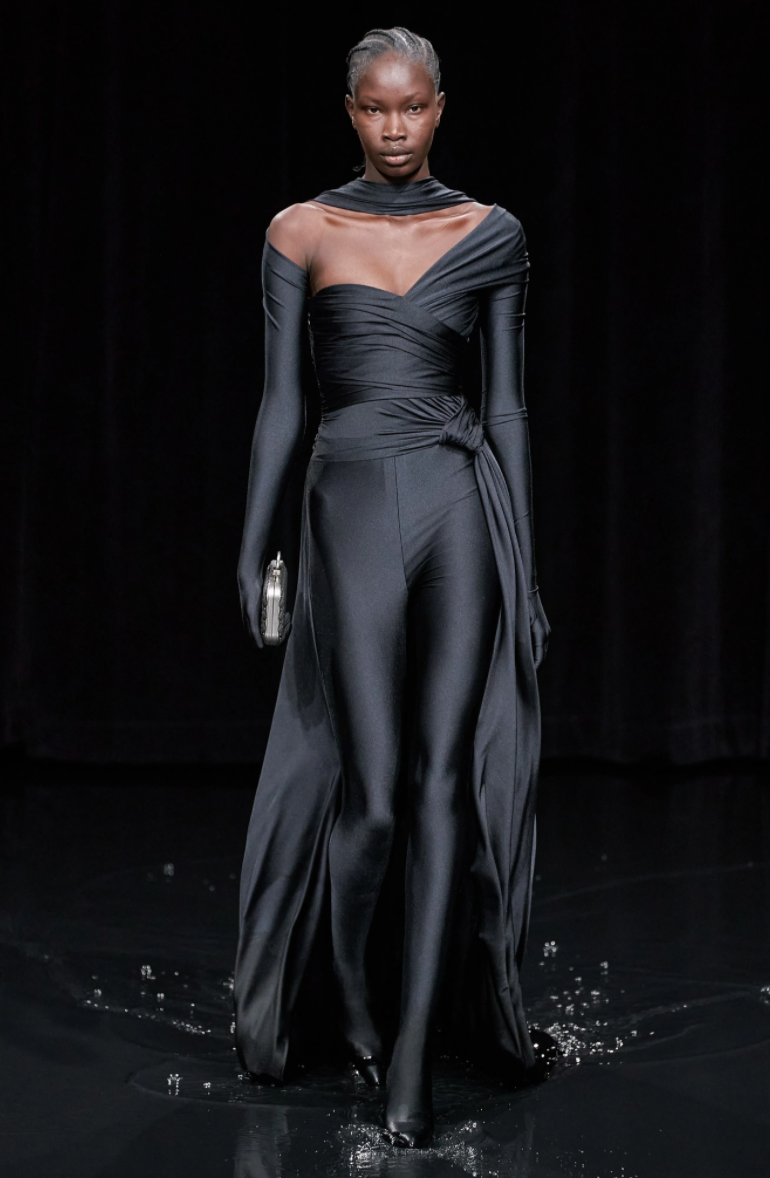
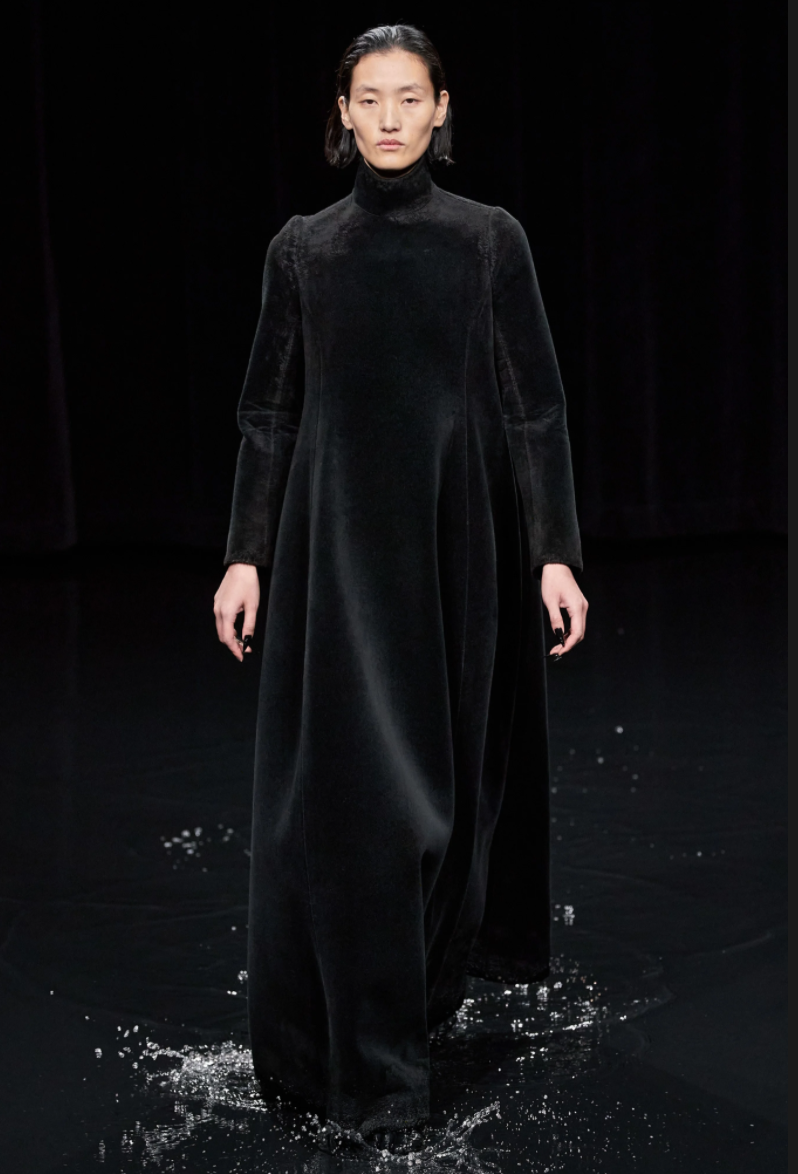
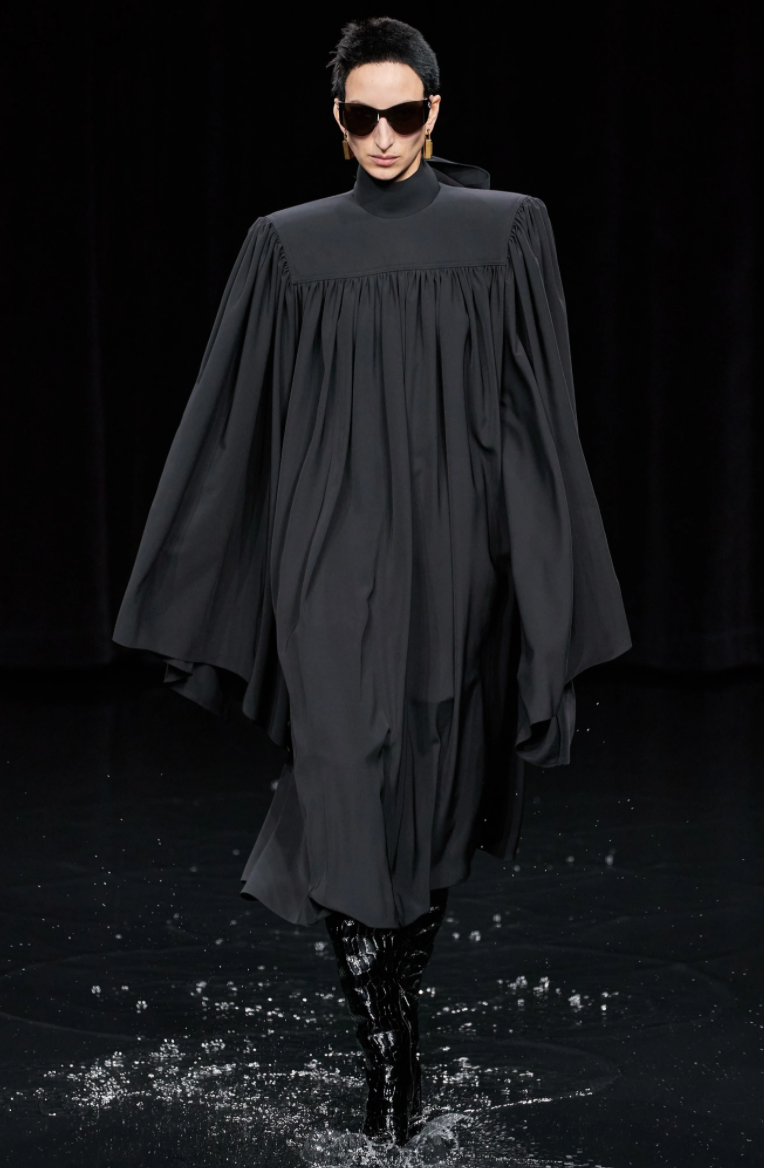
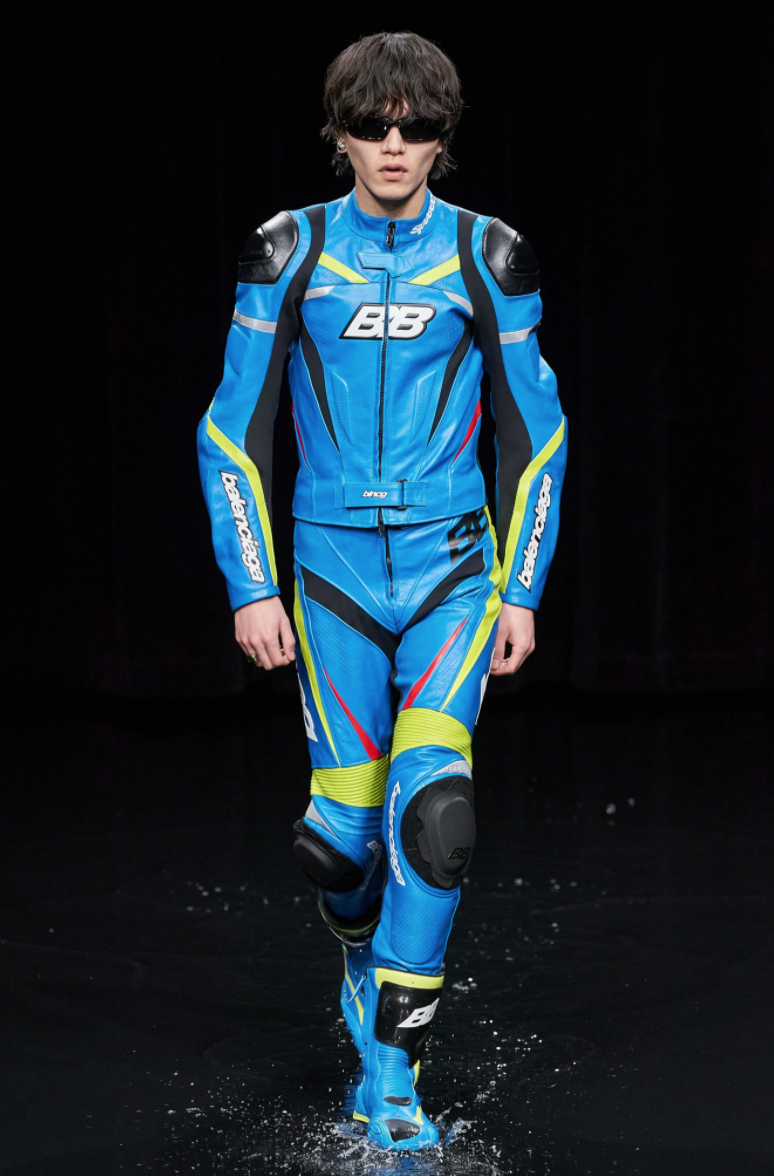
Fashion conversations frequently eddy around how much people enjoy ‘immersive’ experiences, but when the audience groped its way into the darkened Balenciaga stadium and suddenly realized that the first two rows were inundated with water—well, that gave ‘immersion’ a hellishly ominous new twist. It was just the beginning of Demna Gvasalia’s procession of sinister characters, walking on a vast stretch of water beneath an apocalyptic sky rent with fire, lightning and churning seas. “It’s the blackest show I ever did,” he said.

Black: its resurgence, the cutting of new silhouettes, its links to minimalism and classicism, is playing throughout fashion this season. To each their own, though. Gvasalia’s route is always freighted with social observation on the state of the world, power politics, dress codes, fetishism. His intense parade of priests and priestesses in long black robes, with their “religious purity, minimalism, austerity” arose from memories of the Orthodox church in Georgia, and looking at the Spanish Catholic origins of Cristóbal Balenciaga. “He made his first dresses from black velvet, for a Marquesa to wear to church,” said Gvasalia.

“I had a lot of clerical wear in my research. I come from a country where the Orthodox religion has been so predominant,” he said. “I went to church to confess every Saturday. Back then, I remember looking at all these young priests and monks, wearing these long robes and thinking, ‘How beautiful.’ You see them around Europe with their beards, hair knotted back and backpacks. I don’t know, I find it quite hot—but that’s my fetish.”

More than anything, though, Gvasalia said he wanted to shift the parameters of menswear, so he could finally get to don some Balenciaga priestly maxi-skirts himself: “How come it is acceptable for clerics to wear that, but if I put on a long jacket and a skirt I will be looked at? I can’t, even in 2020!” But there were no two ways about it—on the runway, these men looked menacing.

On closer inspection, they were wearing demonic red or black contact lenses; their faces brutally augmented with protheses. “Religious dress codes are all about hiding the body, about being ashamed—body and sex is the taboo. Whereas when you look into it, some of these people are the nastiest perverts,” said Gvasalia.

Holding that thought—about constraint, rules and belonging to sects—set him off, designing neoprene suits with tiny compressed waists for women and black leather “Pantaboots” with padlocked “chastity belts” and a whole series of leather biker suits.

It’s telling that Gvasalia has been spending so much time researching Cristóbal Balenciga’s archive—no doubt in preparation for his first Haute Couture collection in July. Maybe some of what he called “our gala girls” in draped dresses with gloved sleeves and built-in leggings are a foretaste?

As for hope, despite the biblical apocalyptic scenario Gvasalia created for fall: “In spite of all that’s going on in fashion and the world, I still love this. I suppose until the day I die, this is what I am passionate about. I love making clothes.”

Source: Vogue

FASHIONADO