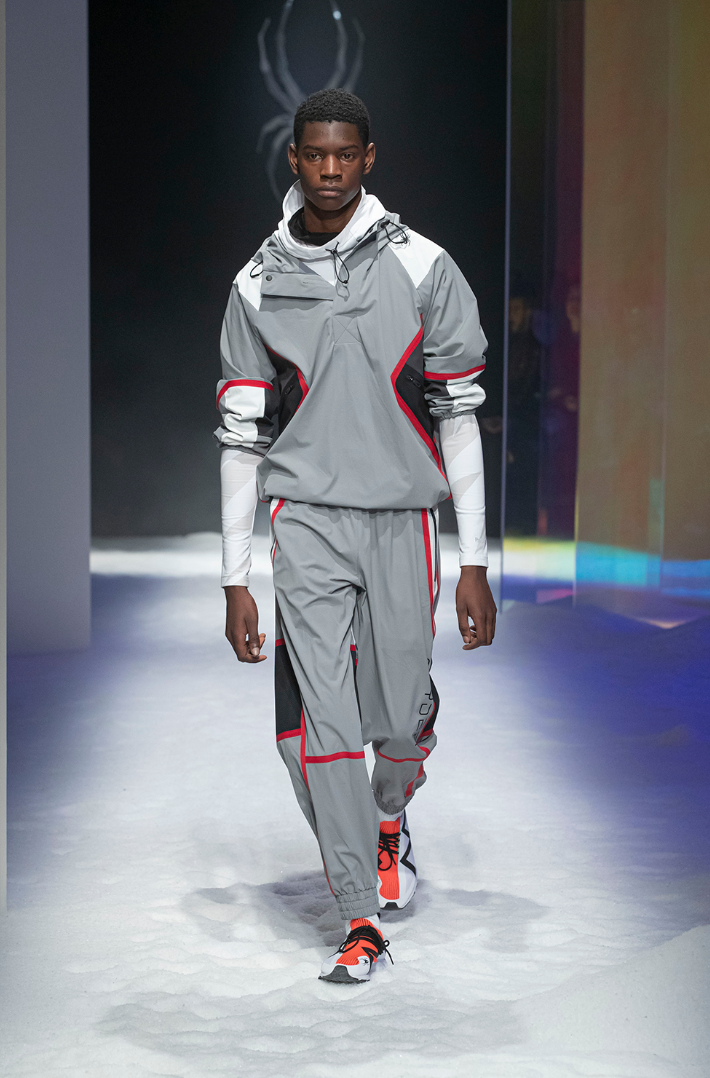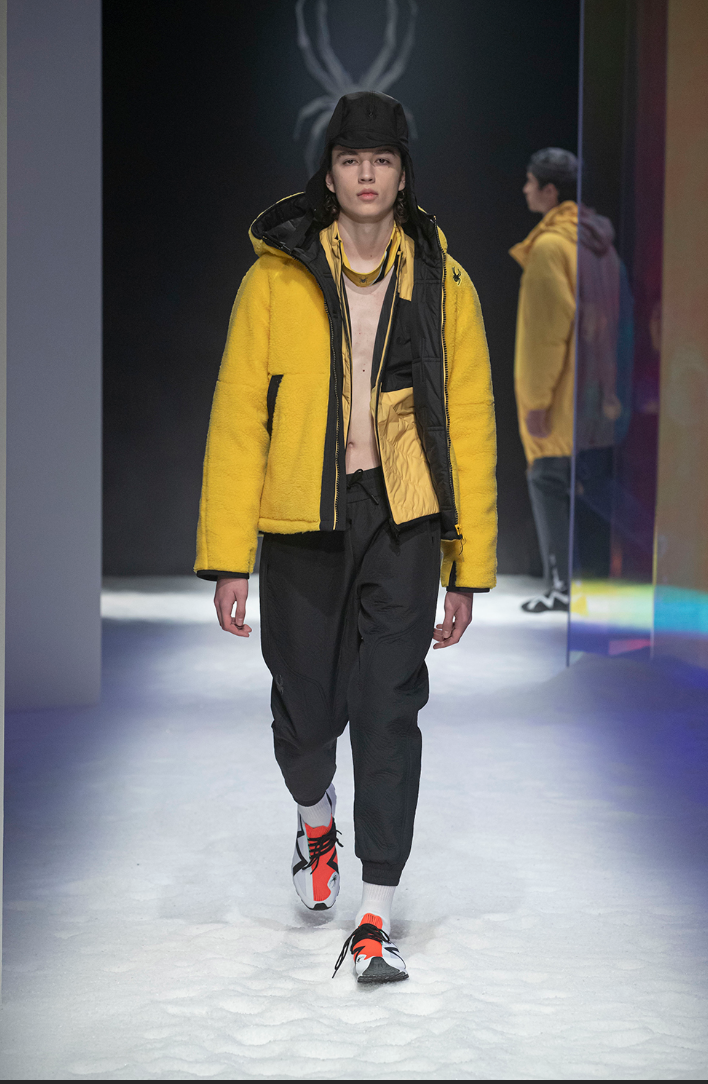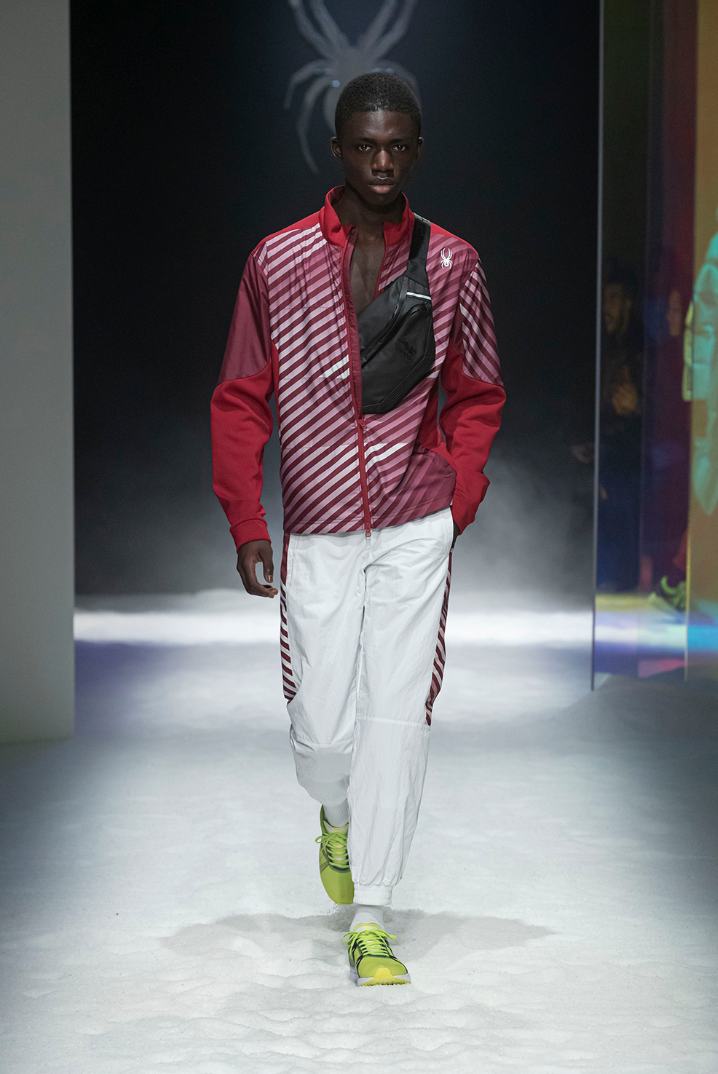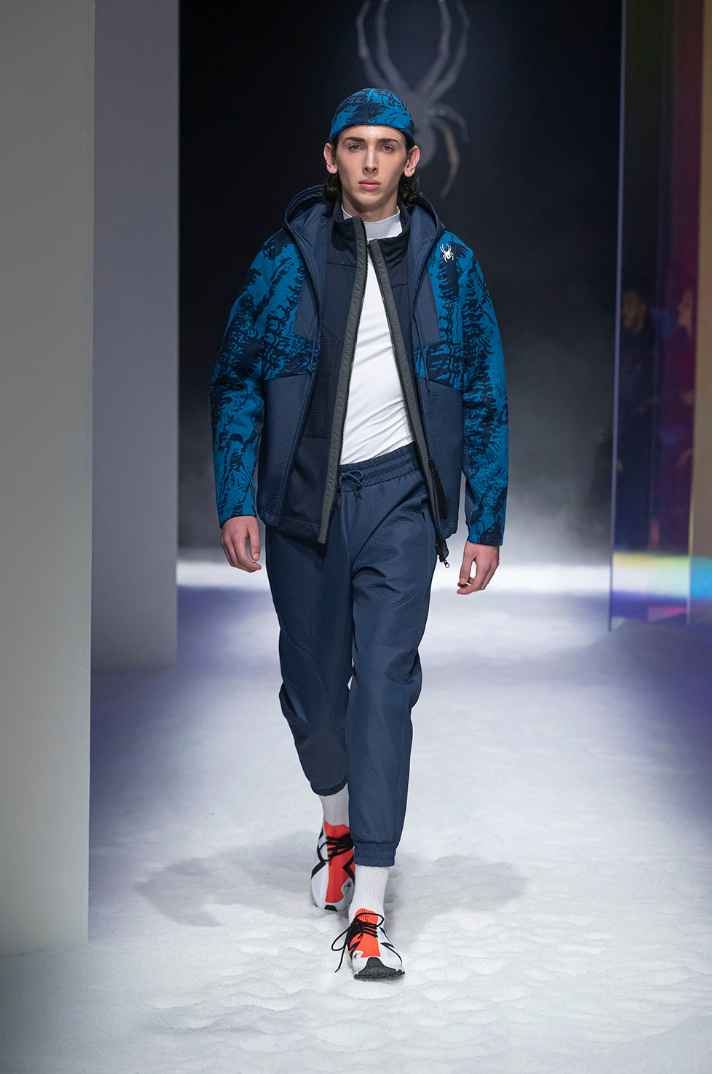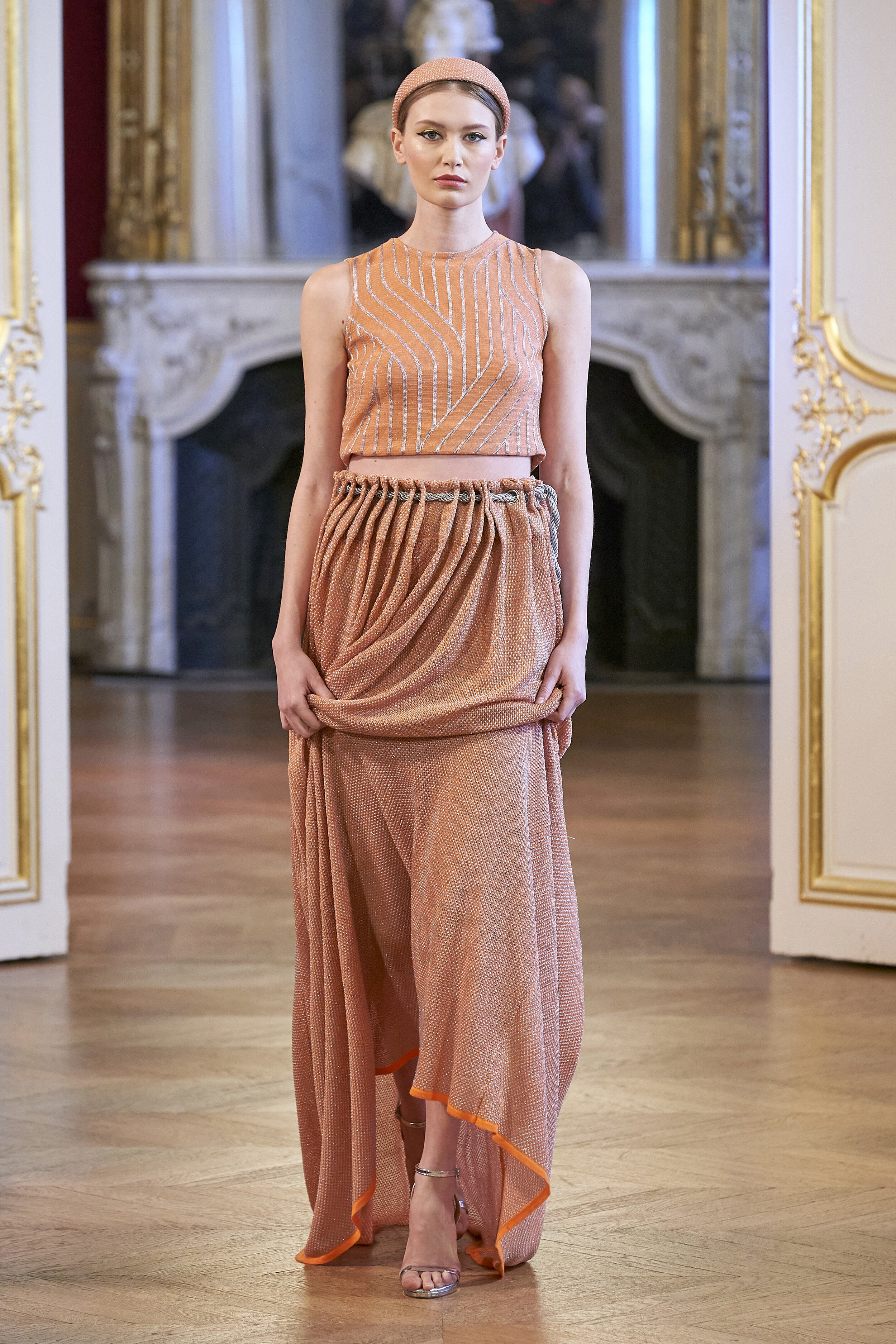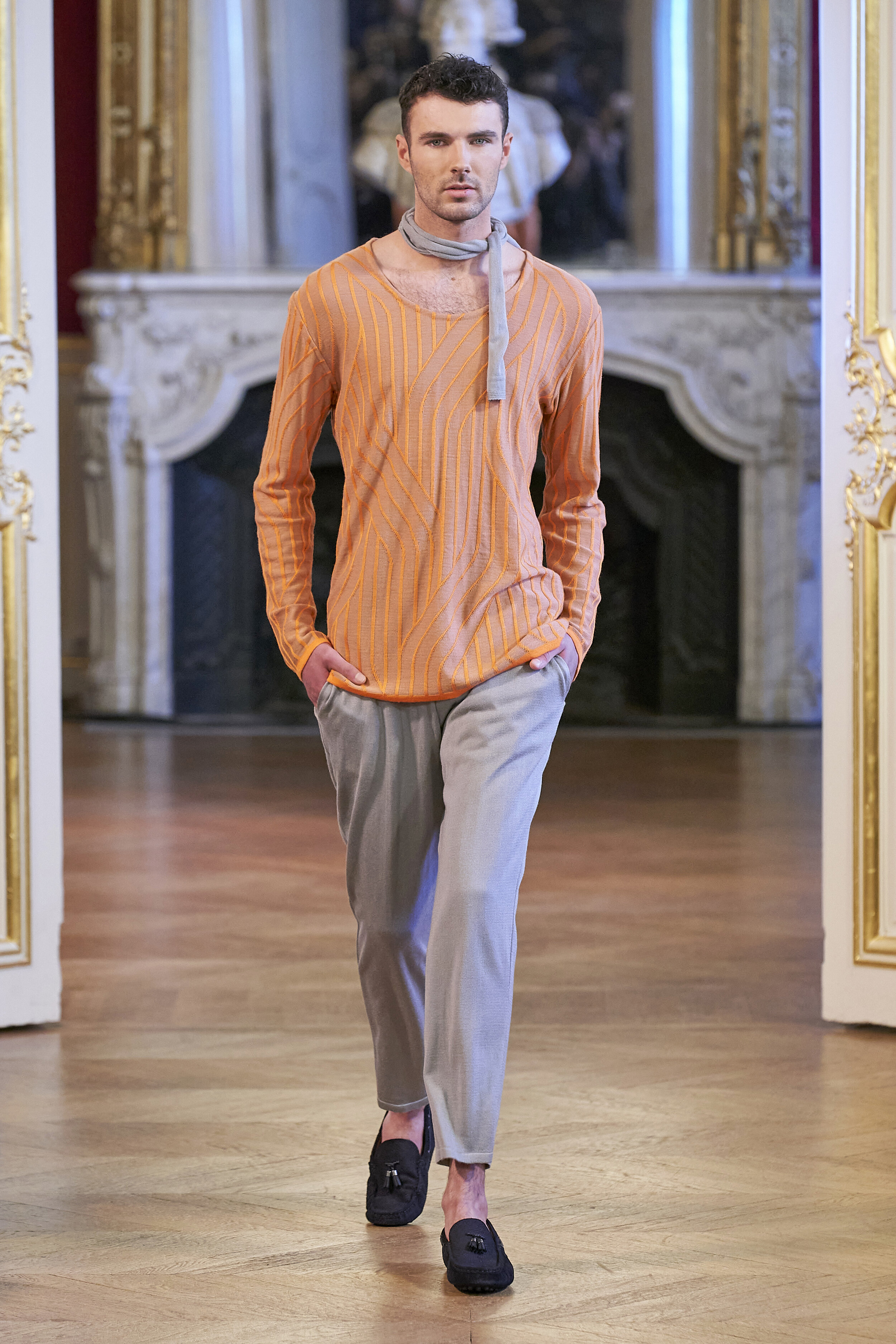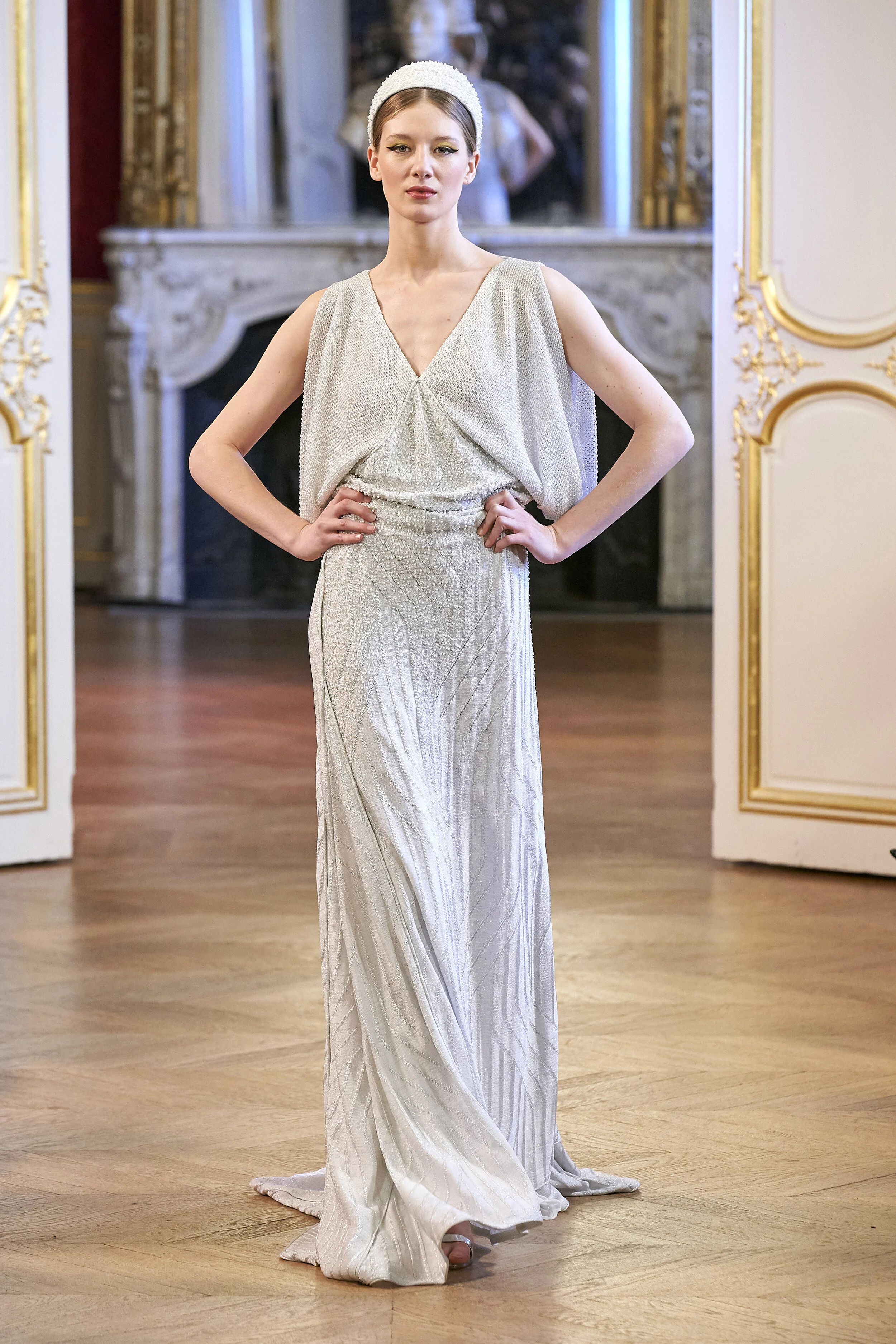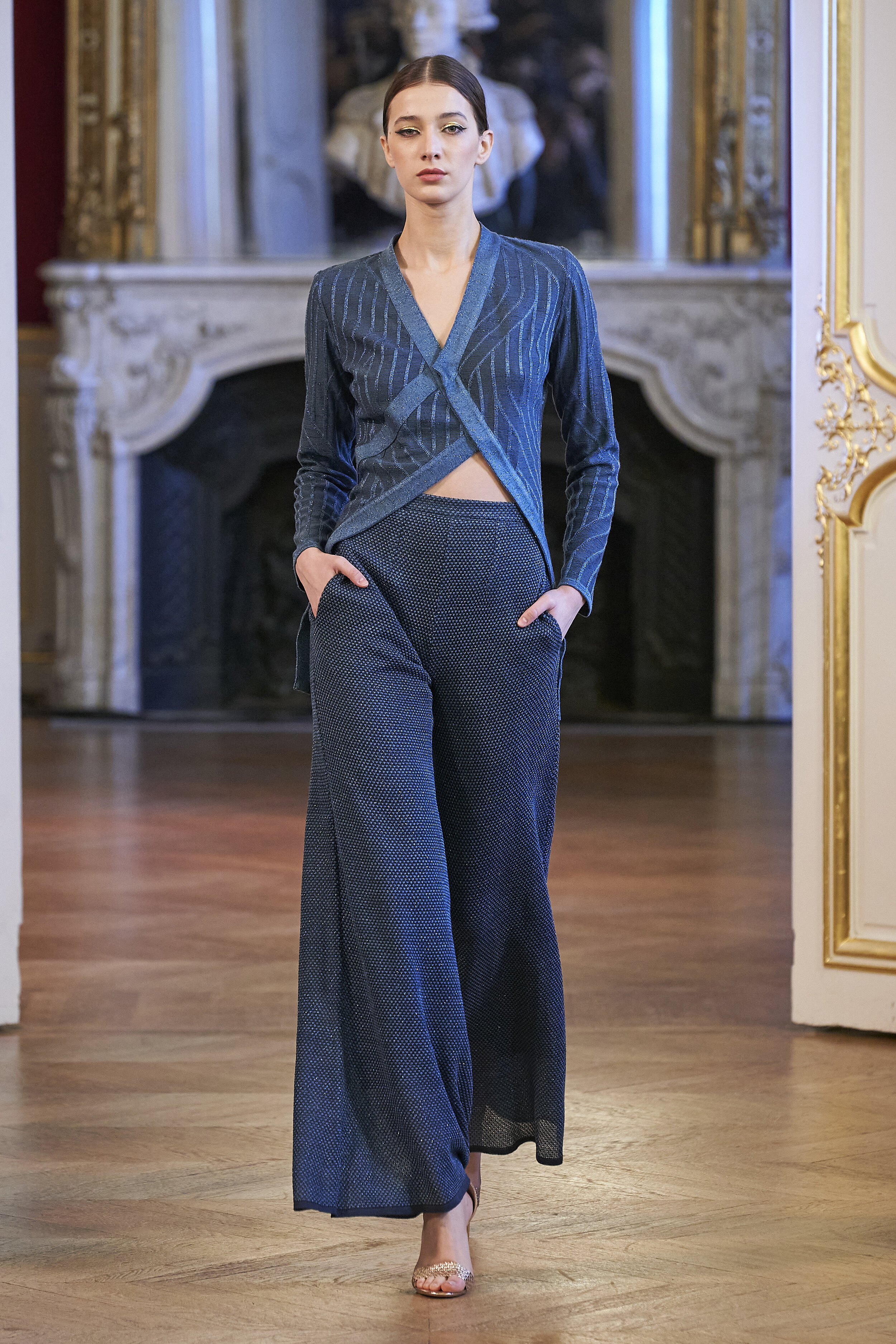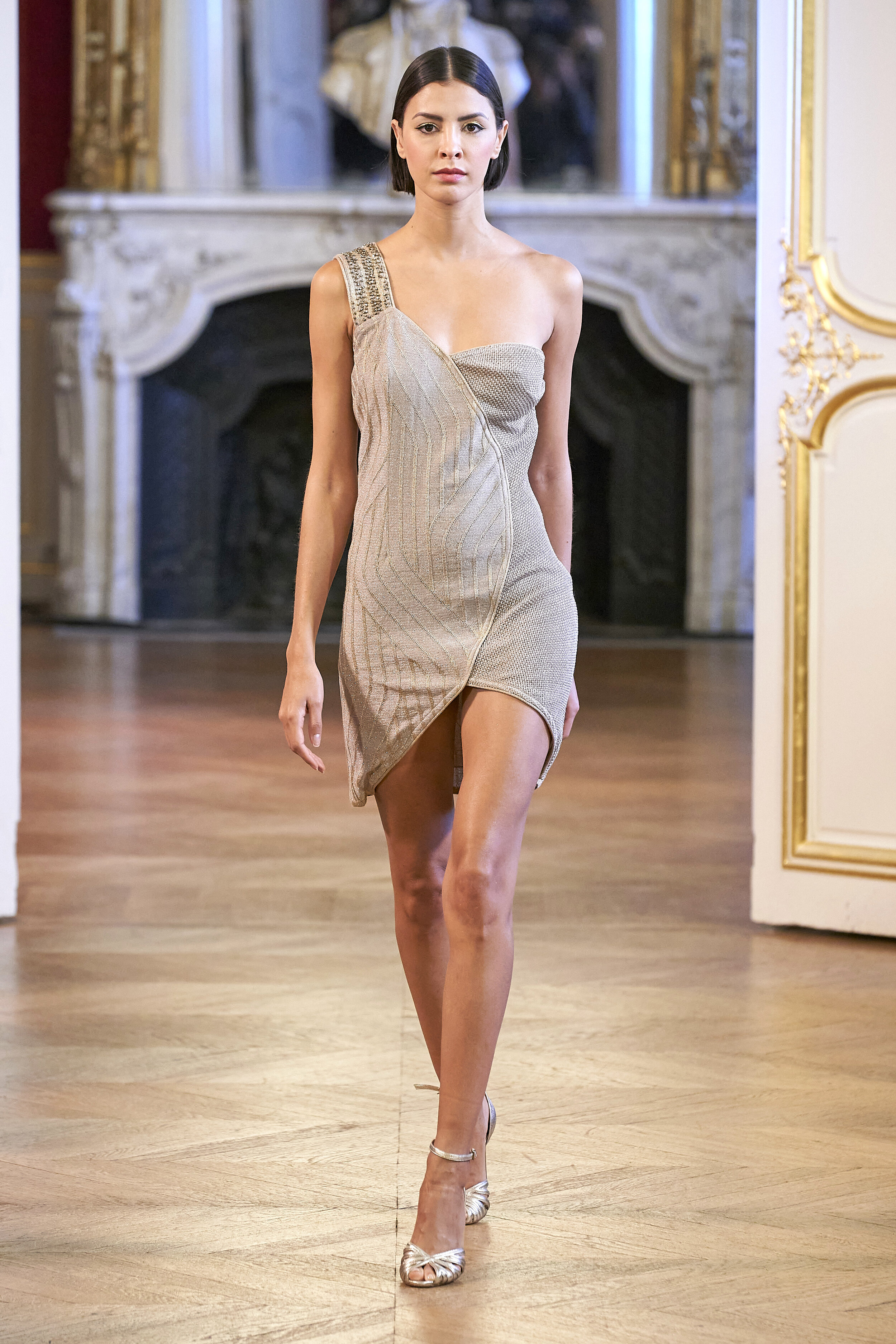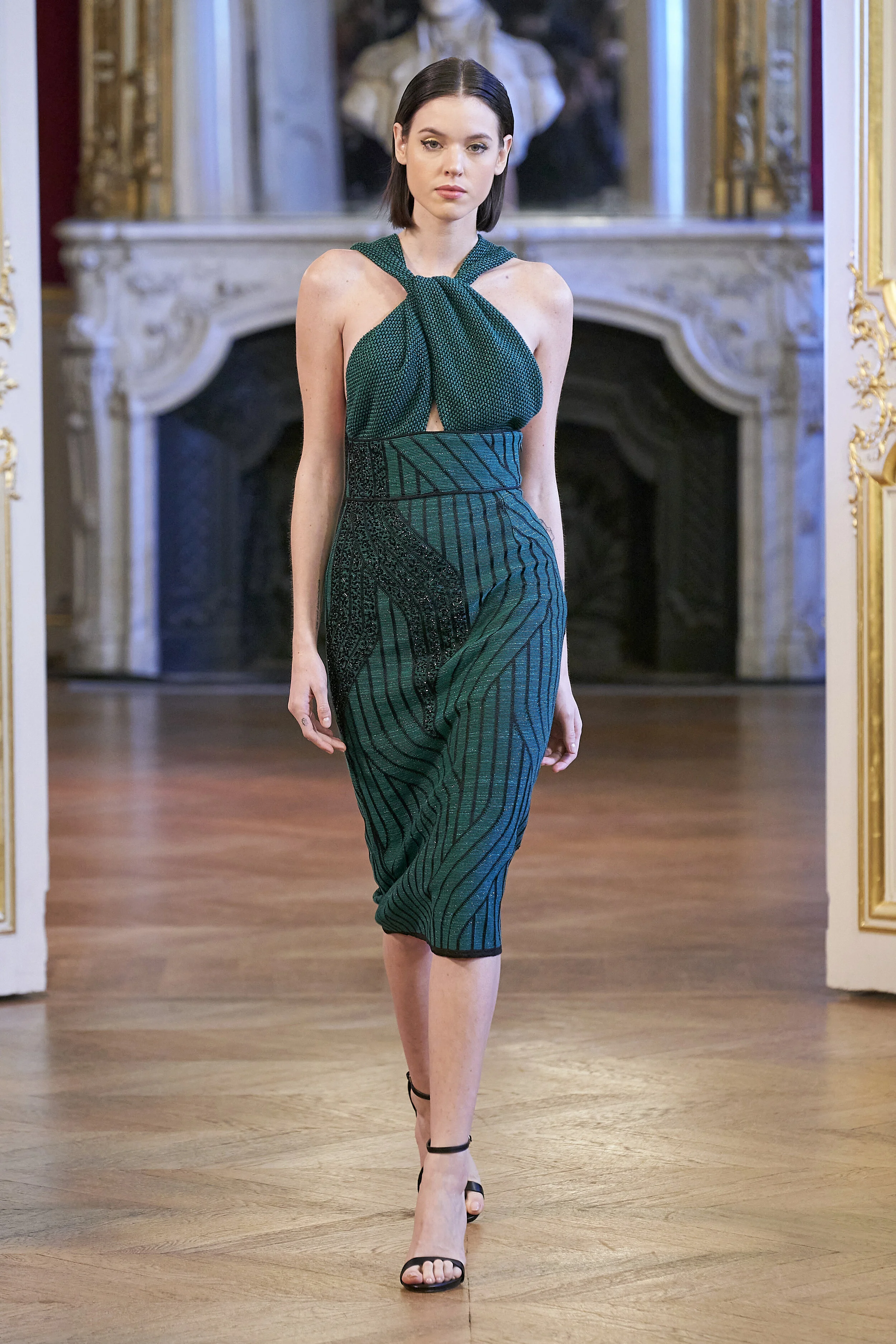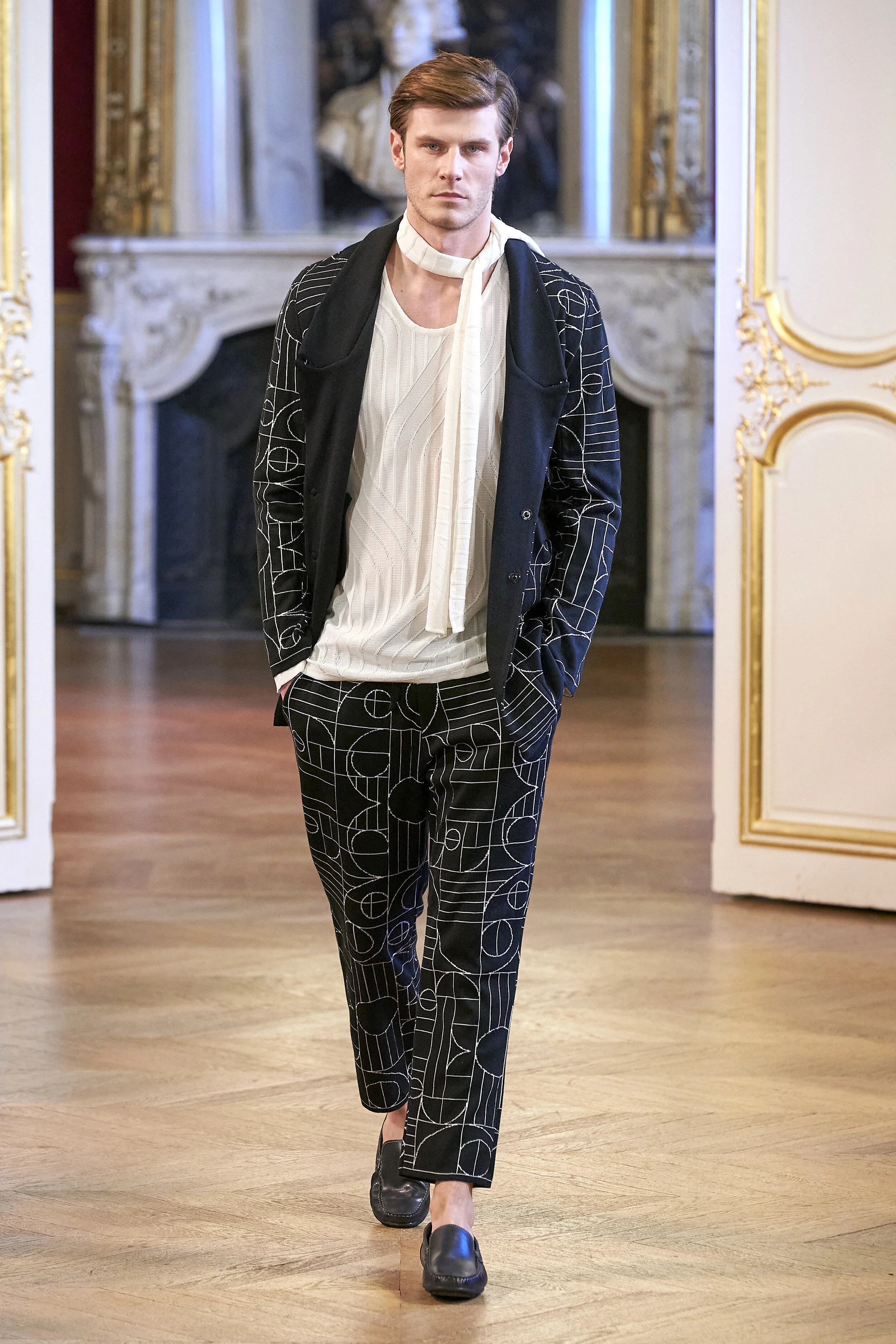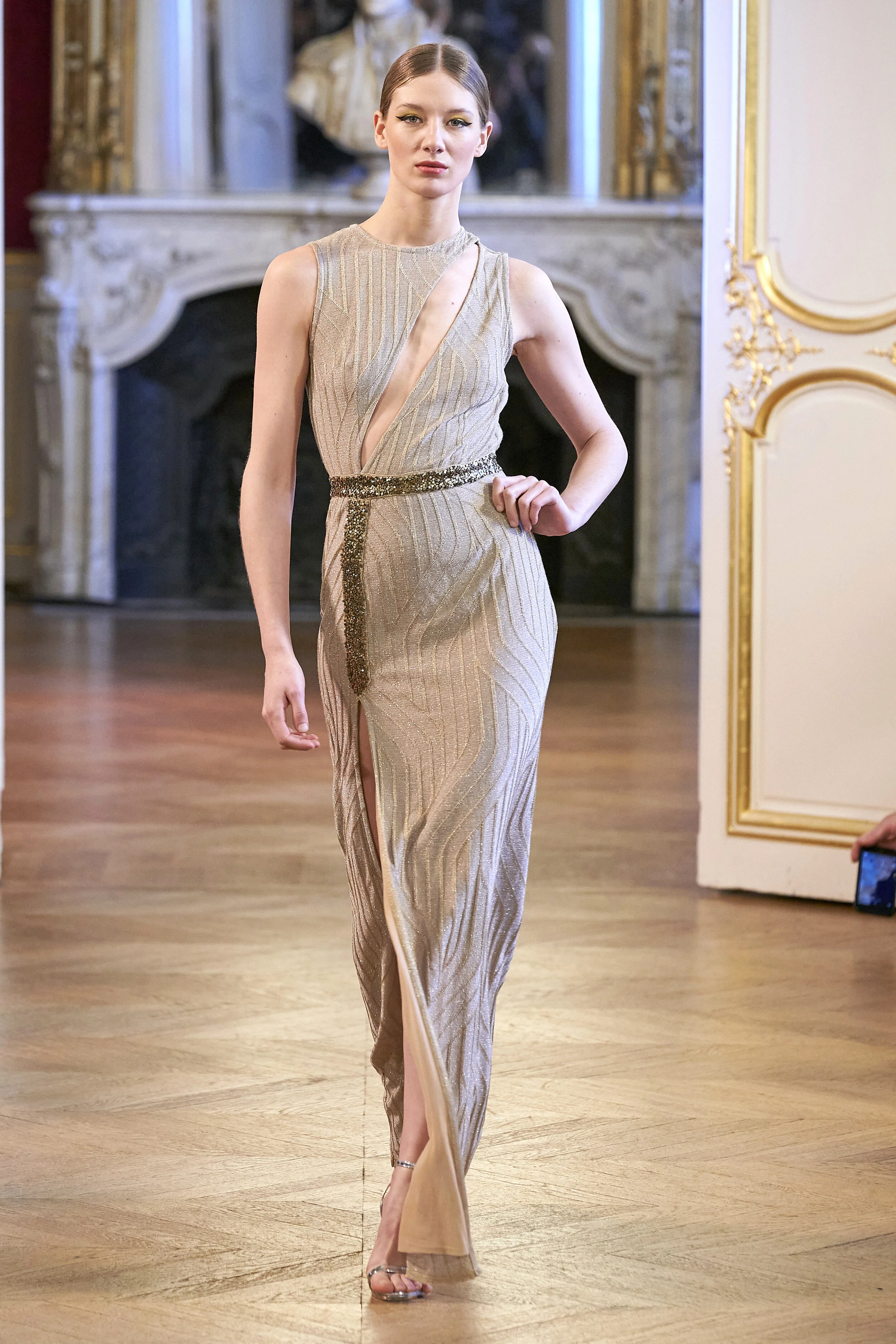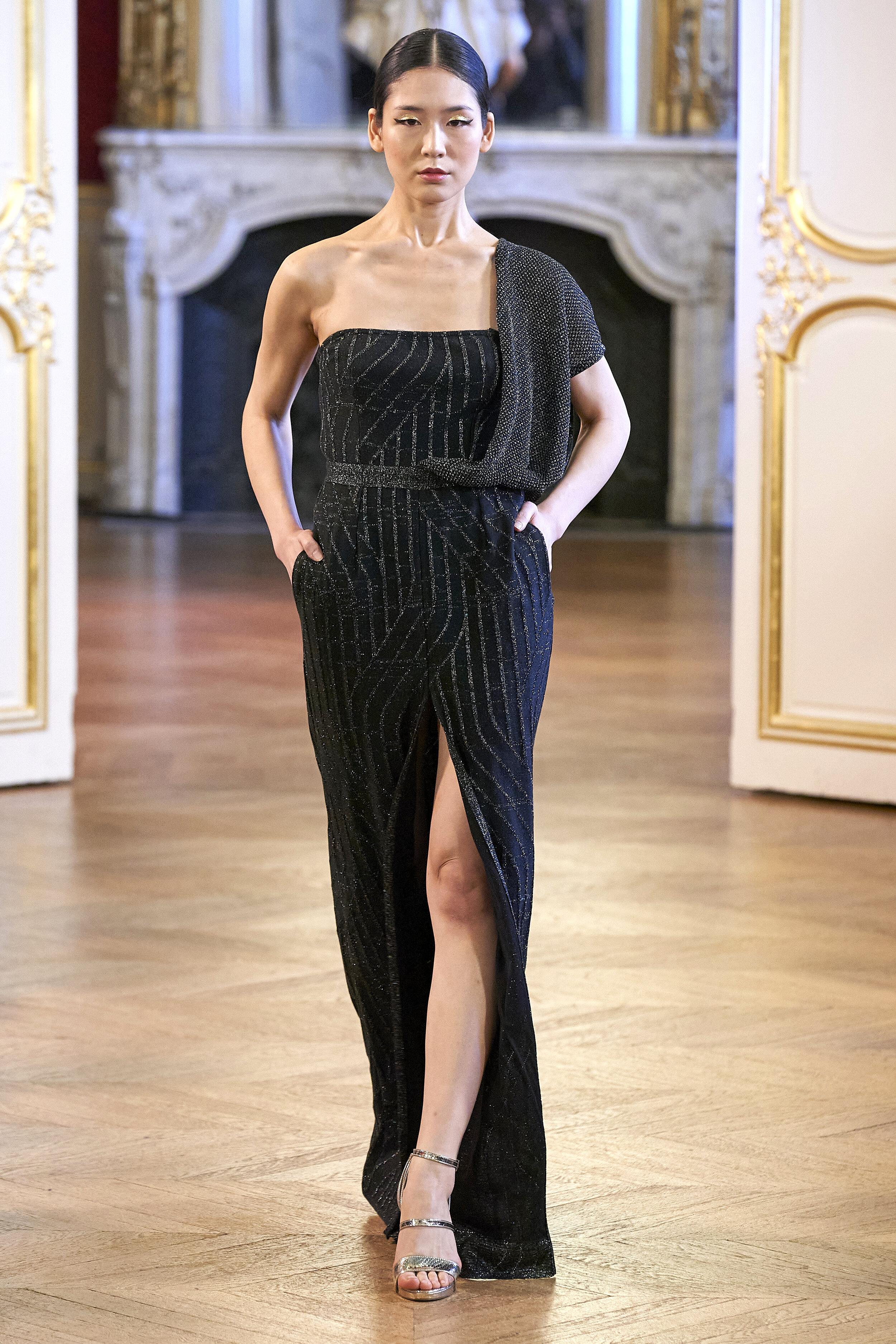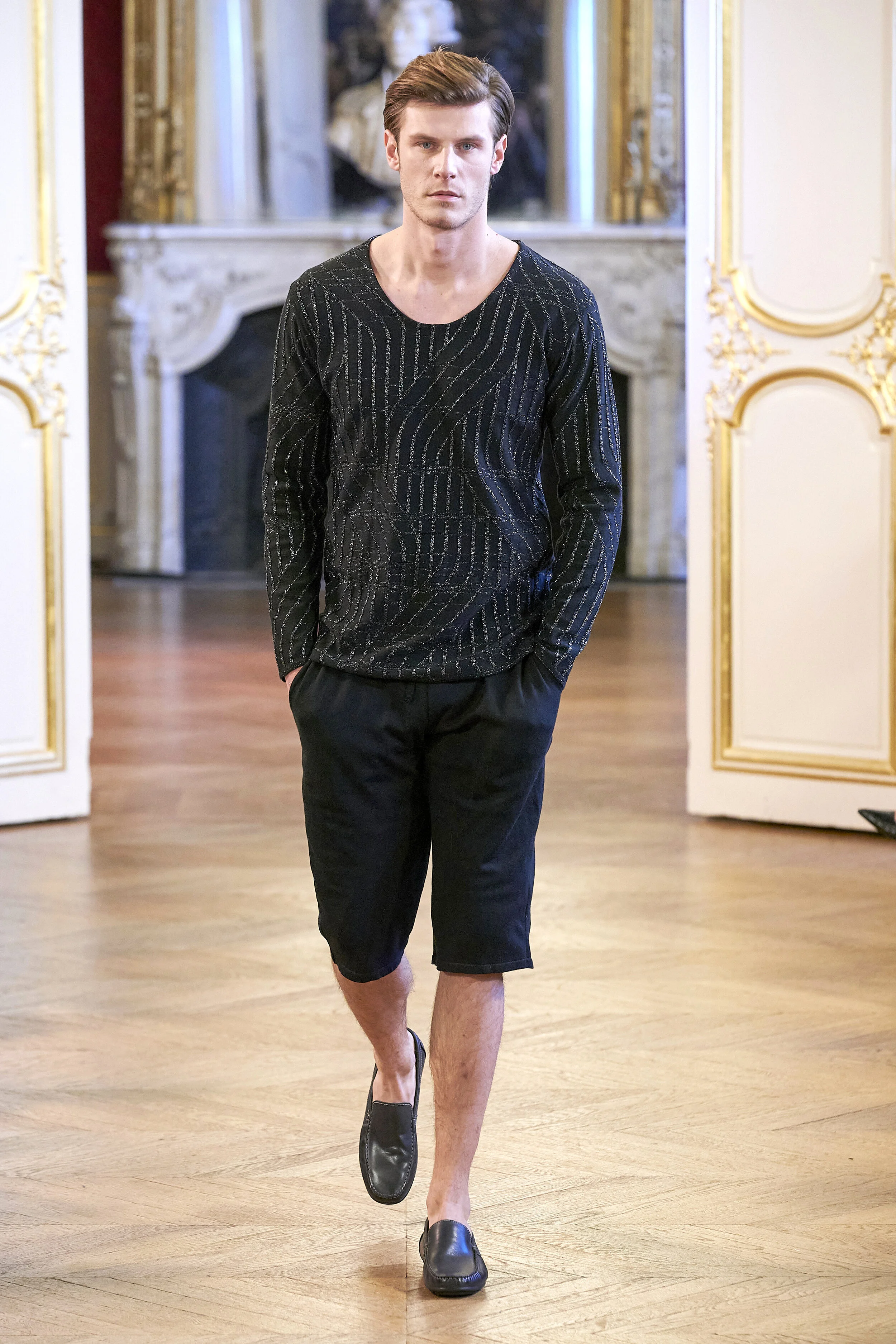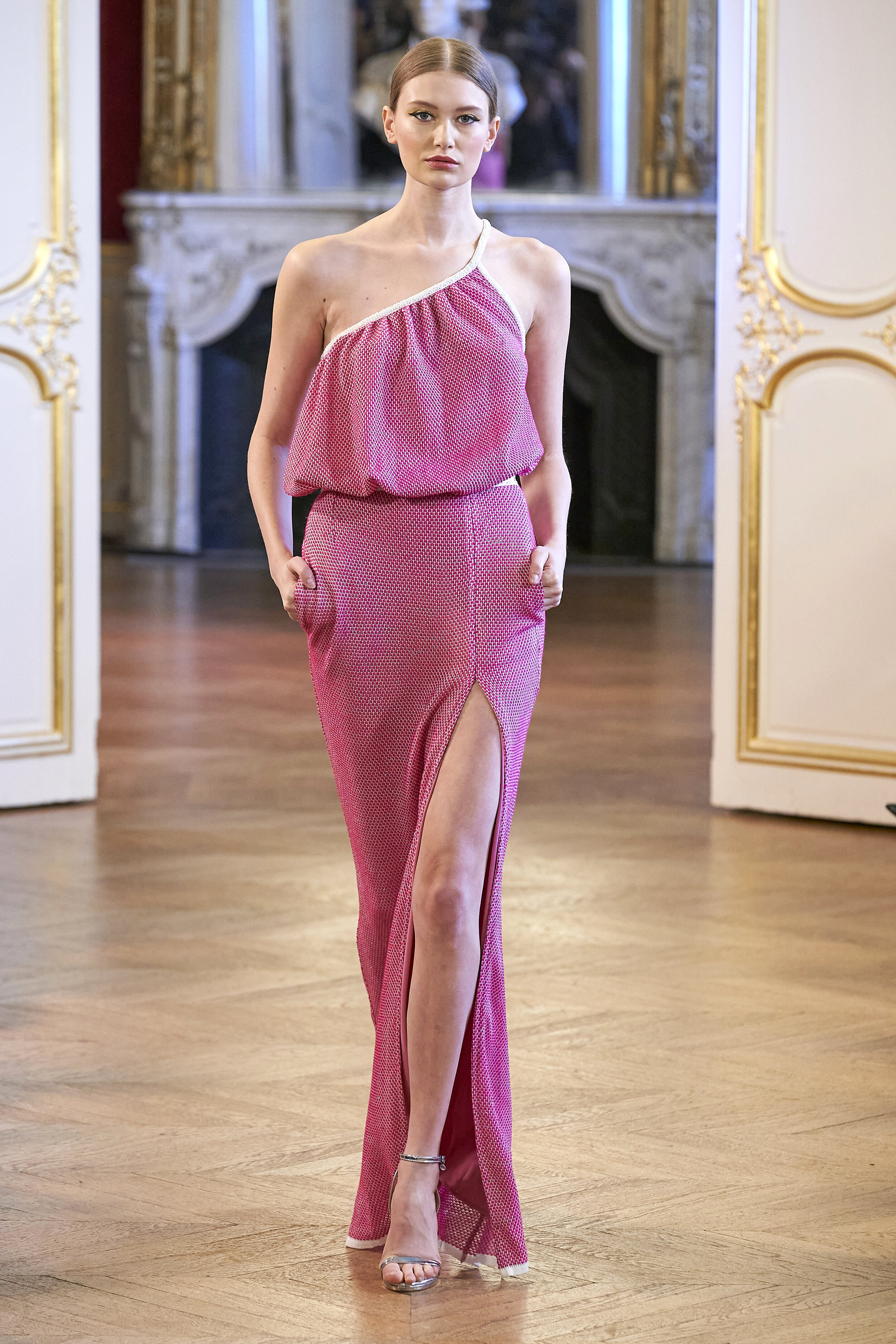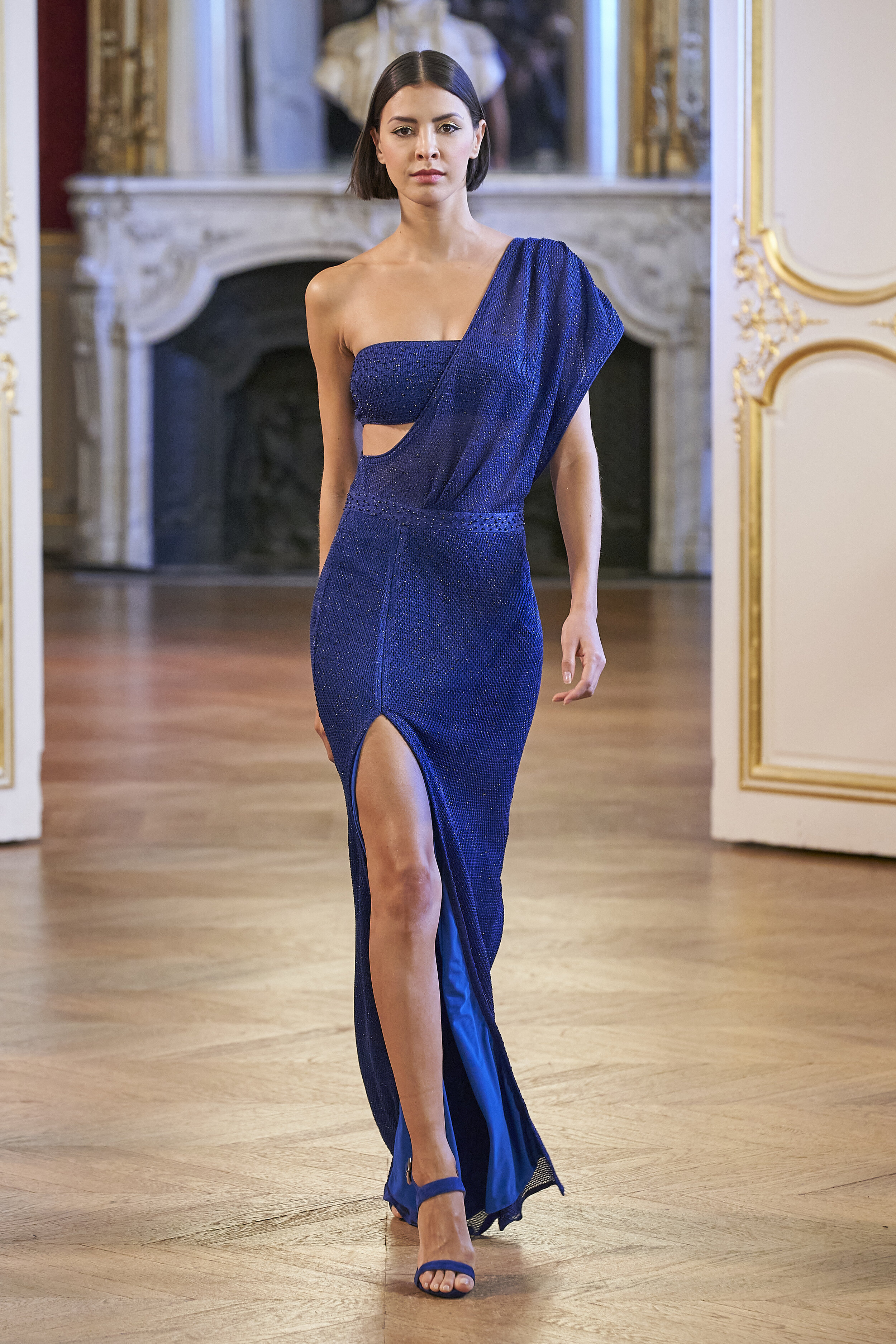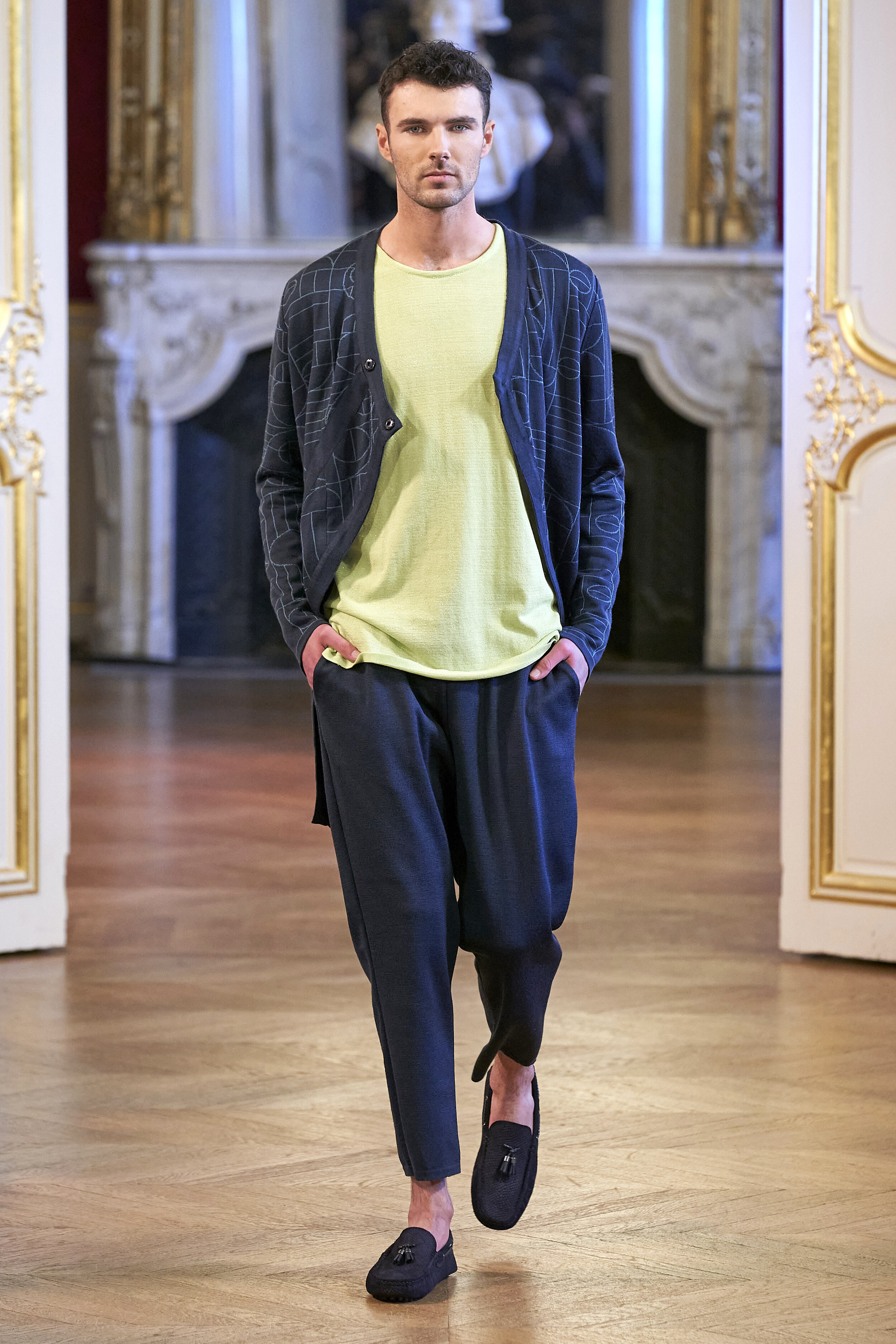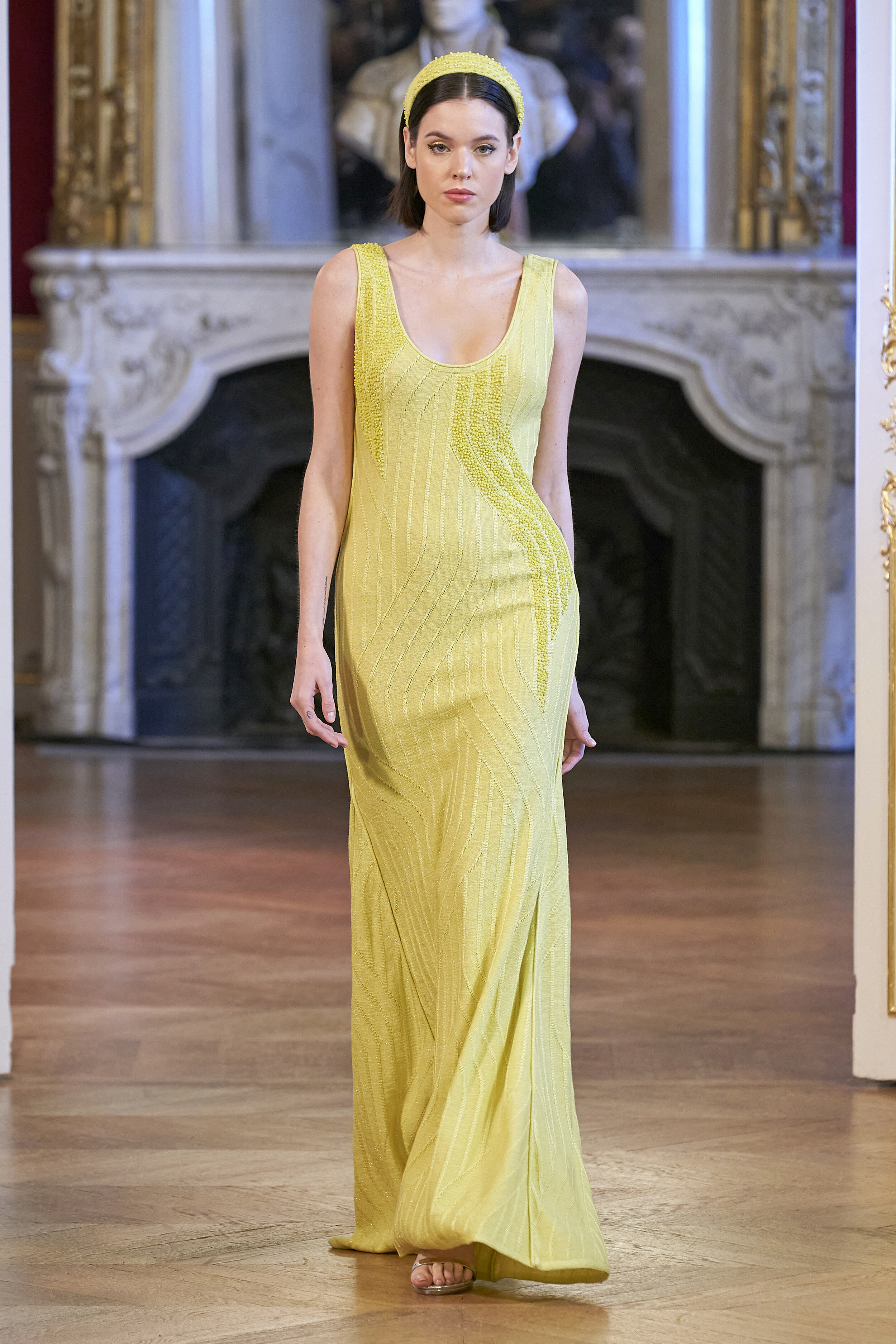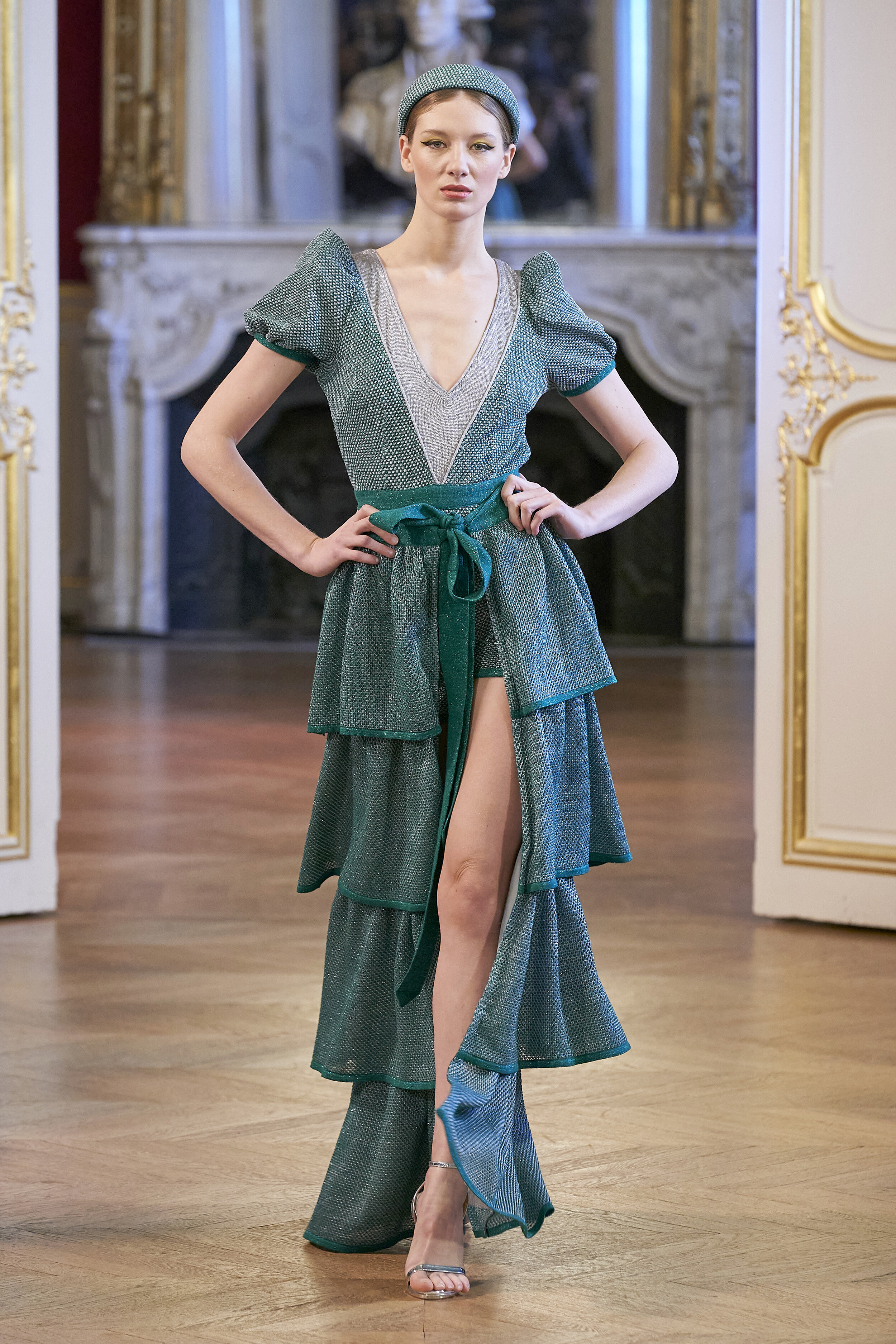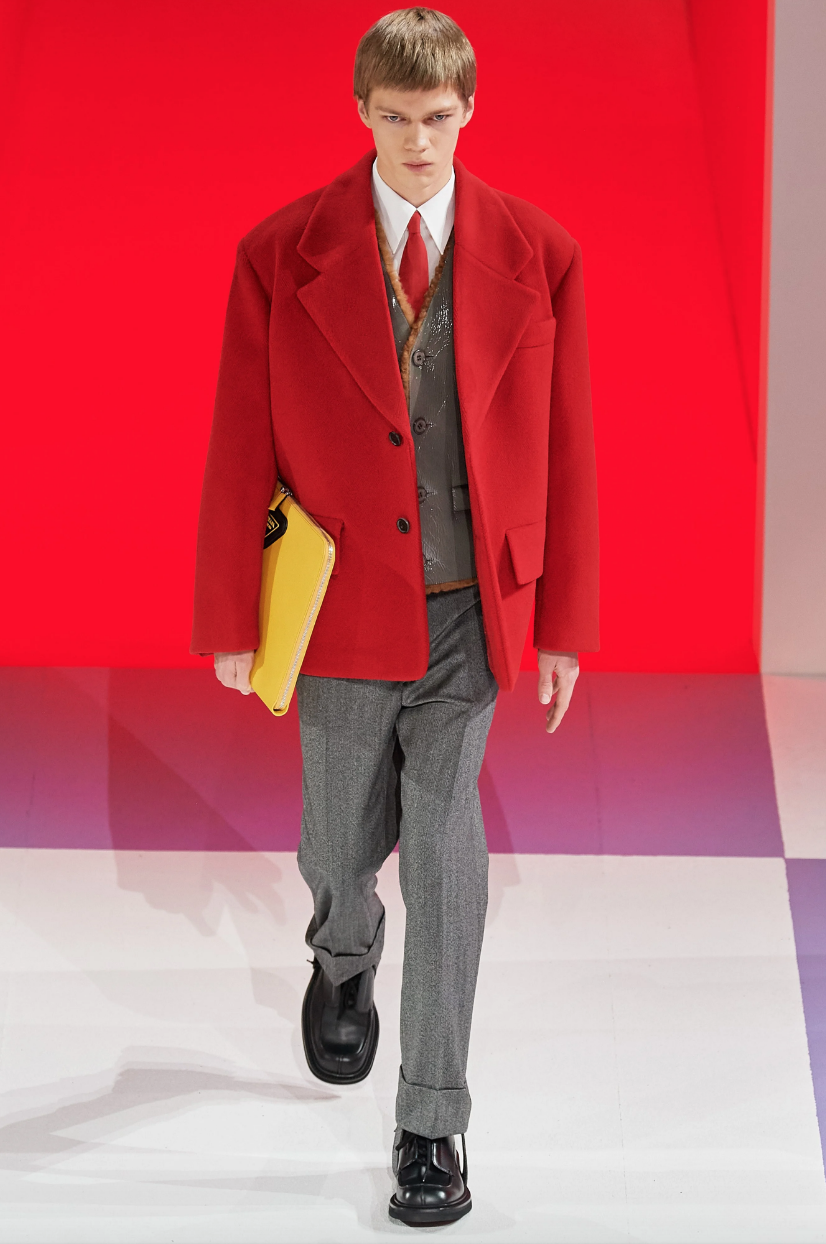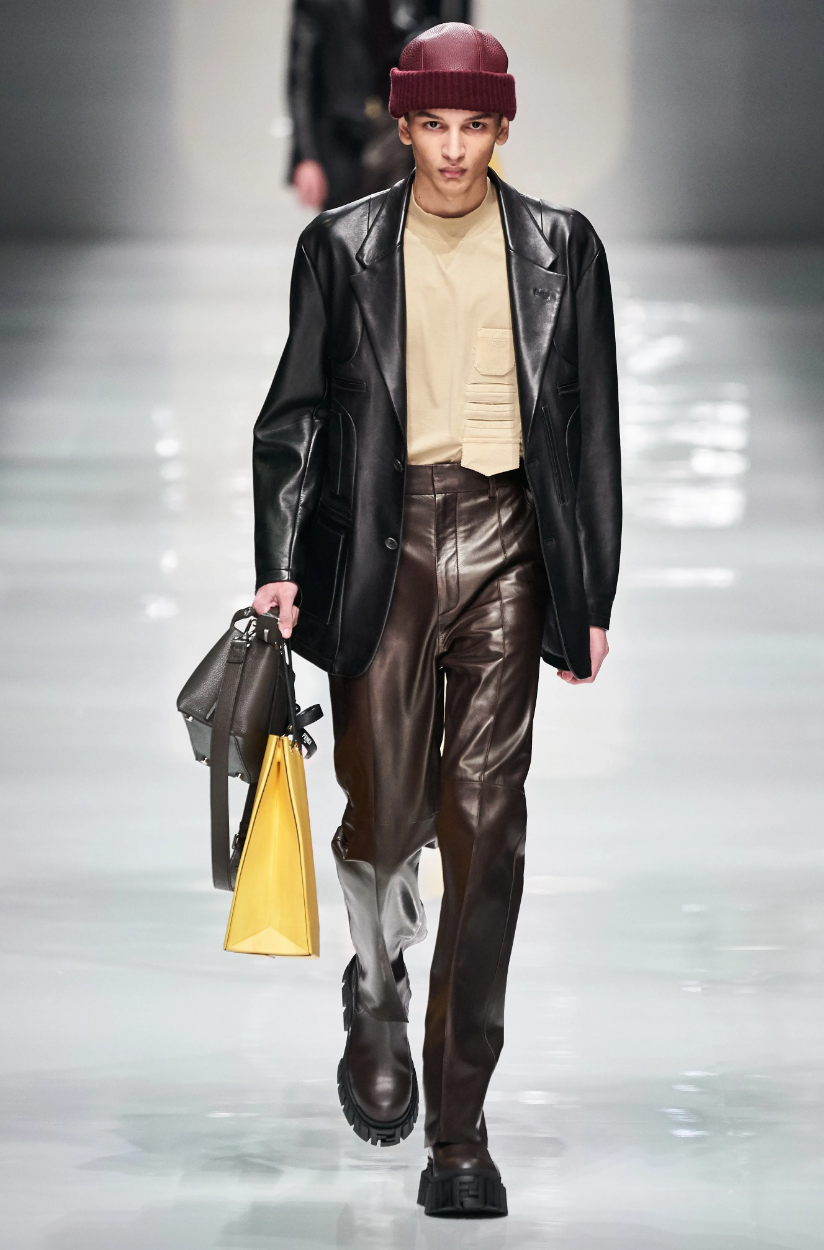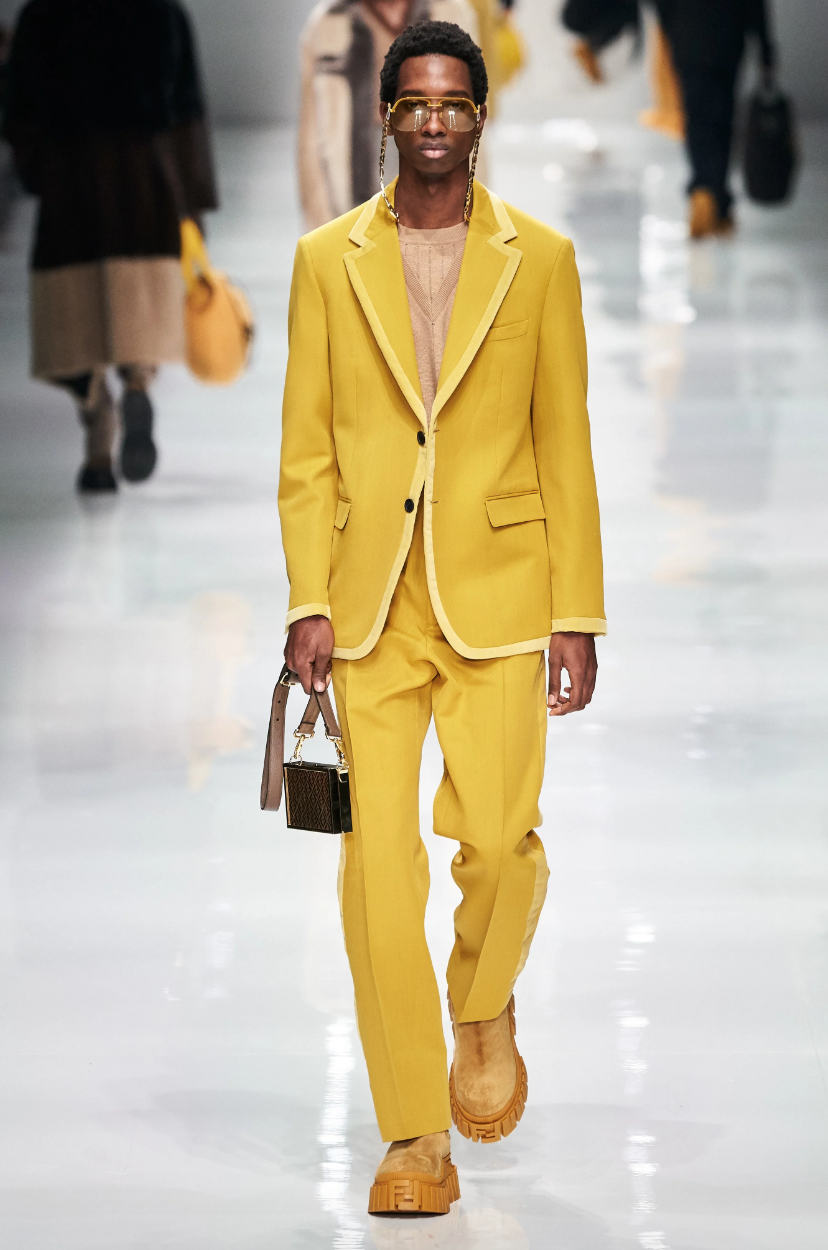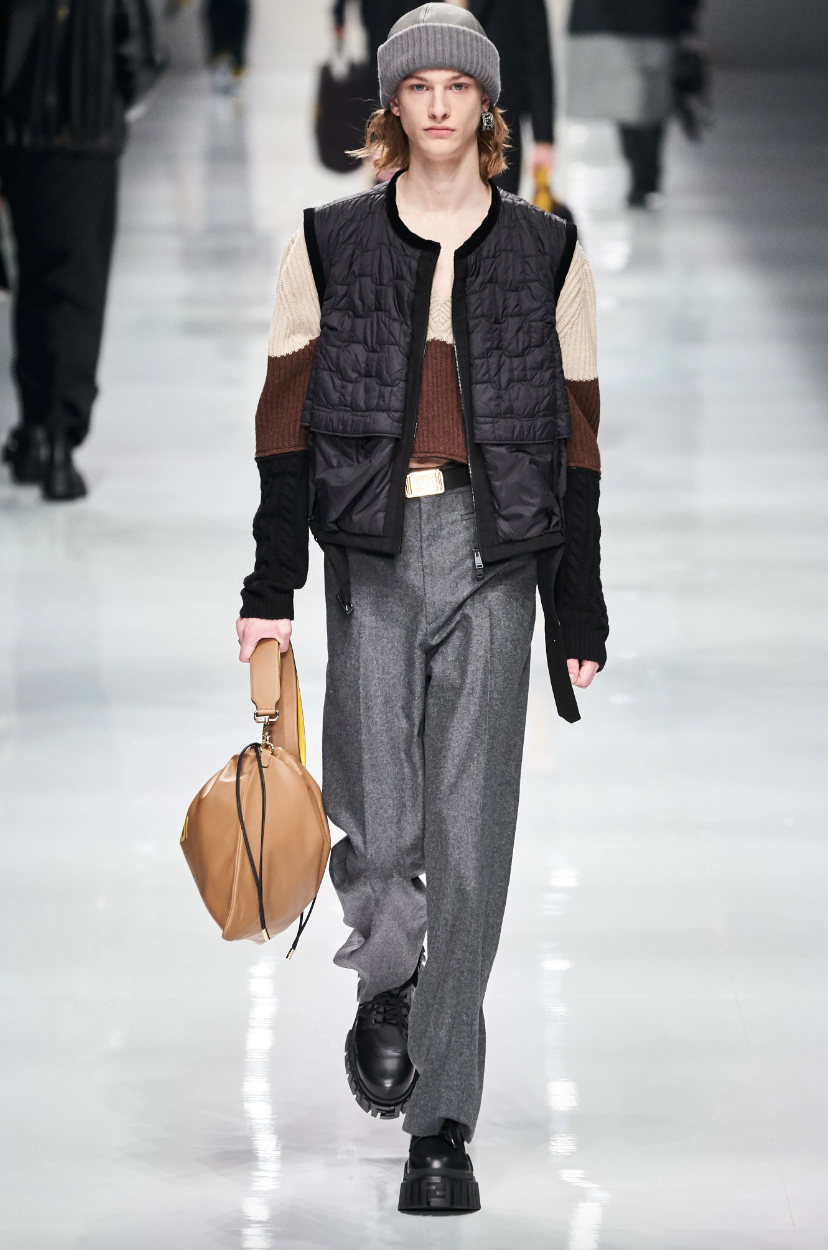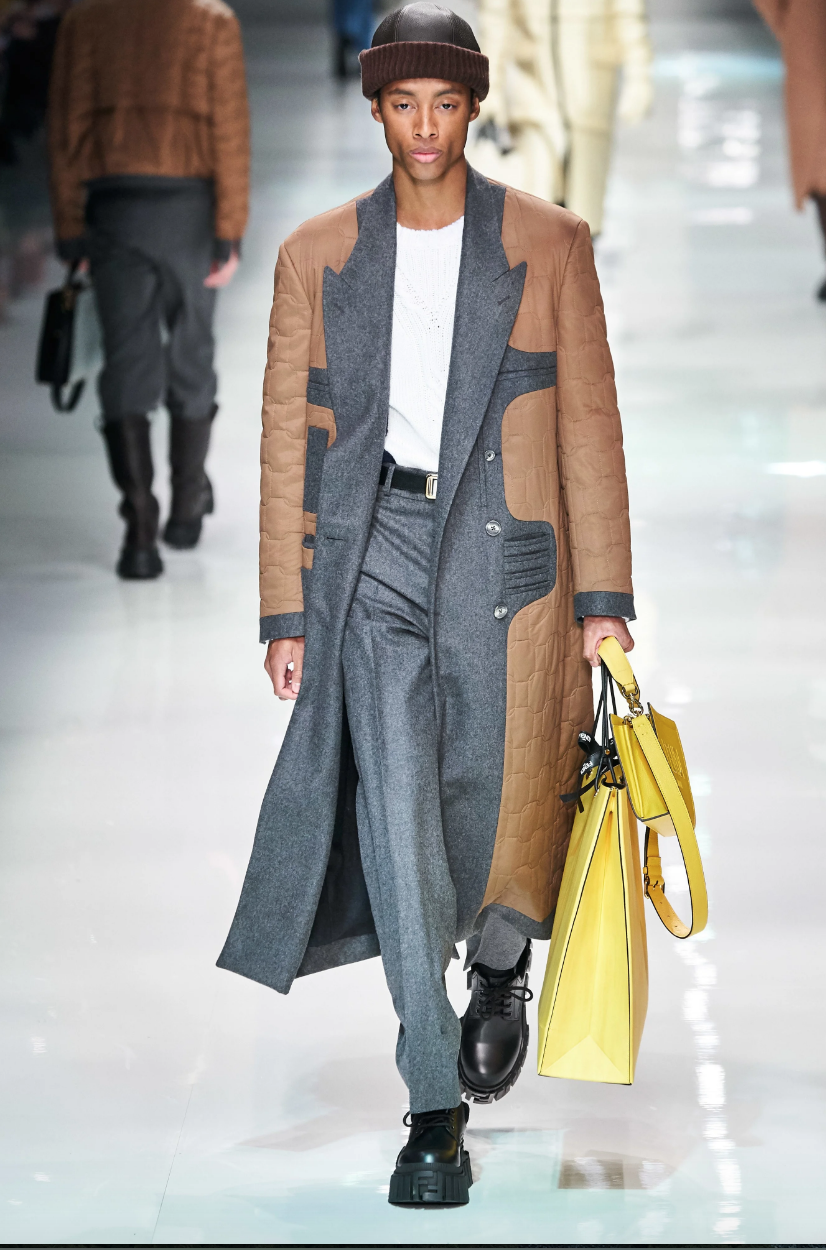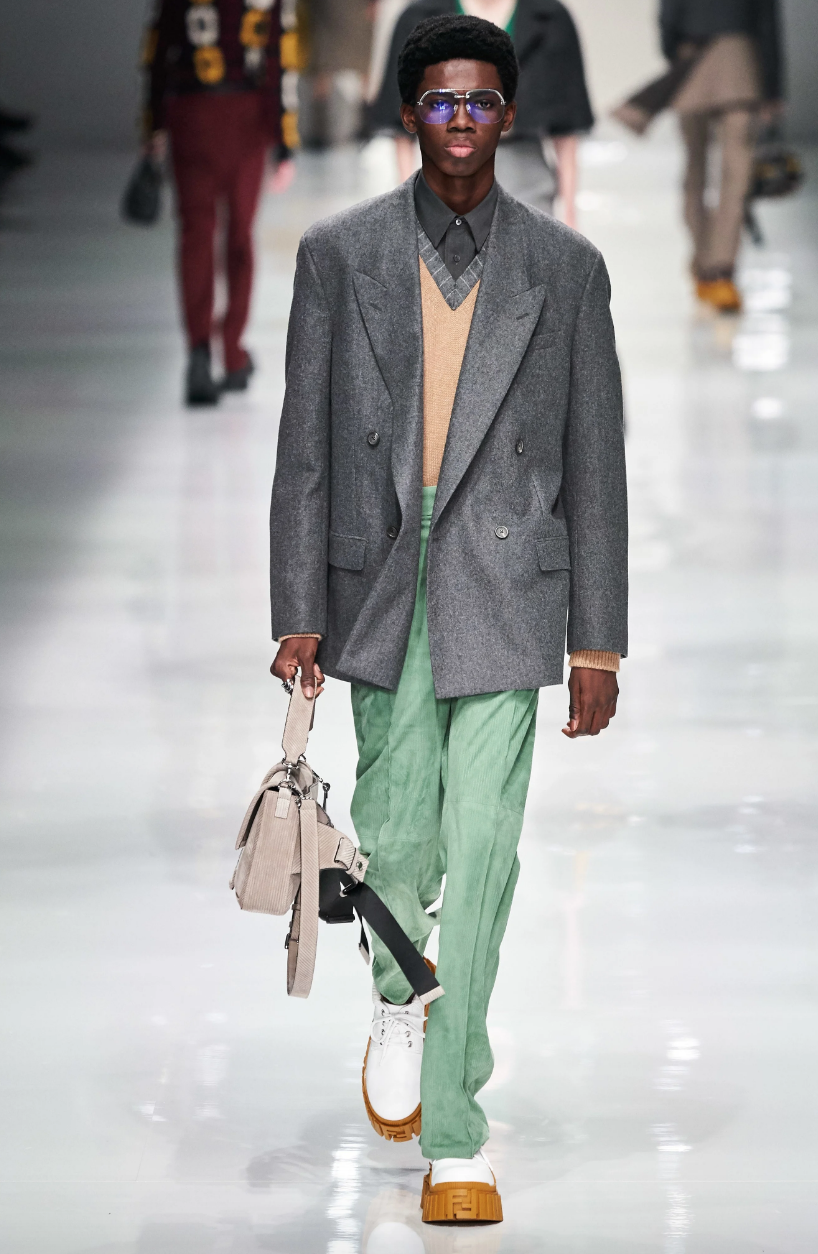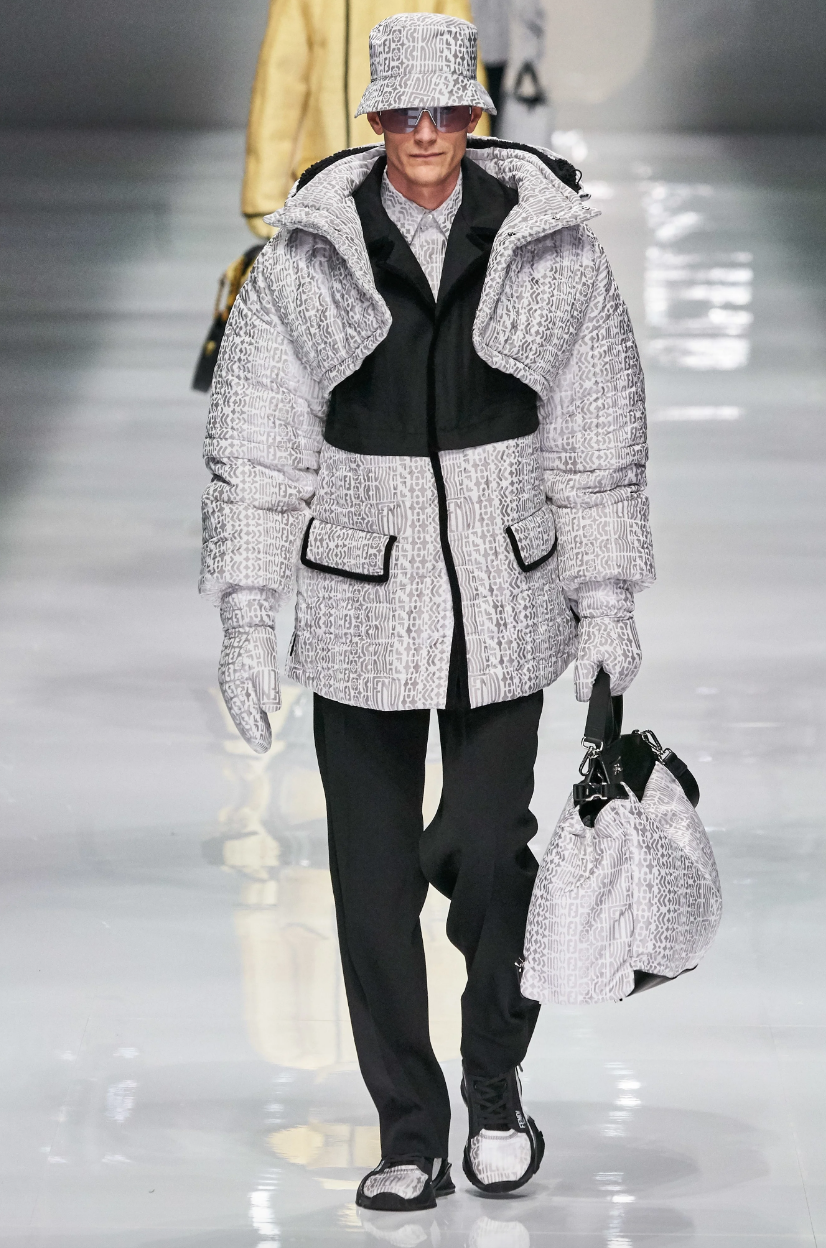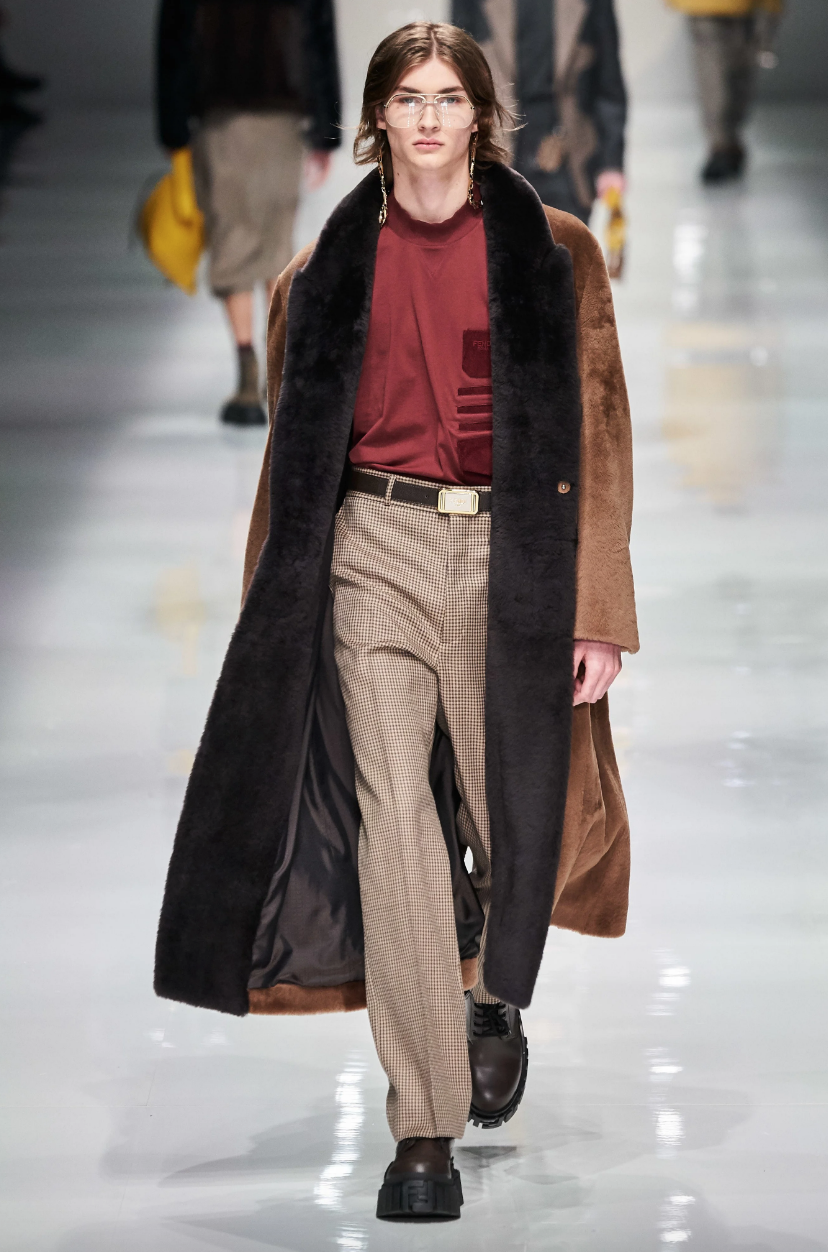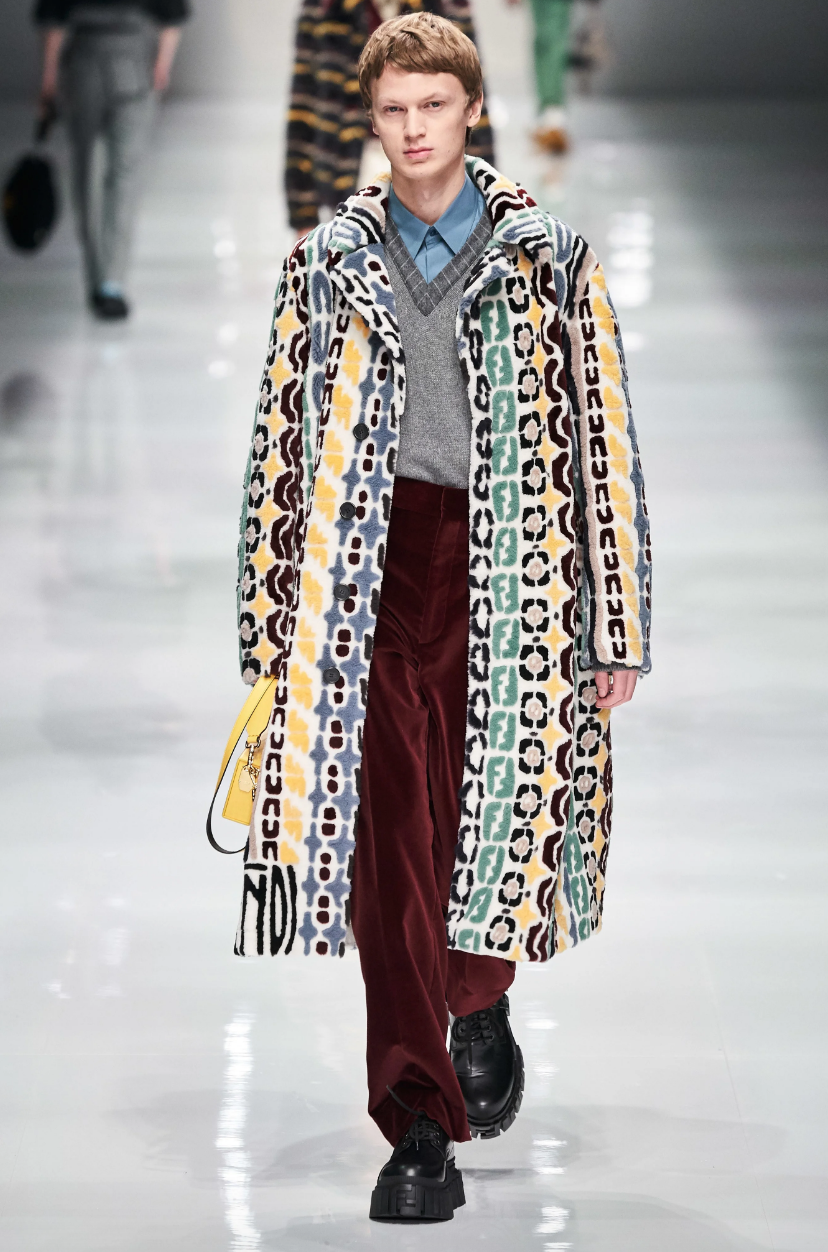
UNIQLO U Spring/Summer 2020 Collection
/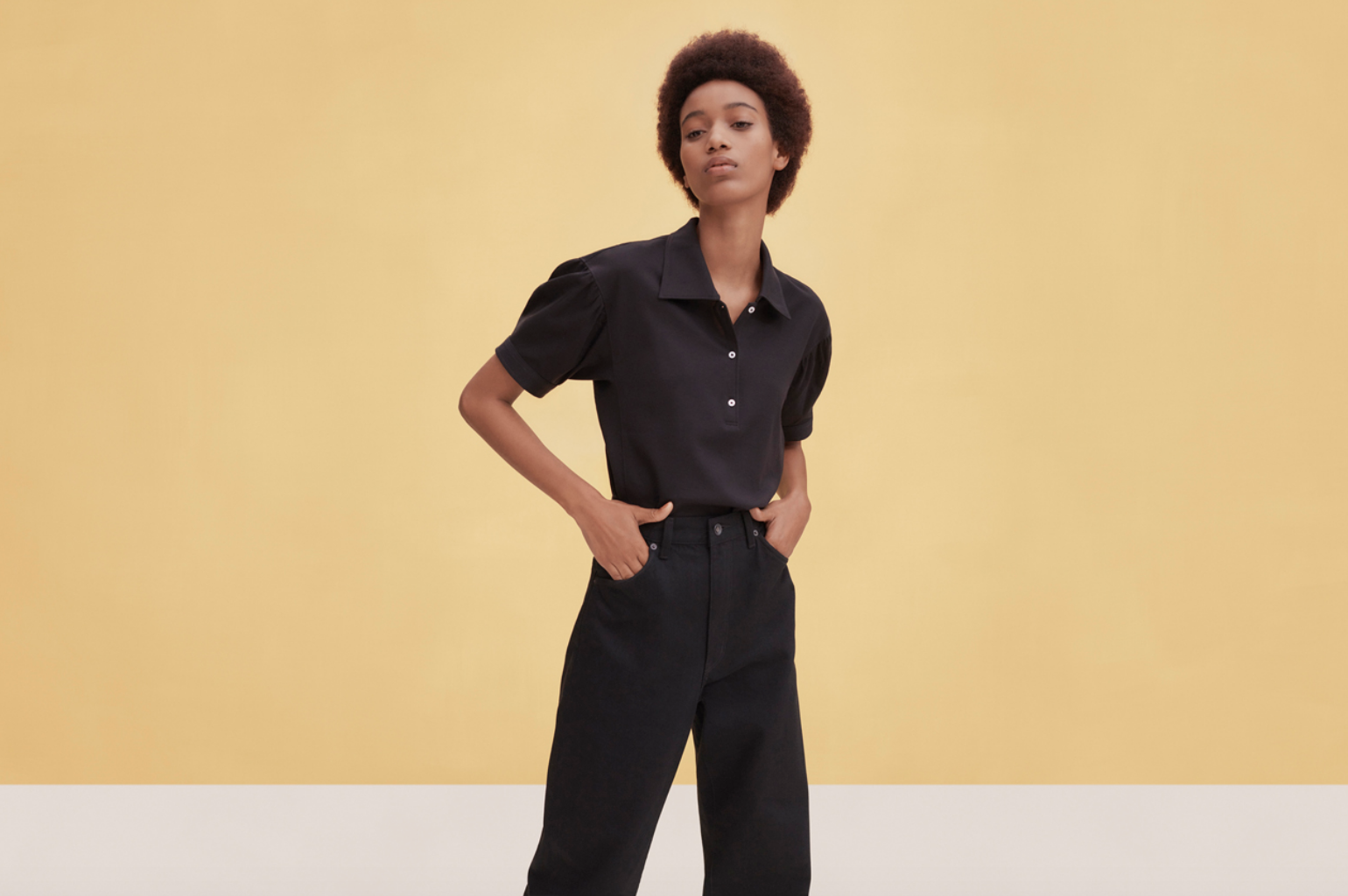
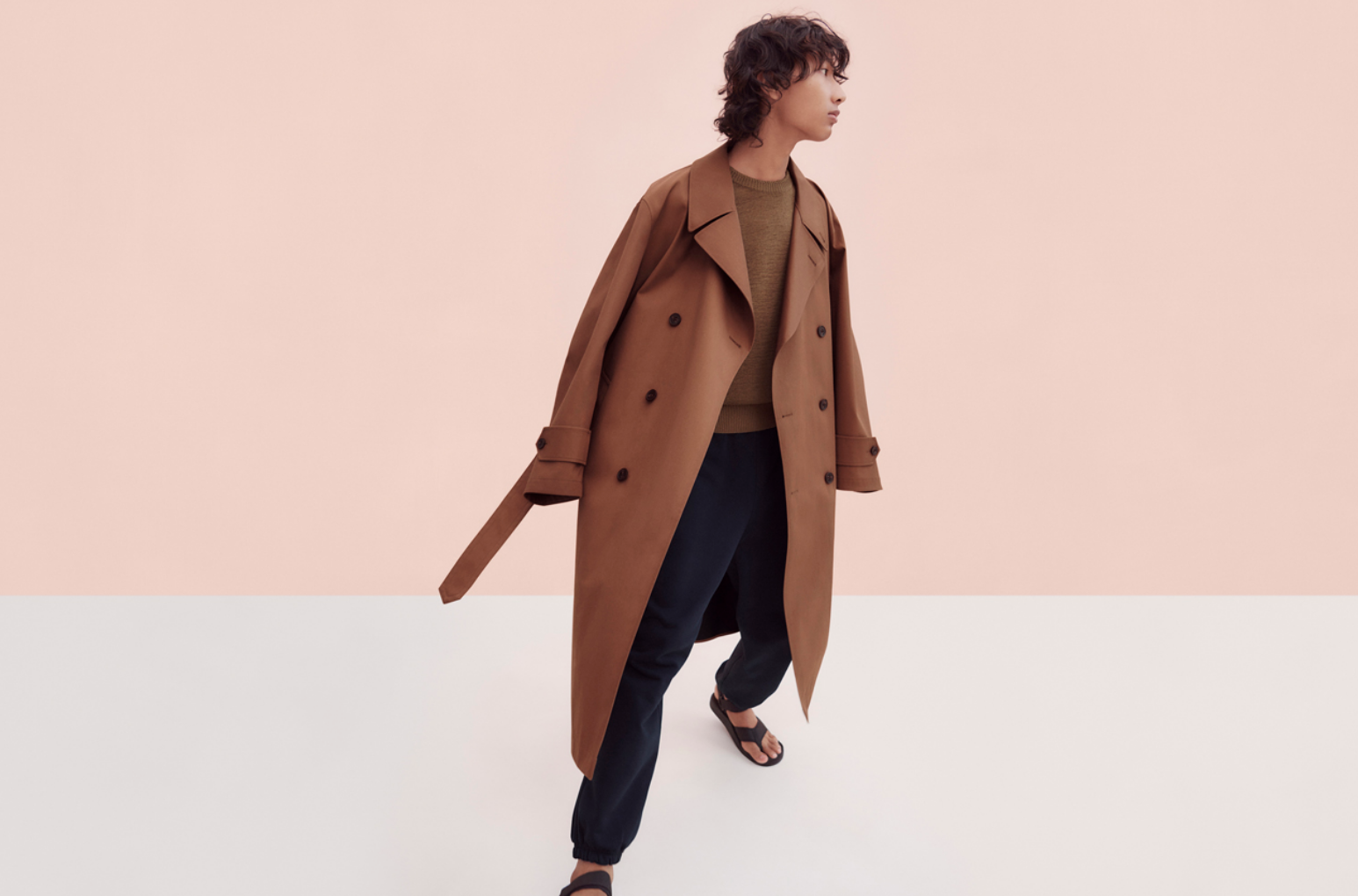
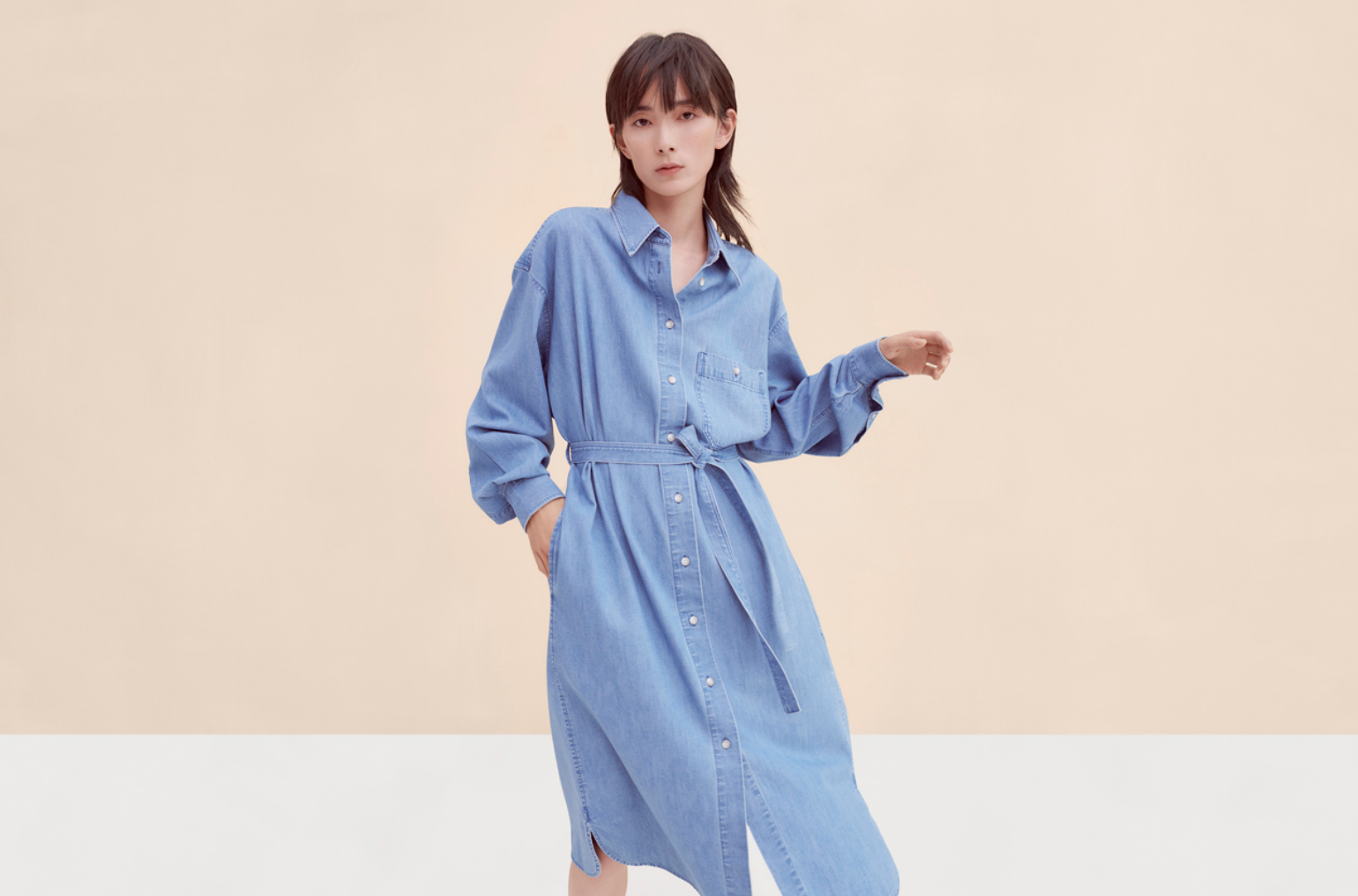
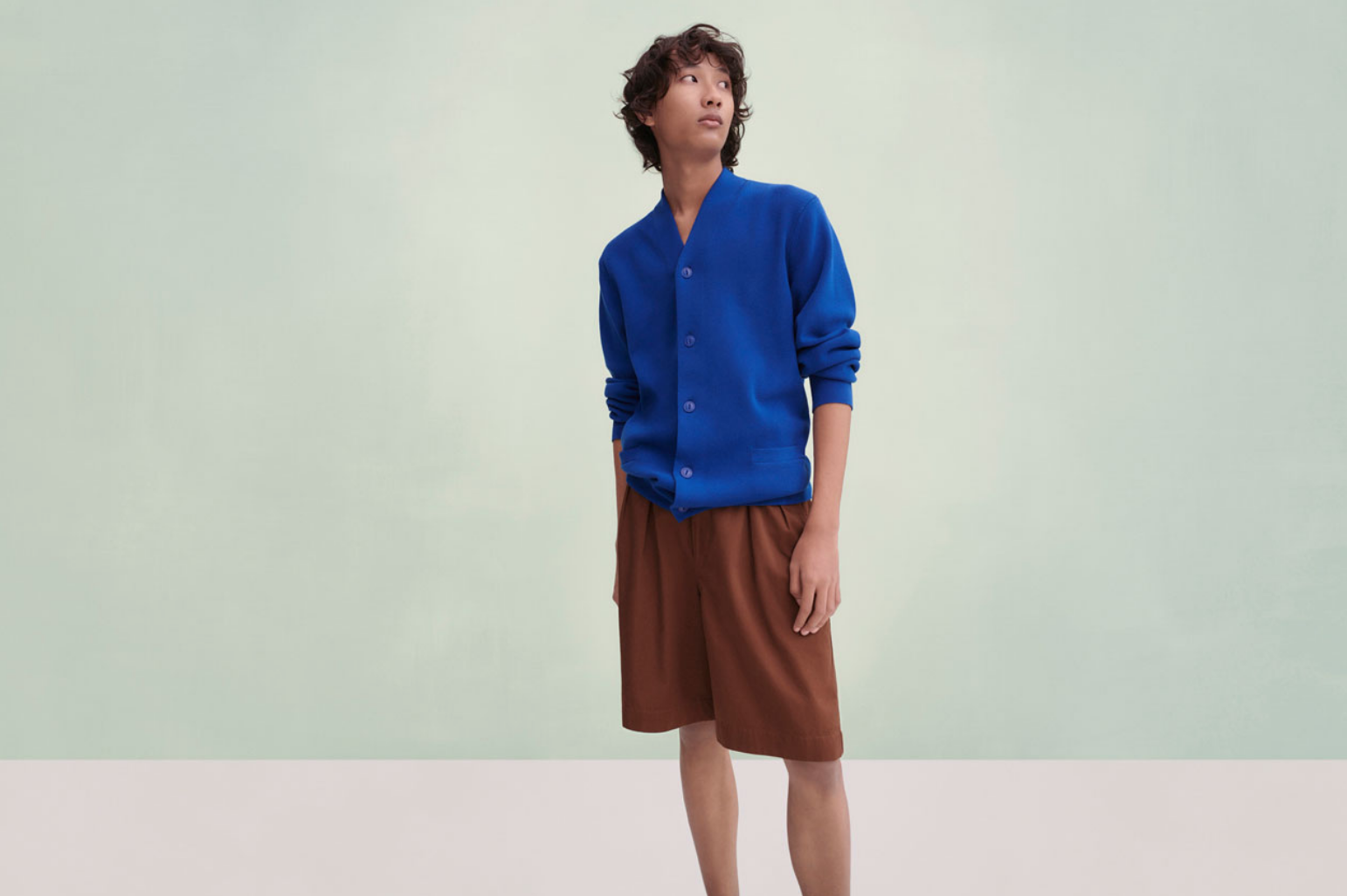
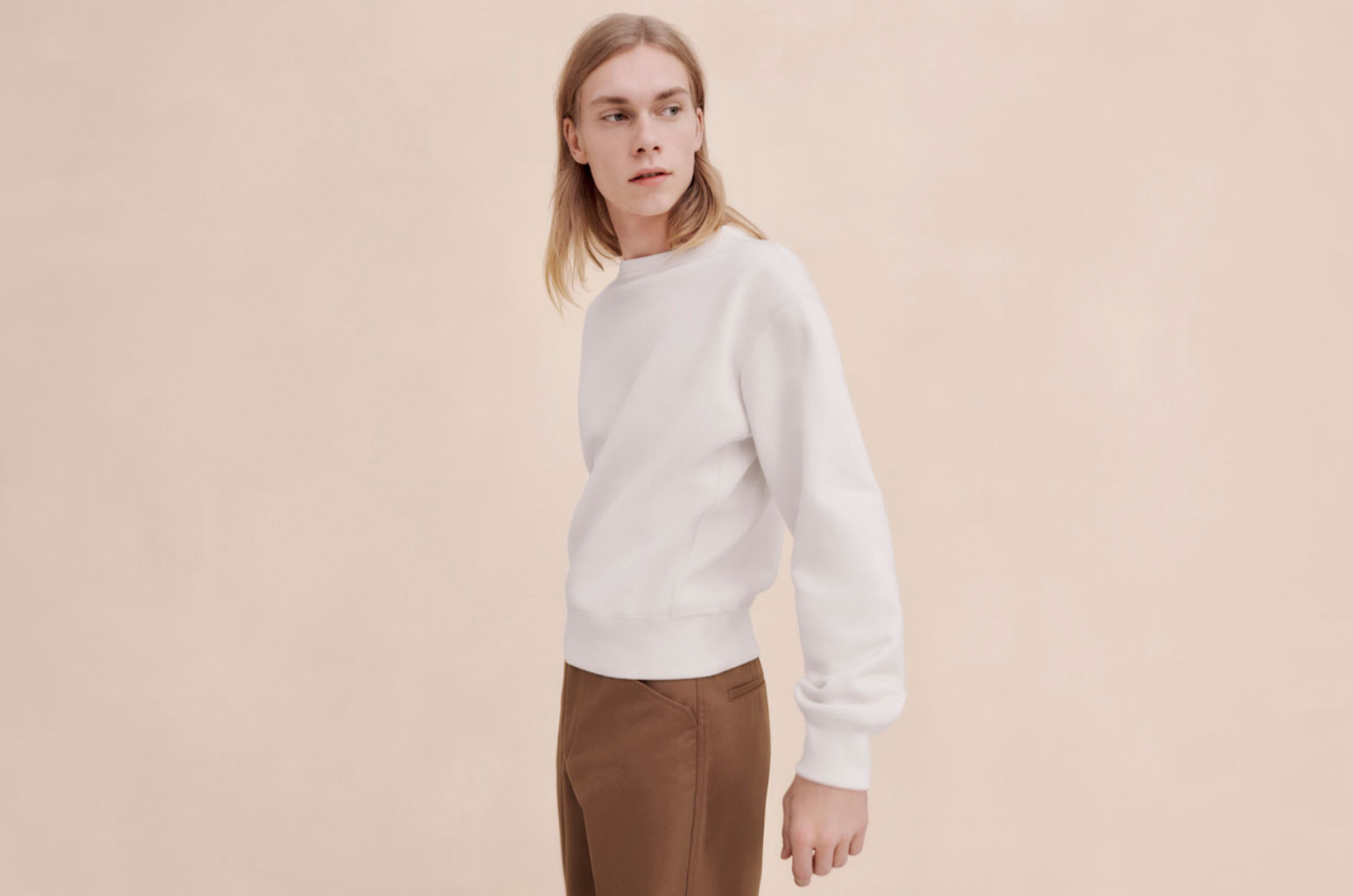
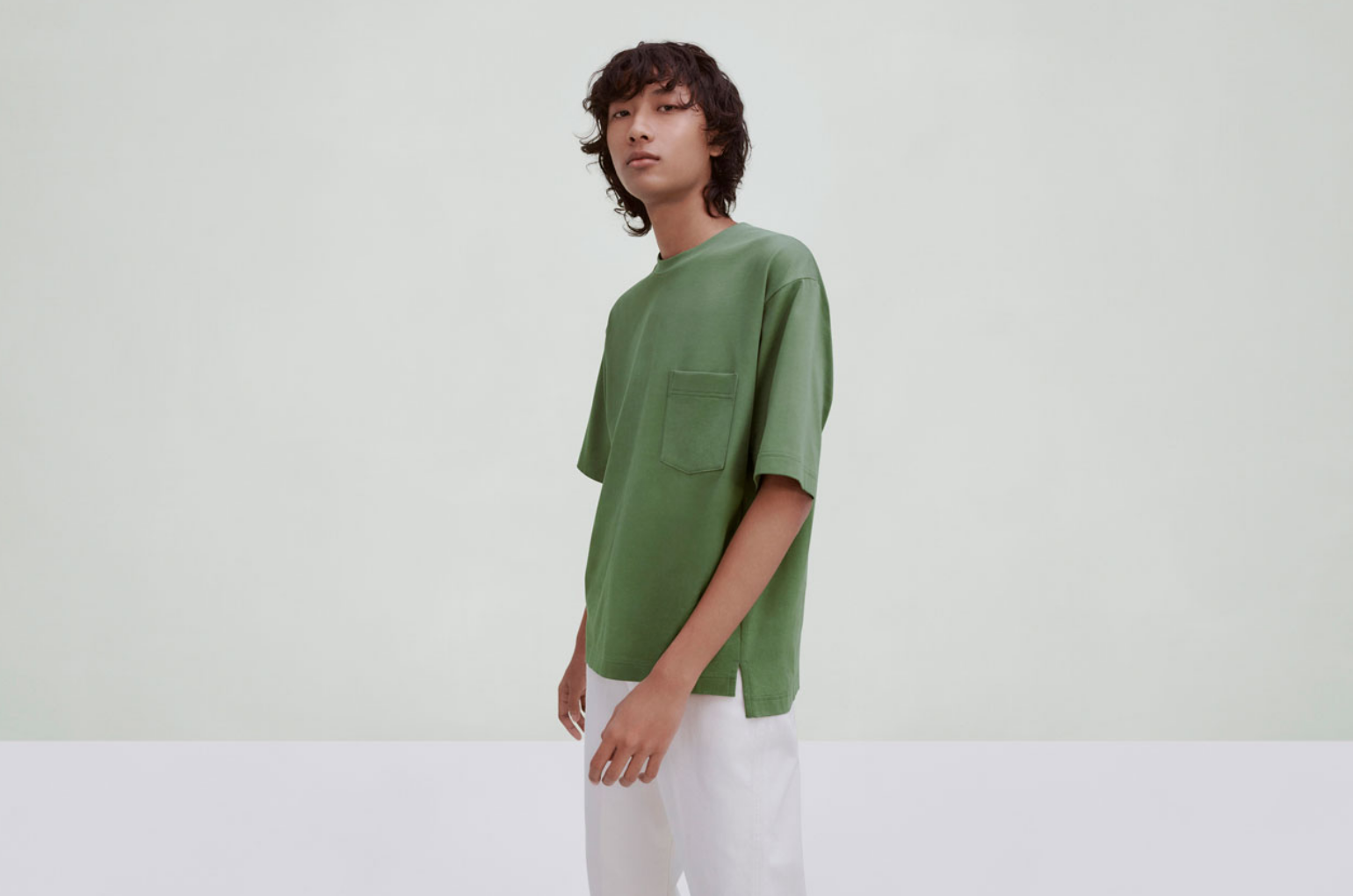
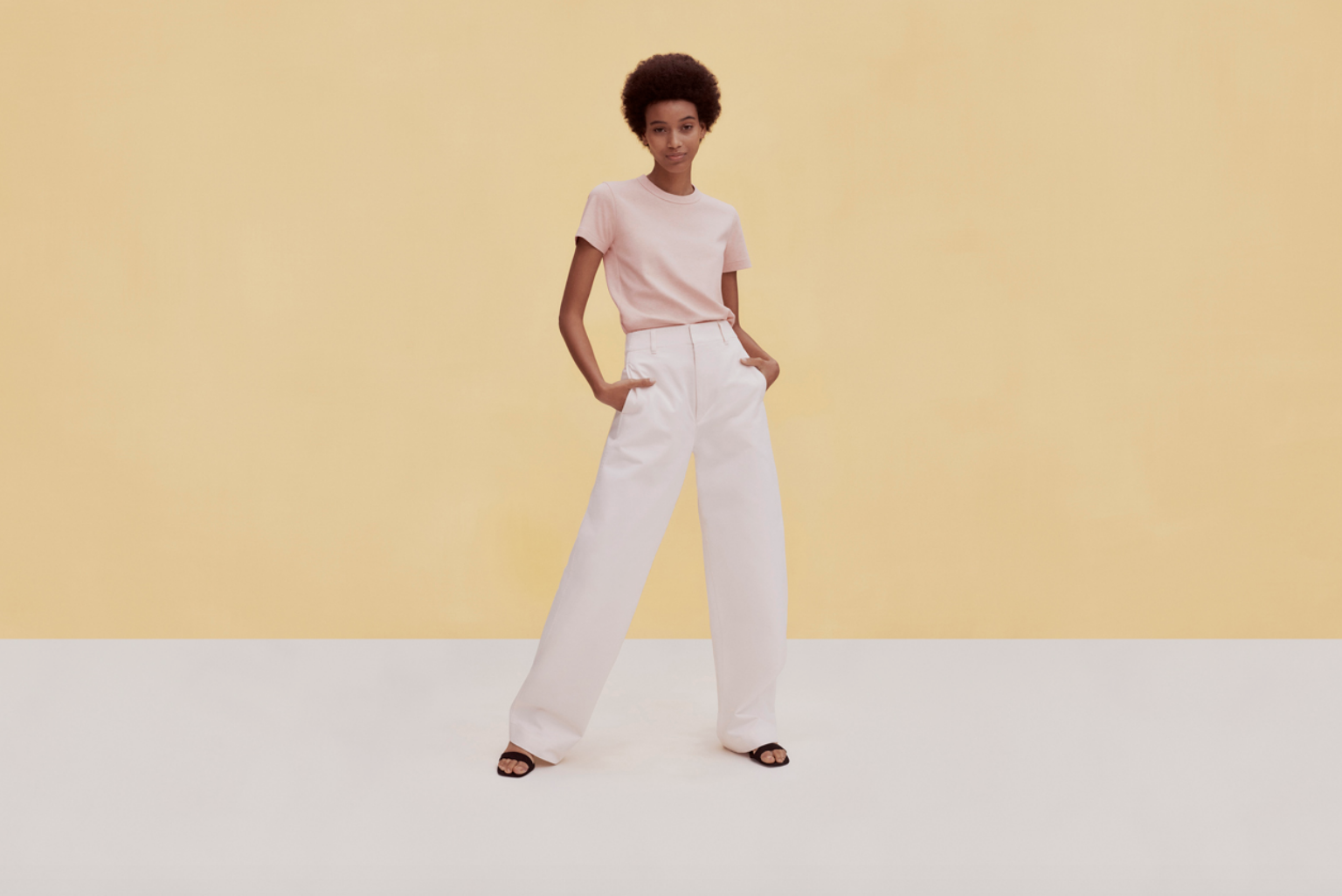
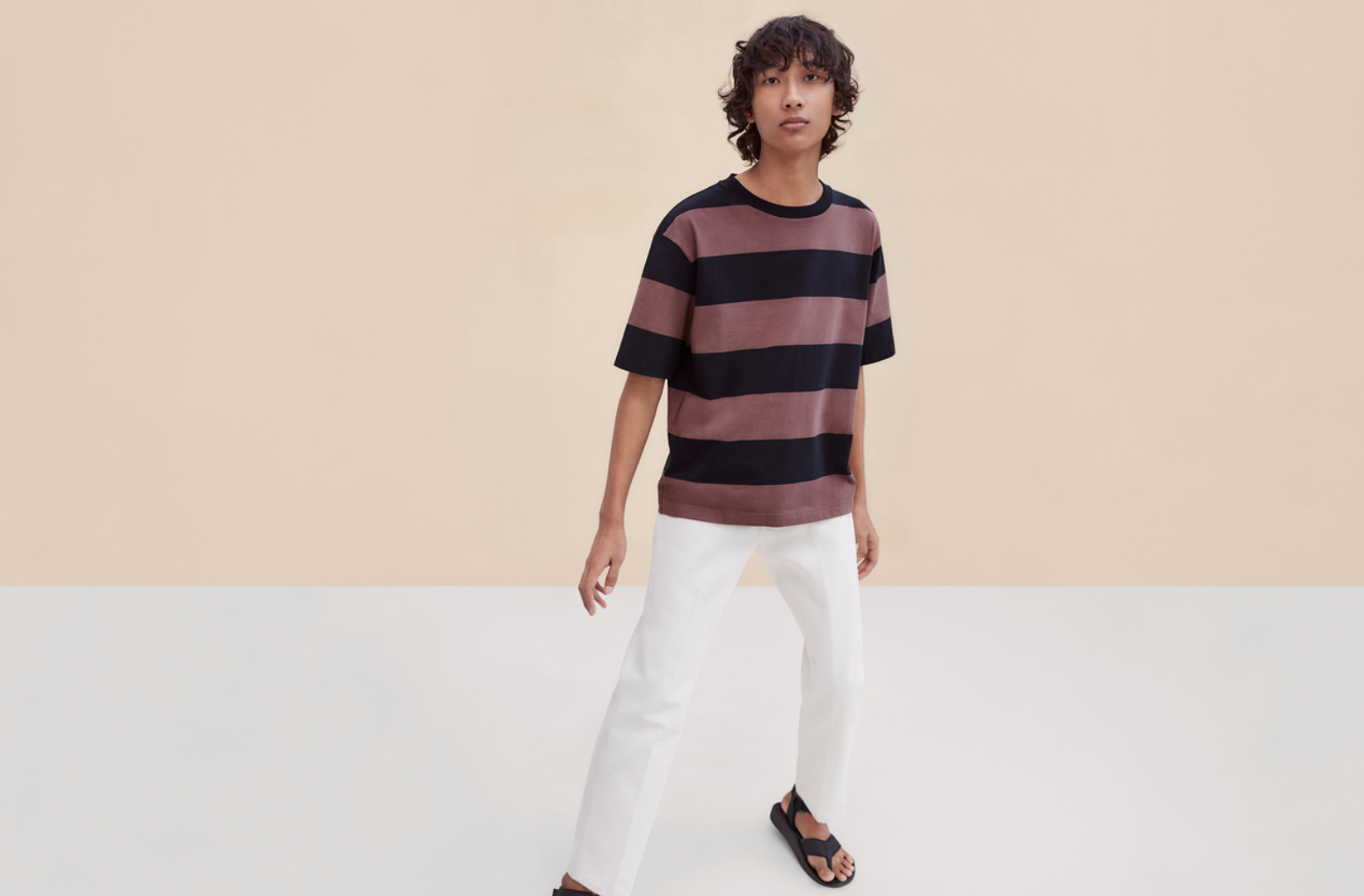
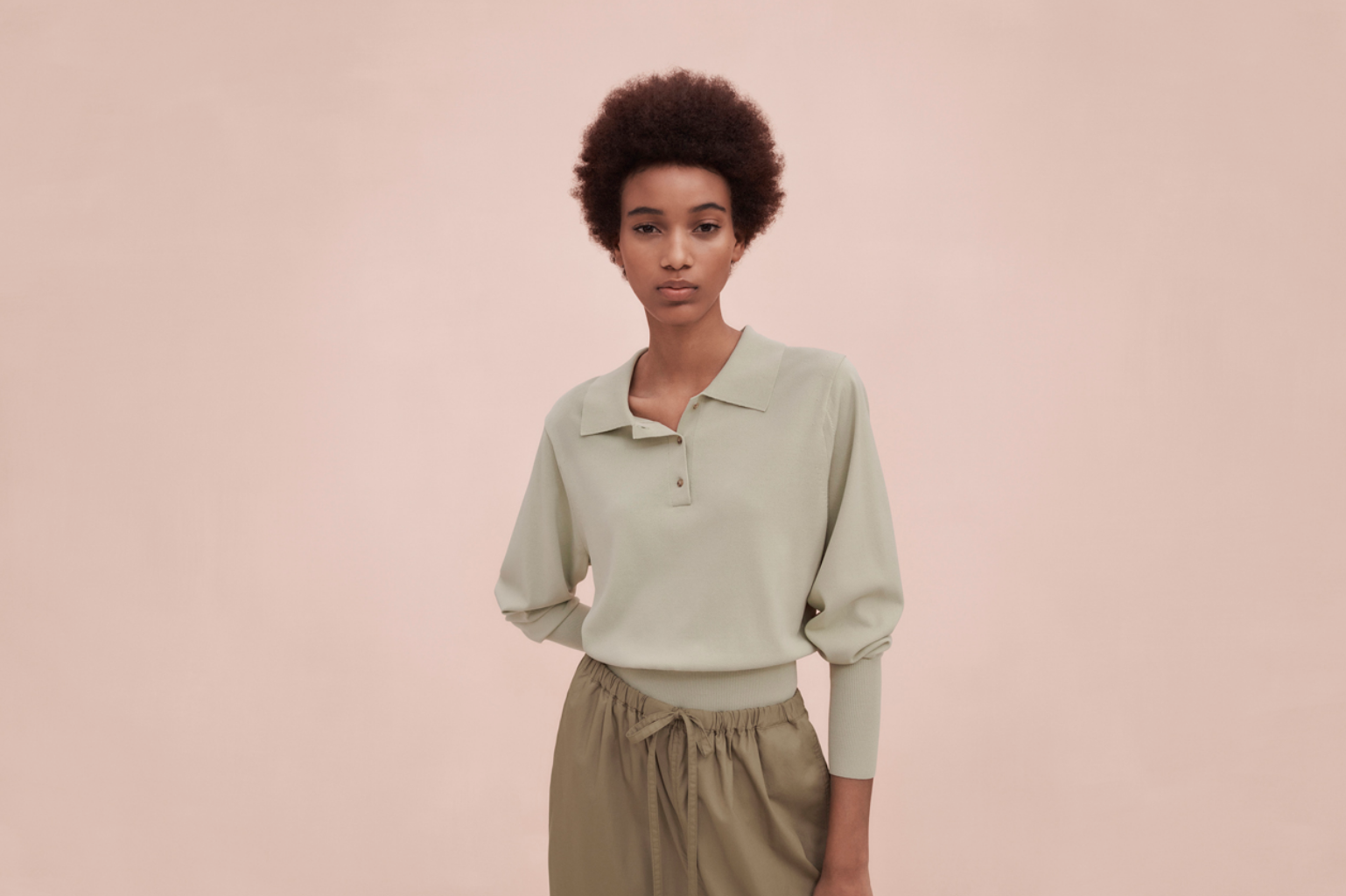
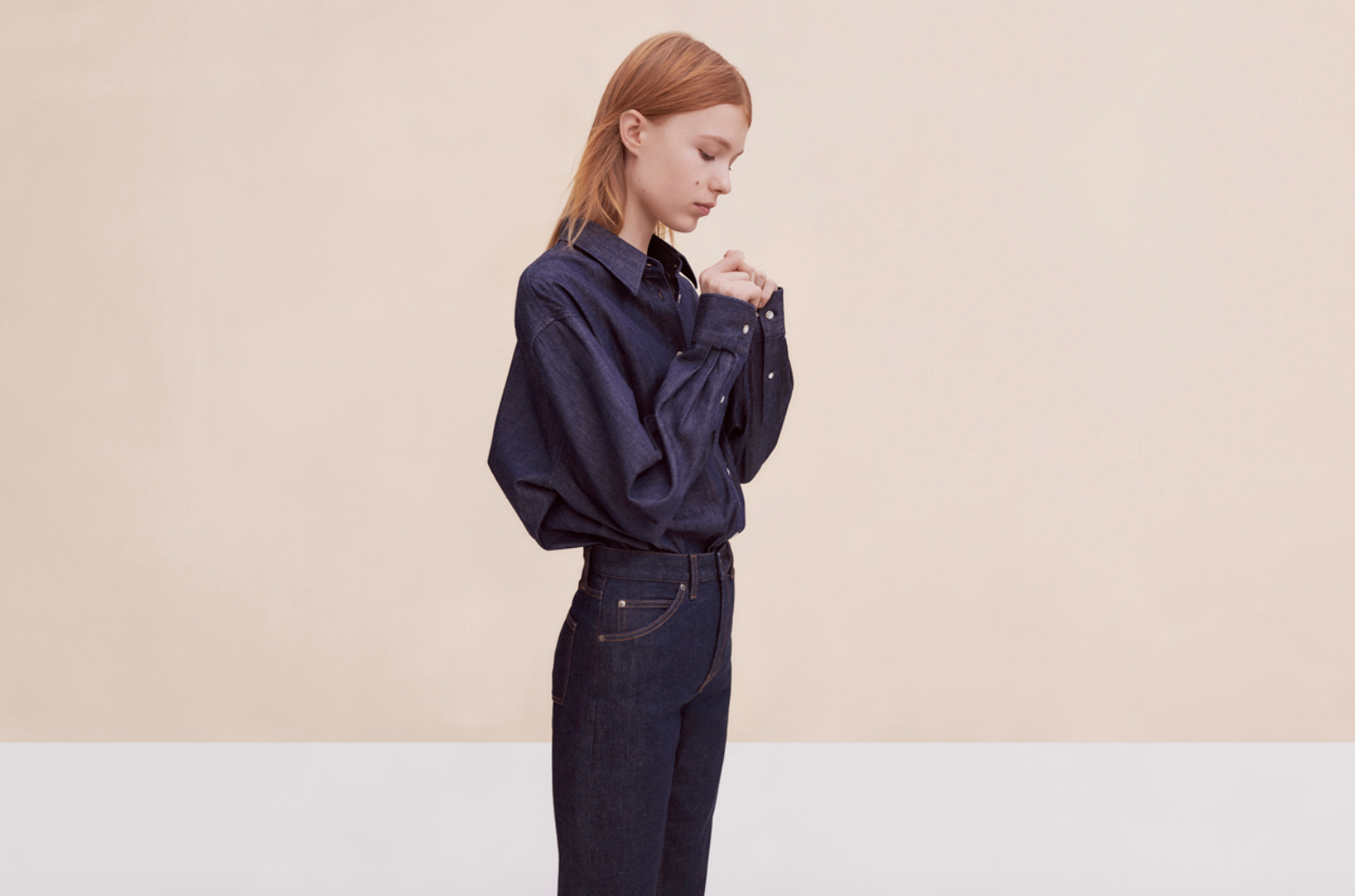
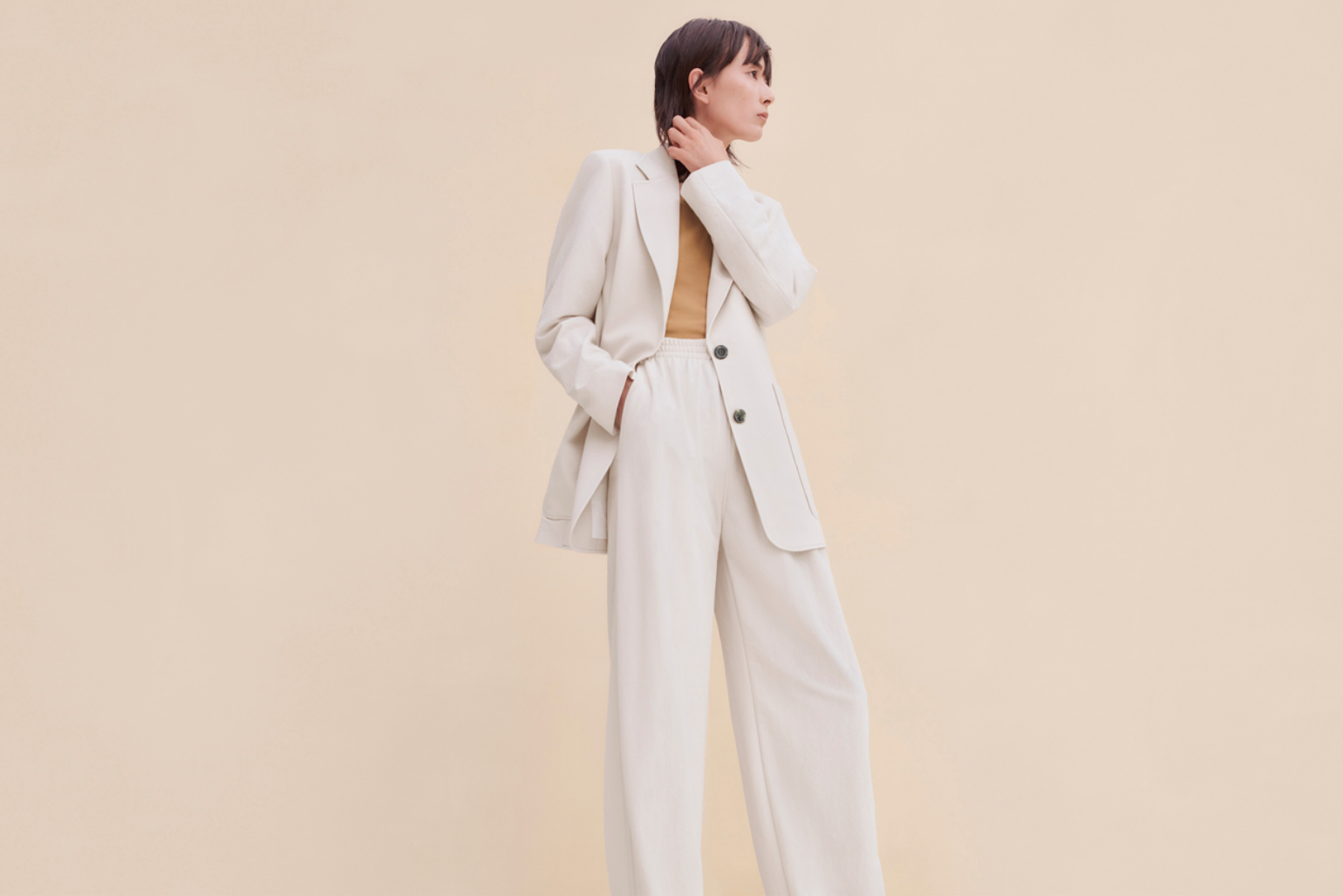
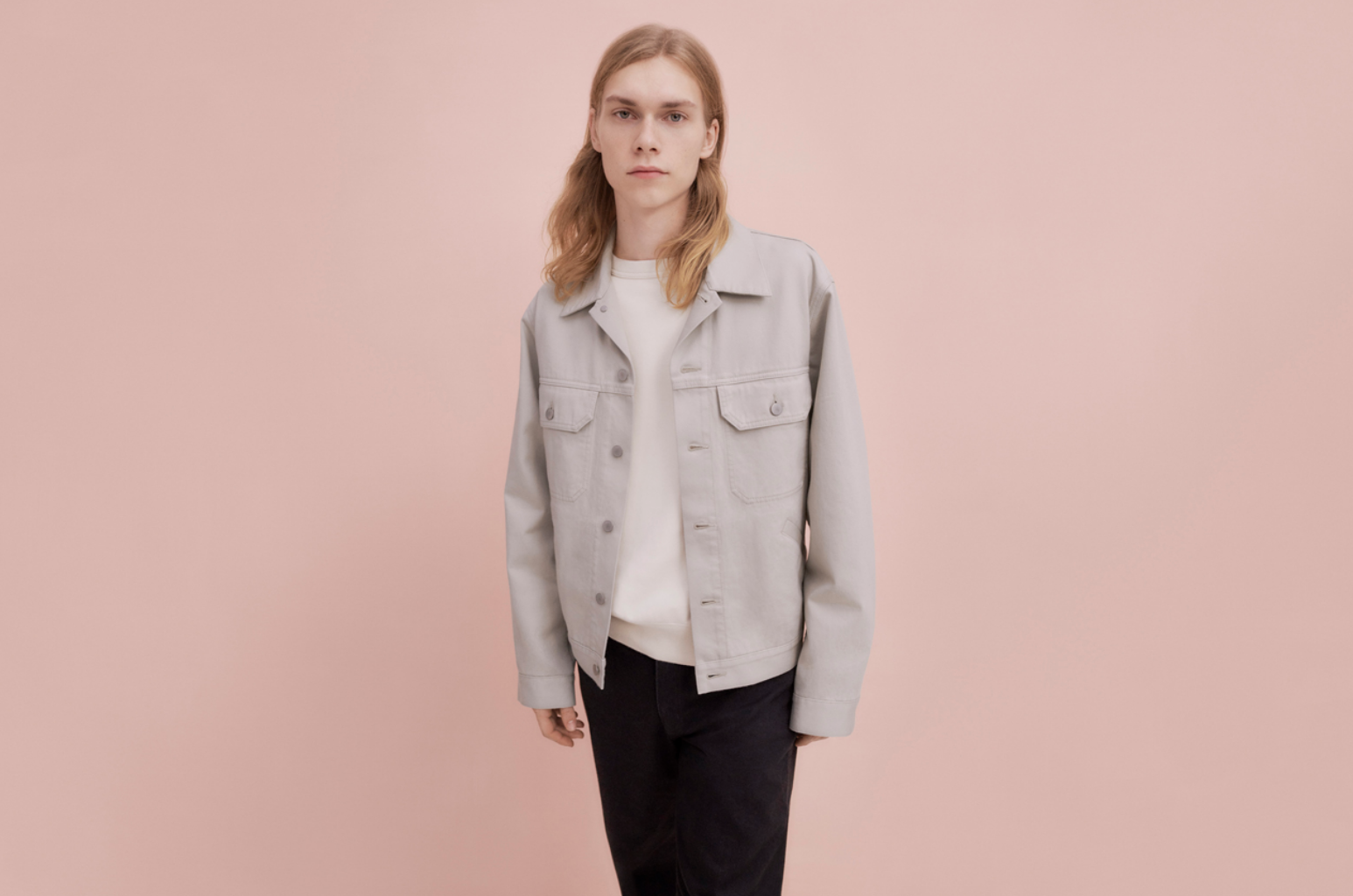
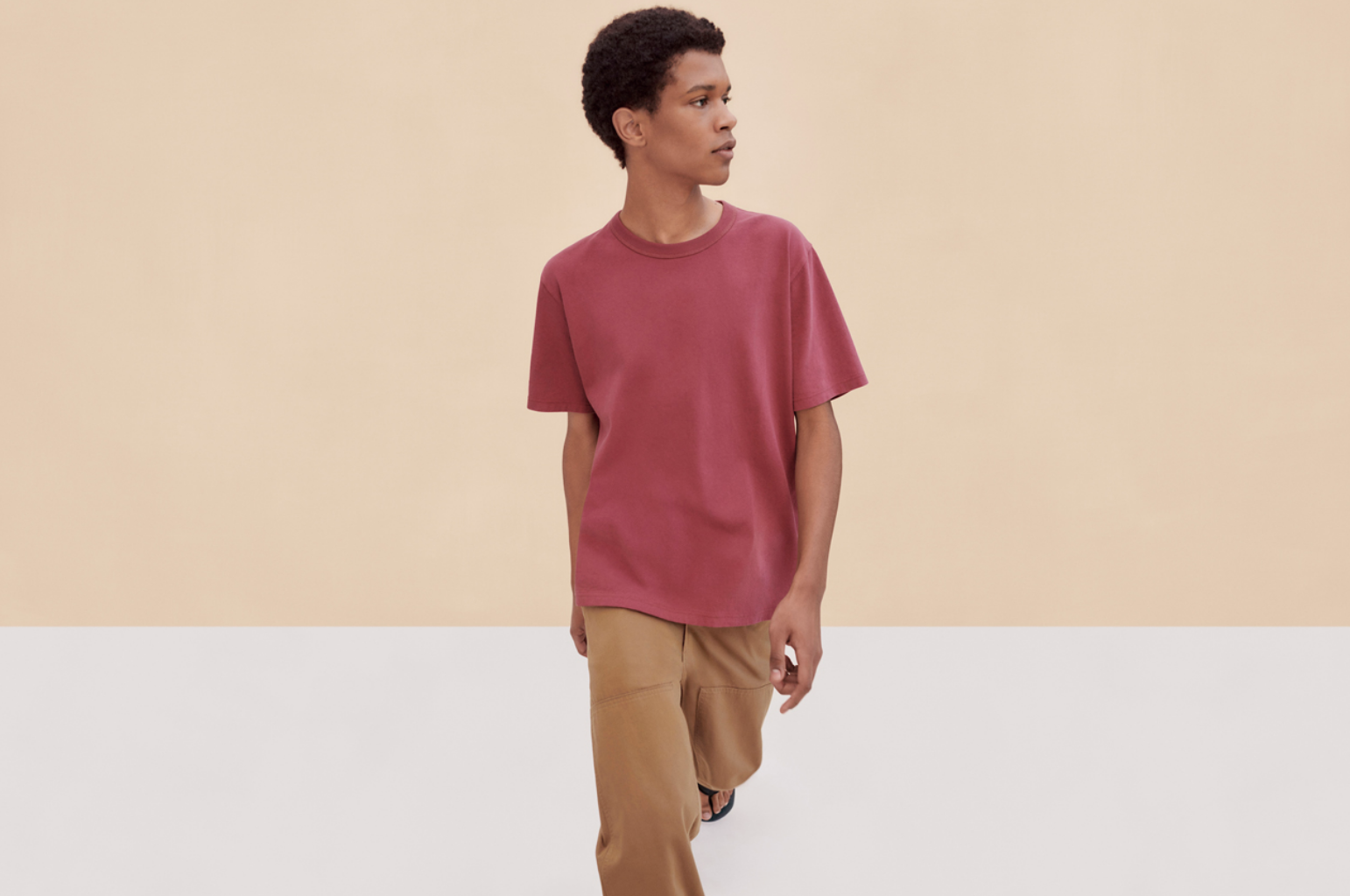
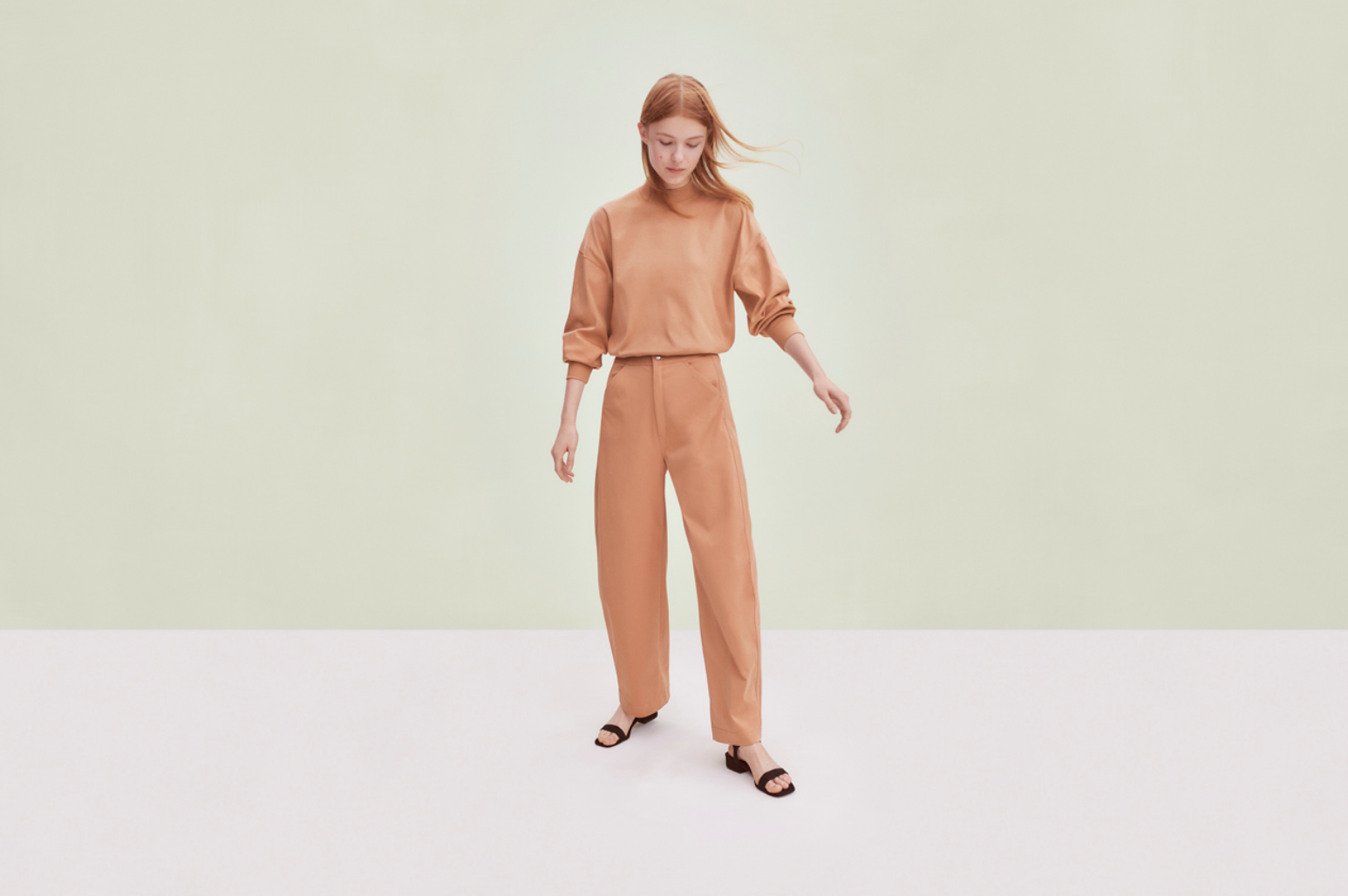
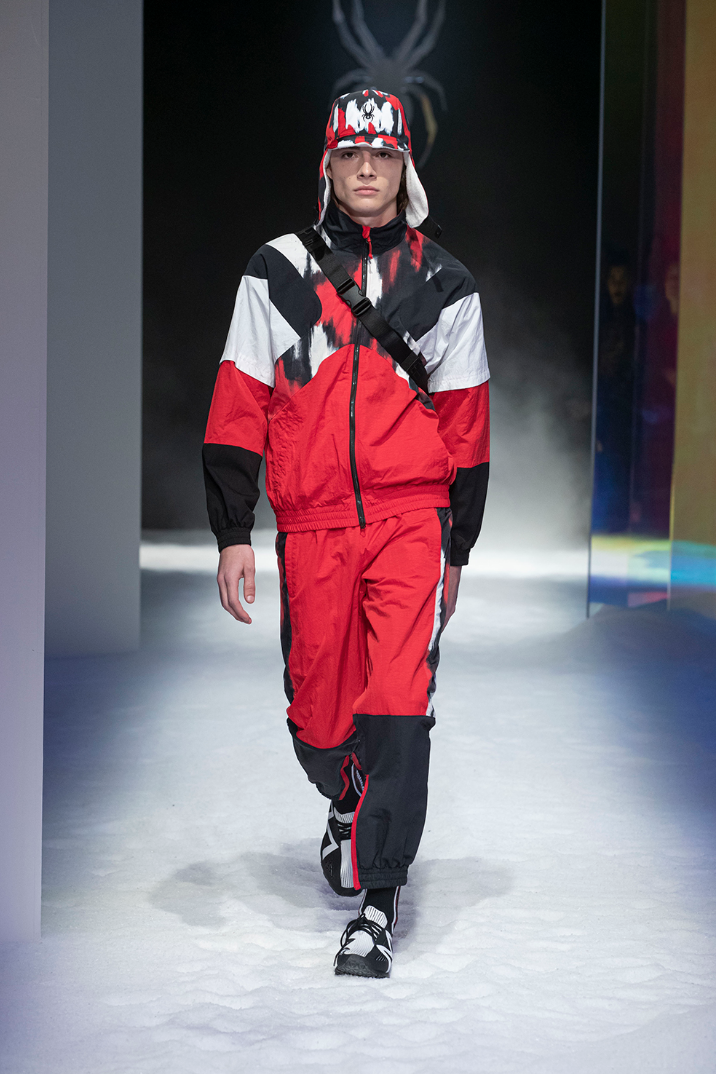
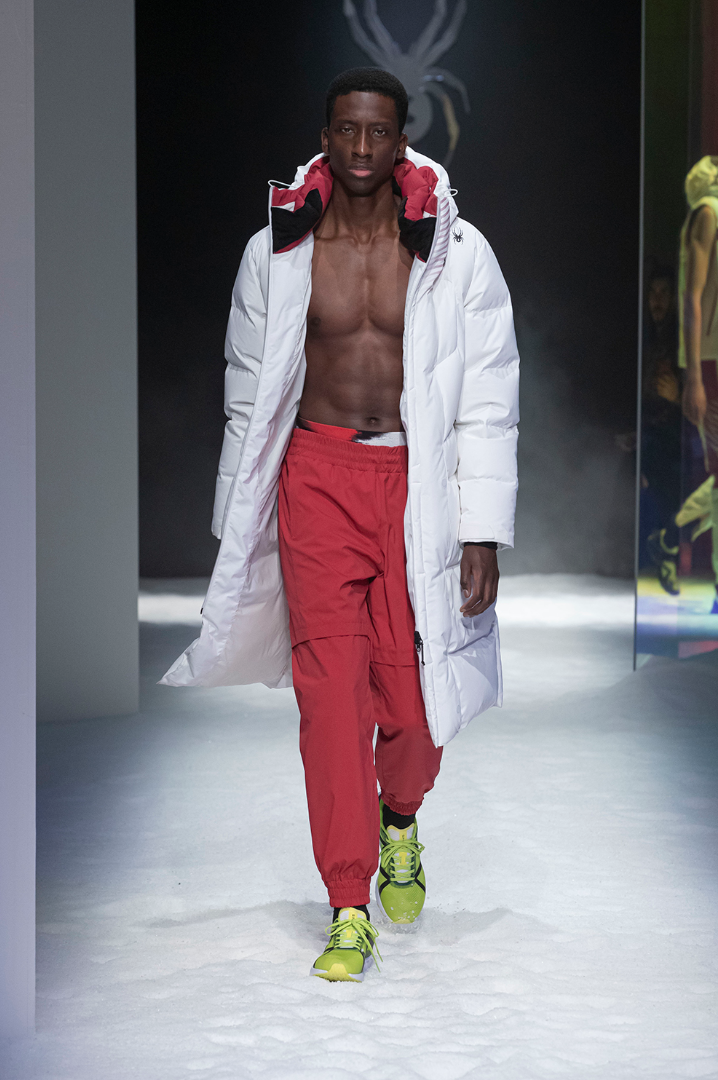
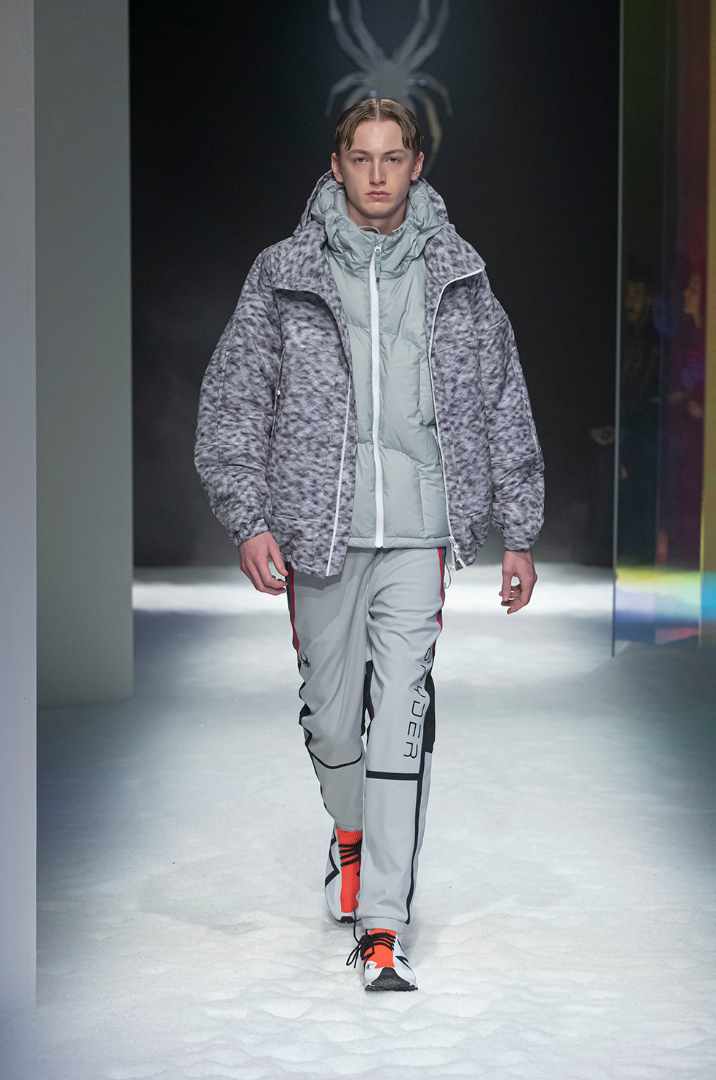
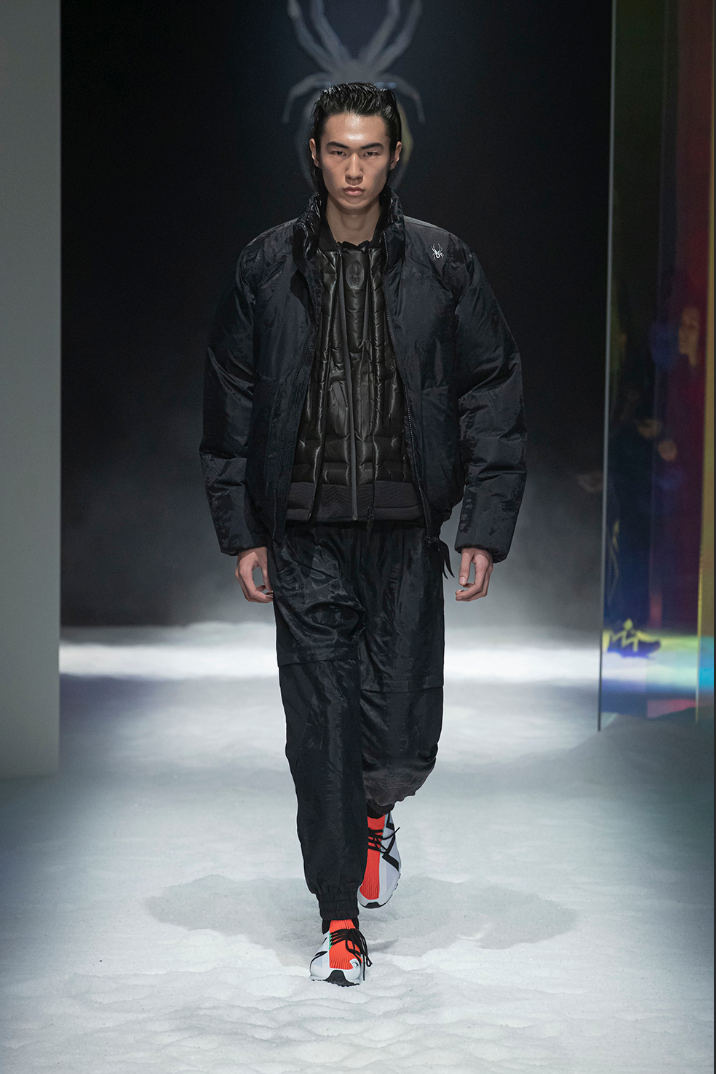
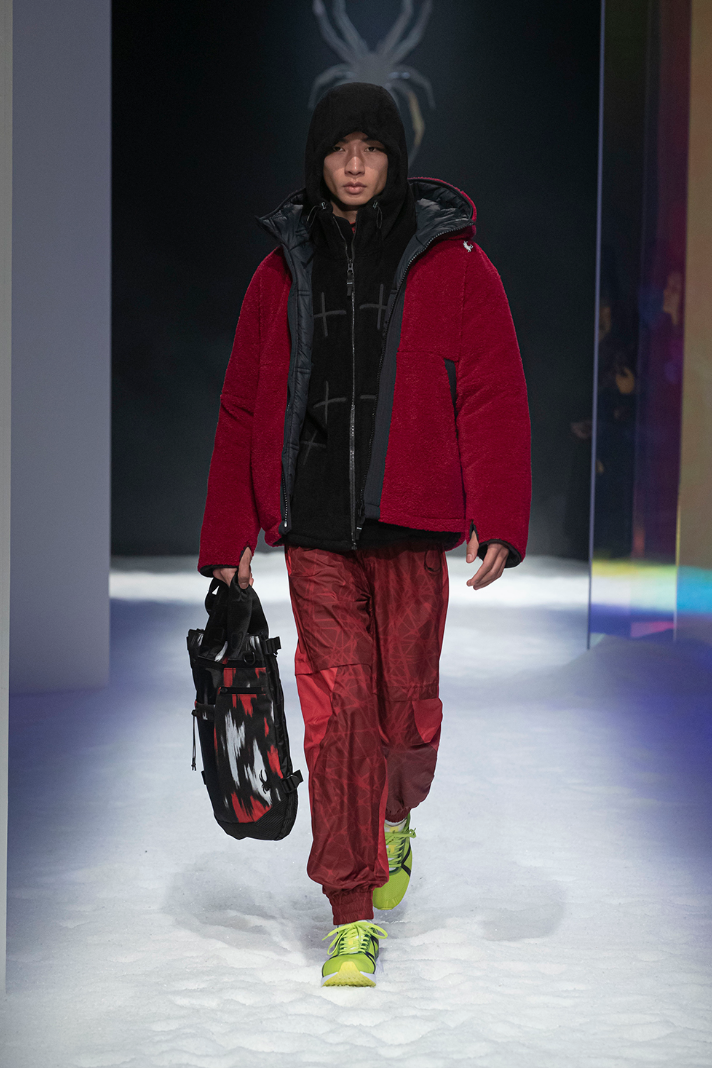
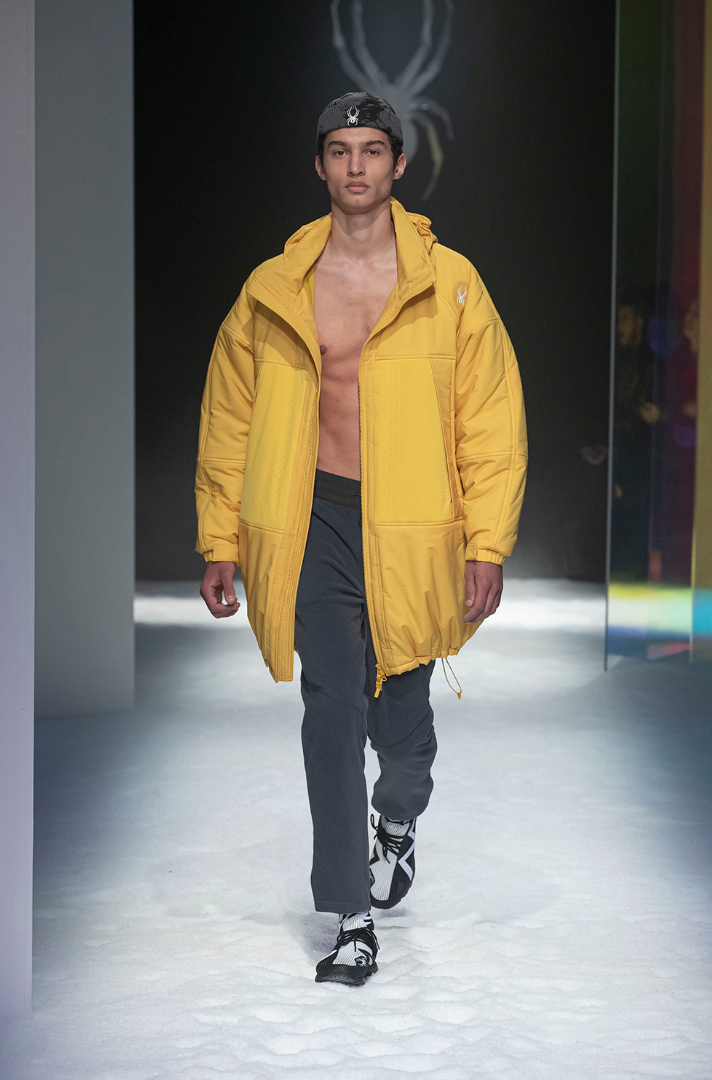
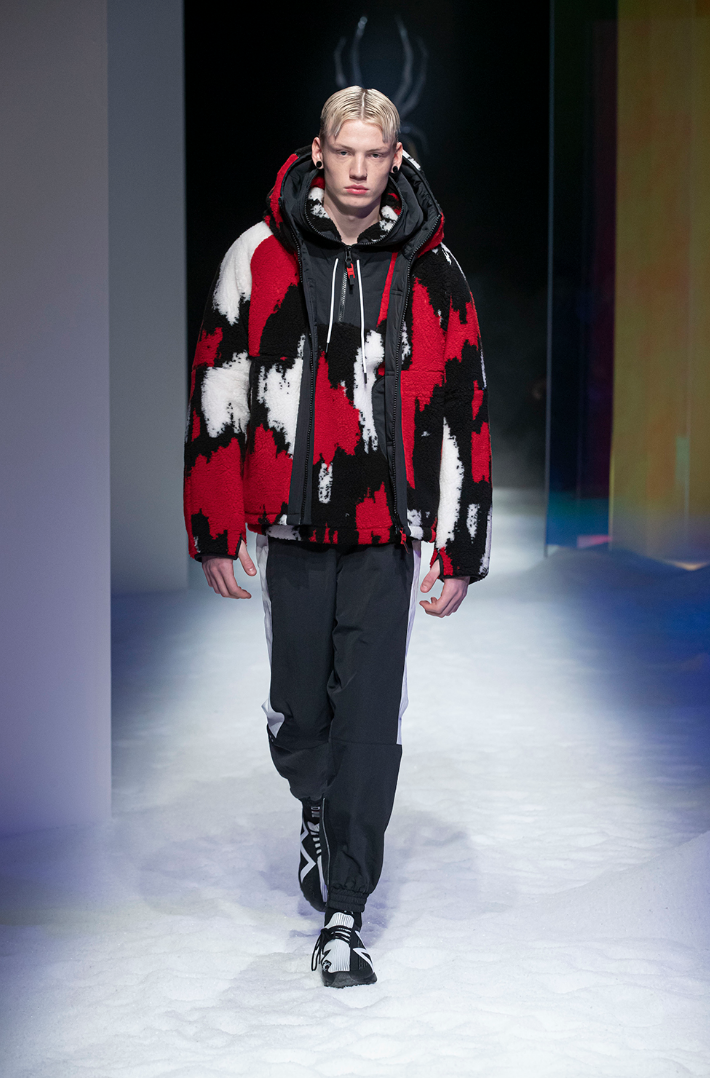
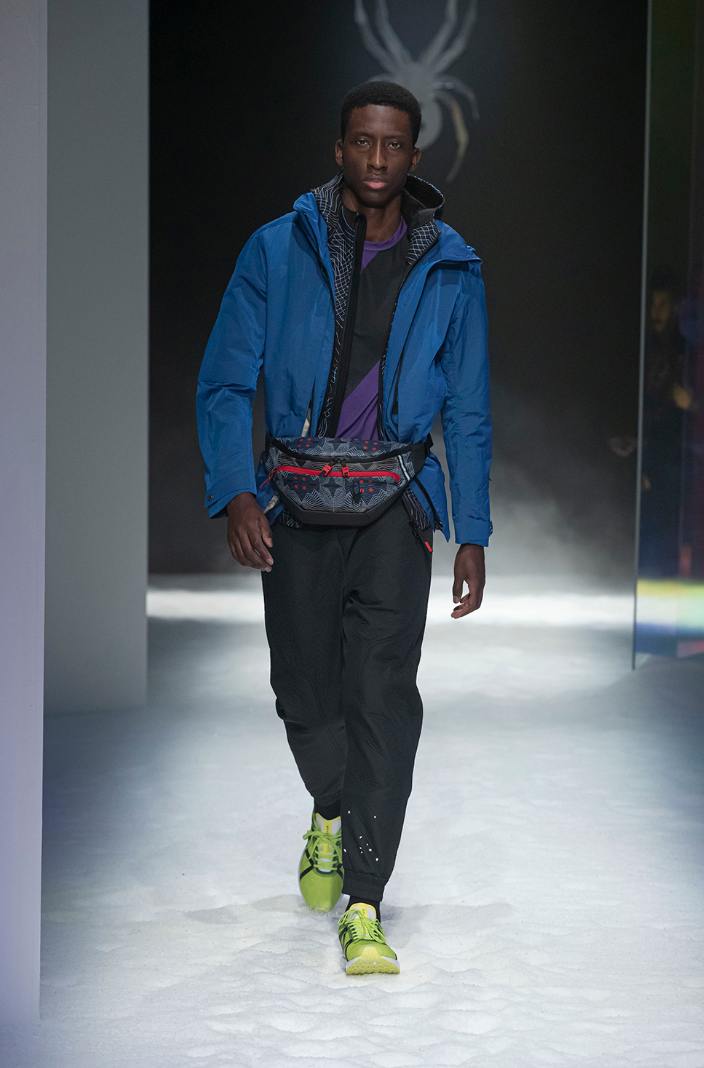
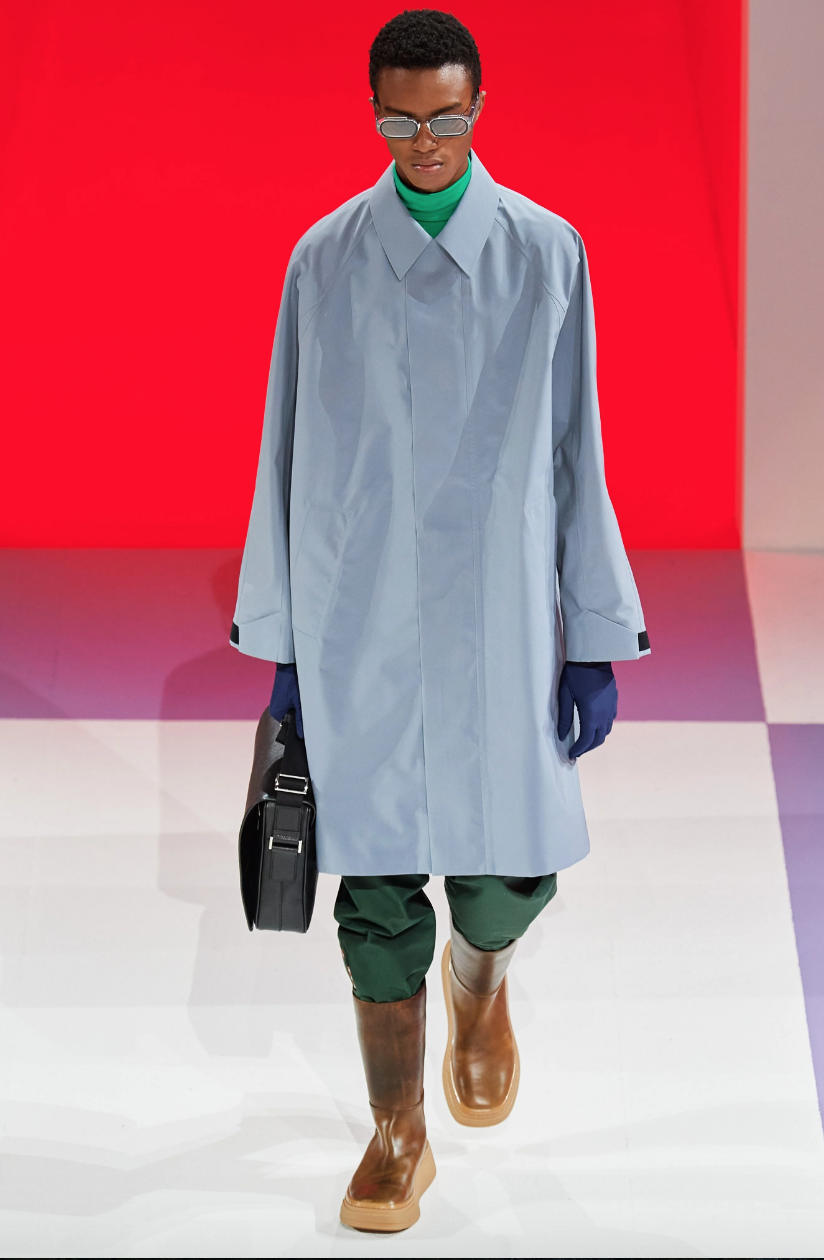
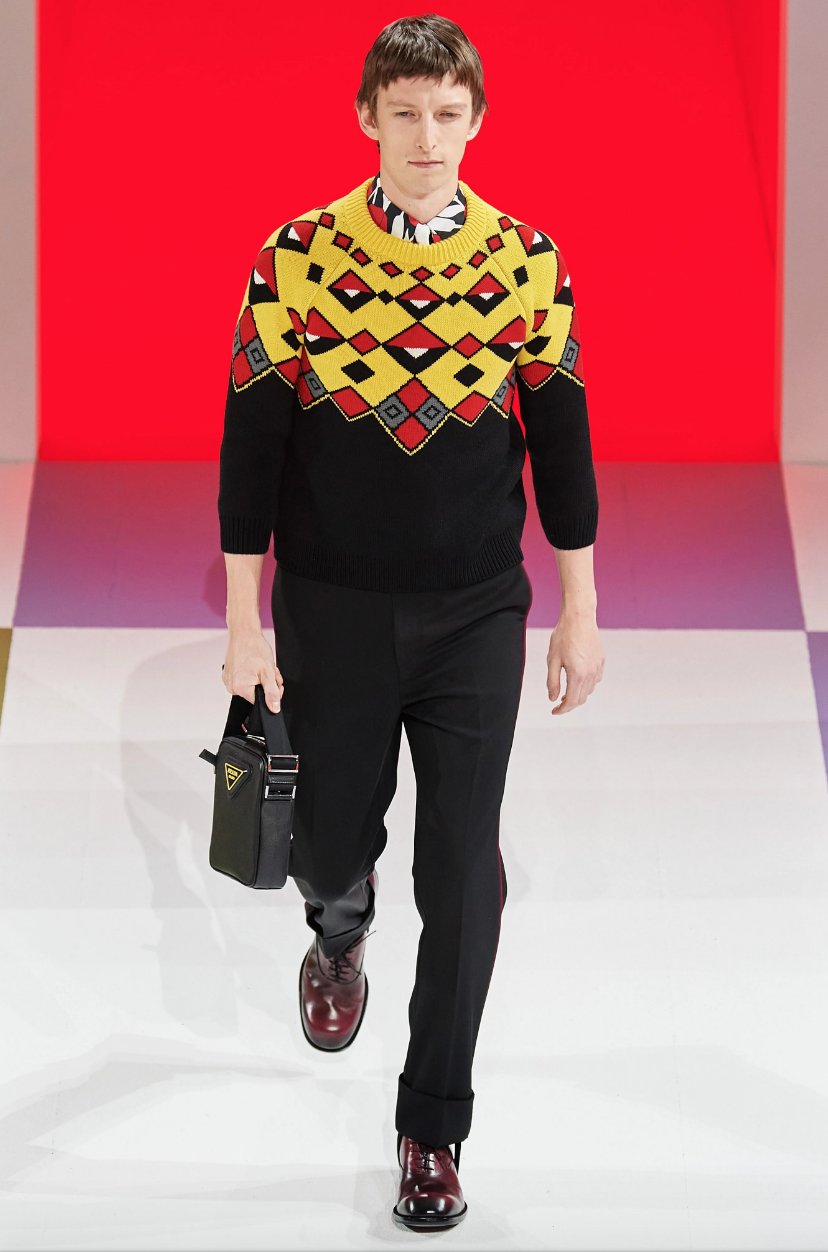
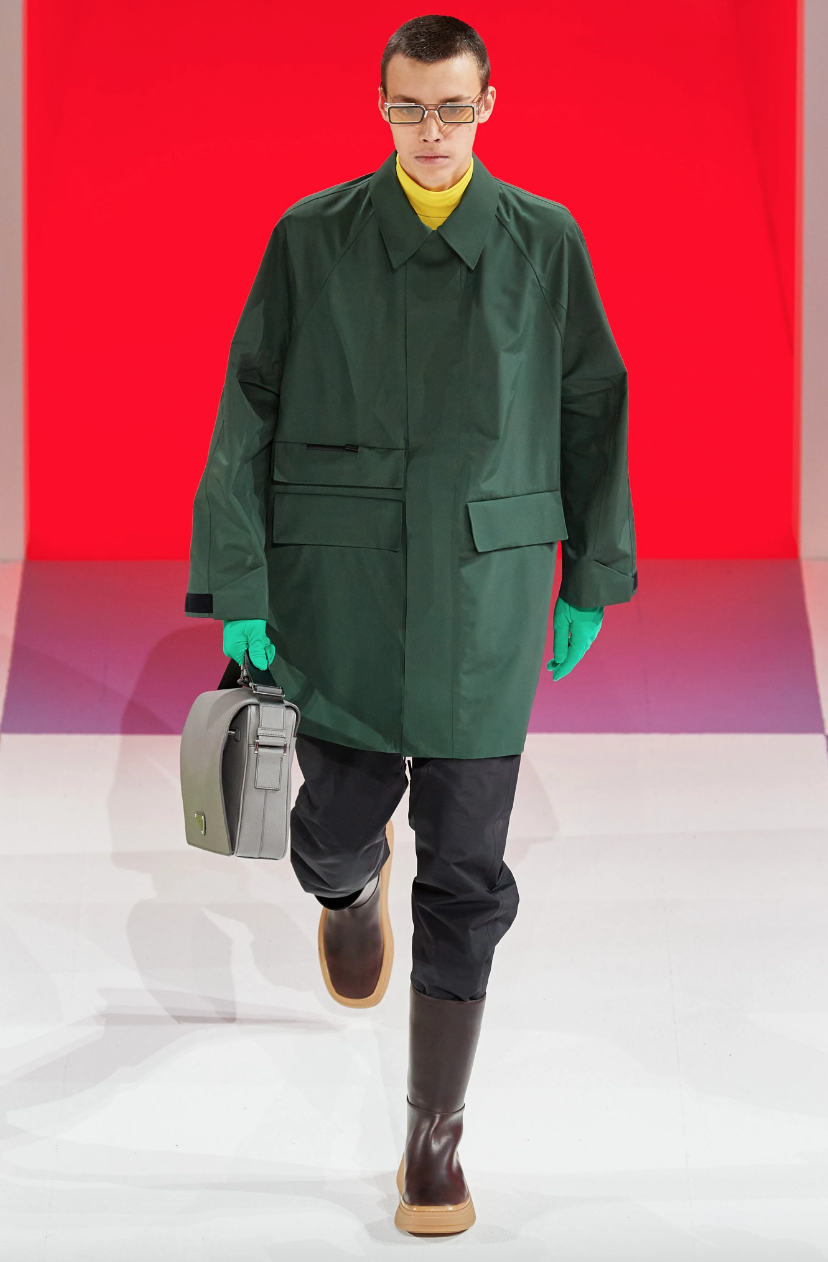
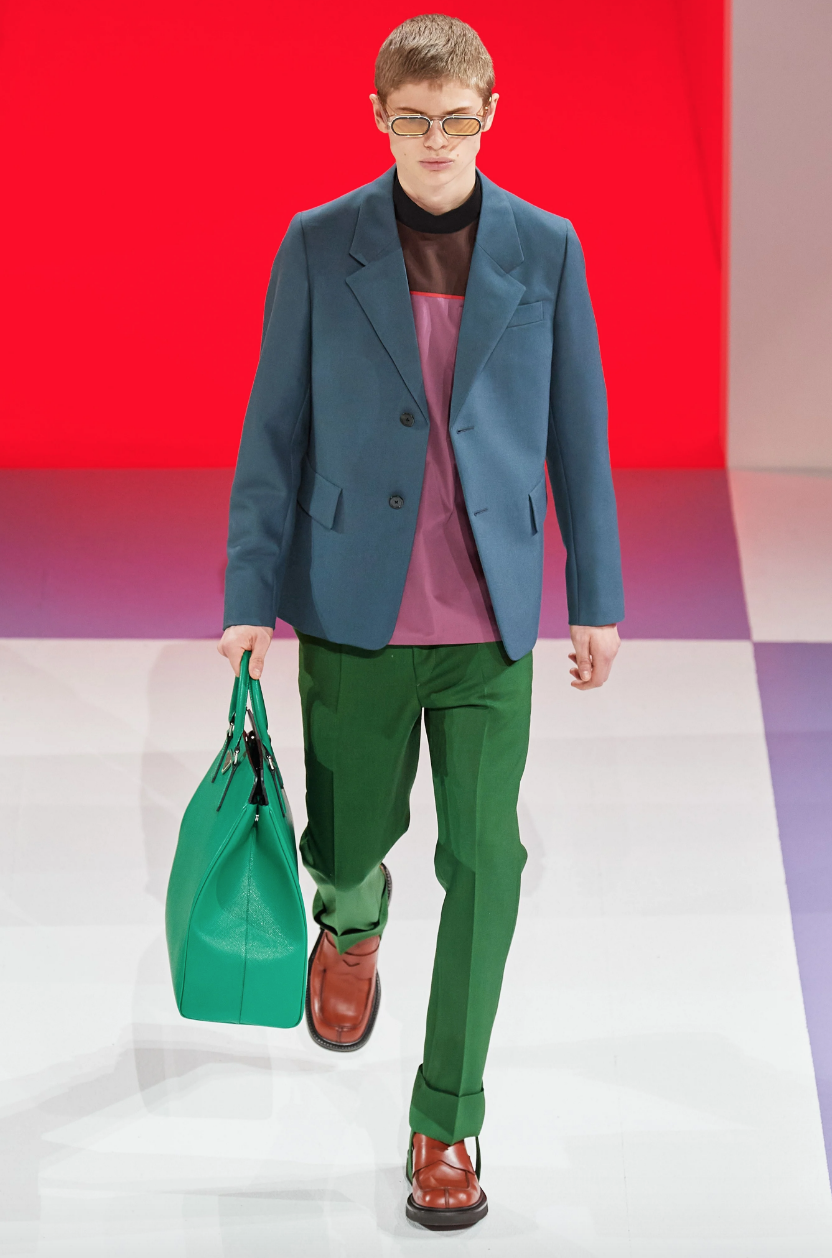
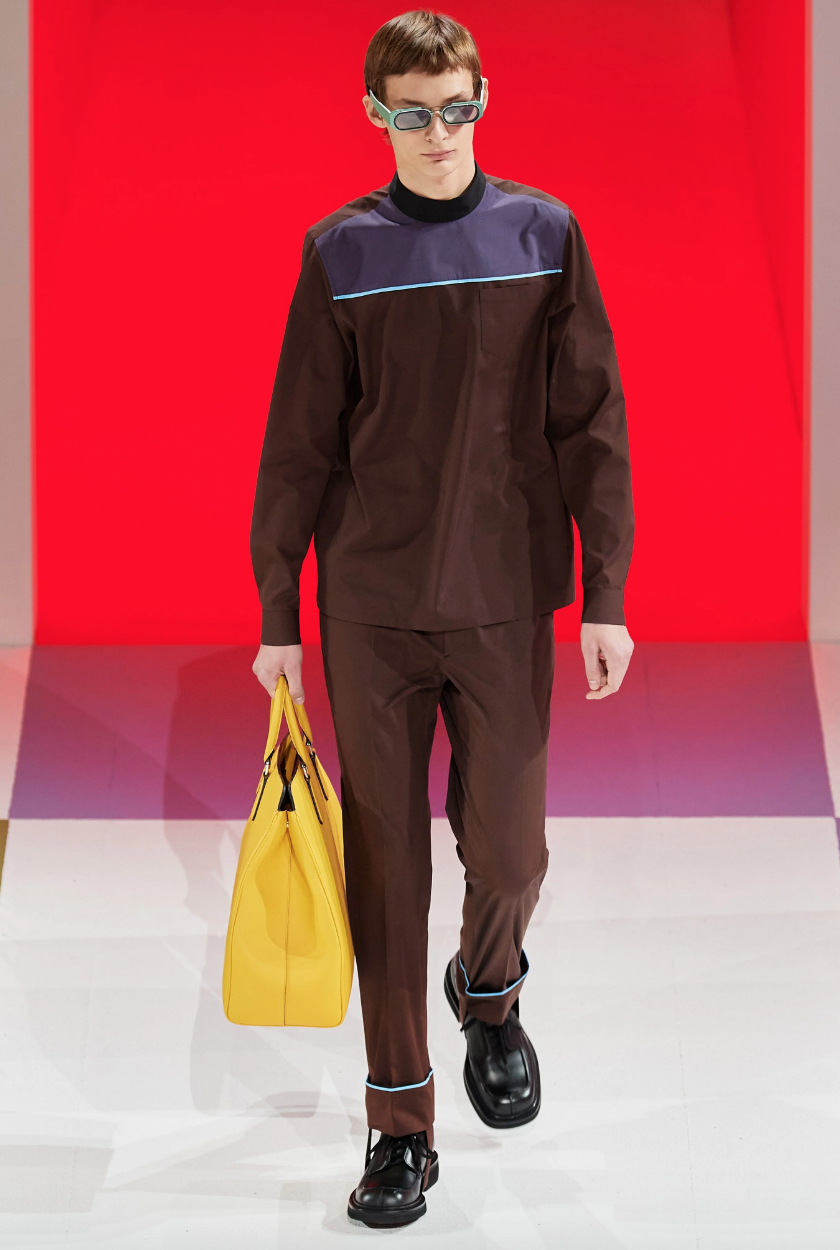
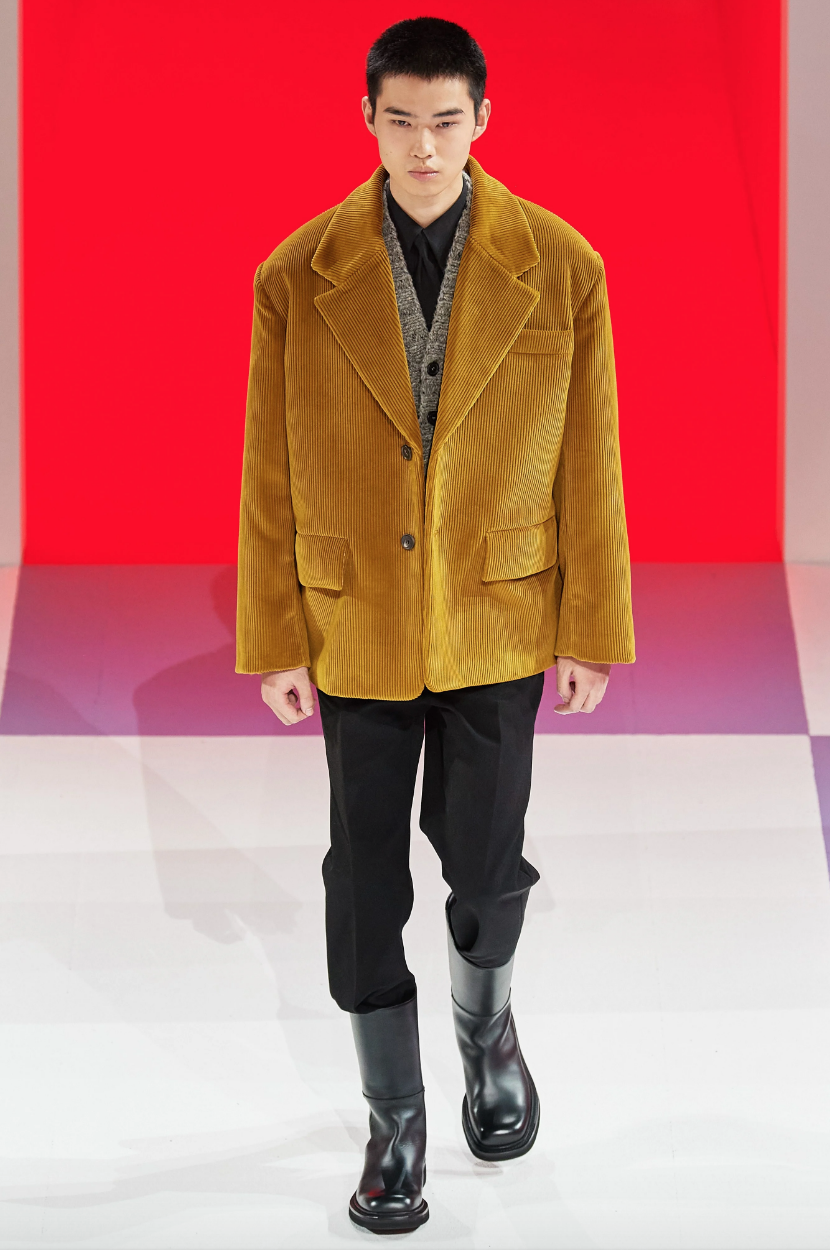
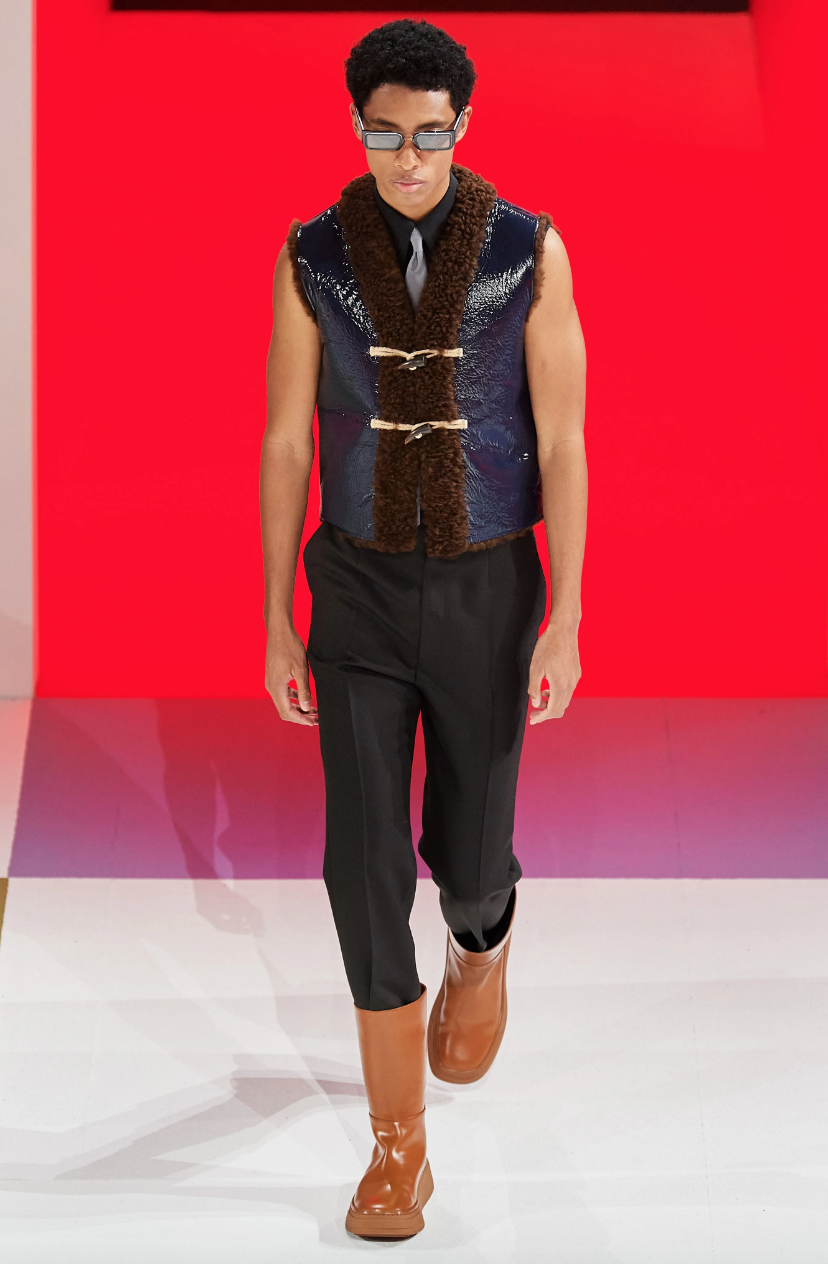
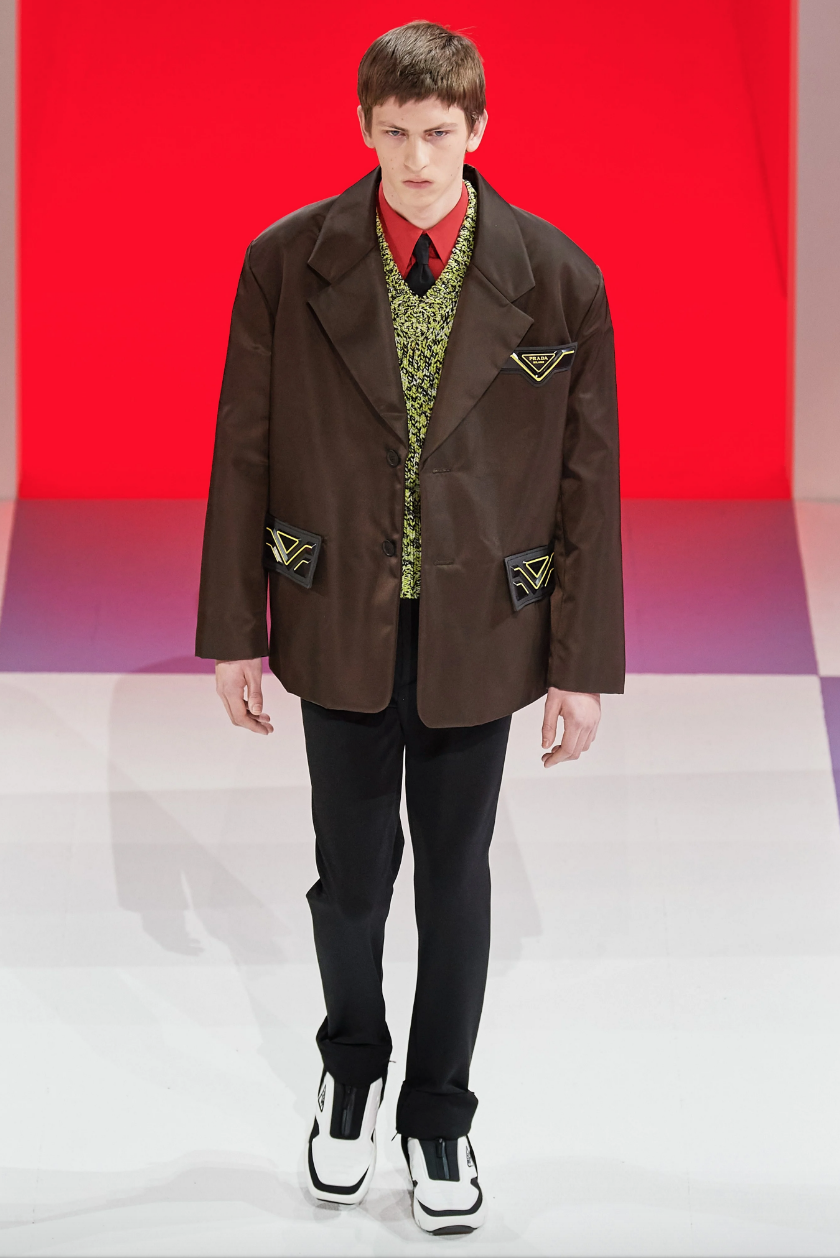
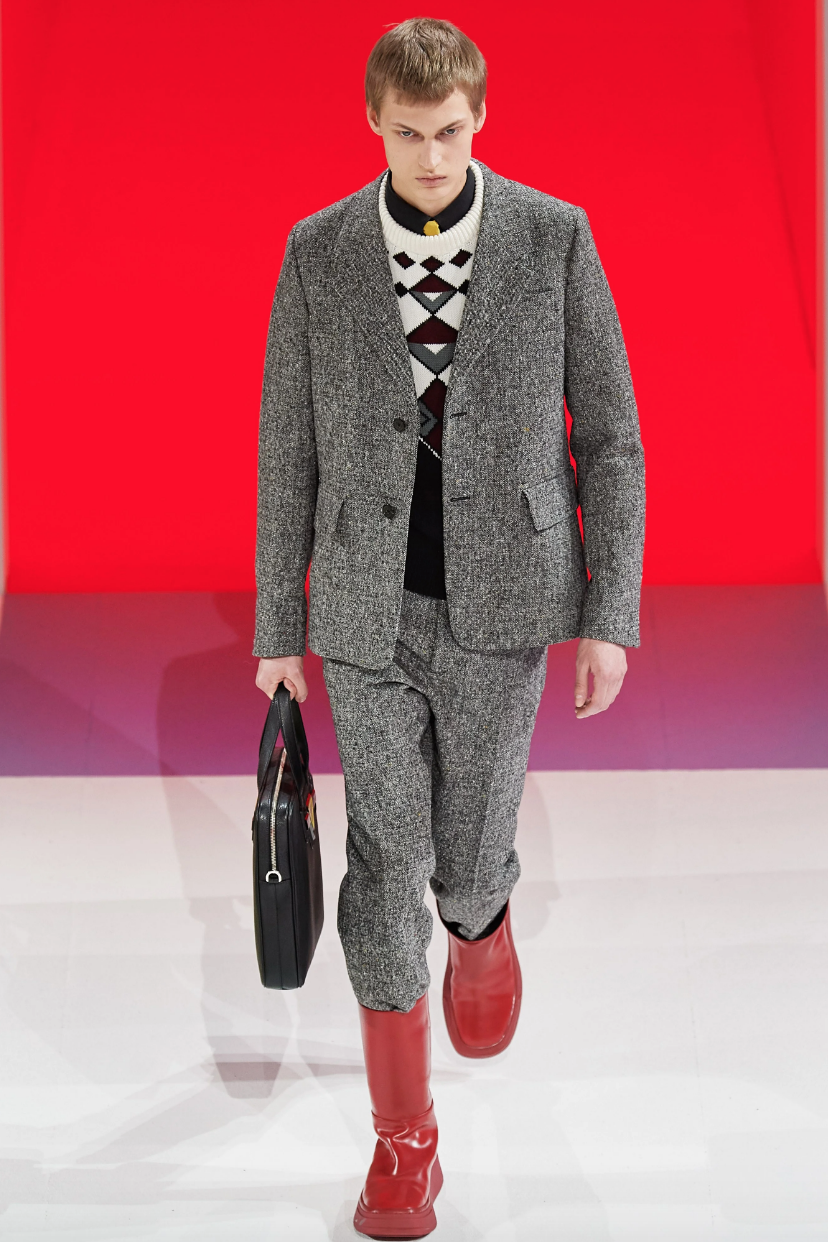
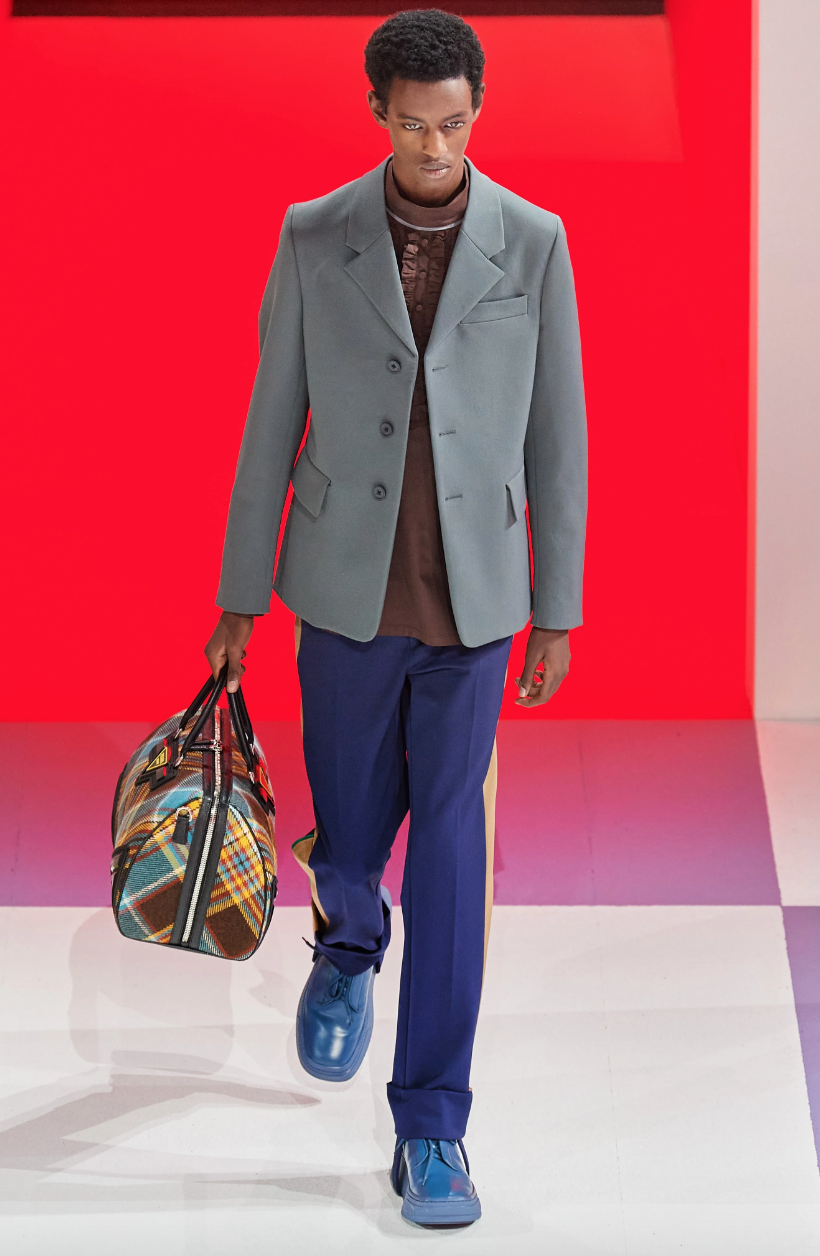
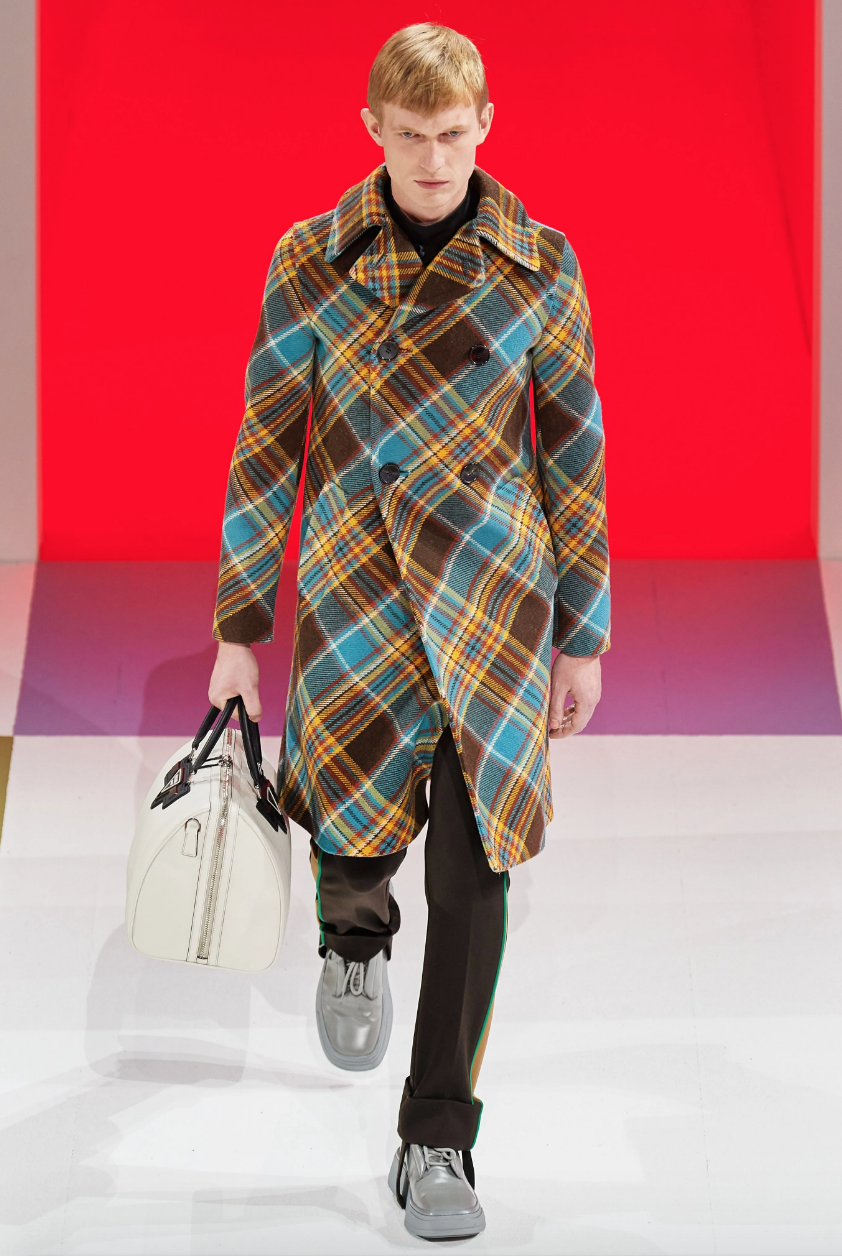
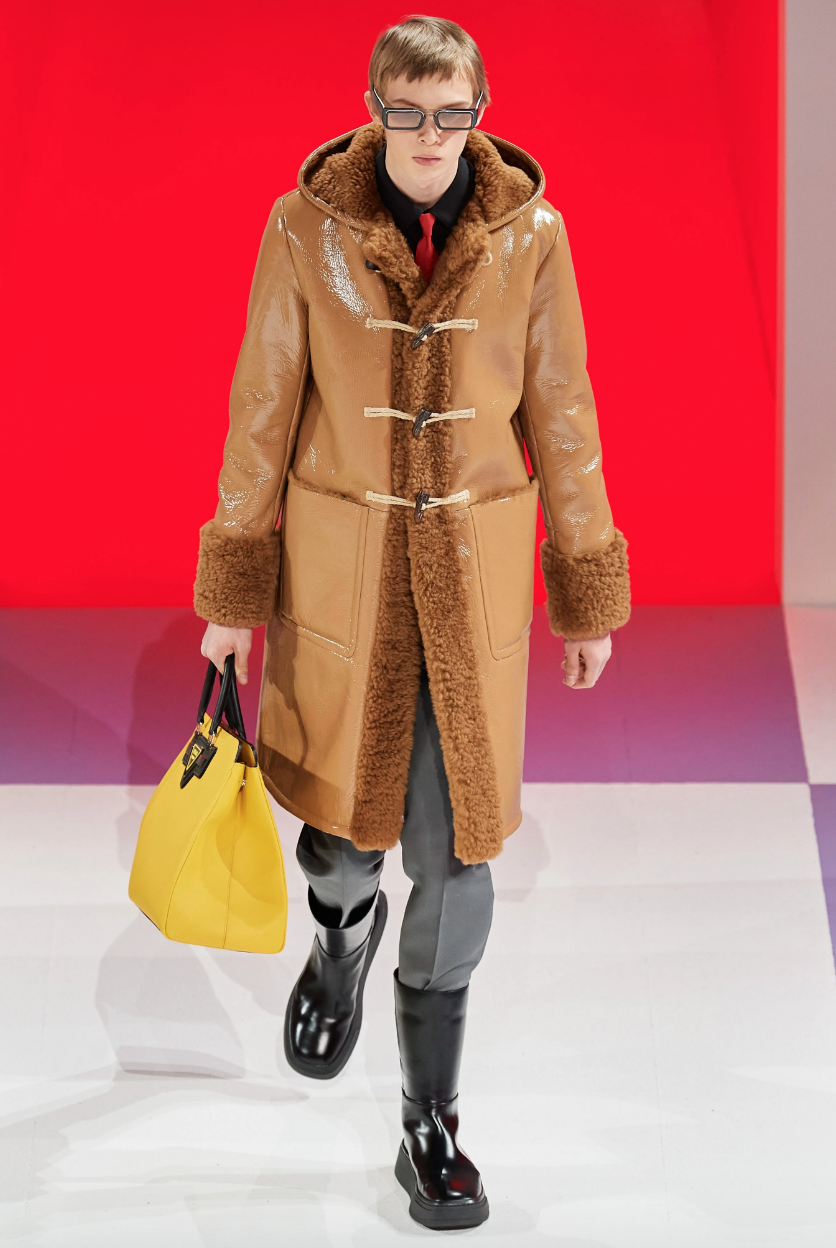
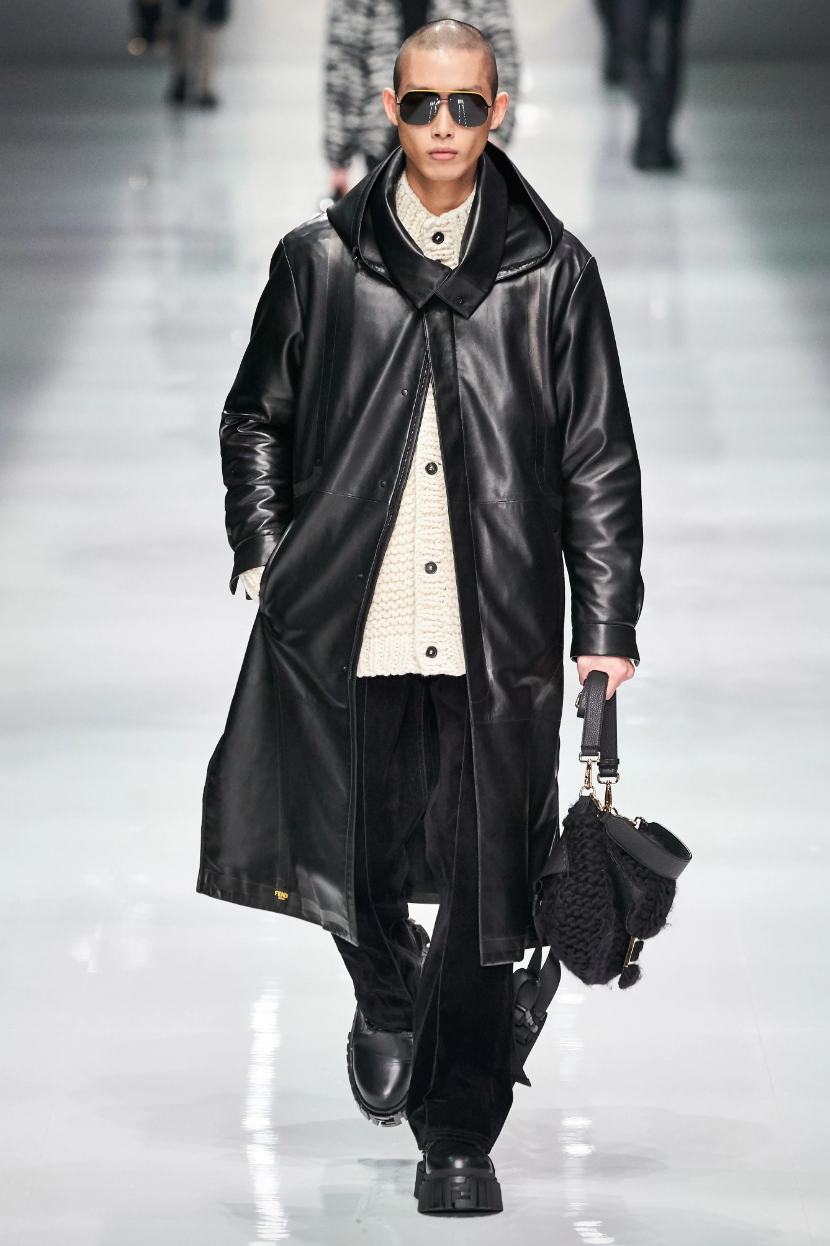
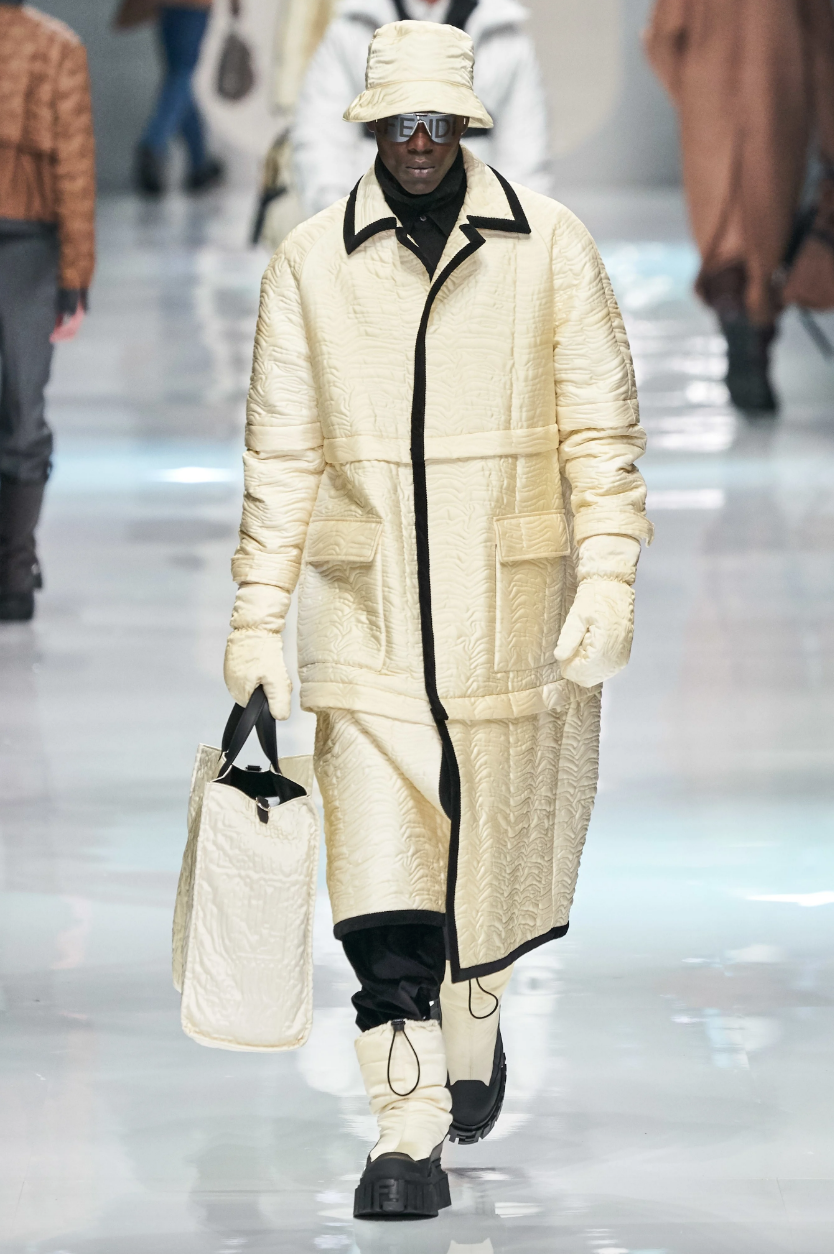
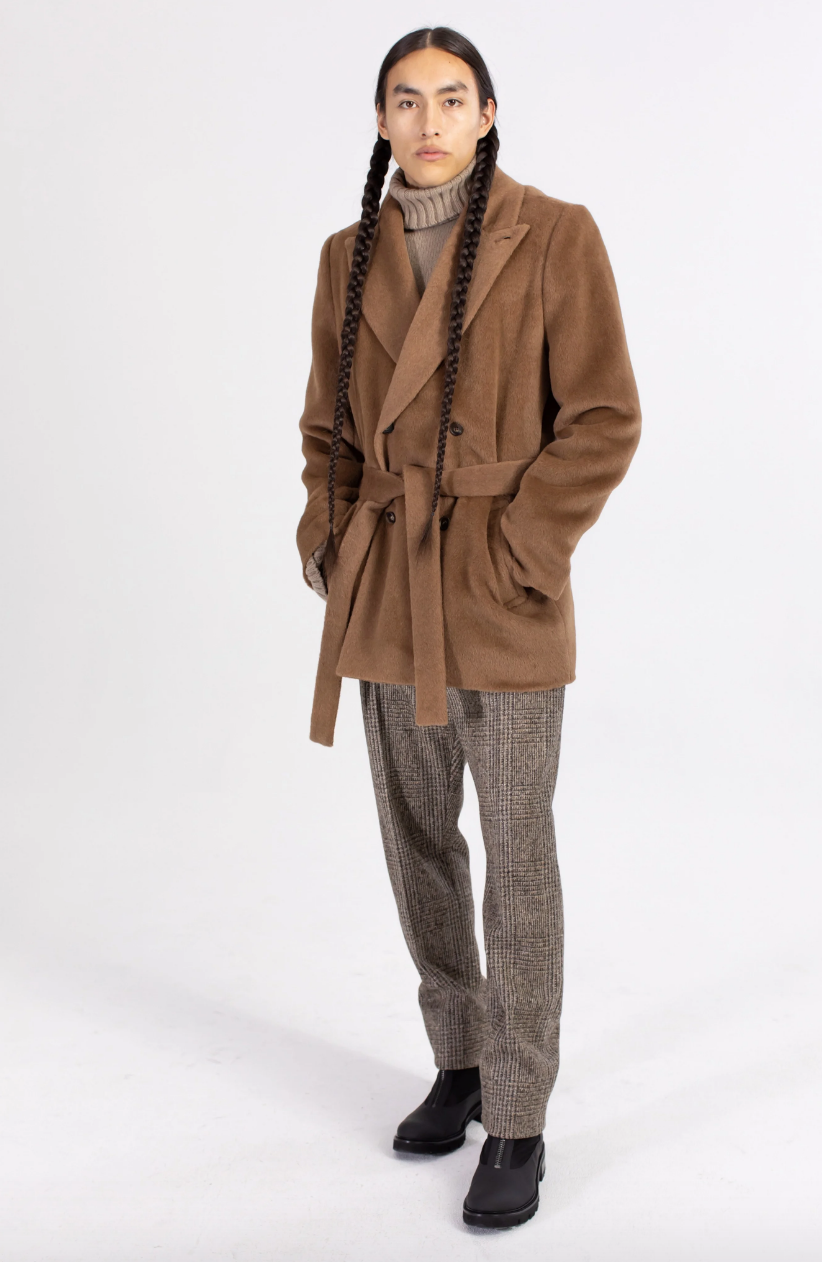
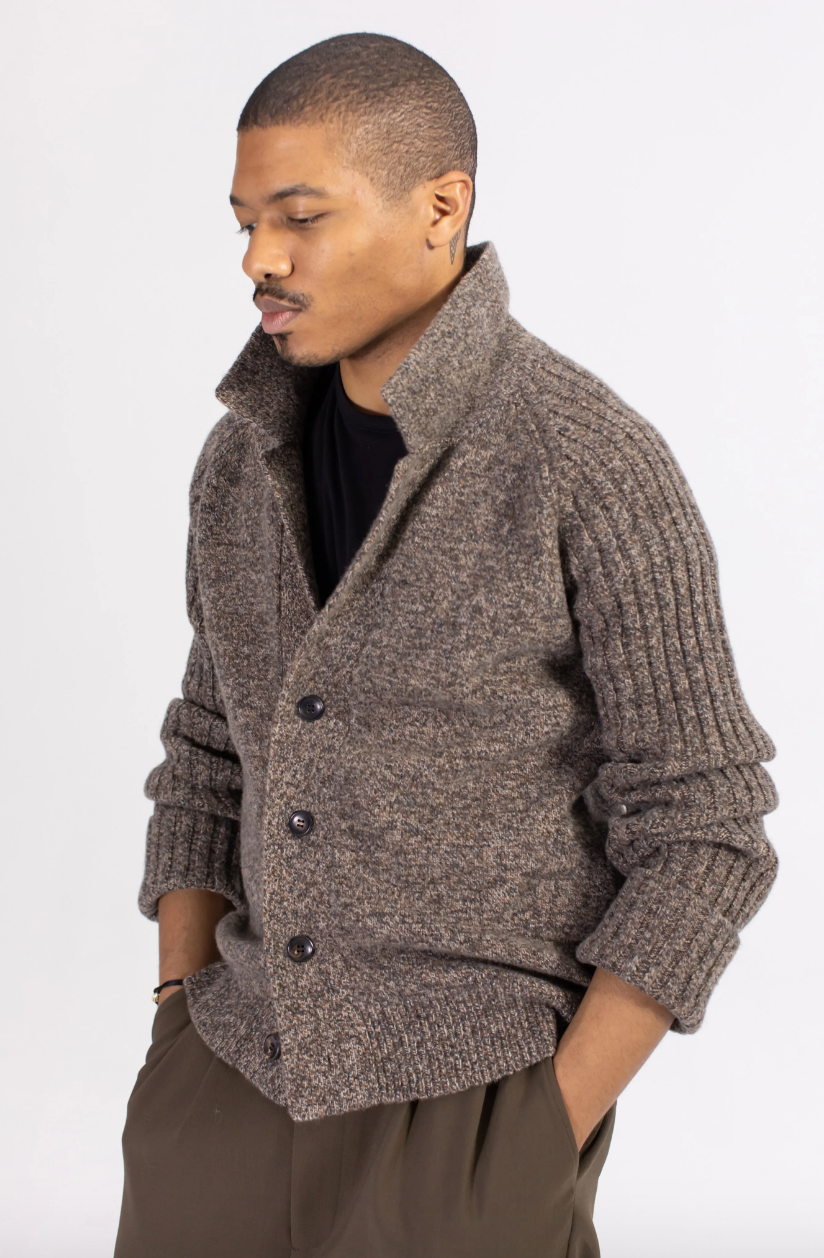
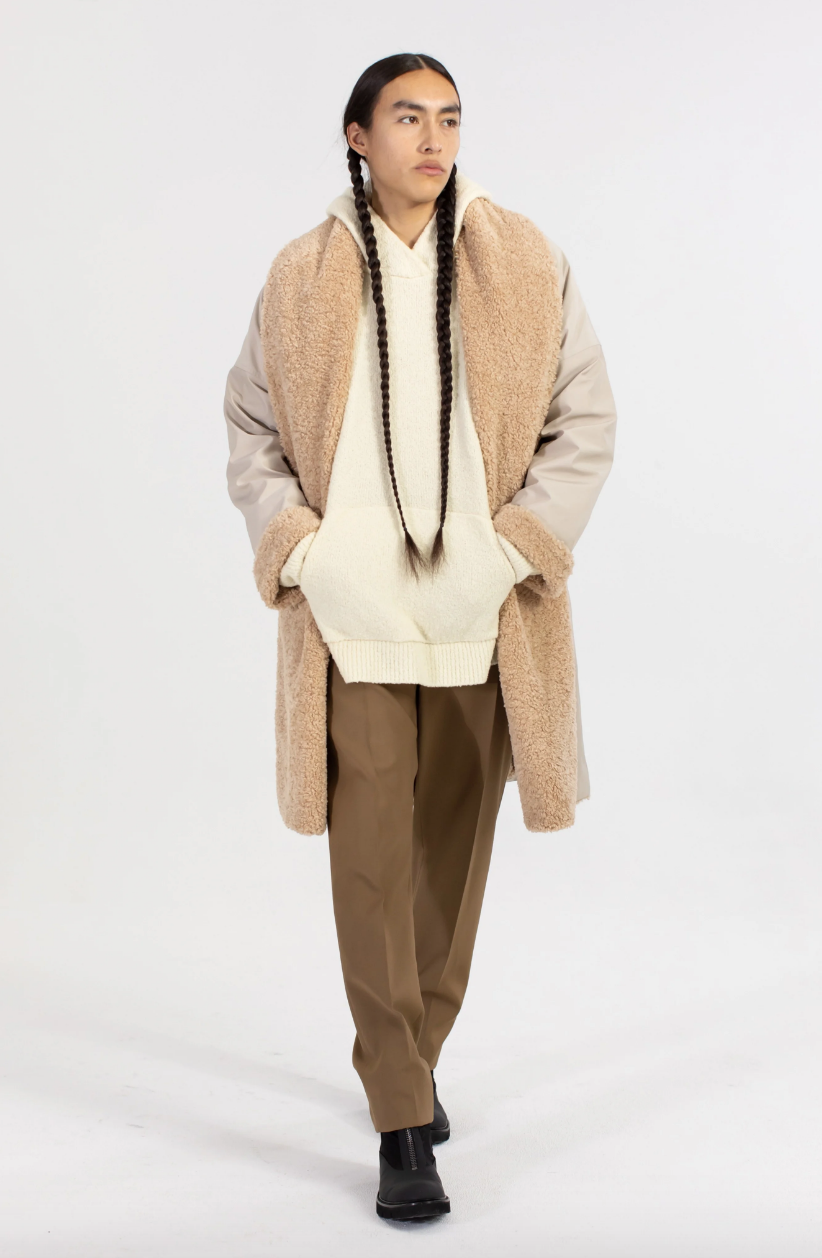
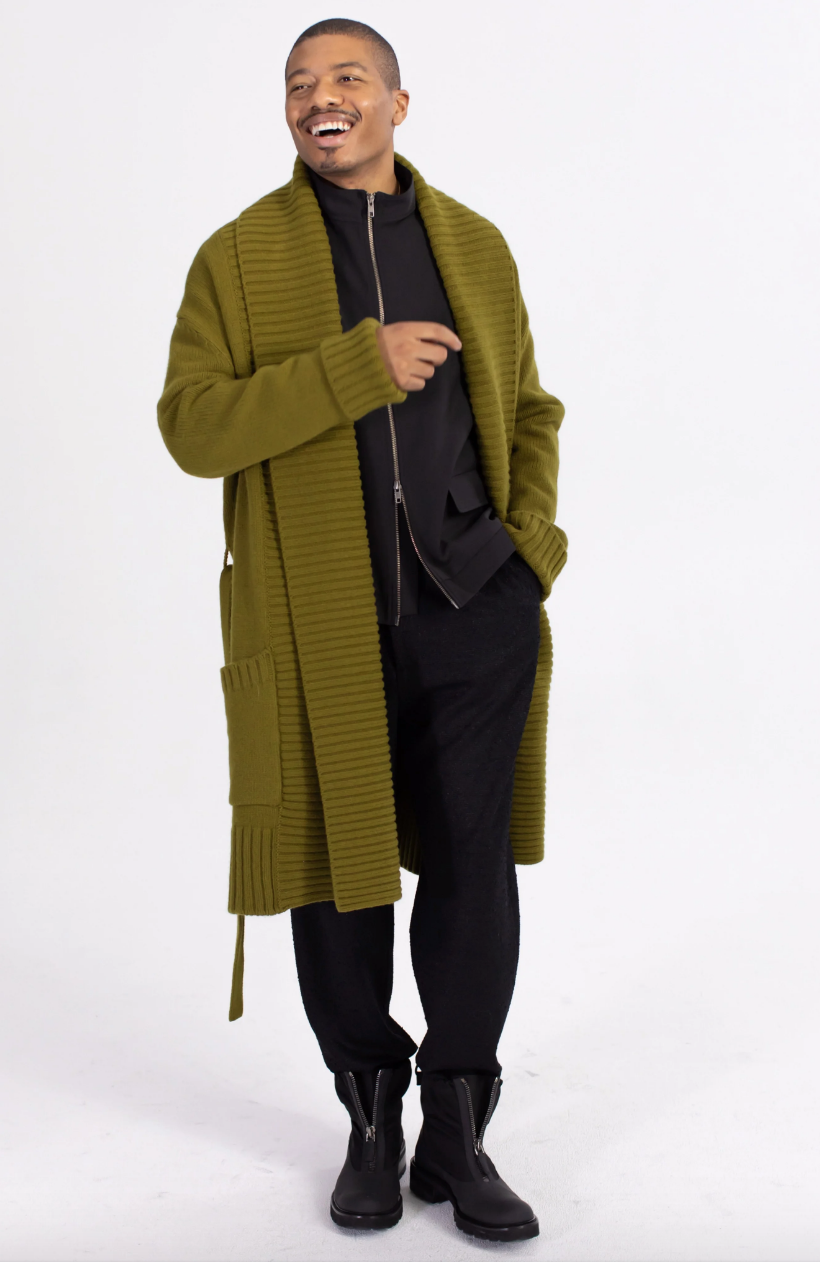
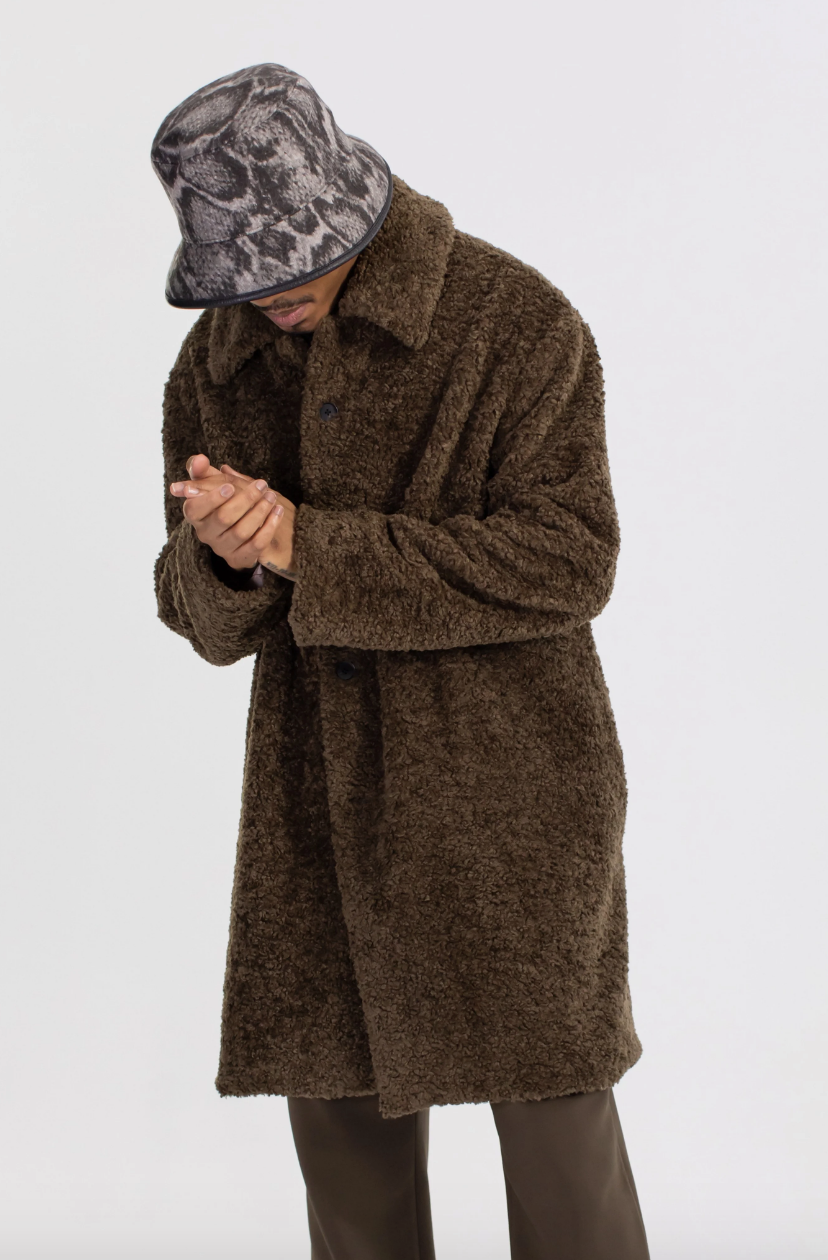
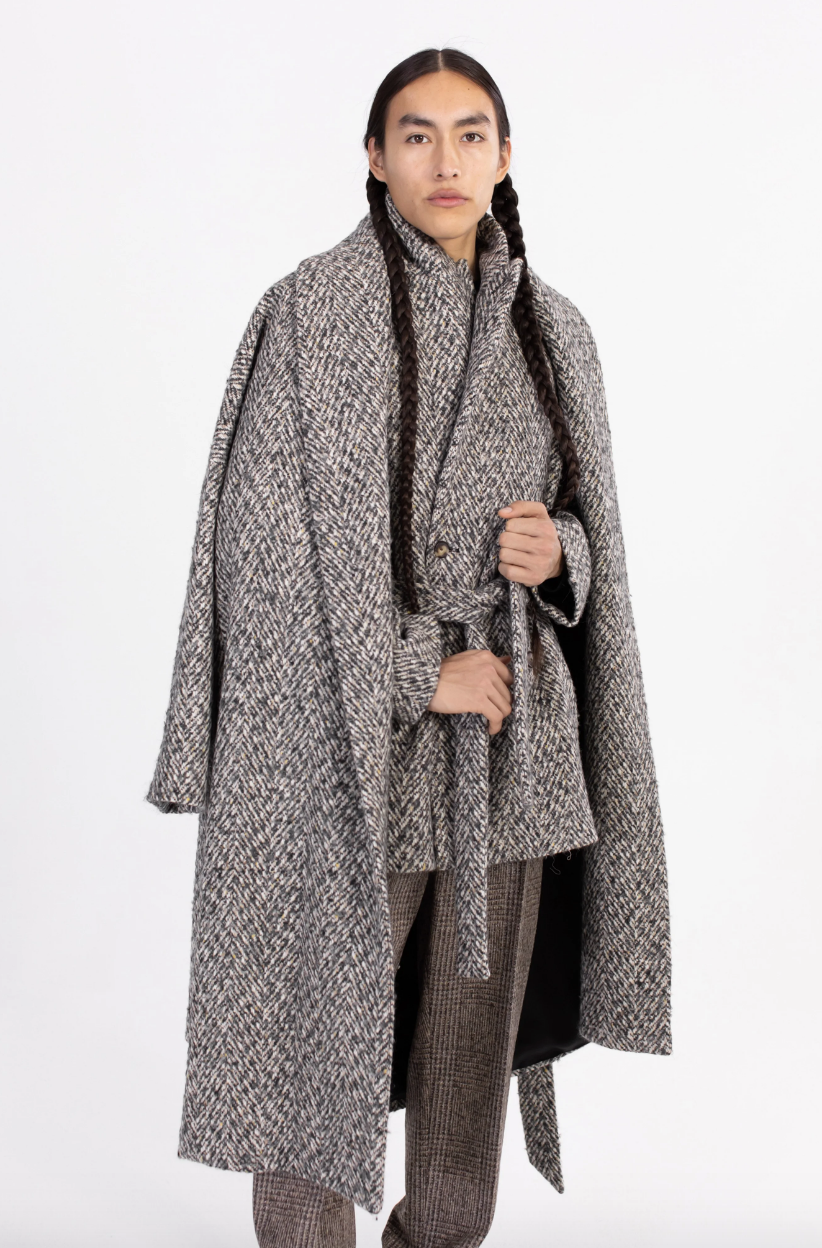
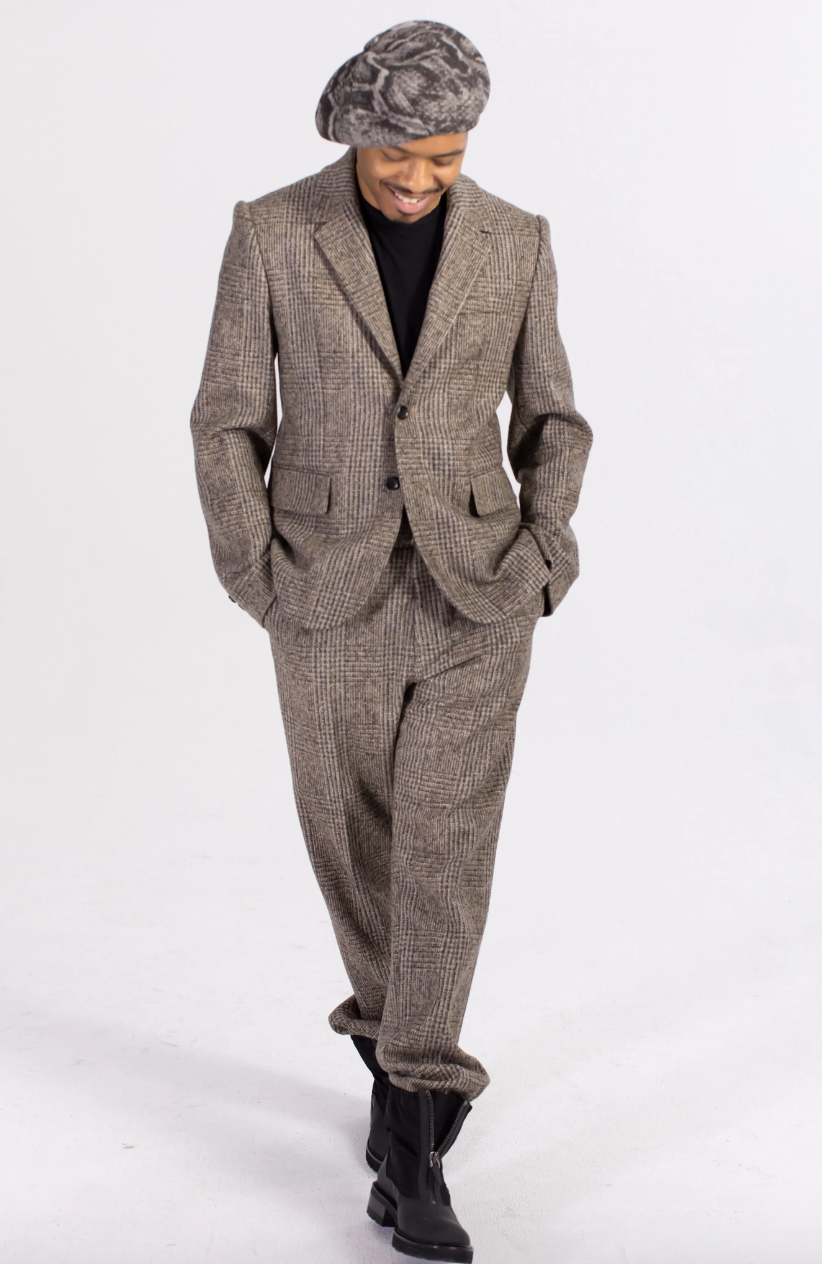
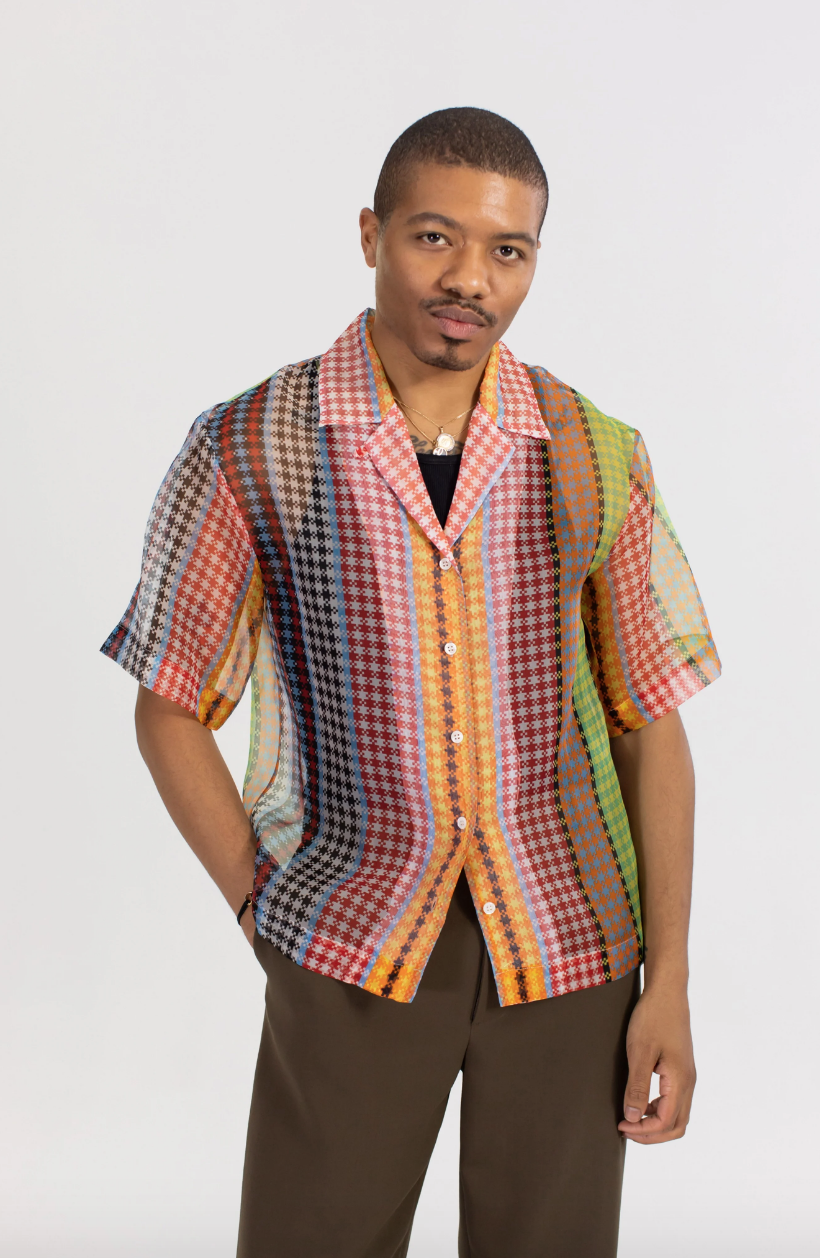
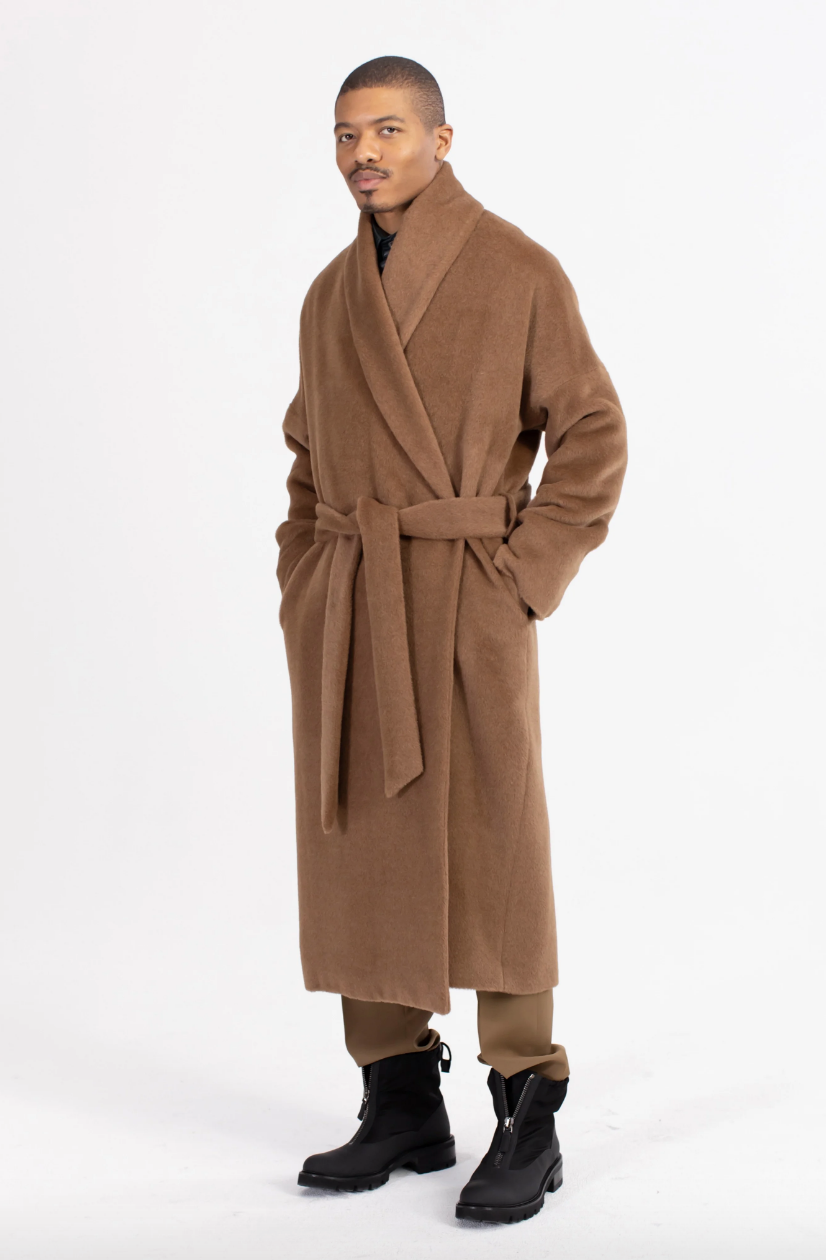
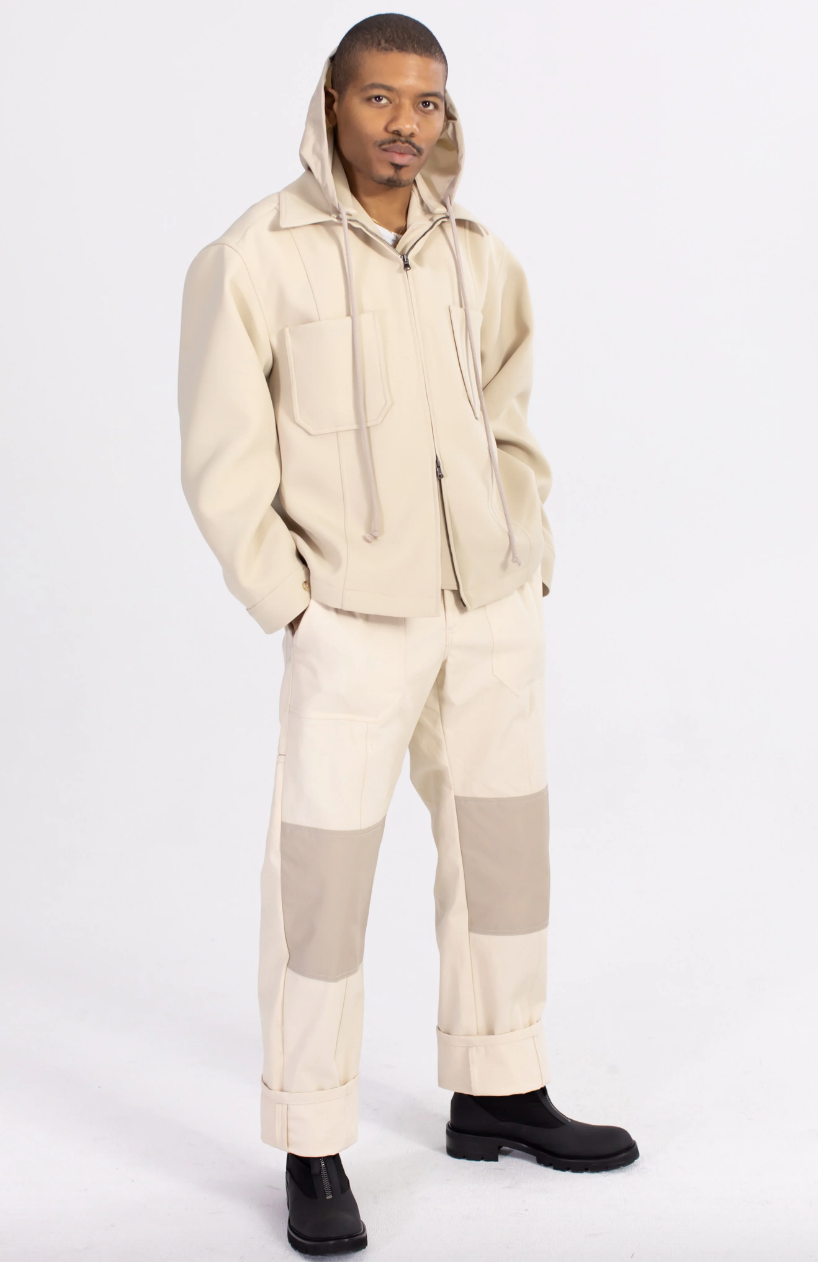
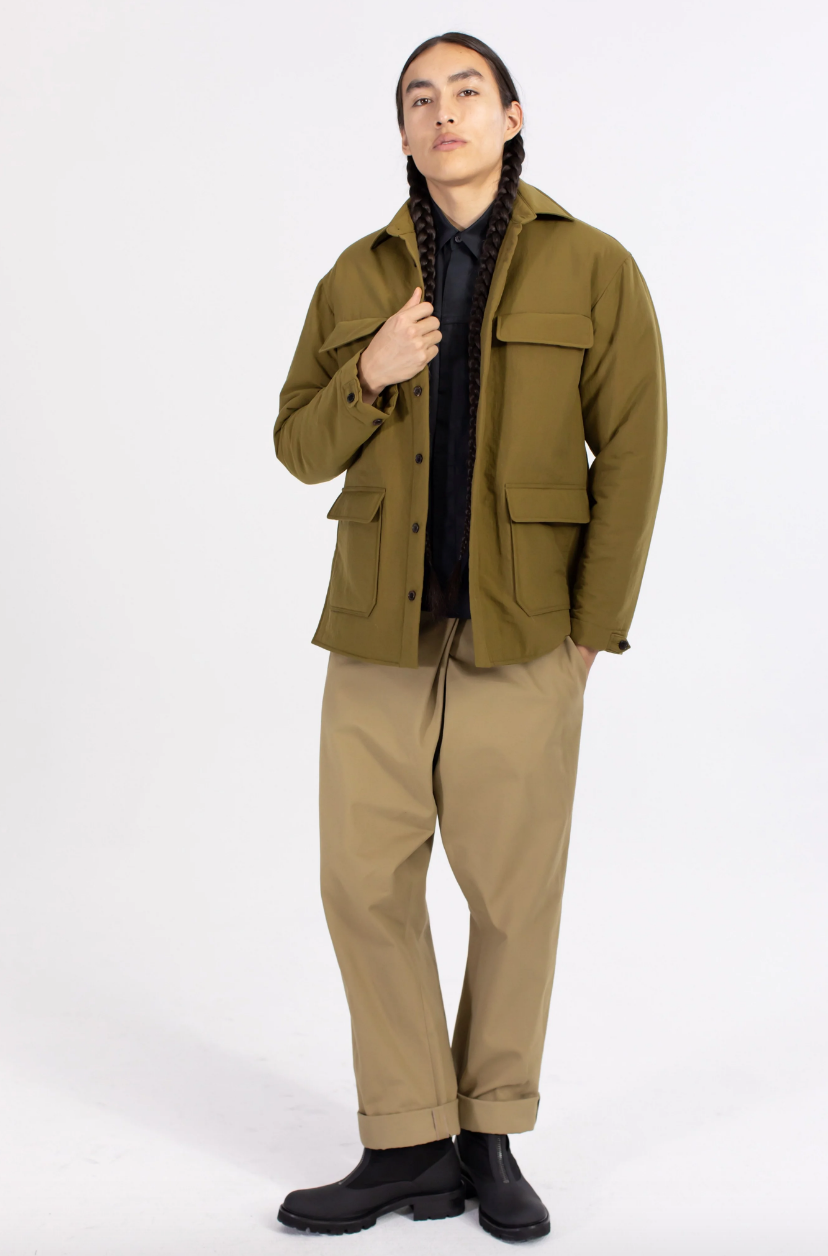
As UNIQLO prepares for the seasonal shift, artistic director Christophe Lemaire and his Parisian team introduce their latest UNIQLO U offering. Spring/Summer 2020 edges towards workwear, with a wide array of approachable staples given the Lemaire twist and realized in versatile hues.
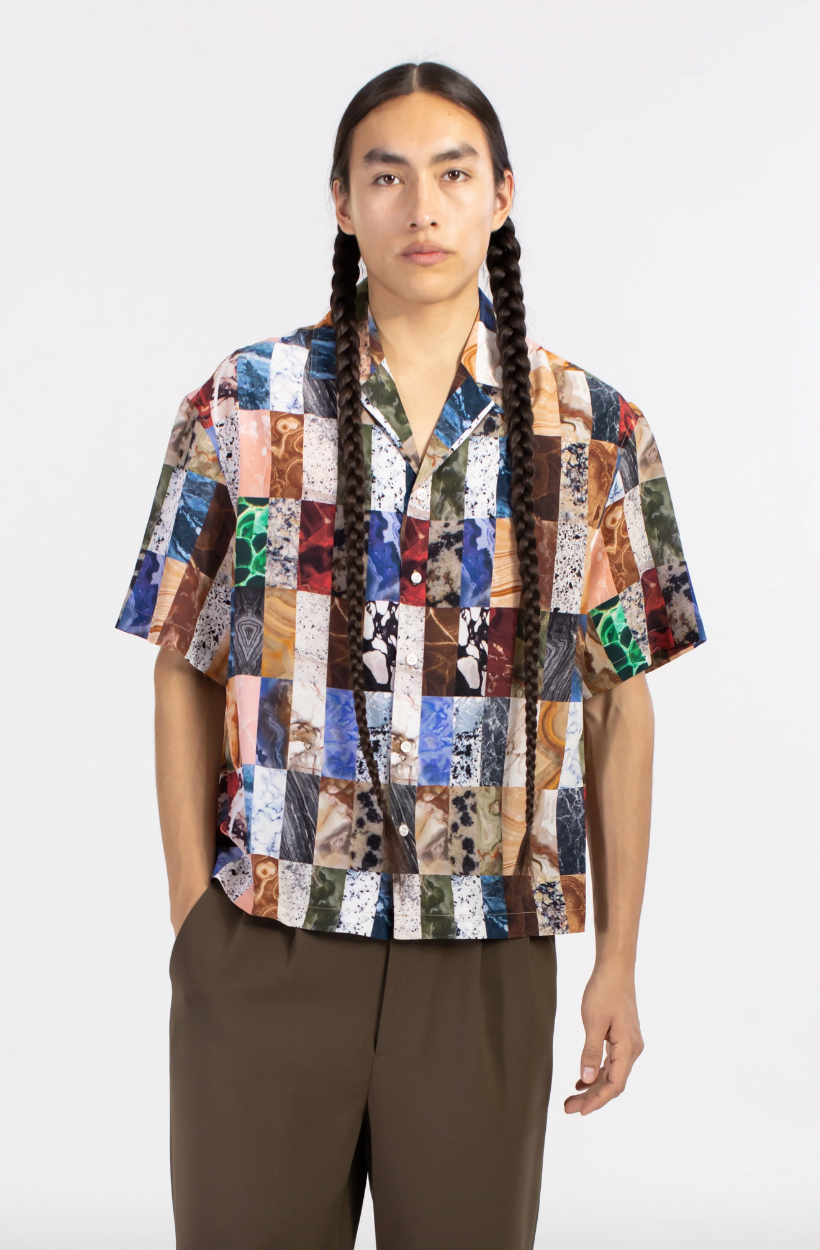
Over 40 individual items inform the menswear collection, centering around updated workwear and military silhouettes. Rain-fighting parkas and generous trench coats complement work shirts and double-knee trousers, all offset by beach-ready fare. This includes lightweight Cuban shirts, pin-tucked shorts and plenty of baggy T-shirts. Striped patterns and bold shades of red, blue and green grant extra visual interest to the versatile garments, complemented by daily drivers like collarless cardigans and baggy jeans.
Source: Hypebeast
FASHIONADO