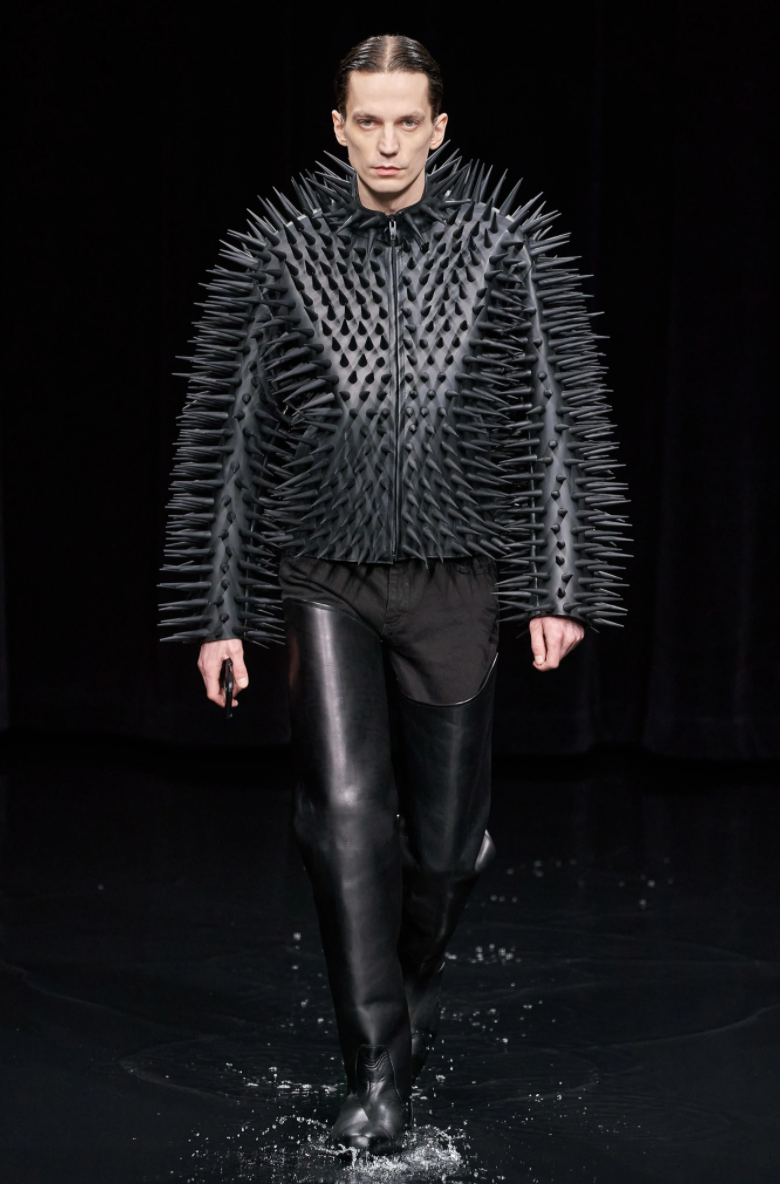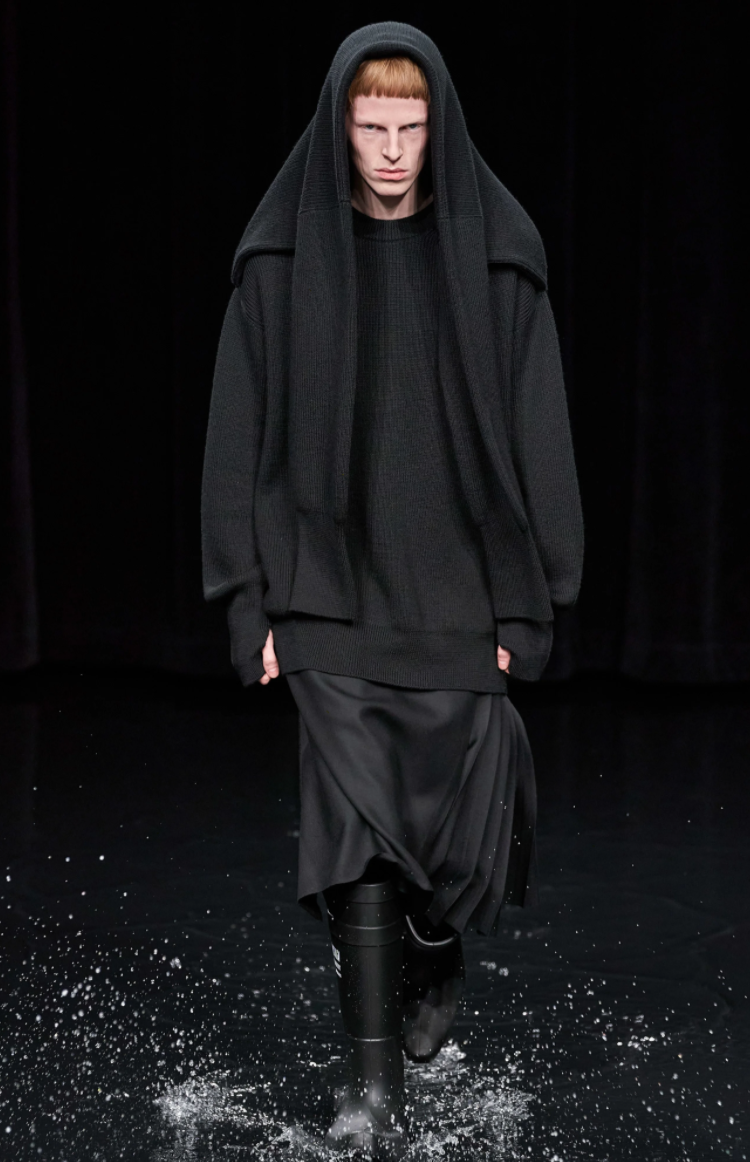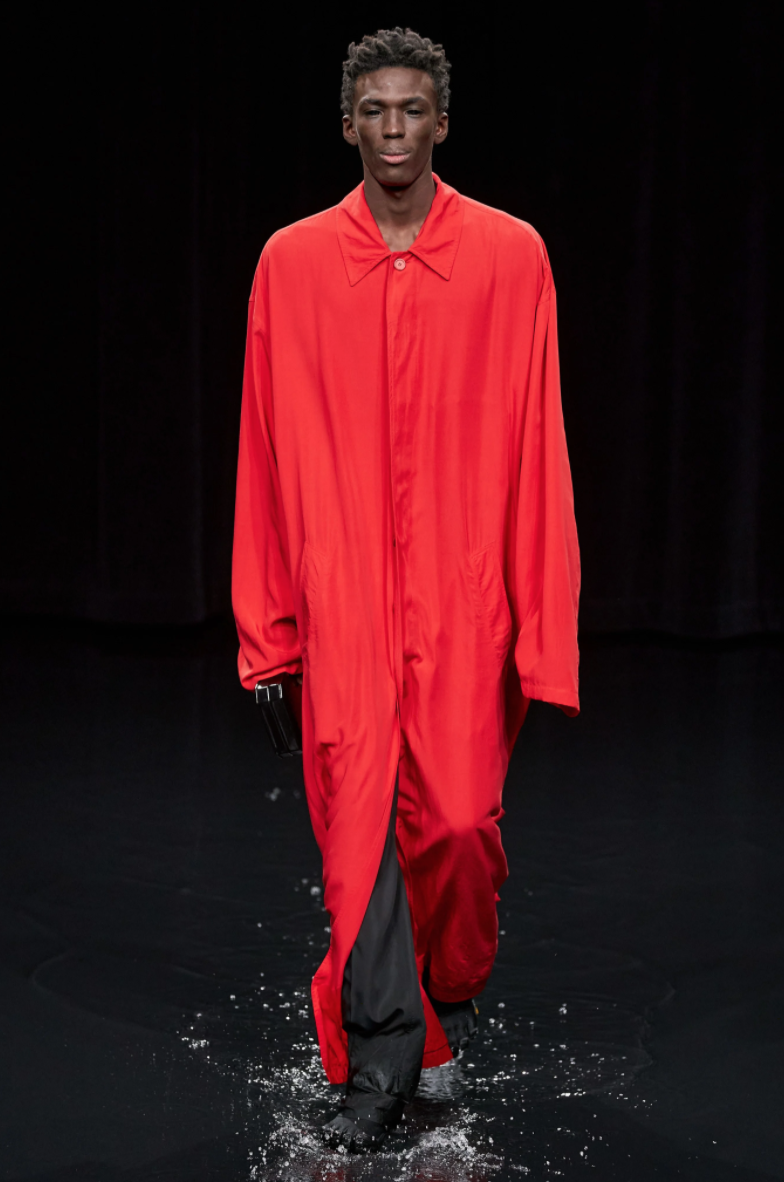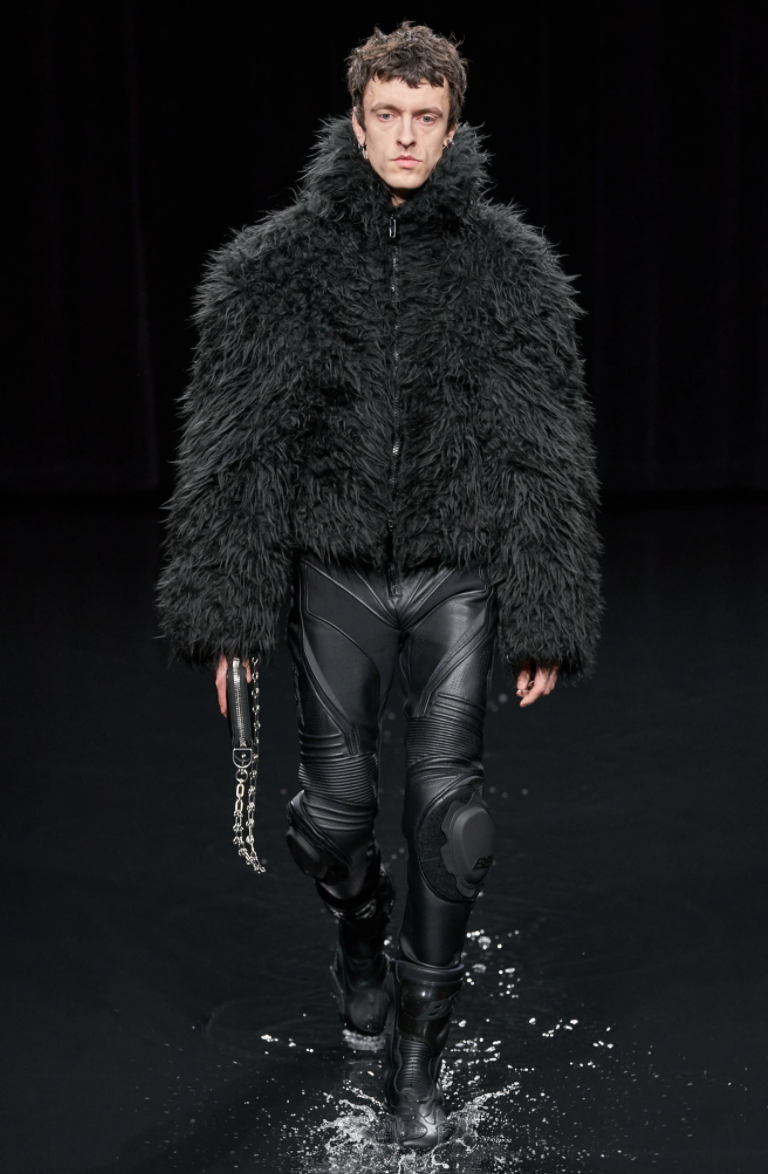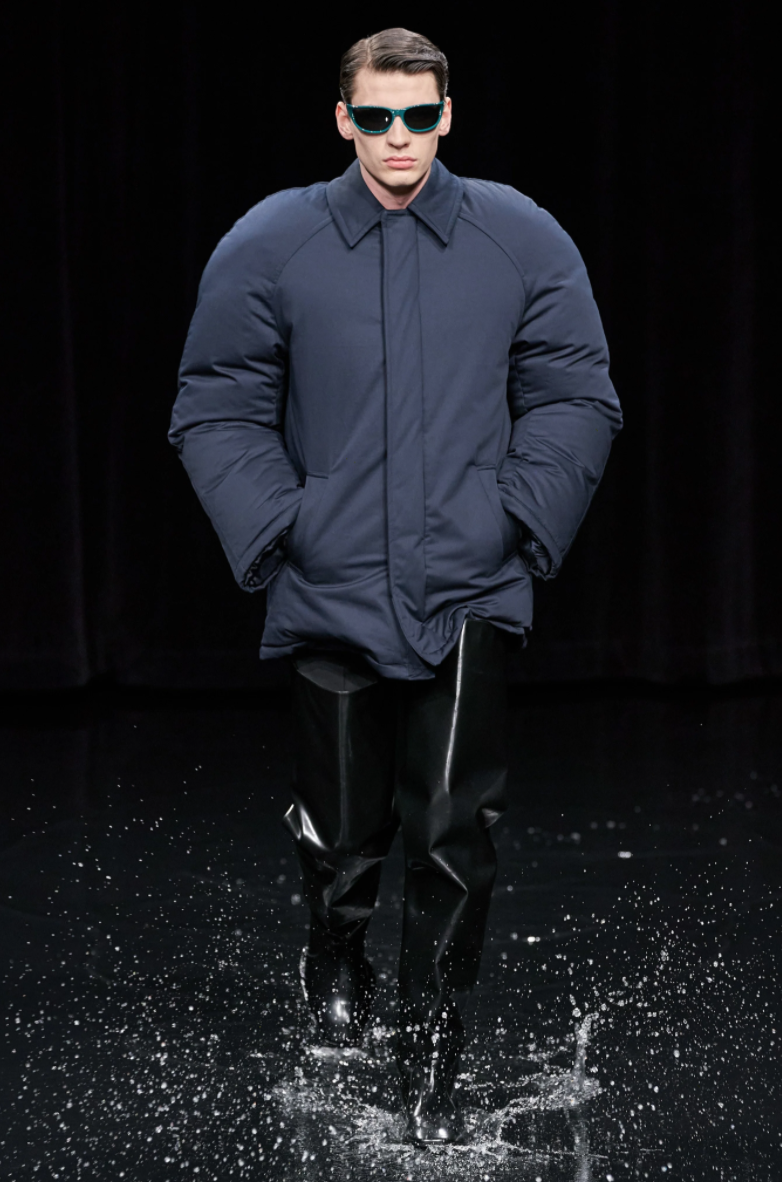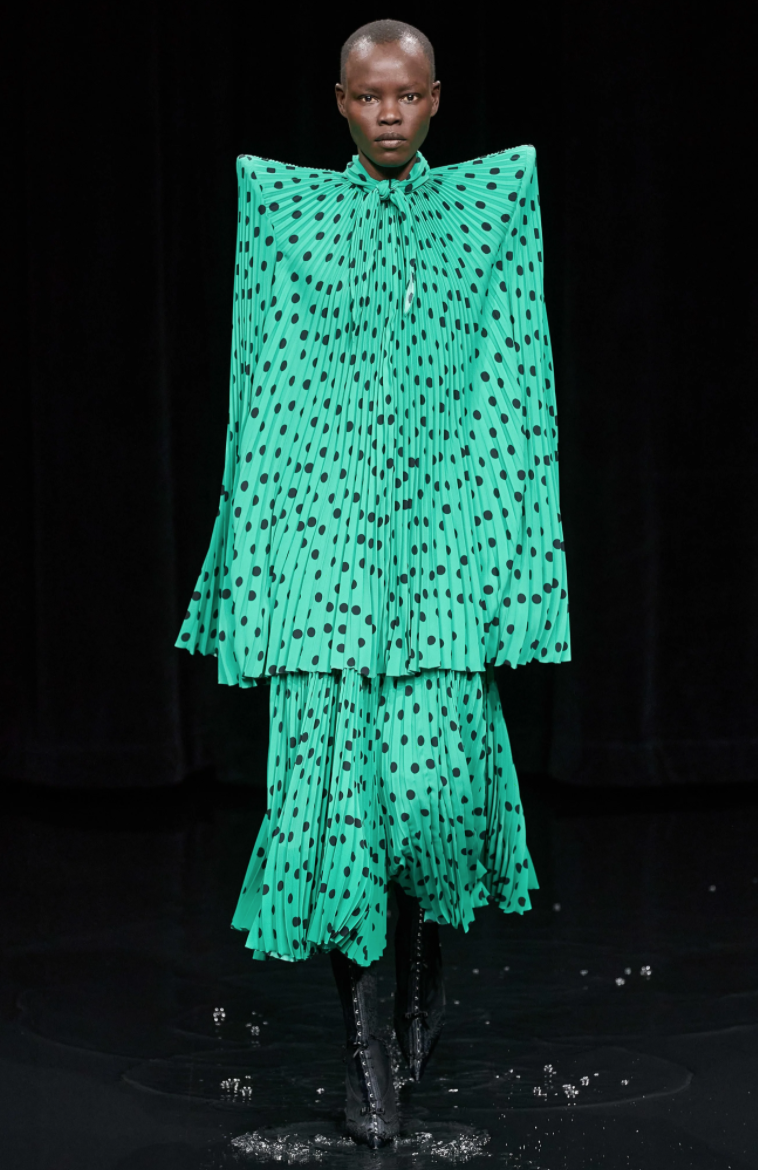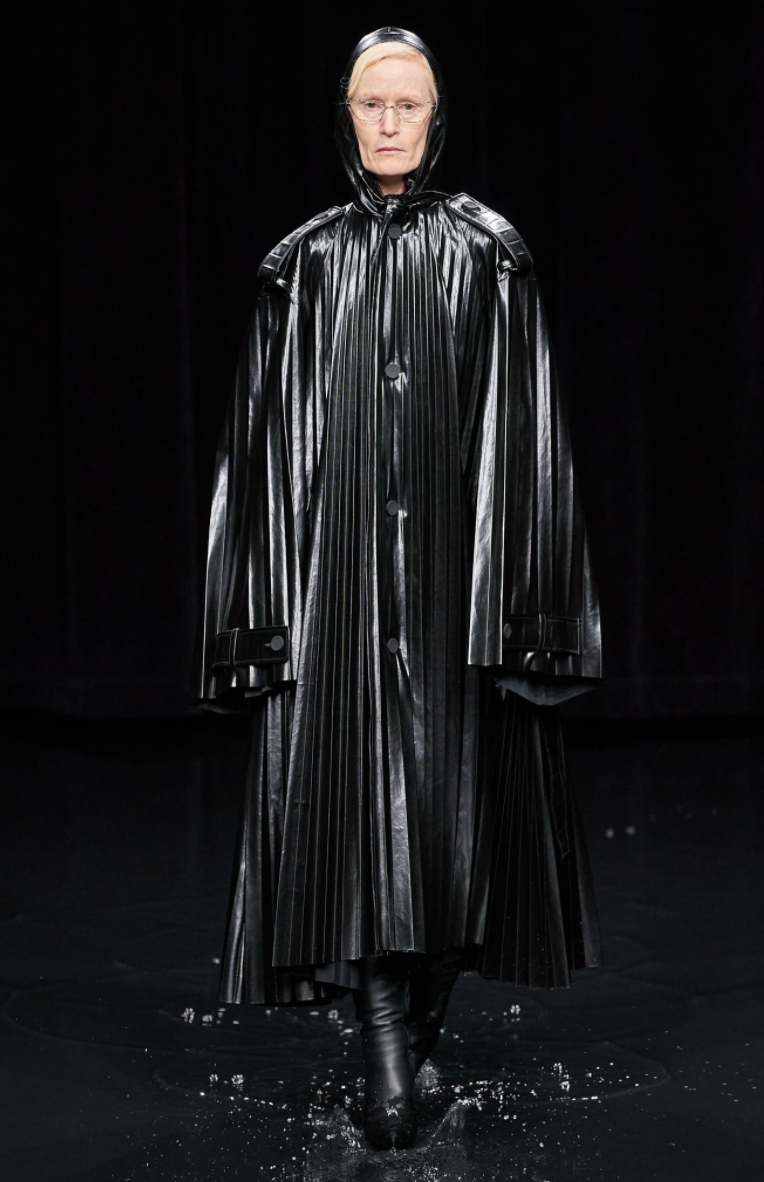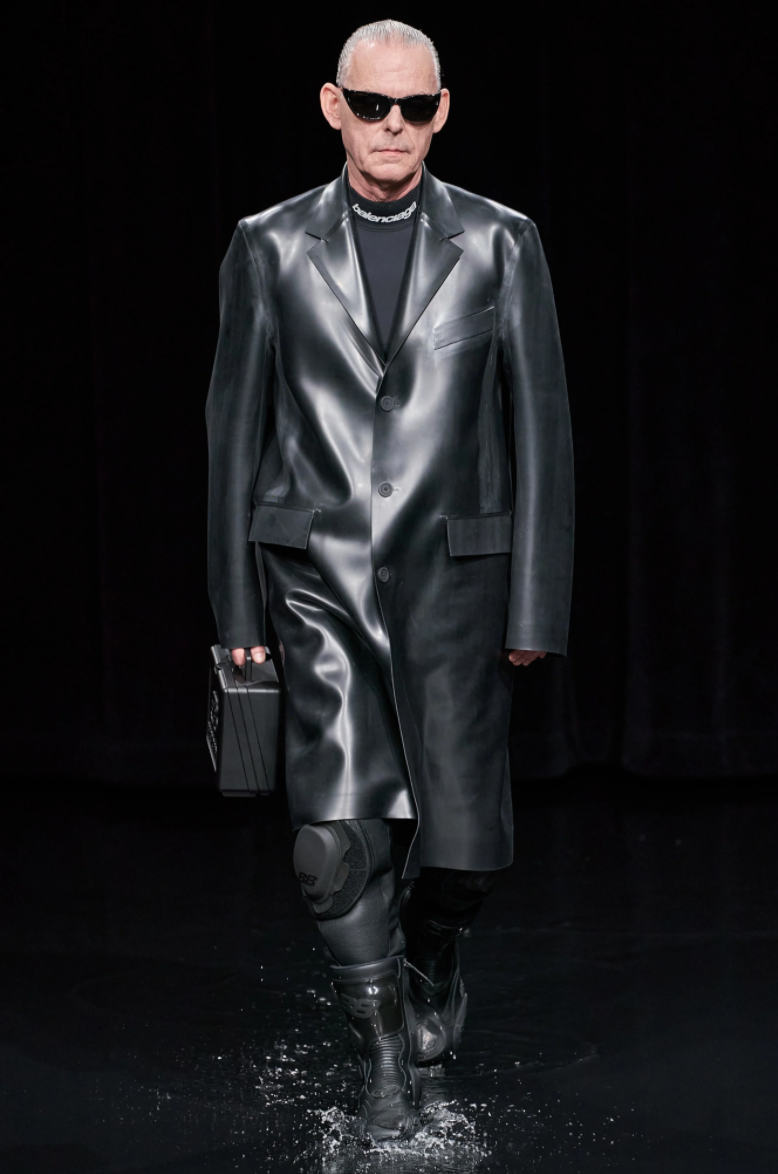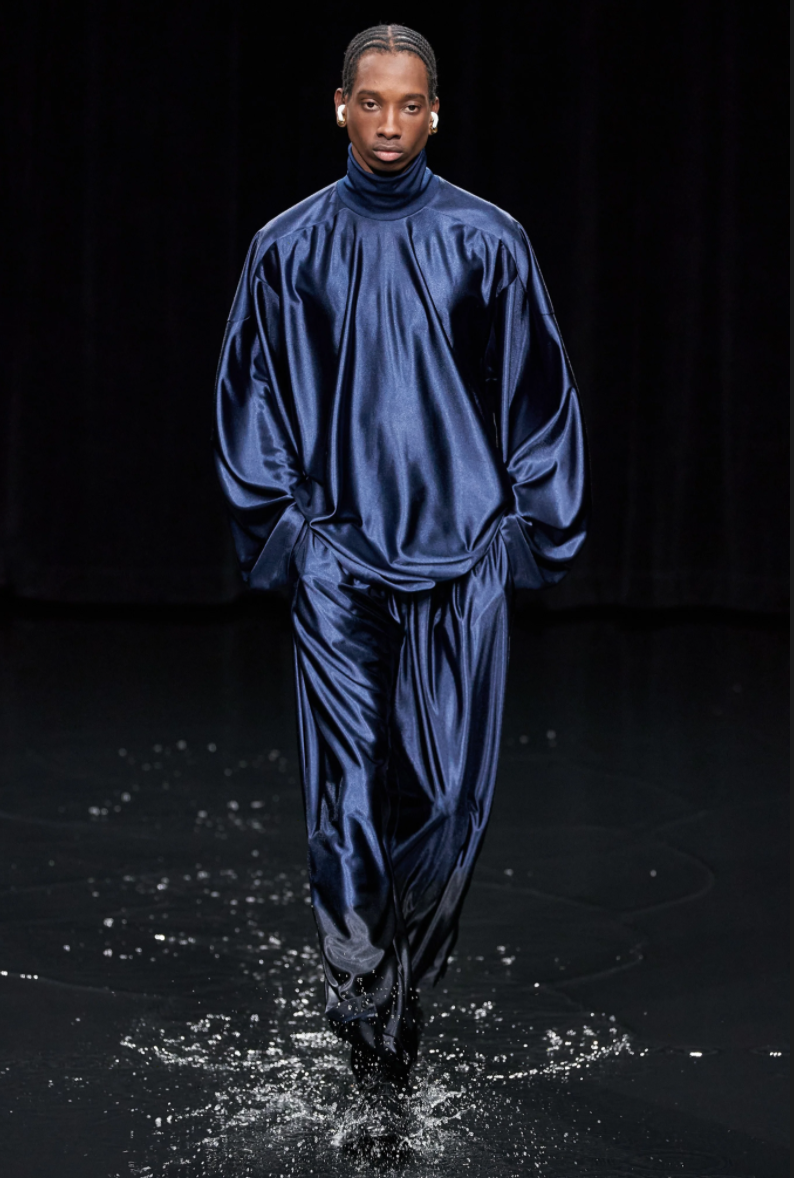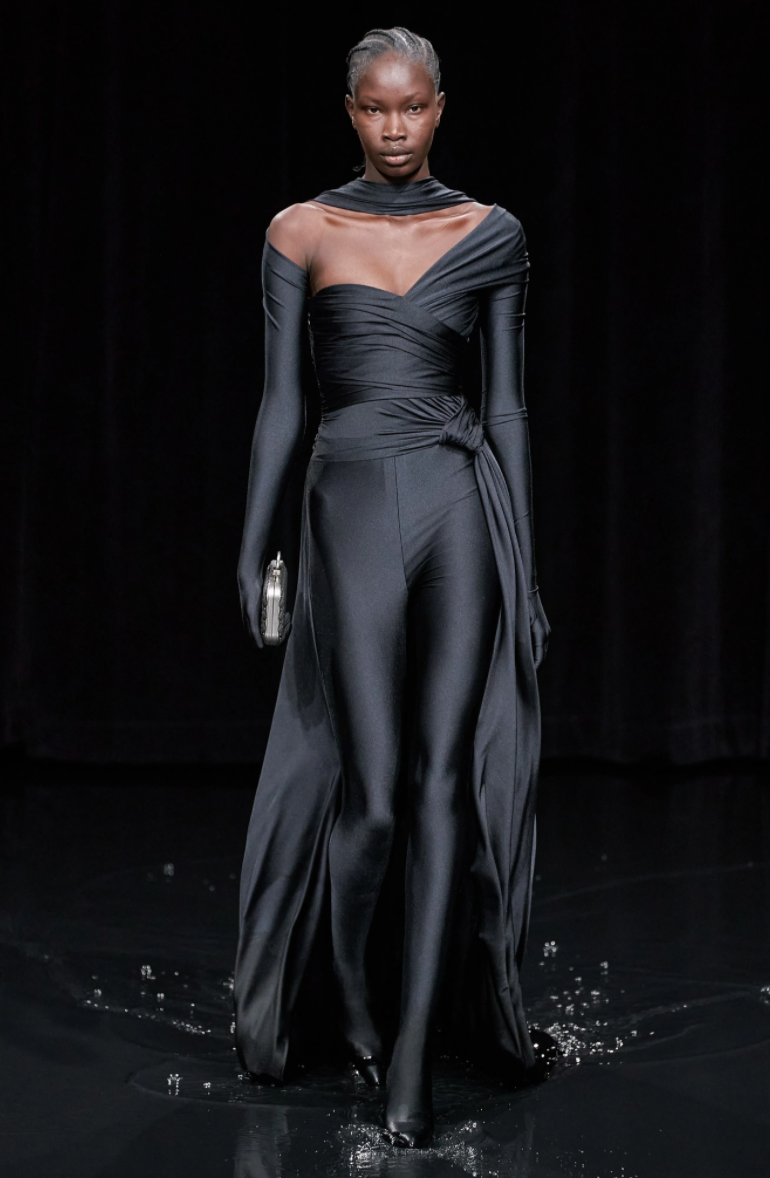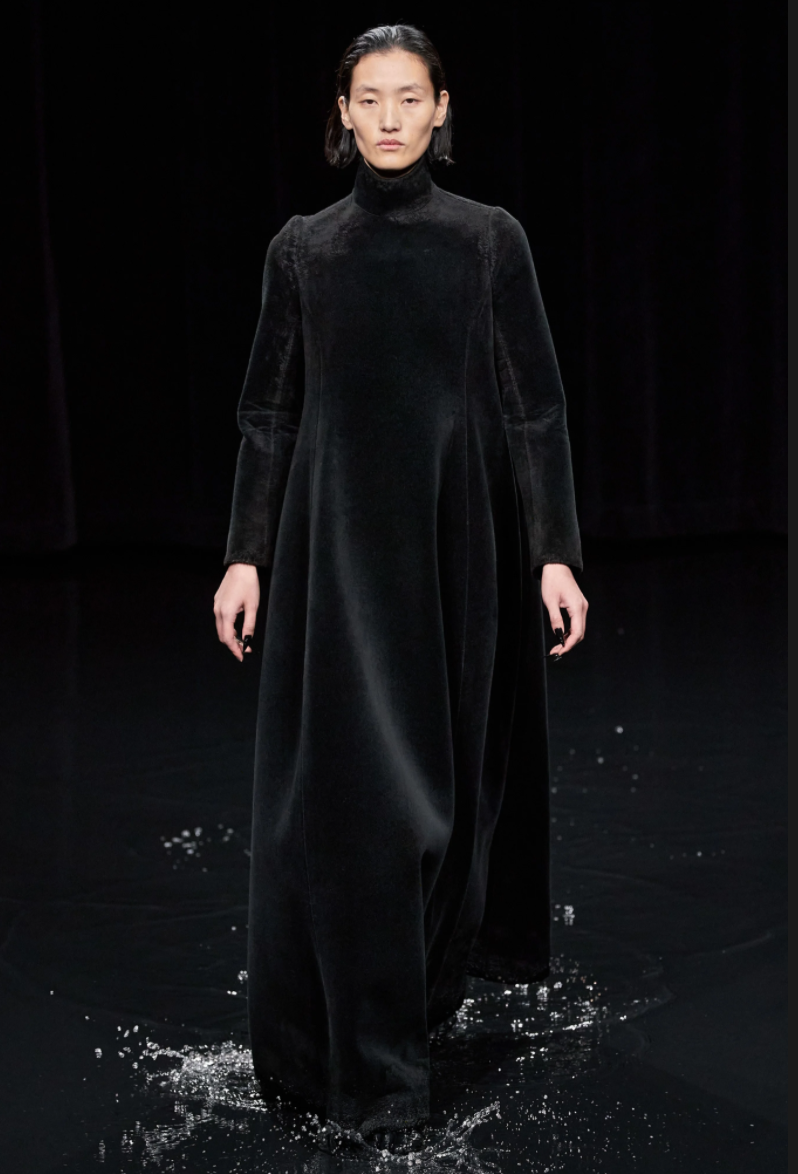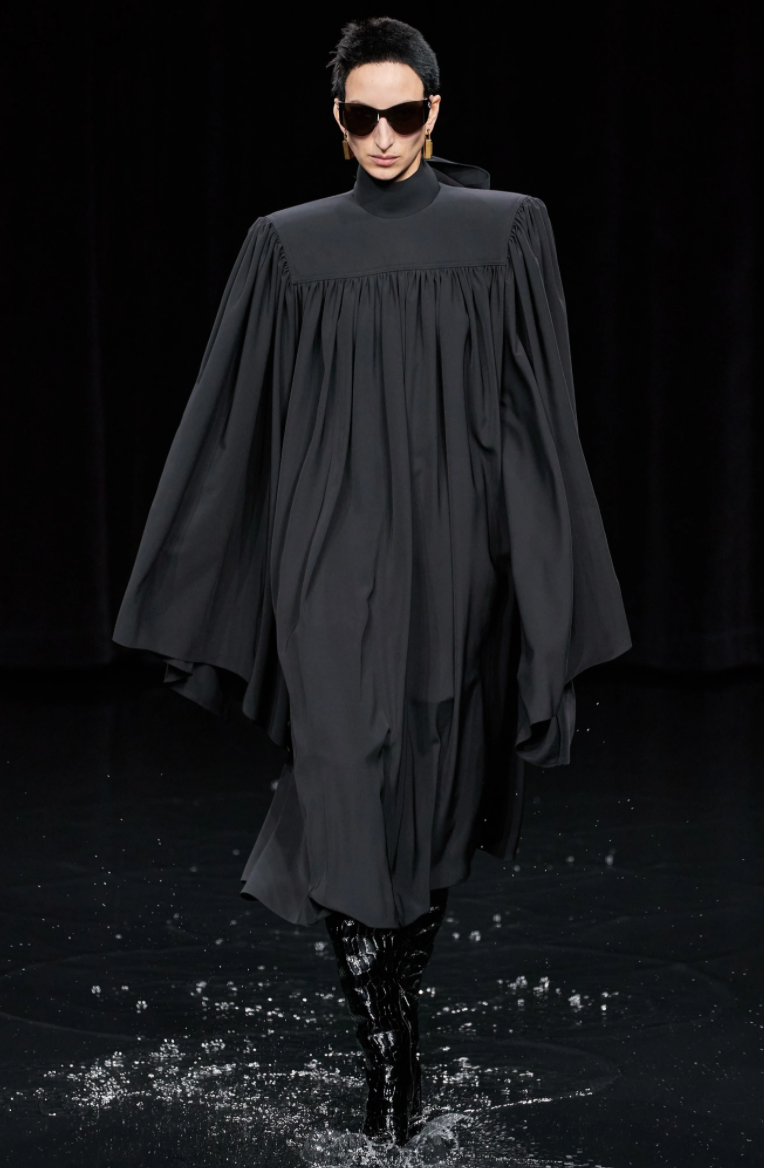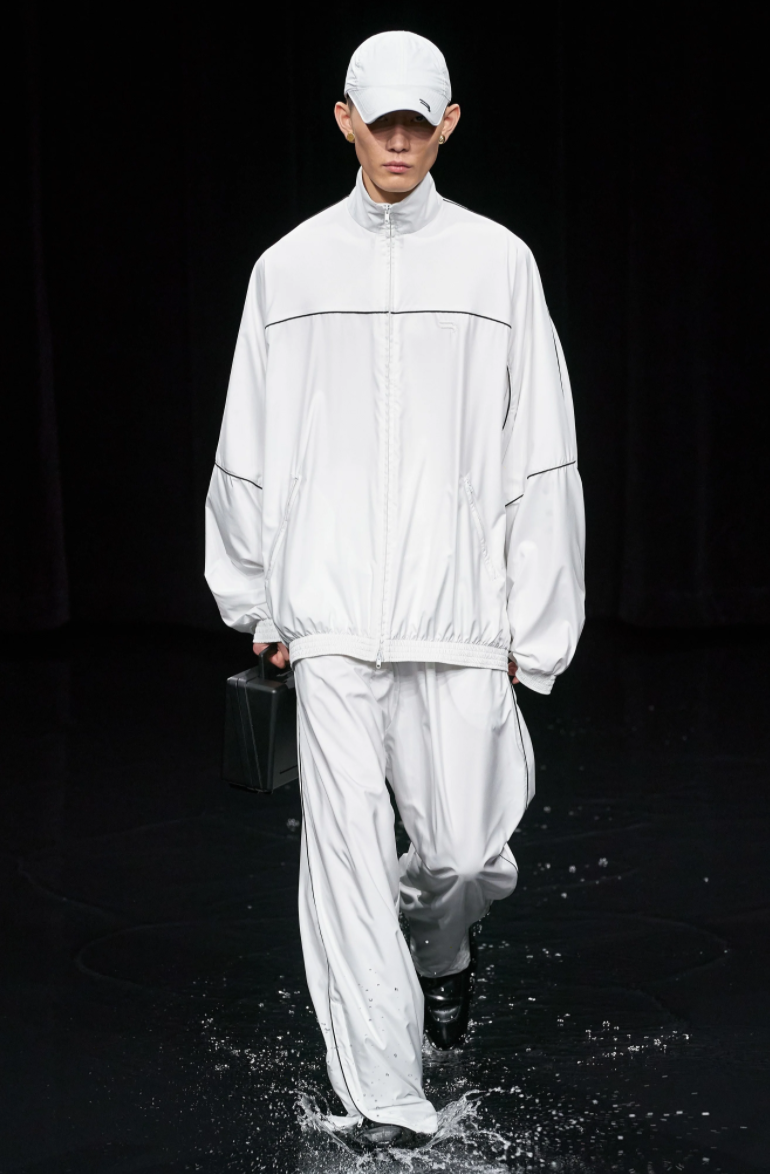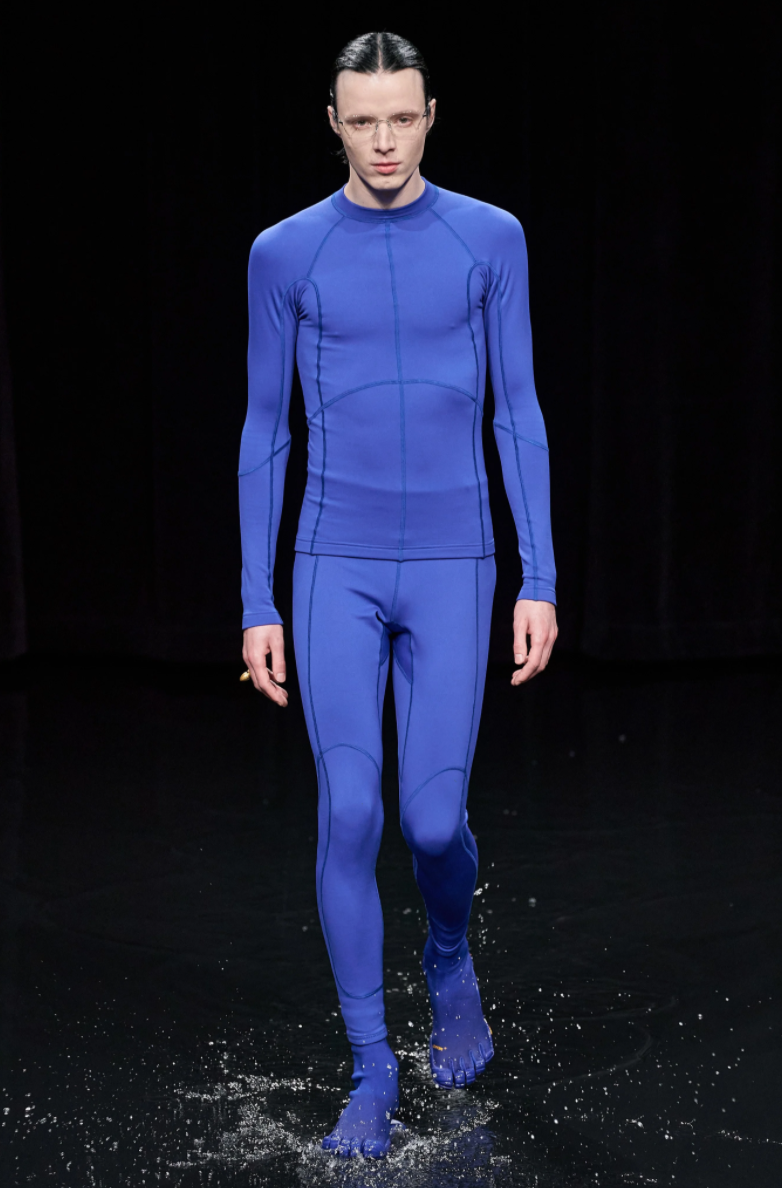
Balenciaga Fall 2020 Ready-To-Wear

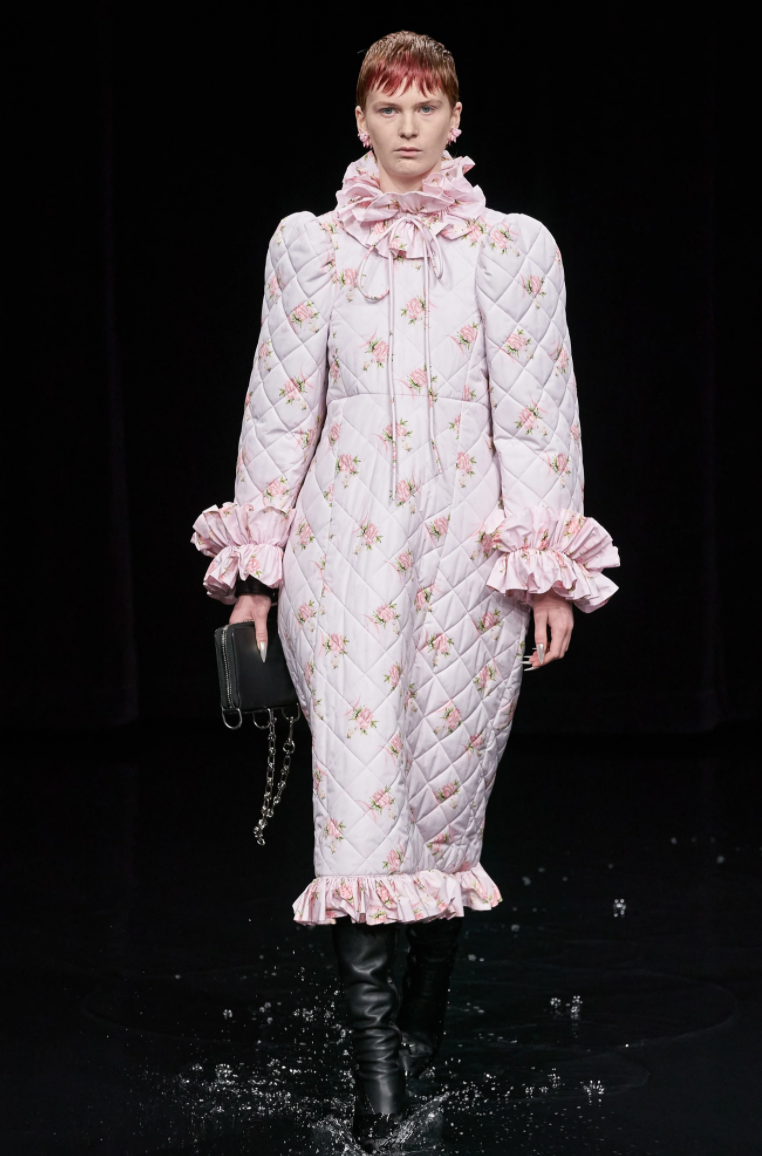
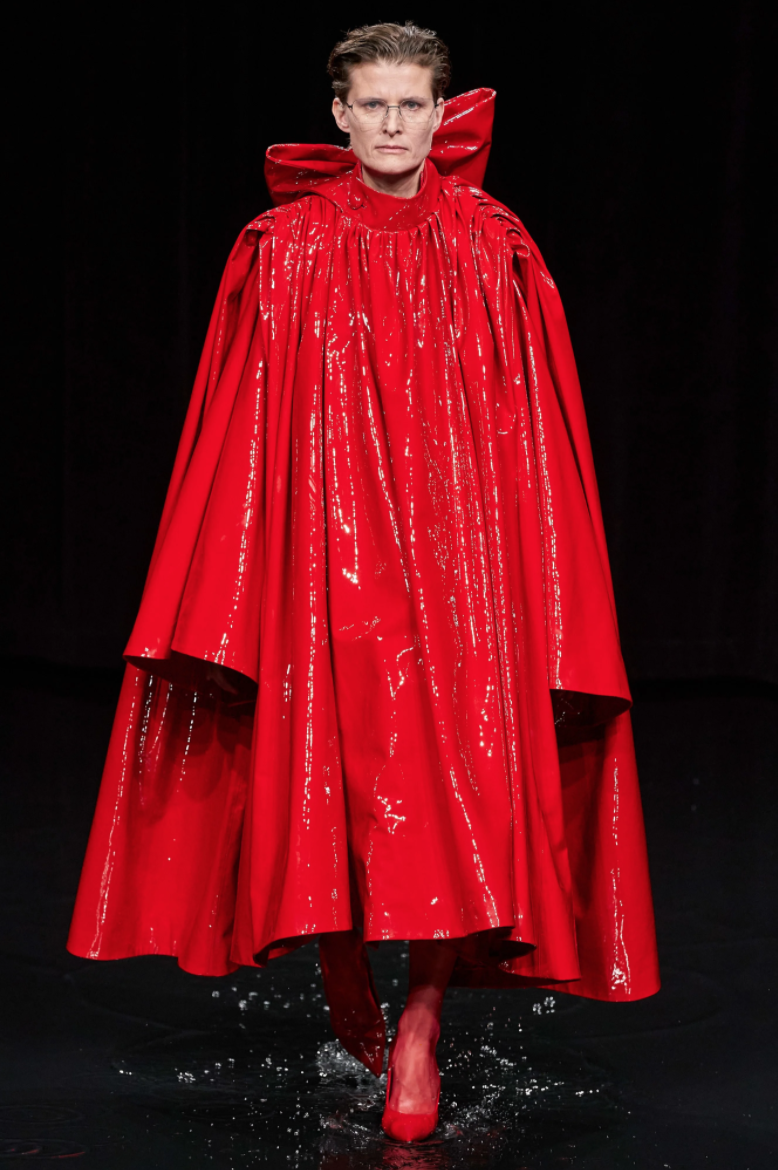
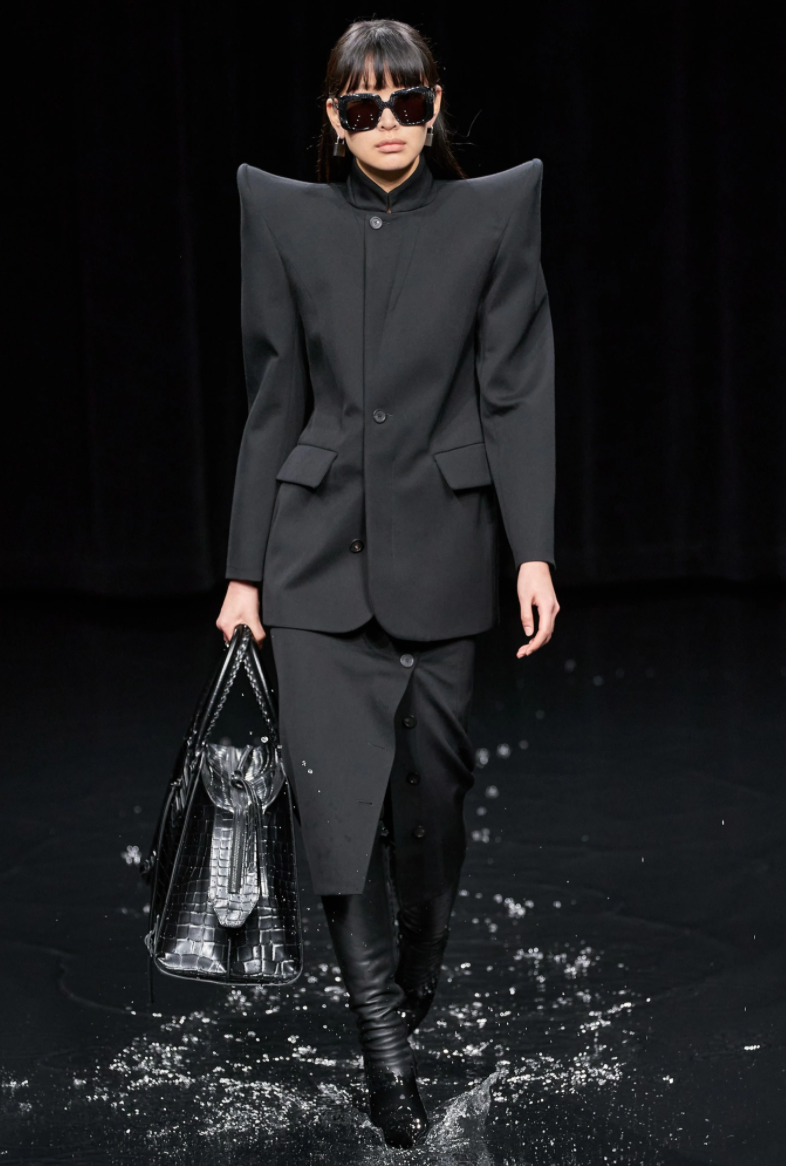
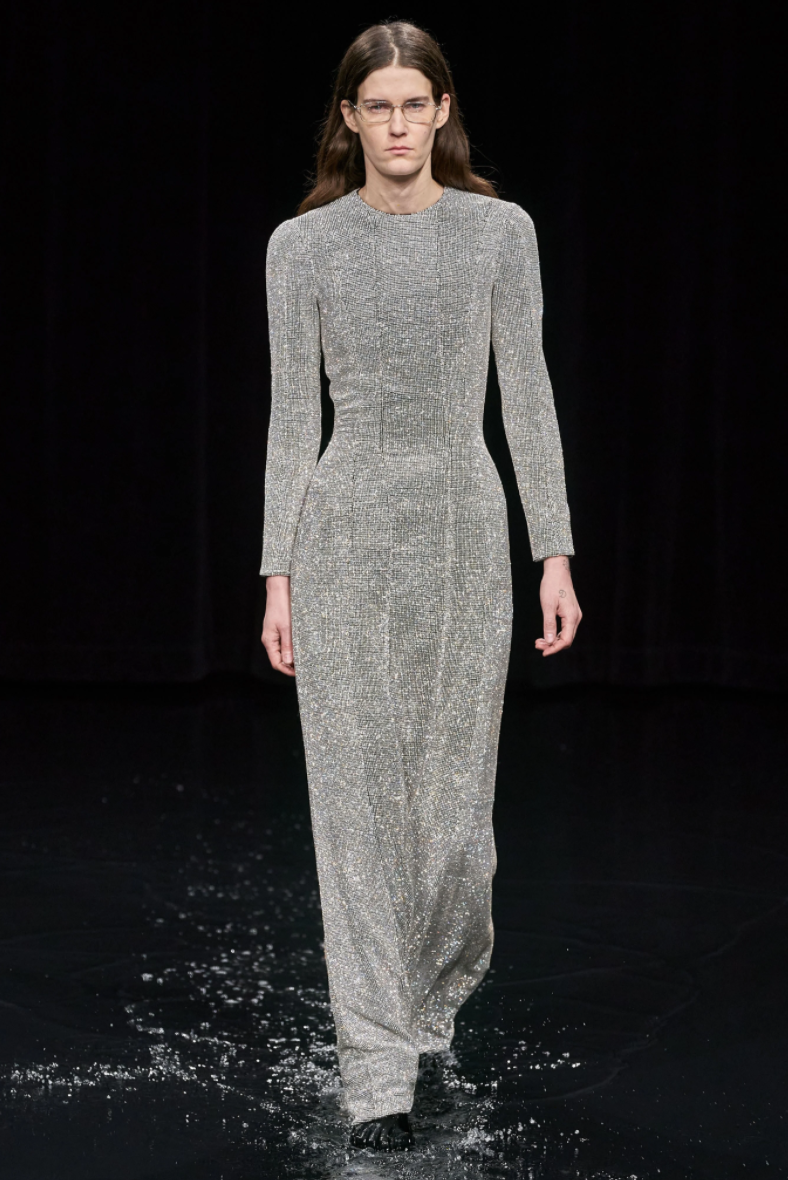
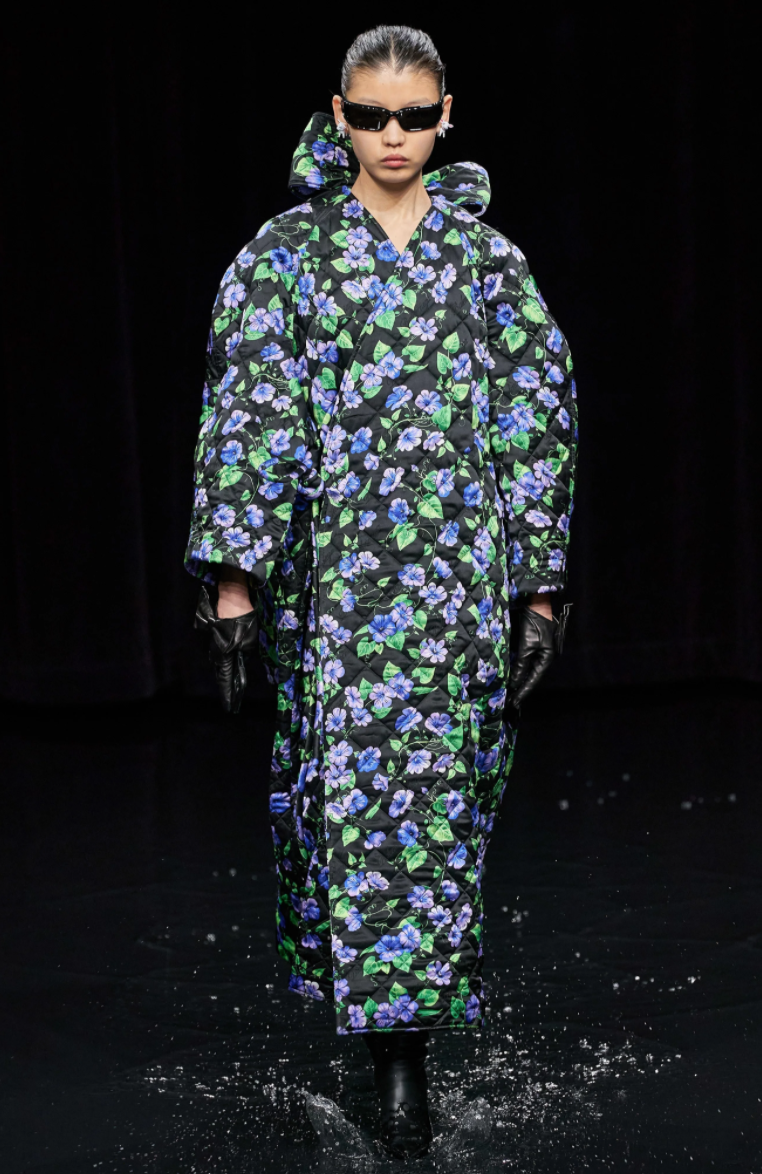
Fashion conversations frequently eddy around how much people enjoy ‘immersive’ experiences, but when the audience groped its way into the darkened Balenciaga stadium and suddenly realized that the first two rows were inundated with water—well, that gave ‘immersion’ a hellishly ominous new twist. It was just the beginning of Demna Gvasalia’s procession of sinister characters, walking on a vast stretch of water beneath an apocalyptic sky rent with fire, lightning and churning seas. “It’s the blackest show I ever did,” he said.

Black: its resurgence, the cutting of new silhouettes, its links to minimalism and classicism, is playing throughout fashion this season. To each their own, though. Gvasalia’s route is always freighted with social observation on the state of the world, power politics, dress codes, fetishism. His intense parade of priests and priestesses in long black robes, with their “religious purity, minimalism, austerity” arose from memories of the Orthodox church in Georgia, and looking at the Spanish Catholic origins of Cristóbal Balenciaga. “He made his first dresses from black velvet, for a Marquesa to wear to church,” said Gvasalia.

“I had a lot of clerical wear in my research. I come from a country where the Orthodox religion has been so predominant,” he said. “I went to church to confess every Saturday. Back then, I remember looking at all these young priests and monks, wearing these long robes and thinking, ‘How beautiful.’ You see them around Europe with their beards, hair knotted back and backpacks. I don’t know, I find it quite hot—but that’s my fetish.”

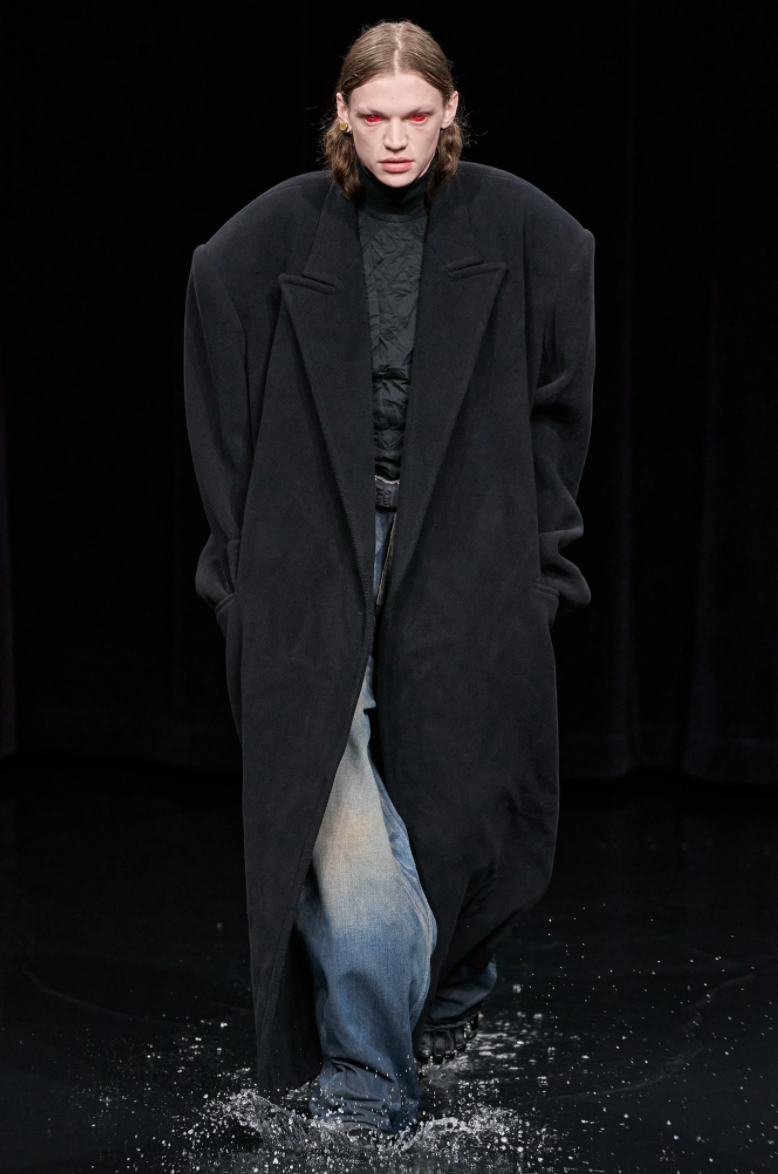
More than anything, though, Gvasalia said he wanted to shift the parameters of menswear, so he could finally get to don some Balenciaga priestly maxi-skirts himself: “How come it is acceptable for clerics to wear that, but if I put on a long jacket and a skirt I will be looked at? I can’t, even in 2020!” But there were no two ways about it—on the runway, these men looked menacing.

On closer inspection, they were wearing demonic red or black contact lenses; their faces brutally augmented with protheses. “Religious dress codes are all about hiding the body, about being ashamed—body and sex is the taboo. Whereas when you look into it, some of these people are the nastiest perverts,” said Gvasalia.
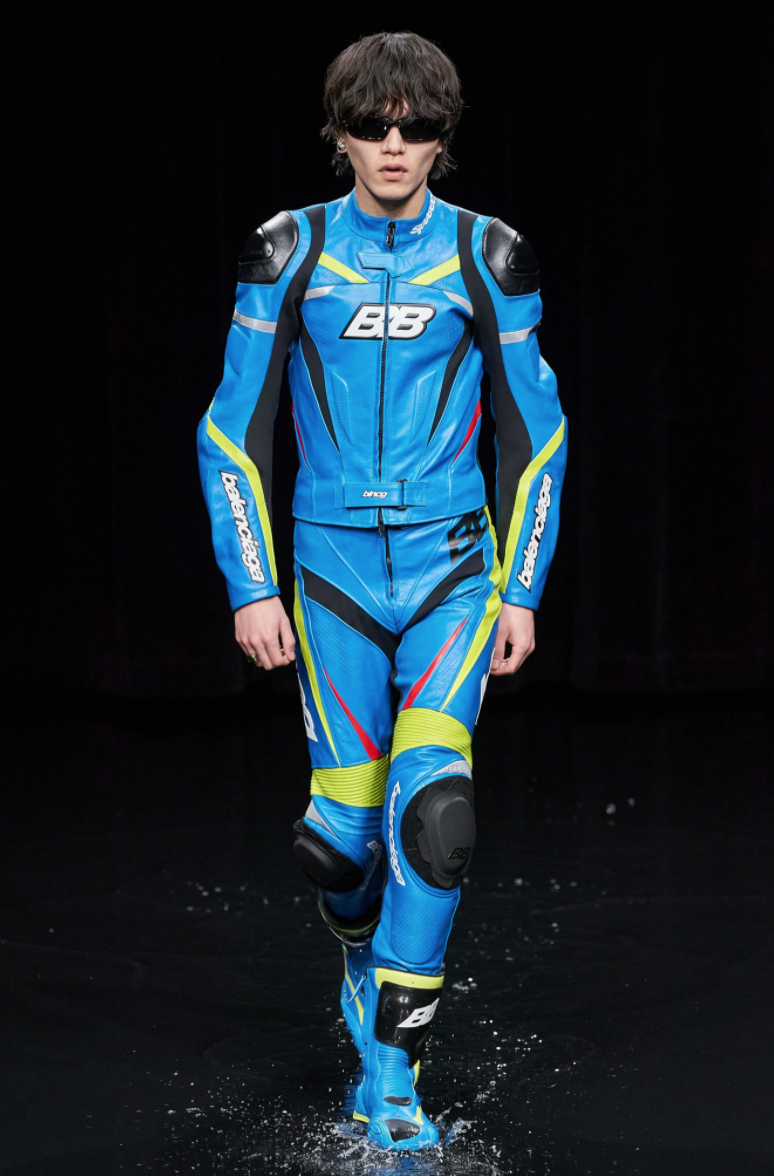
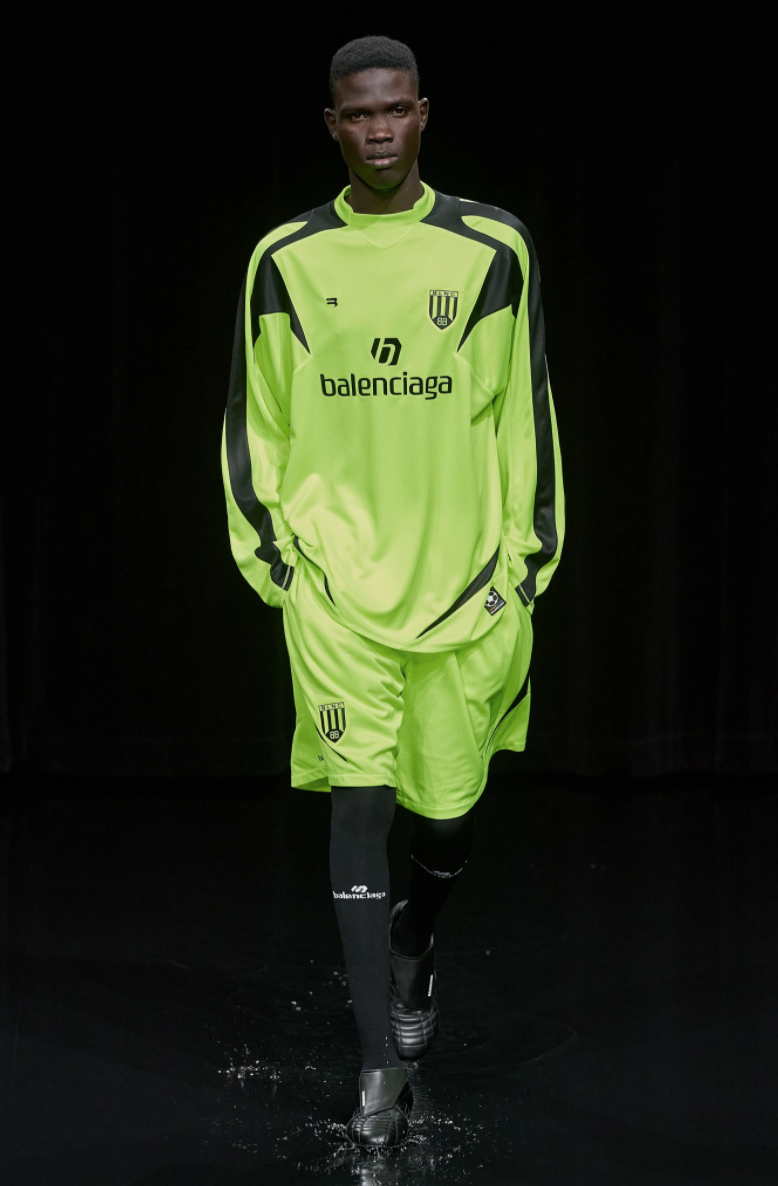
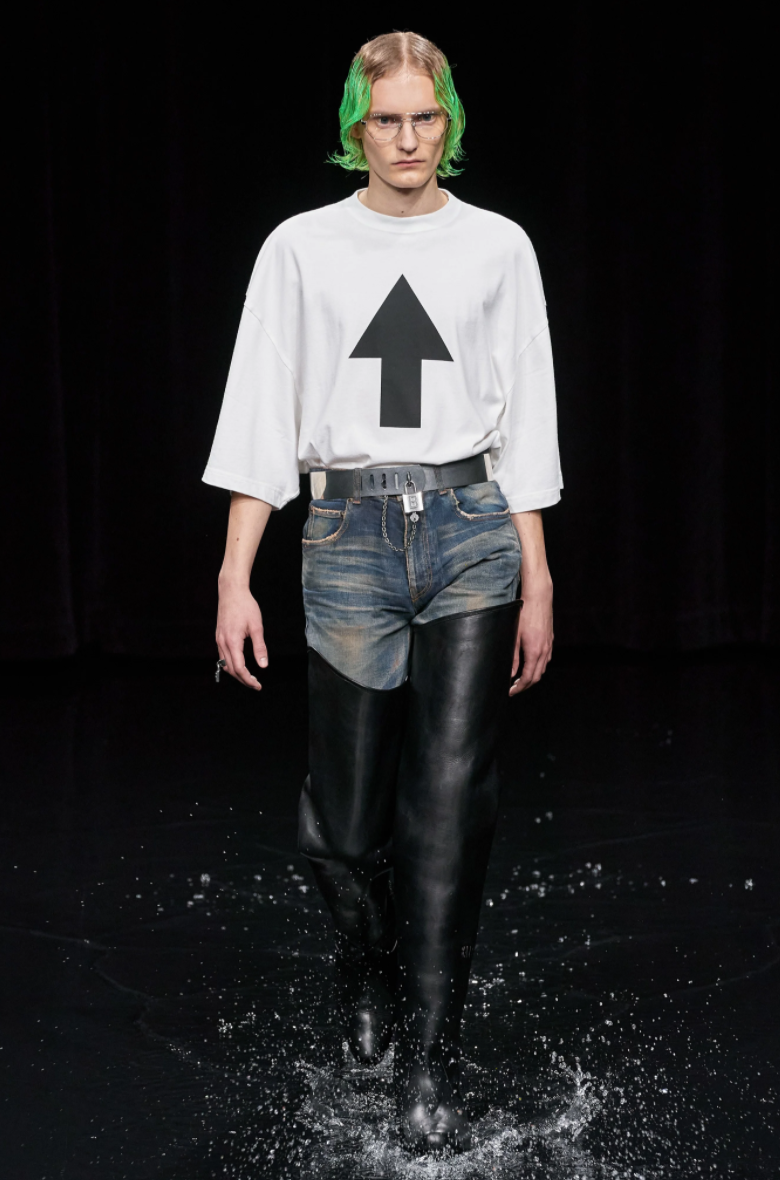
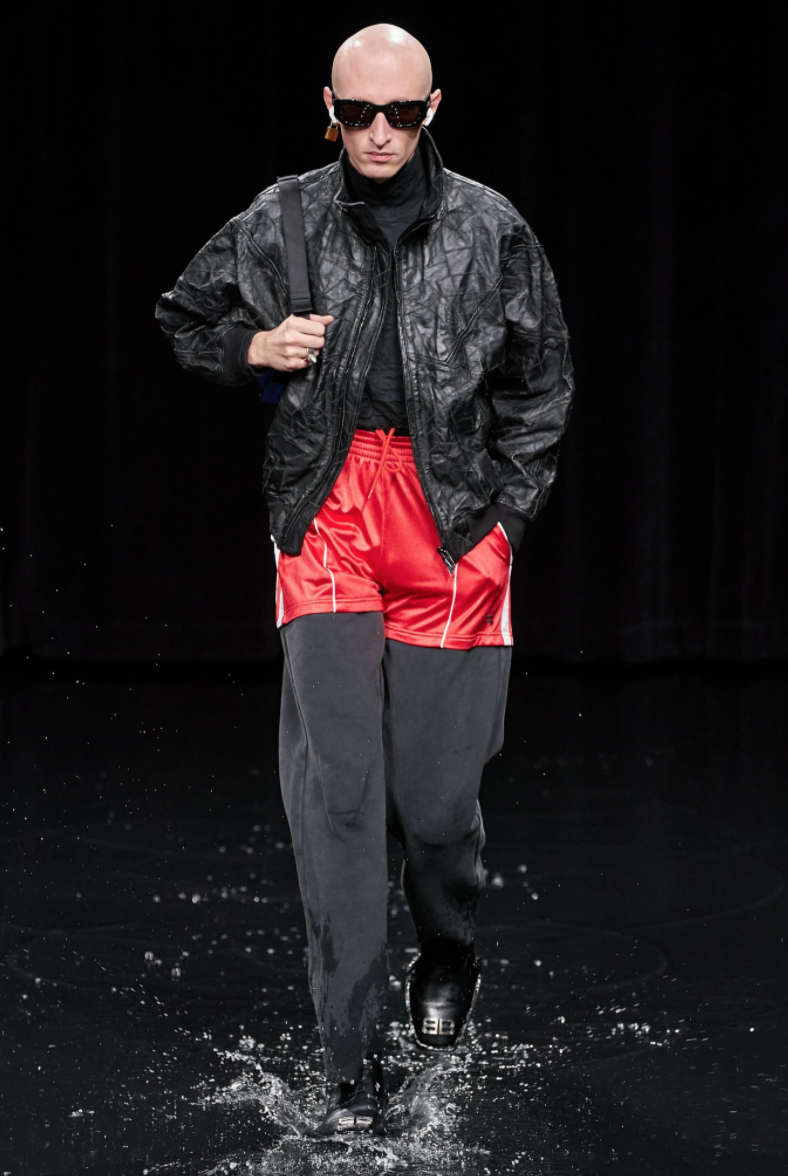
Holding that thought—about constraint, rules and belonging to sects—set him off, designing neoprene suits with tiny compressed waists for women and black leather “Pantaboots” with padlocked “chastity belts” and a whole series of leather biker suits.

It’s telling that Gvasalia has been spending so much time researching Cristóbal Balenciga’s archive—no doubt in preparation for his first Haute Couture collection in July. Maybe some of what he called “our gala girls” in draped dresses with gloved sleeves and built-in leggings are a foretaste?

As for hope, despite the biblical apocalyptic scenario Gvasalia created for fall: “In spite of all that’s going on in fashion and the world, I still love this. I suppose until the day I die, this is what I am passionate about. I love making clothes.”

Source: Vogue

FASHIONADO
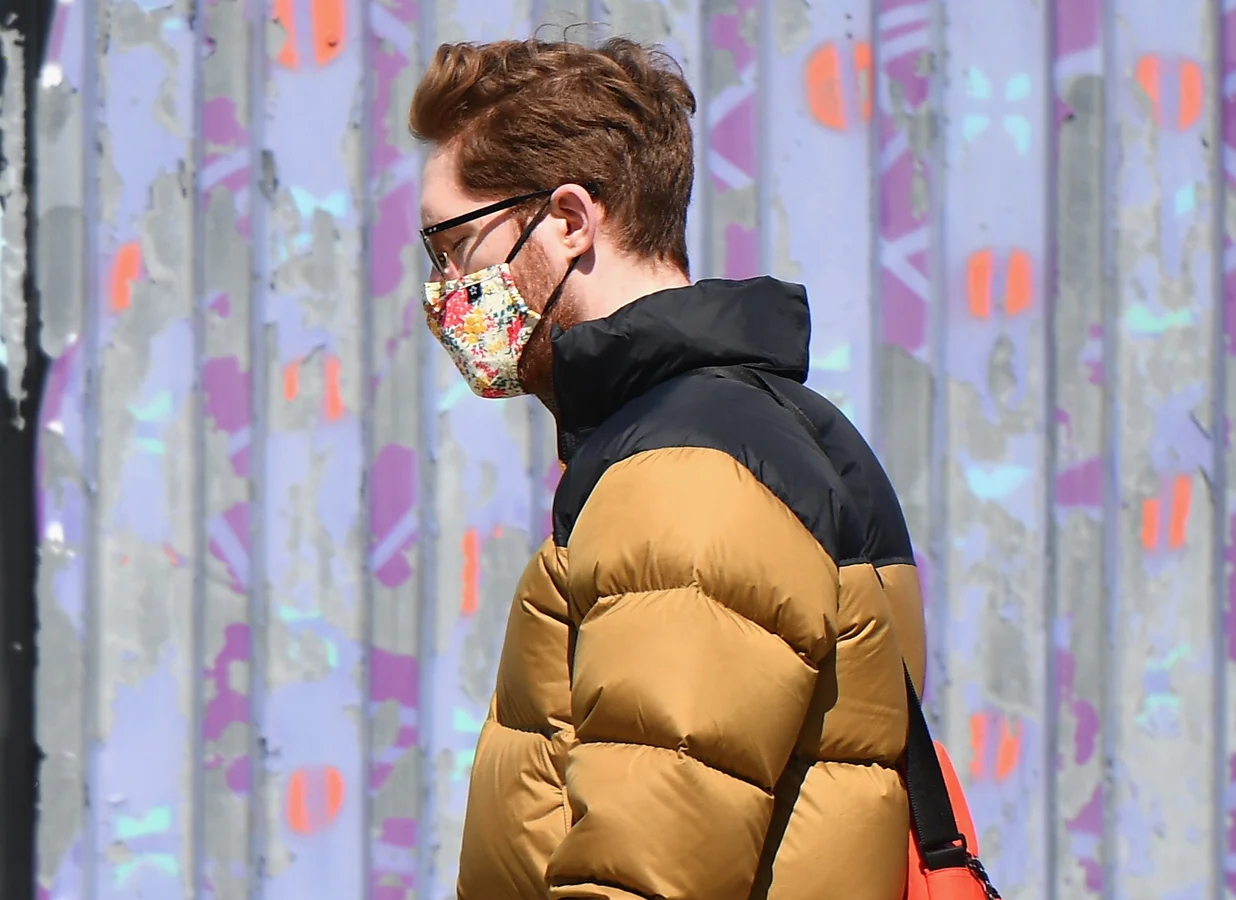
Here’s Where You Can Buy a Face Mask Right Now

Face Mask-GQ-COVID-19-Fashionado

In a reversal of earlier guidance that Americans don’t need to wear face coverings in public in order to combat the spread of the novel coronavirus, the White House is expected to announce in the coming days that wearing a mask, or covering the face with a bandana or scarf, is in fact advisable, according to memos created by the Centers for Disease Control and Prevention and shared with the White House this week.

In a copy of the guidance obtained by The Washington Post, the CDC recommends that “the community use of cloth masks as an additional public health measure people can take to prevent the spread of virus to those around them.” President Donald Trump added in a press briefing on Thursday that “I don’t think it will be mandatory,” and a White House official told the Post that the guidance would be “narrowly targeted to areas with high community transmission.” That largely tracks with what medical professionals told GQ earlier this week: that wearing a cloth mask isn’t a perfect solution, but it’s better than not doing anything.

The memos and guidance that the CDC shared with the White House clarify that N95 respirators and surgical face masks, both of which are in critically short supply, should be reserved for health-care workers. So if you’re going to wear a mask—and you should; just listen to these experts—what are your options? Here is a running list of designers and manufacturers who are creating non-medical-grade masks—we'll update as more information becomes available.

Ball and Buck

For the masked sportsman. Ball and Buck’s camo mask will keep you safe(r) on a trip to the grocery store, and also well camouflaged in the deer blind.

Maison Modulare

Can a face mask be...sexy? Check out Maison Modulare’s French lace version and tell us we’re wrong.

Alabama Chanin

Natalie Chanin is a longtime practicioner of "slow design," making hand-sewn and machine-made womenswear garments in her factory in Florence, Alabama. All her pieces are made from 100% organic cotton sourced from the Texas Organic Cotton Marketing Cooperative in Lubbock Texas. Her non-medical grade masks are made from tight-weave cotton that is less permeable than standard cottons, and are washable and reusable.

Daniel Patrick

Because if you've gotta wear a mask, you might as well get one in a colorway no one else has. If you order at least two of them, the company will send you another one for free.

Naomi Nomi

Recently, Naomi Mishkin explained the troubles she was facing in shifting her Naomi Nomi line to mask production. The first handful of obstacles have been overcome—civilian masks are being made, and every purchase means one is donated to a healthcare worker. They’re sold out for now, but join the waitlist and check back over the weekend for increased stock.

American Blanket Company

Denser than a standard cotton or paper mask, these are made from polyester fleece. It’s like wearing a blanket on your face, but more breathable. (The world’s coziest mask?) American Blanket Company will donate a mask with every purchase.

Citizens of Humanity

The denimheads of Citizens of Humanity have turned their jeans expertise to mask-making. $25 gets you a pack of five in assorted washes—just right if you want to match to your favorite jeans.

Collina Strada

New York upstart Collina Strada was one of the breakouts at New York Fashion Week back in February, some 37 years ago. Now, designer Hillary Taymour is sending along a free mask with every purchase. If you’ve been jonesing for a T-shirt with nipple piercings, now’s the time.

Buck Mason

You might know Buck Mason as a direct-to-consumer brand well-liked for its T-shirts. Now, they’re turning that tasty cotton into masks.

Los Angeles Apparel

Los Angeles Apparel, the company founded by American Apparel founder Dov Charney, is selling three-packs of masks in several different colors. It says mask purchases will fund its ability to donate masks, and to cover costs at its factories.

Everybody.world

Everybody.world is also selling Los Angeles Apparel's black face masks. In this case, though, proceeds go directly to the Everybody.world's employee-relief Rainy Day Fund, which it says it set up to offer more paid time off for factory workers during the pandemic.

Classic Sofa

New York-based furniture company Classic Sofa has a ton of face masks available in three different sizes and several different colors.

Take Care

Canada-based company Take Care Supply was founded specifically to make masks in response to the coronavirus epidemic. The company says its masks will ship in two to seven business days.

Peri

Peri is using deadstock fabric to make its face masks, which it still has available in three different colors. Good luck finding a croc-print mask anywhere else!

Swimspot

A 10-pack of Swimspot's basic black masks will ship in 5 to 7 days.

Reformation

Reformation's 5-pack of face masks are out of stock, but they company says they might ship in a week or two. You can join the waitlist now.

Goodfight

Goodfight promises its mask will ship by April 15th. It also says they for each purchase, they'll donate one to an L.A. institution in need of personal protection equipment.

Ellie Funday

EllieFunDay's face masks won't ship for another two to three weeks. But if you buy one the company will donate another to a local hospital.

CustomInk

CustomInk's masks are set to ship April 15th.

Christine Shirley

Christine Shirley's owner Paige Sullivan is making masks out of the fabric she has lying around in her Pennsylvania studio. If you have colors you prefer, you can say as much in the order notes, but there aren't any guarantees. You should be able to get your mask in 10-14 days.

The Oula Company

Oula says its masks will ship in one to two weeks. They feature a random fabric—likely one that's super colorful.

Whimsey + Row

Whimsey and Row's face masks are currently out of stock, but you can join the waitlist to be notified when they come back in stock. For each one you buy, the company will donate one to an institution in LA, like Union Rescue Mission.

Source: GQ

FASHIONADO

Capri Holdings Donates $3 Million to Coronavirus Causes

Capri Holdings, which owns Michael Kors, Versace, and Jimmy Choo, has announced that together its three brands will donate more than $3 million to aid those impacted by the coronavirus. “Our hearts and souls go out to those who are working on the front lines to help the world combat the COVID-19 pandemic,” says chairman and chief executive John D. Idol.

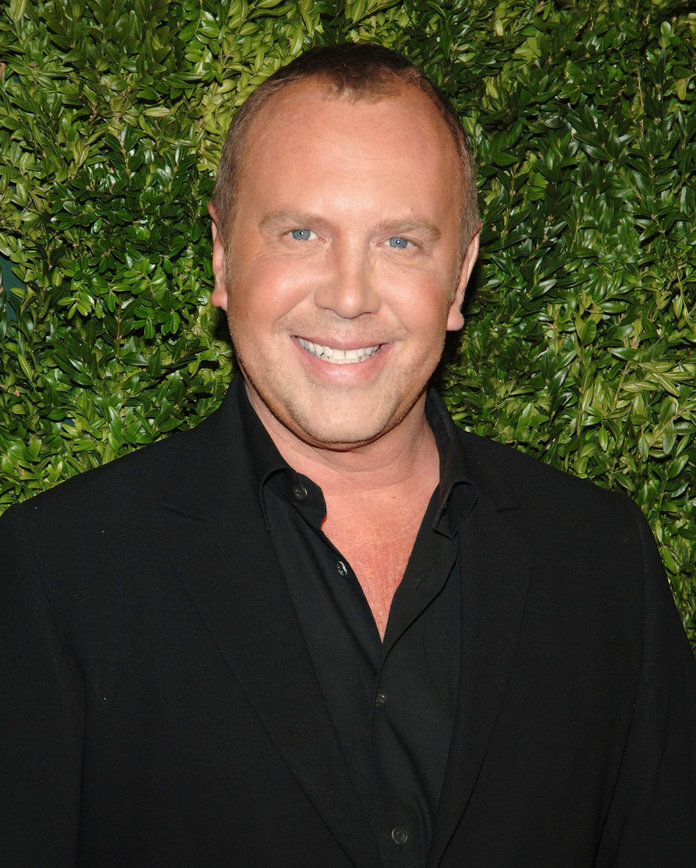
The Michael Kors company will divide a total donation of $2 million—$1 million from the company and $1 million from founder Michael Kors himself—between three New York–based organizations. NYU Langone Health and NewYork–Presbyterian Hospital will each receive a $750,000 donation, while God’s Love We Deliver and Vogue and the CFDA’s A Common Thread will each receive $250,000.

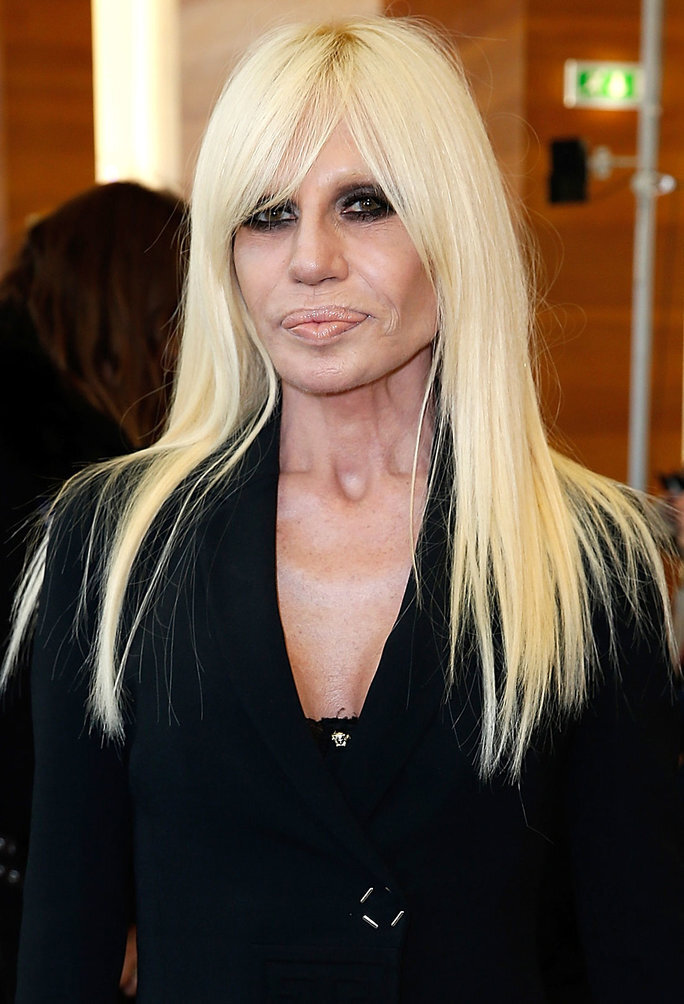
Versace, which already donated $1 million to the Chinese Red Cross Foundation in February, will donate an additional $400,000 to Milan’s San Raffaele Hospital and $100,000 to the Camera Della Moda to supply ventilators and medical equipment to Italian hospitals. In London, Jimmy Choo will donate $250,000 to the NHS and to the WHO’s COVID-19 Solidarity Response Fund.

Altogether, the companies’ donations will aid people around the world, echoing the ways fashion has banded together globally to combat this crisis. “This is clearly a time for people to come together in every way and on every level, because we are all stronger in our united resolve,” says Idol.

Source: Vogue

FASHIONADO
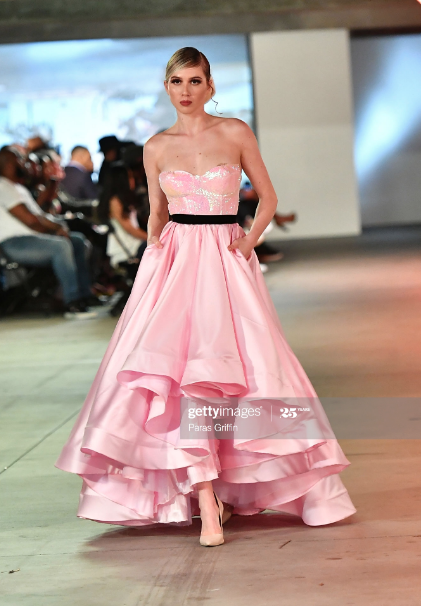
Ralph Lauren Will Contribute $10 Million to Coronavirus Relief Efforts

ralph lauren foundation covid fashionado

The fashion industry has felt the impact of the coronavirus pandemic at every level of its business, with charitable and legislative plans to support brands, retailers, designers, and employees that have been affected by the crisis emerging slowly but surely over the past two weeks.

Thursday, Ralph Lauren announced a major donation that provides serious support to his employees as well as global relief efforts. His Ralph Lauren Corporate Foundation set out a plan to give $10 million to four charitable organizations. Conglomerates like Kering and LVMH have donated millions of euros in cash in addition to producing masks and other equipment for European health authorities. Lauren’s, meanwhile, is the largest amount given in a single donation of any fashion company so far, and the kind of meaningful, major statement that many in the American fashion community have been waiting for.

“At the heart of our company, there has always been a spirit of togetherness that inspires our creativity, our confidence, and most importantly our support for one another,” Lauren, who serves as executive chairman and chief creative officer, said in a press release. “In the past weeks and months, that spirit has never wavered.”

In the release, Lauren outlined a plan to split the money between four major organizations, with the goal of providing relief to his own employees, support for global efforts to fight the spread of coronavirus, and financial assistance to American designers. The first organization is the Emergency Assistance Foundation, an American nonprofit that creates employee relief funds, and which will provide grants to help employees of Lauren’s corporation to assist with medical care or the care of family members. Sums will also go to the World Health Organization’s COVID-19 Solidarity Response Fund, and Ralph Lauren’s Pink Pony Fun for cancer research.

Lastly, $1 million dollars of the donation will go to A Common Thread, the initiative launched earlier this week by the Council of Fashion Designers of America and Vogue to support designers and those behind-the-scenes who have been impacted by the coronavirus.

The company’s release added that it is also exploring the production of medical-grade masks, gowns, and other personal protective equipment. As GQ reported yesterday, fashion designers’ production of much-needed masks has been riddled with roadblocks and red tape. Leadership from an organization of Lauren’s size could make the manufacturing of those supplies far more effective.

Source: GQ

FASHIONADO
CFDA + Vogue Launch Program to Fight COVID-19

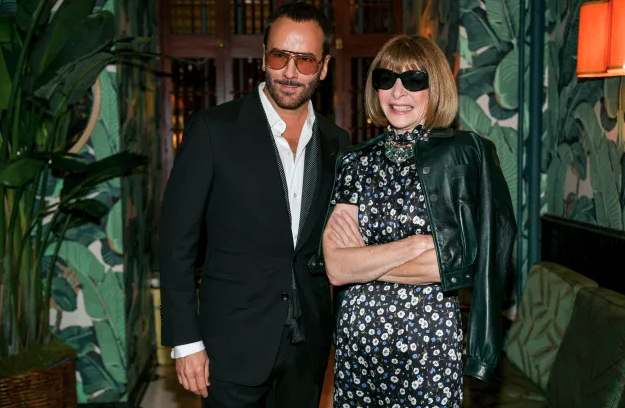
In response to the pandemic, the CFDA/Vogue Fashion fund has been repurposed and rechristenend A Common Thread. Tom Ford and Anna Wintour Photo credit: Clint Spaulding/WWD

In response to the pandemic, the CFDA/Vogue Fashion fund has been repurposed and rechristenend A Common Thread. Tom Ford and Anna Wintour Photo credit: Clint Spaulding/WWD

“What can we do?”

Anna Wintour posed that question to CFDA chairman Tom Ford earlier this month in reference to the coronavirus pandemic that has devastated the fashion industry. Both notoriously proactive and intrepid, they came up with a plan within days: to repurpose the CFDA/Vogue Fashion Fund, shifting focus from emerging designers to all the American fashion community who are severely financially impacted by the COVID-19 fallout.

The initiative, renamed A Common Thread, aims to raise awareness as well as money. Beginning March 25, designers and those who work behind the scenes across the industry can submit videos in which they tell their fashion stories, including the impact of the pandemic on their careers and lives. The videos will live on the digital platforms of the CFDA, Vogue and all Condé Nast titles. The program utilizes the hashtag #cvffacommonthread.

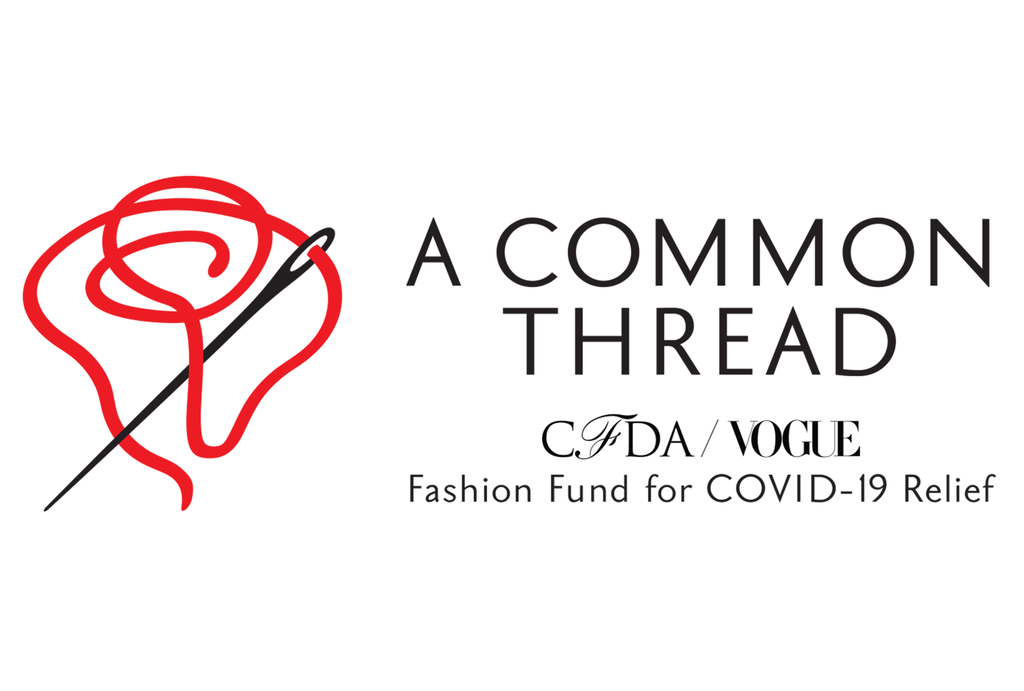
Logo for A Common Thread, the CFDA/Vogue Fashion Fund COVID-19 Relief Fund.

Logo for A Common Thread, the CFDA/Vogue Fashion Fund COVID-19 Relief Fund.

Wintour came up with the name A Common Thread, the logo for which features a sewing needle and red thread in the shape of a rose, the needle pulling the thread and piercing the bloom. Word of the program will go out to CFDA membership today in a letter penned by Wintour, which she and Ford signed.

“It’s easy to feel helpless as the news changes hour by hour, and the challenges it all presents only seem to grow and become more insurmountable as time goes on,” it reads.

To lessen the sense of isolation and desperation, the message encourages members to take advantage of available city and state resources, listed on the CFDA web site. “Yet,” the letter continues, “the question remains for us: What can we do to help?”

A Common Thread is Wintour and Ford’s initial answer. Although the fund’s parameters have been fully defined, designers and brands seeking relief can apply on the CFDA web site beginning on April 8.

“We’ve created a fund, now we have to fill it. Then we have to figure out who gets that money,” Ford said on Monday, noting that significant details — criteria for consideration; who will decide how funds are allotted and to whom — “need to be fleshed out.”Already established: The program is open to designers and brands across the industry. They need not be former CFDA/Vogue Fashion Fund winners, nor even CFDA members. While the selection committee remains TBD, it will include people from both within and outside of Vogue and the CFDA, according to Ford.“We’re rushing to put this together as fast as possible because we want to let everyone have a voice in this. We want to do something,” he said.

See Also: Fashion Industry Comes Together to Fight Coronavirus Pandemic

The CFDA/Vogue Fashion Fund has awarded $6.6 million in prize money since its inception, with the most recent annual purse a total of $700,000 distributed among the winner and two runners-up. Those resources will be transferred to A Common Thread. In addition, there’s a crowd-funding element. As of today, donors can contribute by texting “thread” to 44321 or online at givelively.org, a fund-raising platform for nonprofits. Suggested amounts range from $5 to $100 to name-your-number.If that approach seems modest relative to the devastation wrought by COVID-19, Ford and Wintour will likely seek major-donor contributions going forward.

There is no reason that we’re not at some point going to be hitting up larger companies for bigger contributions,” Ford said. “It will really depend on what happens after all this is over. If it only lasts three months, I think we’ll be able to raise more money than if it drags on and on.”Yet it’s one thing to offer a young, fledgling designer-led company a first prize of $400,000 and mentorship by an industry leader to help kick-start his or her business. It’s quite another to, in a meaningful way, help an entire, vast industry comprised of thousands of businesses, many of them already challenged before the virus struck, to rebound in a landscape that’s almost completely dark, producing next to zero revenue for who knows how long. The level of relief required (if any amount will be enough) is more in line with that sought in a parallel CFDA effort spearheaded by Tory Burch made known over the weekend — explicit inclusion in the near-$2 trillion federal stimulus package now being battled over in Congress.Ford praised that effort, and stressed the necessity of its success. “I have to say, Tory has done a great job,” he said. He added that while the letter sent to President Trump and signed by the CFDA and a host of other industry organizations “was quite general,” in behind-the-scenes exchanges, “people were getting quite specific.”By comparison, what A Common Thread can deliver is modest. “We’re not senators,” Ford said, while noting that the two efforts serve overlapping but not identical purposes.To that end, A Common Thread’s storytelling component should resonate powerfully. “There is symbolism to it and in a way, maybe that’s the bigger part of it — uploading videos, putting faces to everyone who’s out of a job, who needs a job, giving them a place where they can communicate that. I think the power of that will affect the funds we’re able to raise, and from whom.“Whether you’re a seamstress or a tailor, whether you work in a shop, whether you’re a fashion designer, whether you’re someone who won the Vogue/CFDA Fashion Fund, you will [send in] videos to the site,” Ford continued. “I think that the more we can put faces to the individuals who are suffering, the more help we’ll be able to get.”

See Also: Fashion Groups Seek Government Aid

To that end, fashion suffers from an image problem. Though a huge industry that’s central to the economy and employs, including retail, millions of workers in a vast array of mostly unglamorous disciplines on every imaginable pay scale, generally, when people think of the fashion industry they don’t conjure images of seamstresses, patternmakers, production people and retail sales associates. Rather, they envision its glamour deities — celebrities like Wintour and Ford.Worse, they often project a world in a bubble, an elite, exquisitely dressed bubble whose denizens live to be on the front end of the next hot handbag launch while flaunting chic attitude. “Let’s face it, a lot of people think fashion is frivolous,” Ford said.

Wintour concurs that perception is not only misguided but dangerous, particularly now. “[Too many people] think about fashion in a very narrow sense,” she told WWD on Sunday. “They’re not thinking about all the different layers that are involved, whether it’s the factories or the supply chain or those who supply raw materials, or the truck drivers who deliver the goods. It stretches out so many different ways. I think it’s the biggest employer in the country. People are not thinking about it in that way. They’re thinking about it as a very niche business, and that is a mistake.”

One for which fashion itself must accept a share of responsibility. “People see the glossy surface,” Ford said. “That’s what we as fashion designers and the fashion industry work to show the world — we work to show people the glossy surface that makes them want to shop and buy the products. So they’re not aware of everything that goes on behind it.

”That must change now. “We have to educate,” Ford offered.

Which speaks to the importance of A Common Thread’s video project. “It’s very important to put faces to this,” he said, noting the resonant power of Tom and Rita Hanks going public with their diagnoses, as well as the tragedy of the New Jersey family that has lost four members to COVID-19. “When you see the photographs, when you hear the stories,” Ford said, “it touches you emotionally far more than statistics will.”

Source: WWD /  Bridget Foley

FASHIONADO
The CFDA and Retail Industry Sends Letter to the White House Calling for Support Amidst Coronavirus Crisis

Lower Manhattan streets are all but emptied of shoppers. Photo: VogueRunway/Getty Images

Lower Manhattan streets are all but emptied of shoppers. Photo: VogueRunway/Getty Images

As the coronavirus pandemic has taken hold of the U.S. over the last week, designers have been outspoken about the challenges facing the fashion industry in this crisis. Citing impending cash flow issues for brands up and down the price spectrum Prabal Gurung told Vogue that “this situation will not be fixed by a sale.” Brandon Maxwell, for his part, said “my main focus through all of this is going to be my team and keeping everyone employed, number one, and making sure everyone is feeling healthy, mentally and physically.” Retailers, too, have been forthright about the struggles posed by “stay-at-home” and “shelter in place” regulations. “The supply chain is severely affected by this. I can only imagine, in the coming months, how it will affect things for next season... There is no question that it will be a challenging year ahead of us,” said Andrew Dryden, the co-founder of LA’s menswear mecca Departamento.

Yesterday, the CFDA and 90 business groups including the National Retail Federation, the Accessories Council, and the Fashion Footwear Association of New York brought their concerns to the White House, sending a letter to President Trump calling for economic stabilization efforts amidst the coronavirus pandemic. The letter begins by commending the Administration and Congress for their public health efforts and actions to minimize the economic fallout caused by the spread of the virus. It goes on, however, to state: “The economic harm from social distancing and mandatory store closures is real. Layoffs and economic hardship will surely follow, particularly for smaller, specialty retailers and brands. The biggest single issue facing the industry right now is liquidity, and federal stimulus efforts must be swift and flexible enough to address the urgent need for access to credit to keep these businesses afloat.” The letter concludes by encouraging policymakers to develop proposals that support the retail workforce and to provide a “bridge” for retail businesses of all sizes to stay viable during the crisis.

“The fashion business has been hit hard and from every angle. American Fashion is a $400 billion driving force of the US economy employing 4 million people, not including retail jobs. The retail industry is the nation’s largest private-sector employer, contributing $4 trillion to annual GDP and supporting one in four U.S. jobs—53 million working Americans,” said Tom Ford, Chairman of the Board of the CFDA. “Tory Burch has been actively driving a CFDA effort to urge the President and Congress that fashion and retail be part of any stimulus packages being developed. She quickly organized a group of industry leaders who were behind the letter that was sent the President on Saturday. The CFDA’s strength lies within it members, and we are thankful for Tory’s commitment to our industry.”

“It is imperative that our government, the federal reserve, regulators, and the public understand the vital importance of our industry to the overall economy of the United States,” Burch told Vogue. “Directly and indirectly we are one of the largest employers and contributors to the GDP. We must make our voices heard ... for our industry and our country!”

John Idol, the Chairman and CEO of Capri Holdings, parent company of Michael Kors, Versace, and Jimmy Choo, echoed Burch’s sentiments: “As with all Americans, the most important issue facing us is employment. We know that this pandemic will eventually subside and the industry will return to a new normal. In the interim, we need financial assistance in the form of immediate payroll subsidies, no-interest loans, and extended tax-payment relief in order for us to continue our commitment to retain our employees.”

In Washington DC today, negotiations around a stimulus package of approximately $1.4 trillion are ongoing. As the retail industry waited to hear the outcome—an announcement is expected Monday morning—Marc Metrick, the President of Saks Fifth Avenue, emphasized the importance of community: “Our utmost priority is the health and well-being of our people, customers, and communities. Our industry has historically faced and overcome a number of headwinds. This situation is not only unprecedented, but also constantly evolving. The best and most important thing we can do today is to work together as an industry, so that all of us can weather this storm and come out the other side.”

Source: Nicole Phelps/ VogueRunway

FASHIONADO
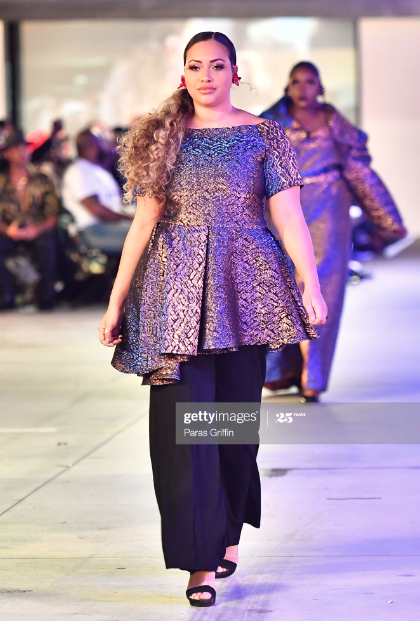
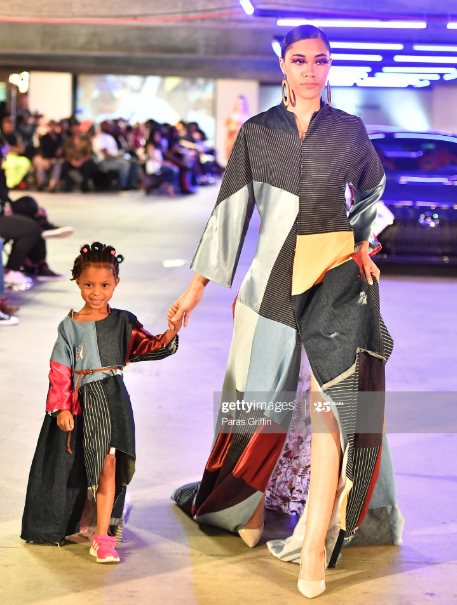
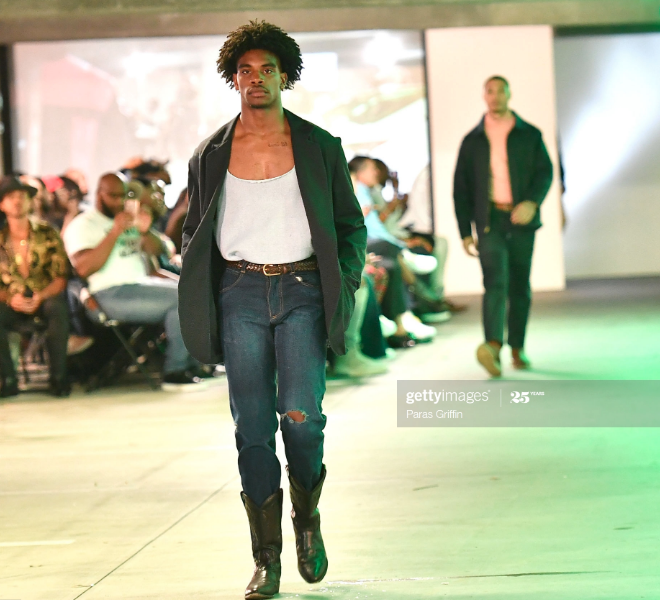
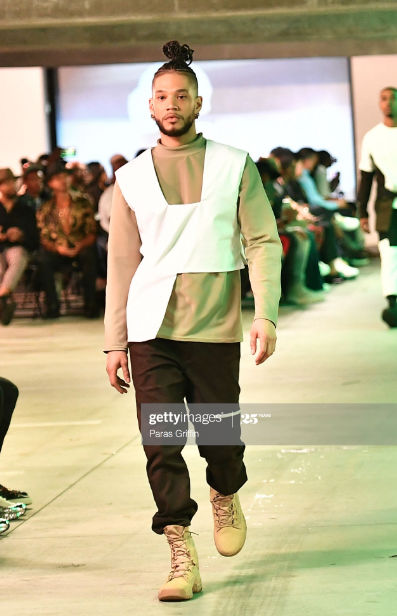
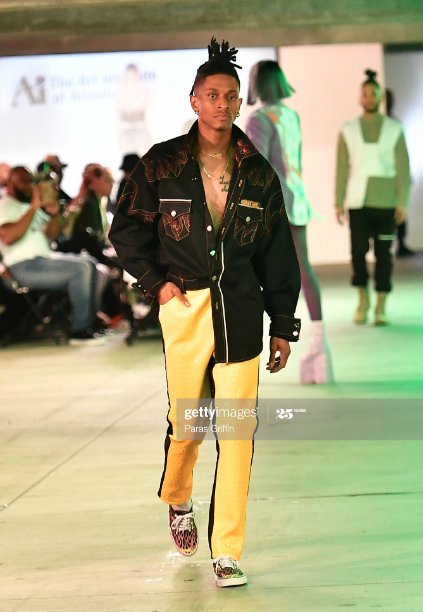
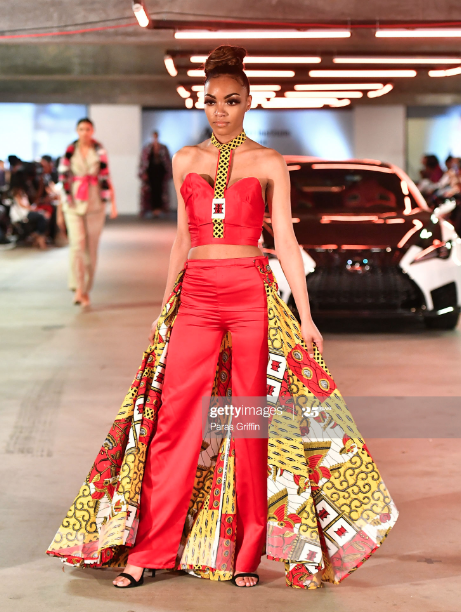
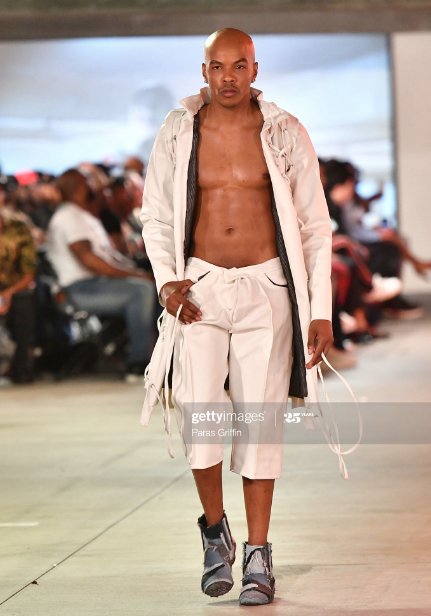
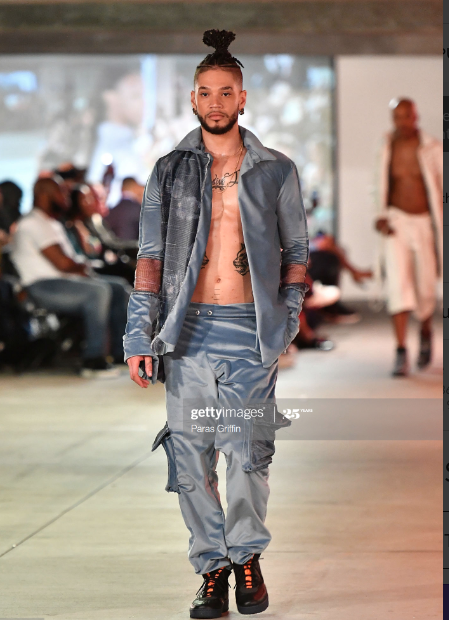
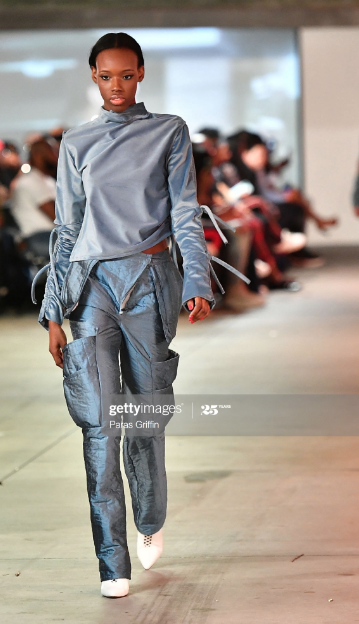
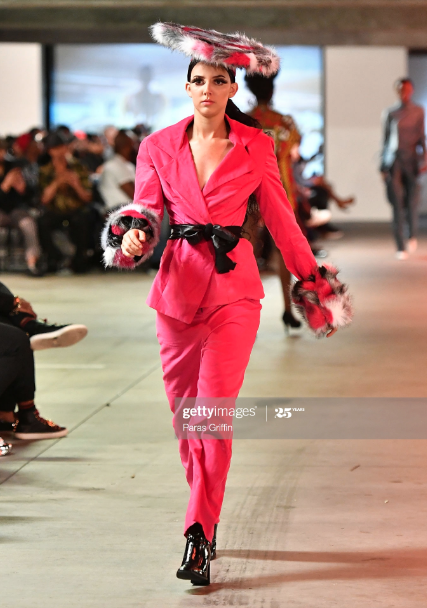
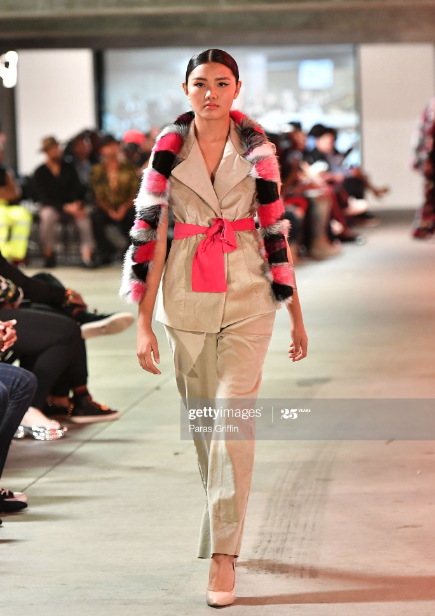
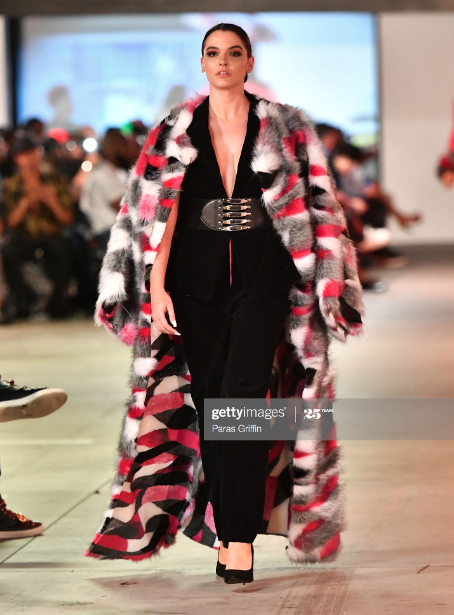
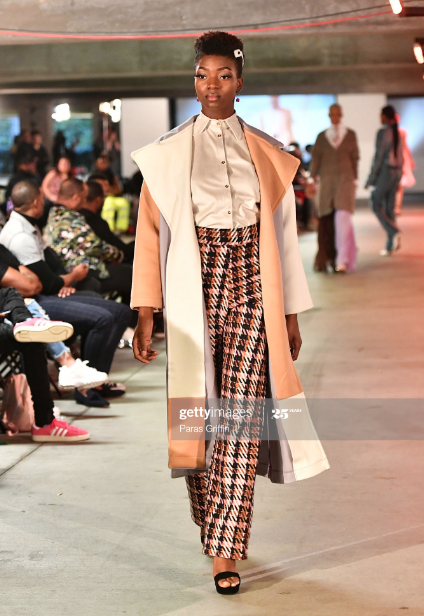
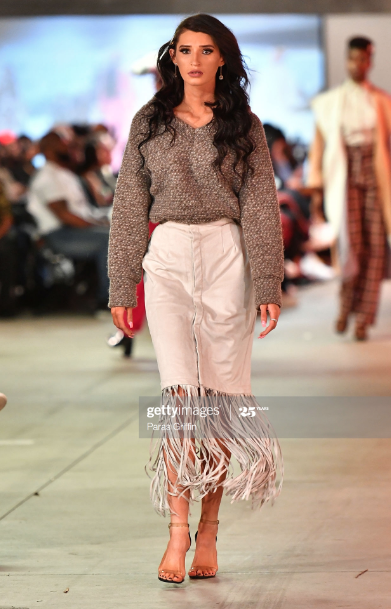
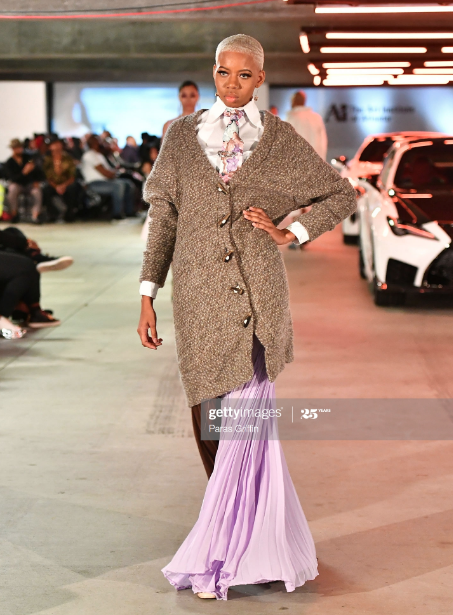
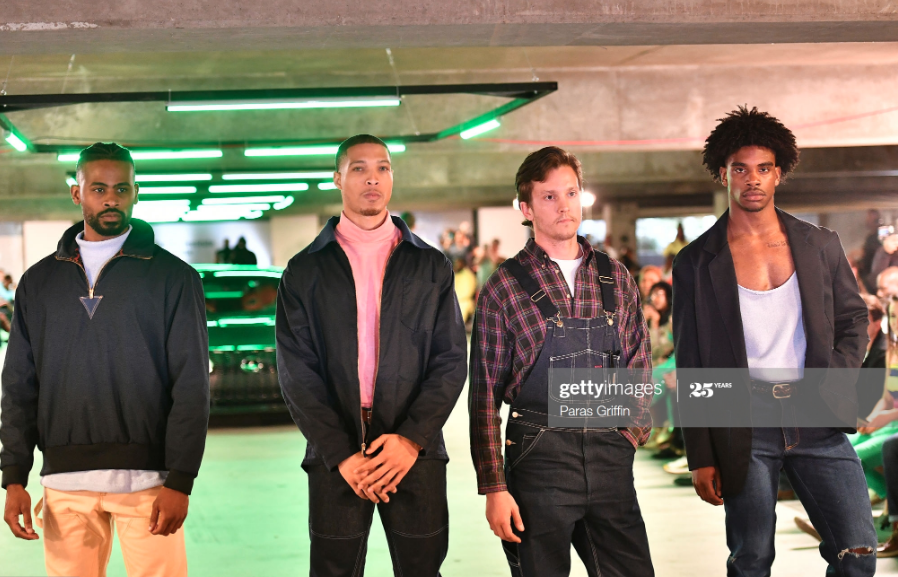
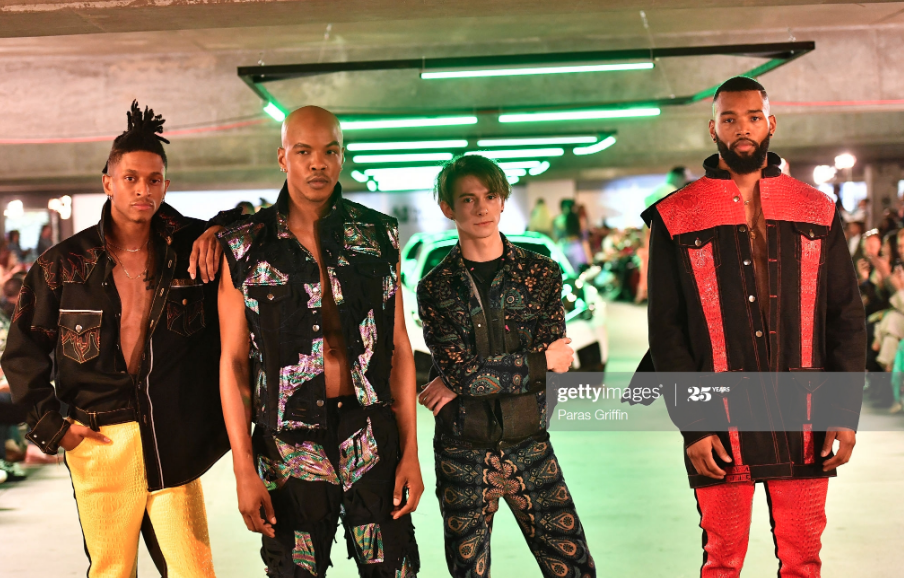
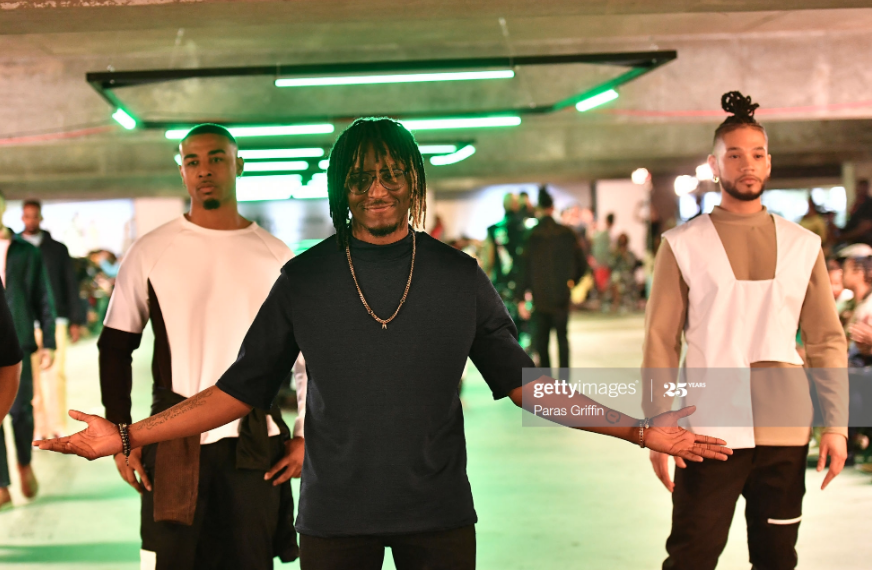
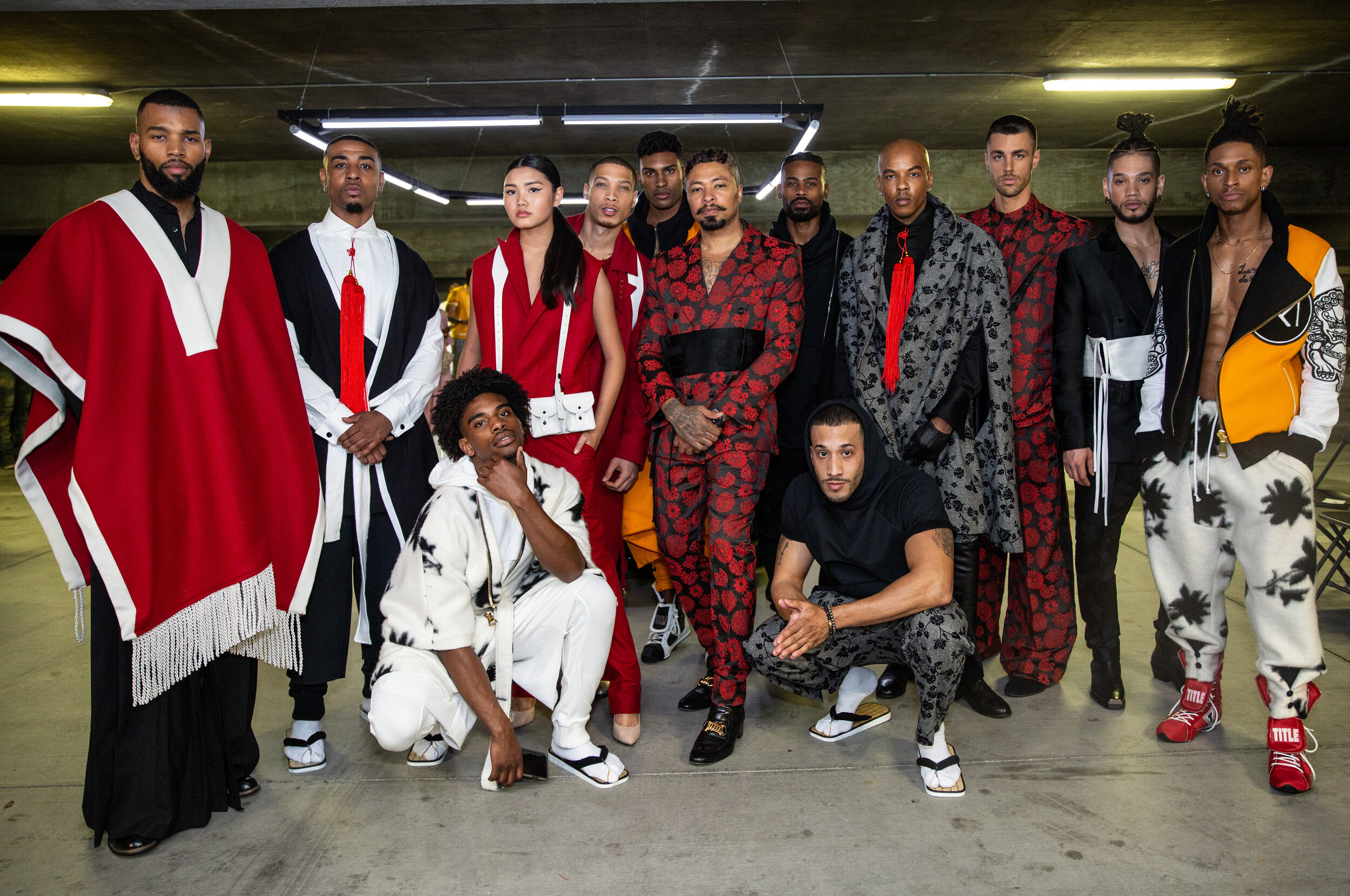
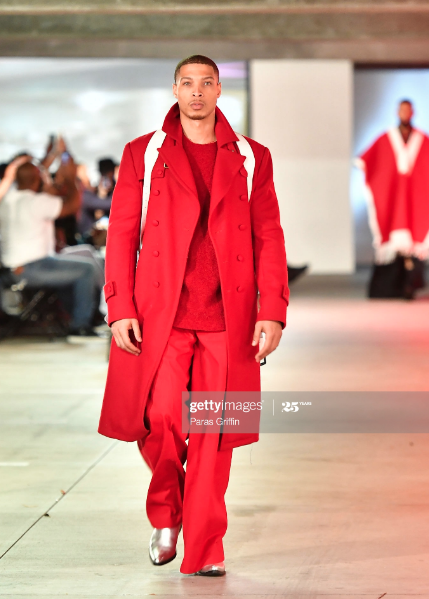
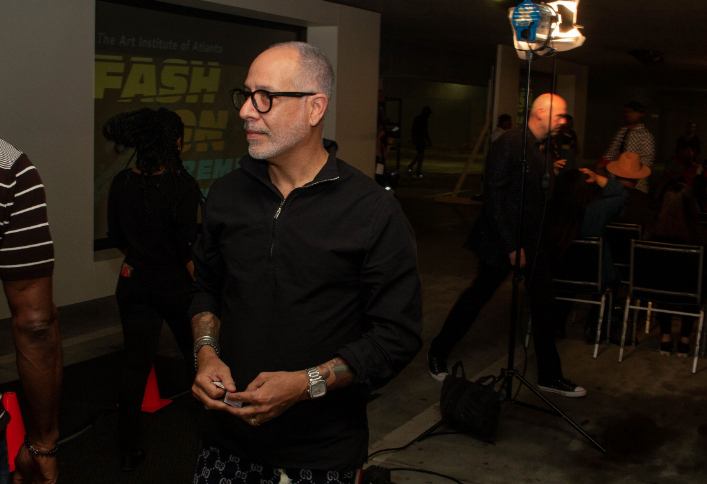
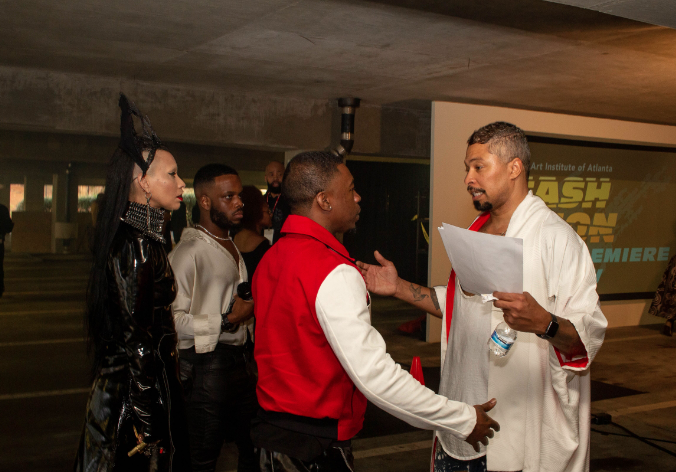
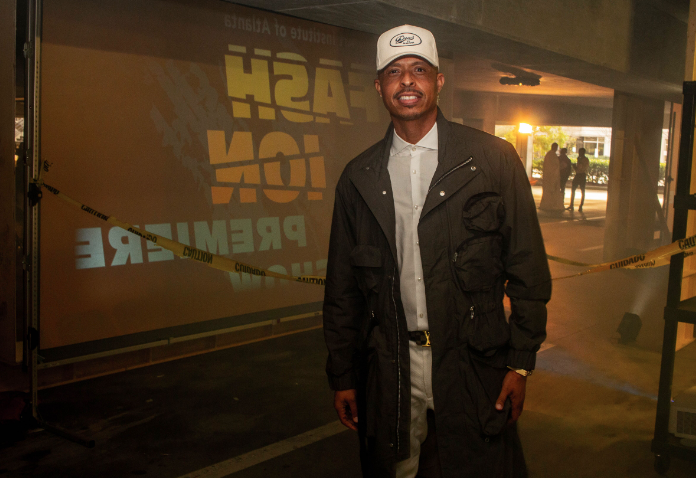
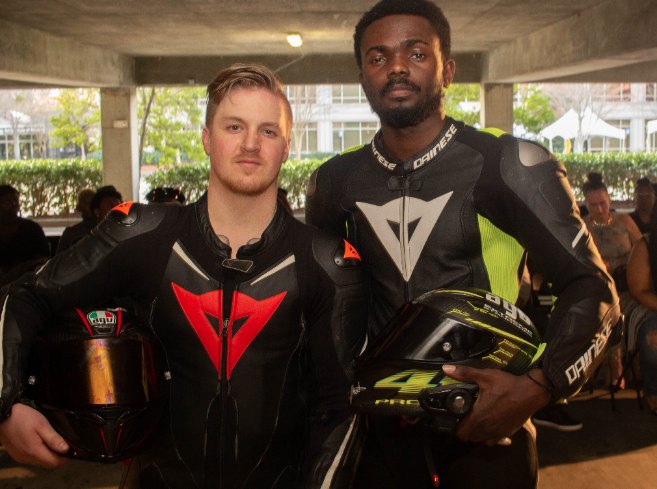
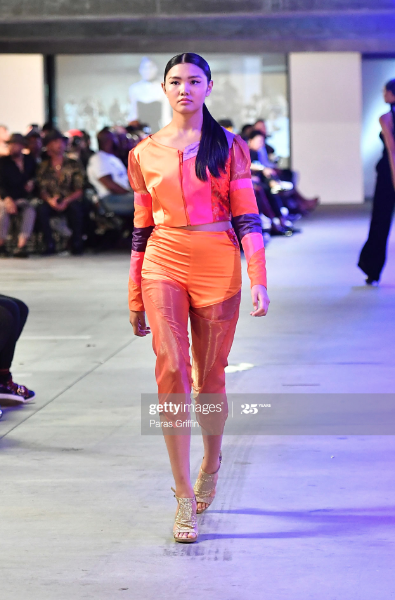
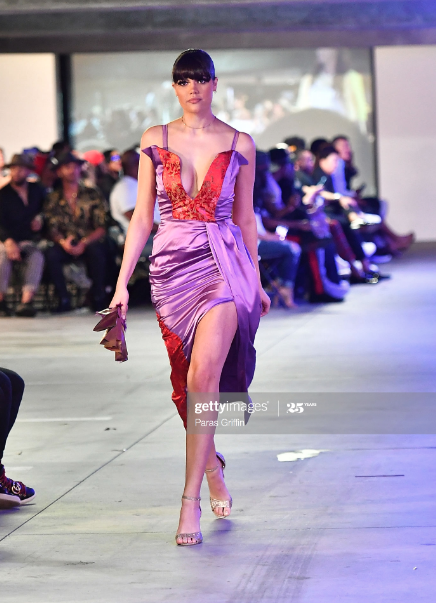
OCTAVIUS MARISON DEBUTS FW 20/21 COLLECTION WITH FASHION DESIGN STUDENTS AT THE ART INSTITUTE OF ATLANTA

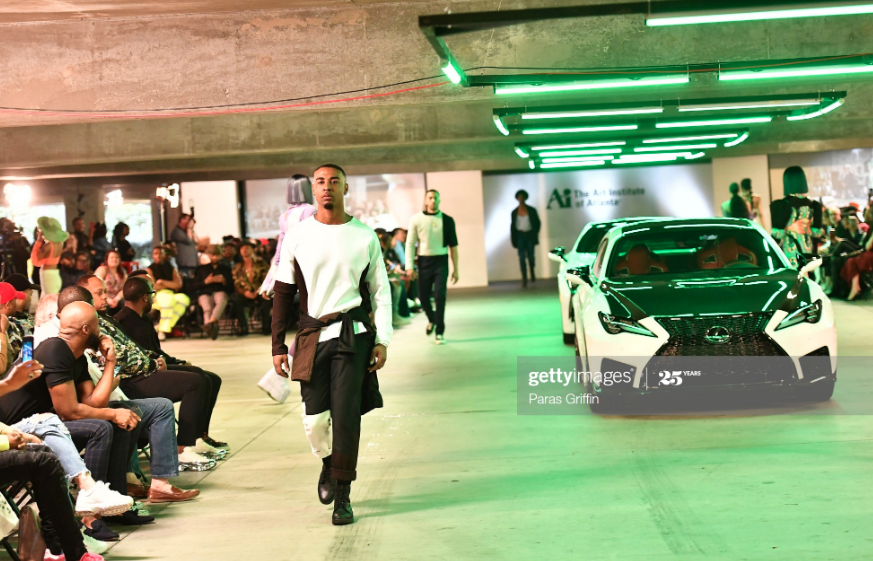
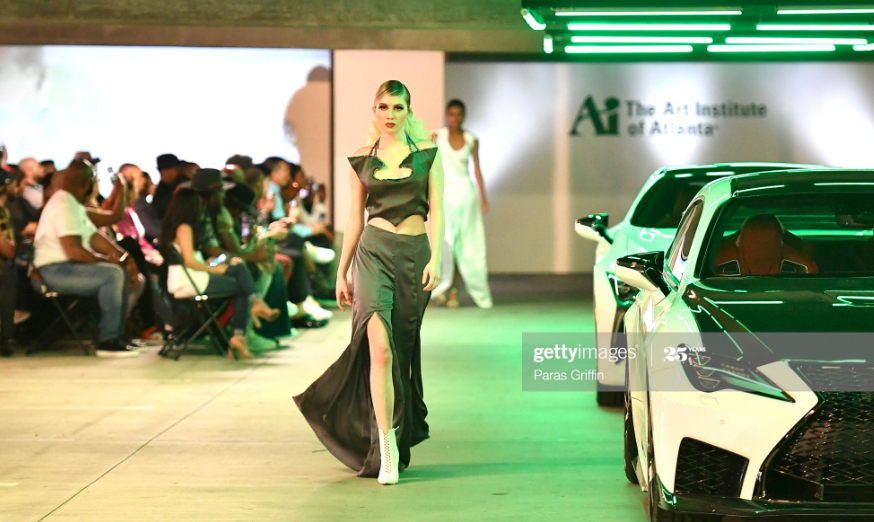
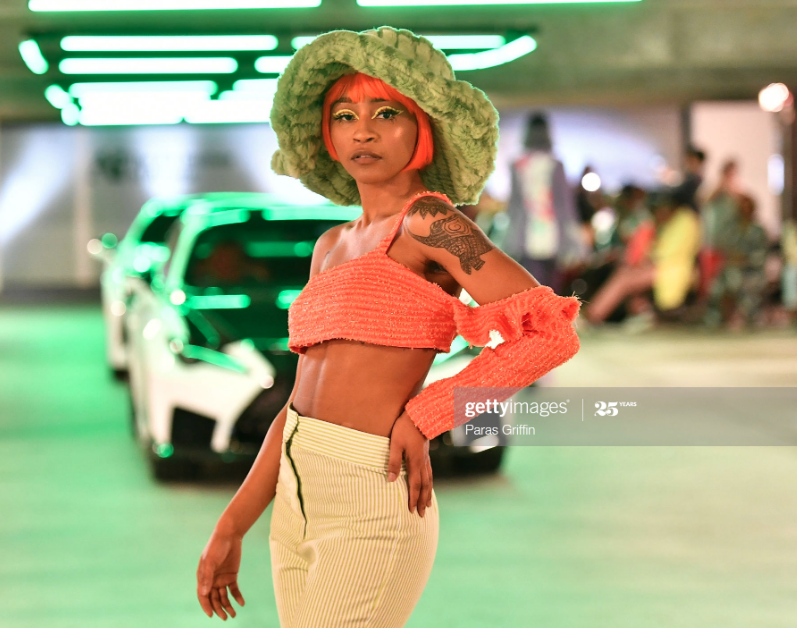
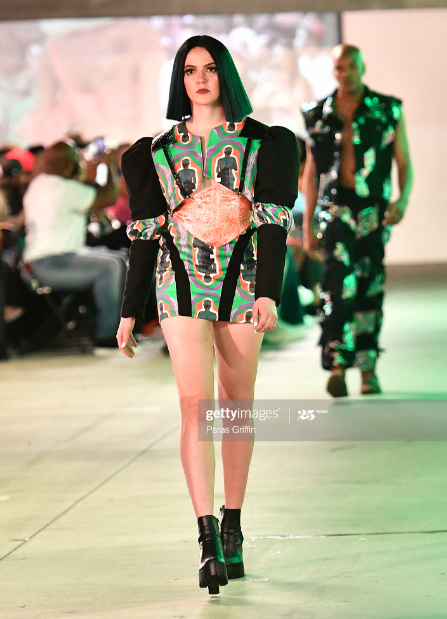
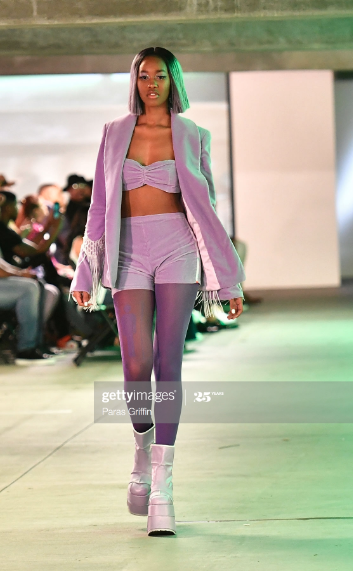
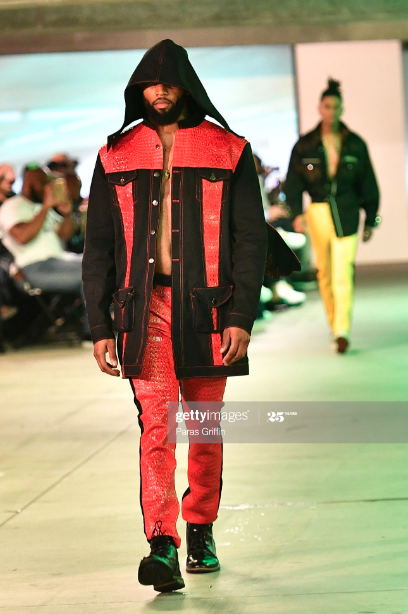
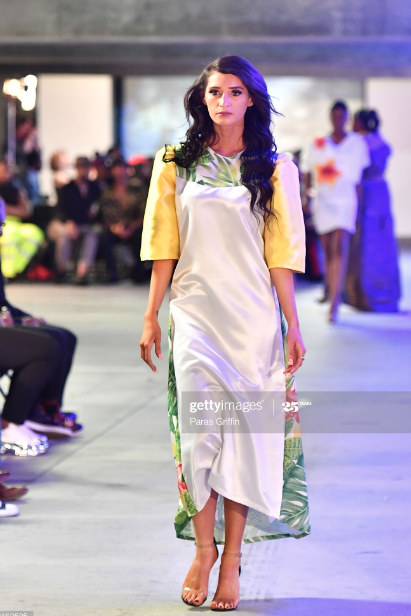
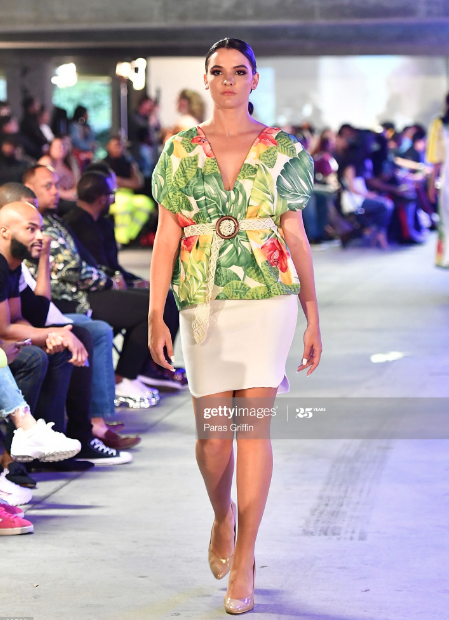
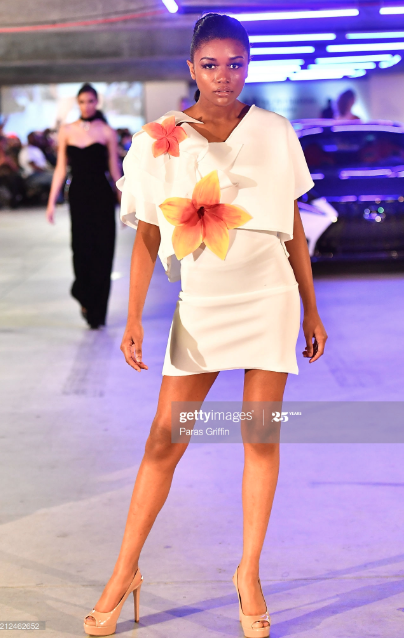
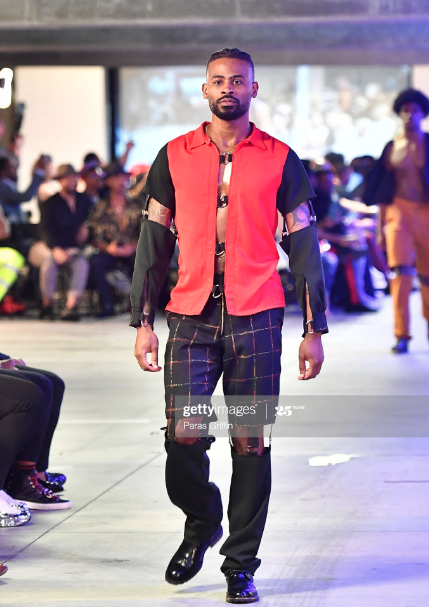
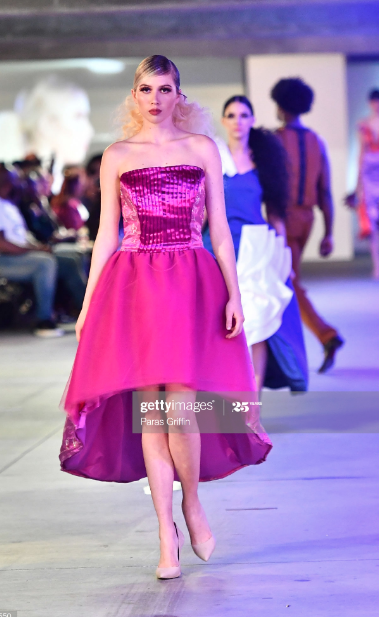
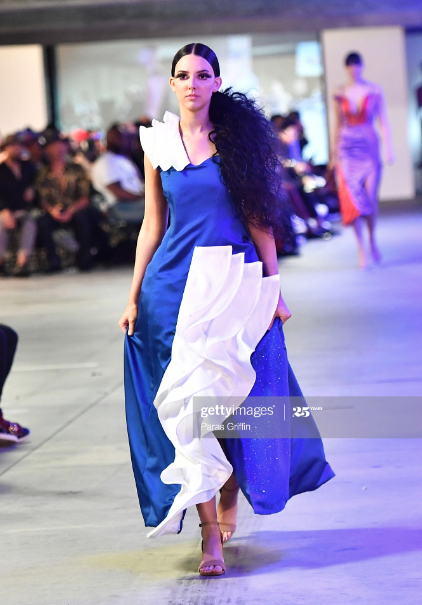
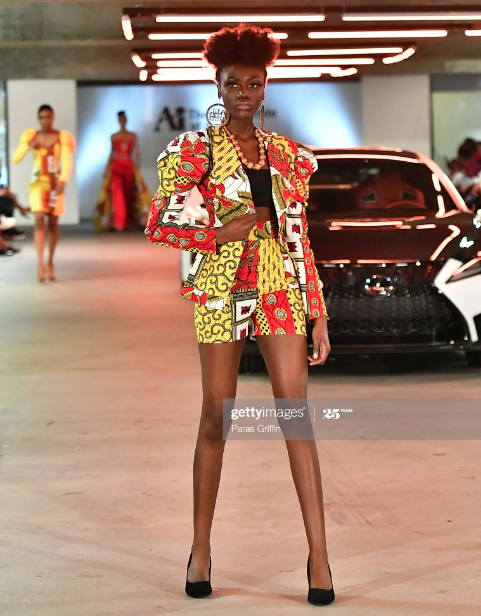
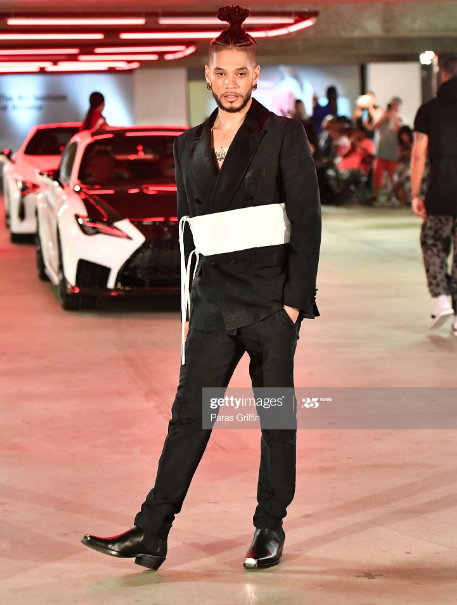
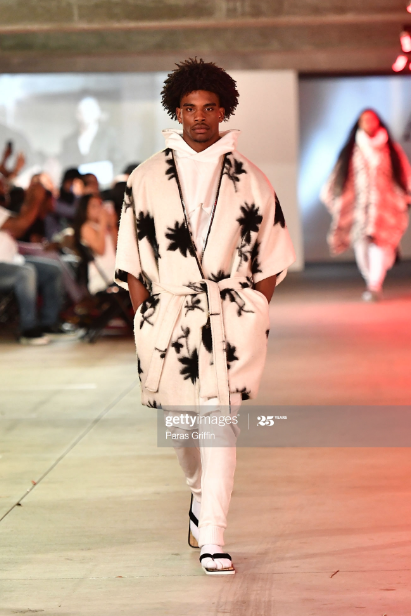
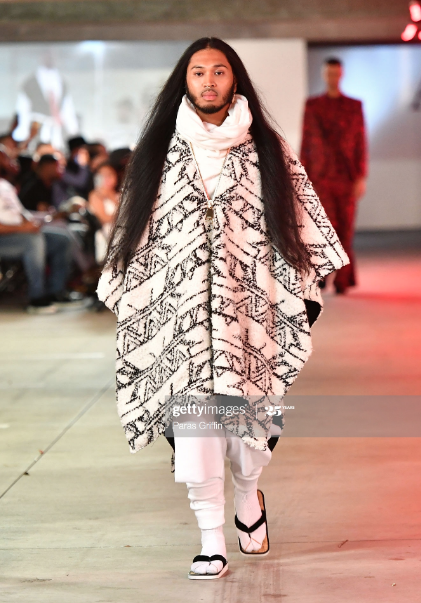
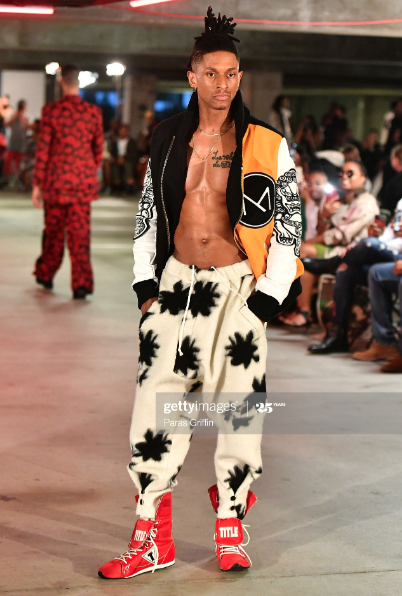
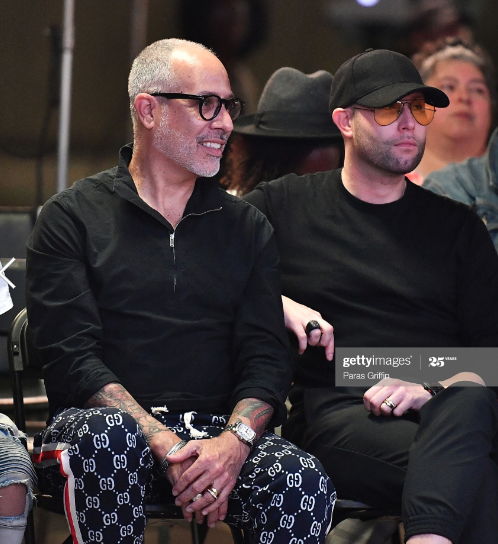
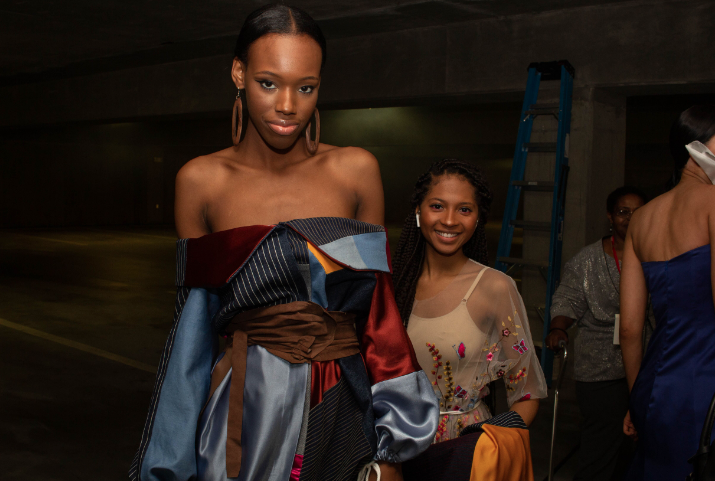
Photo Credits: Paras Griffin/GETTY and Art Institute of Atlanta’s Taylor Bareford; Phaedra Williamson

Photo Credits: Paras Griffin/GETTY and Art Institute of Atlanta’s Taylor Bareford; Phaedra Williamson

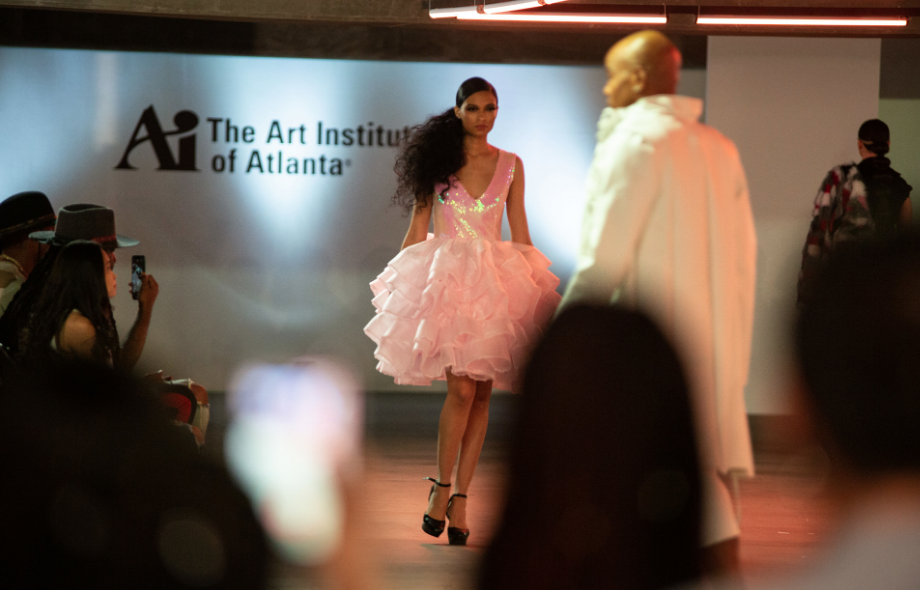
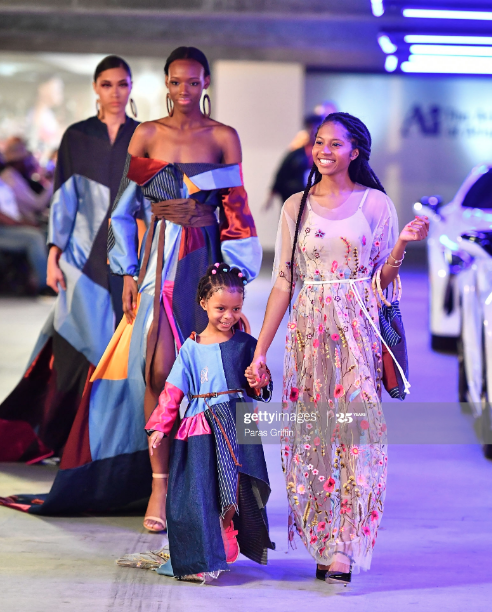
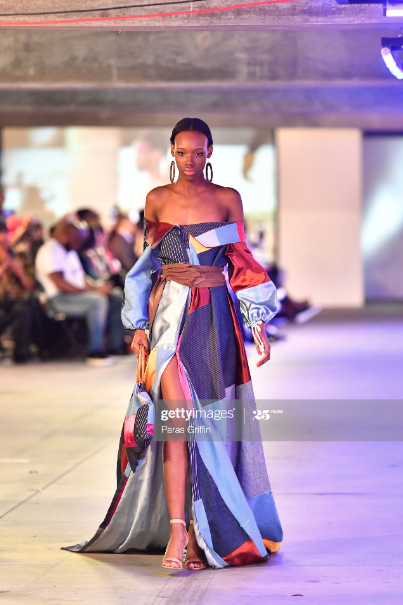
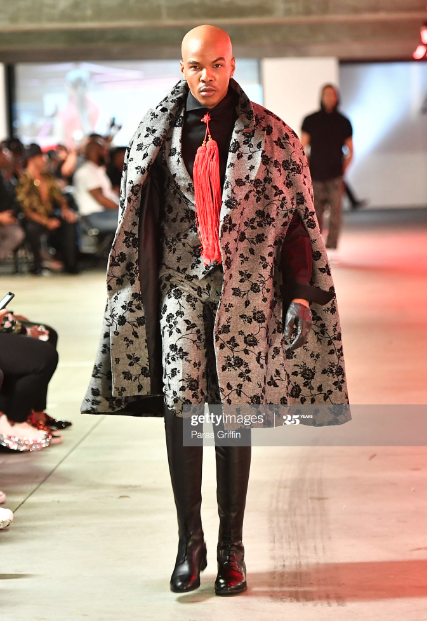
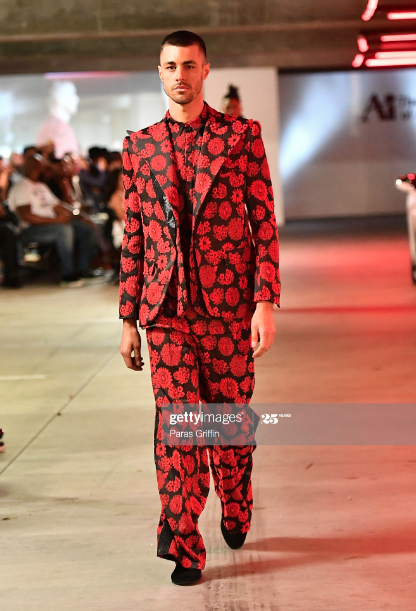
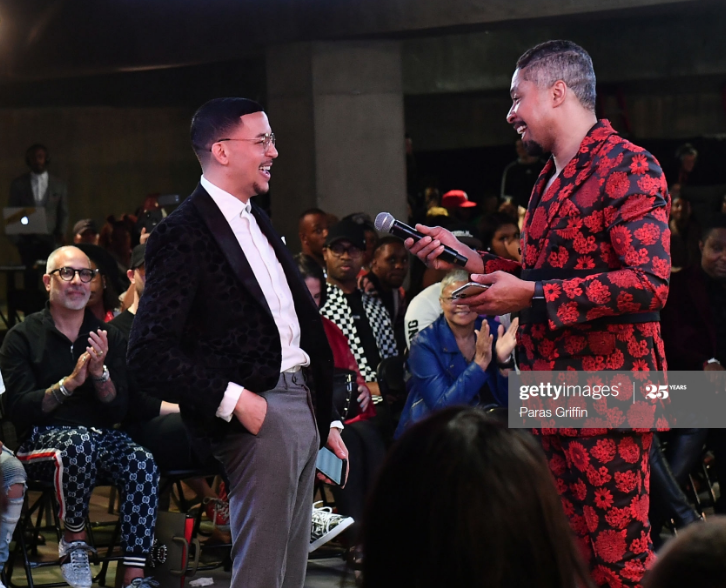
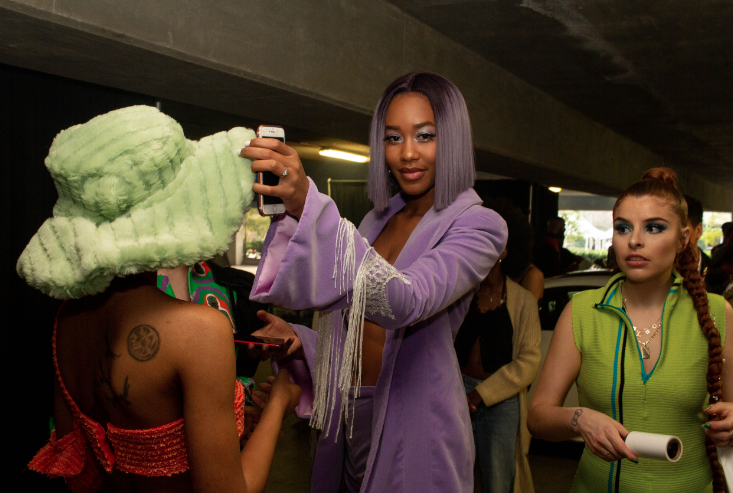
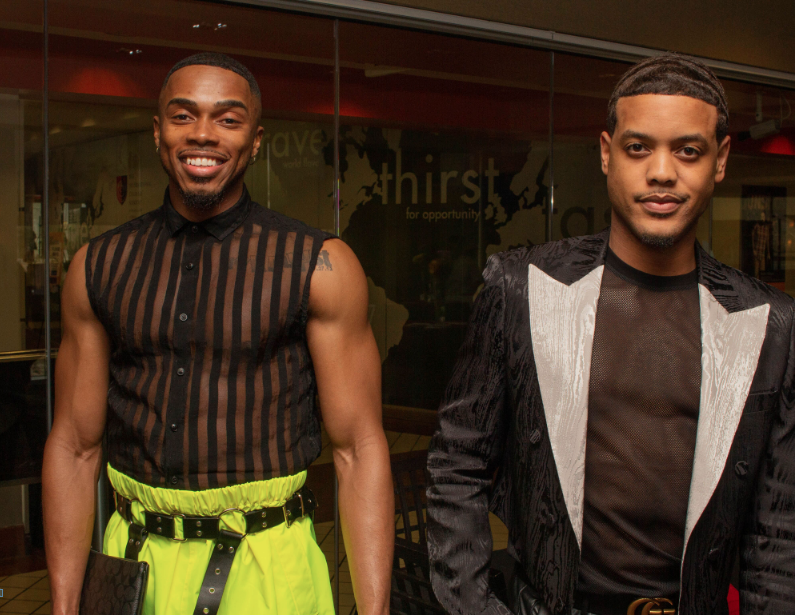
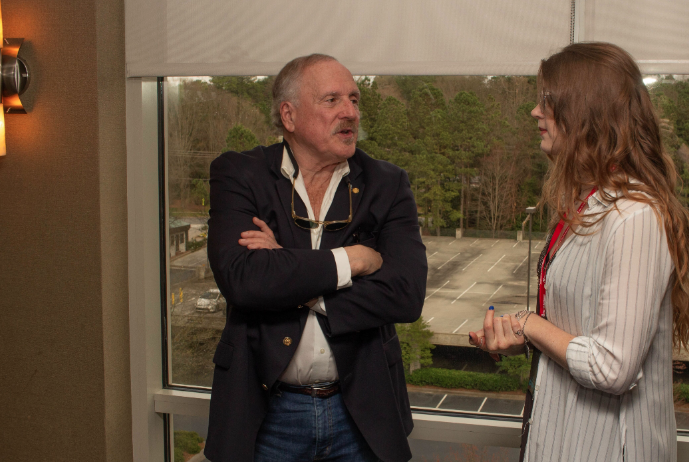
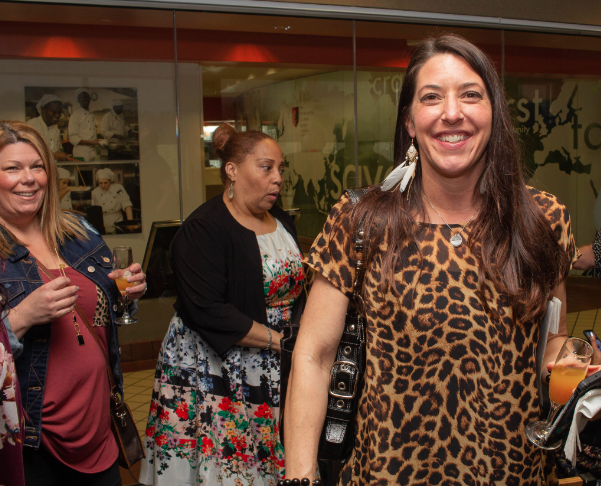
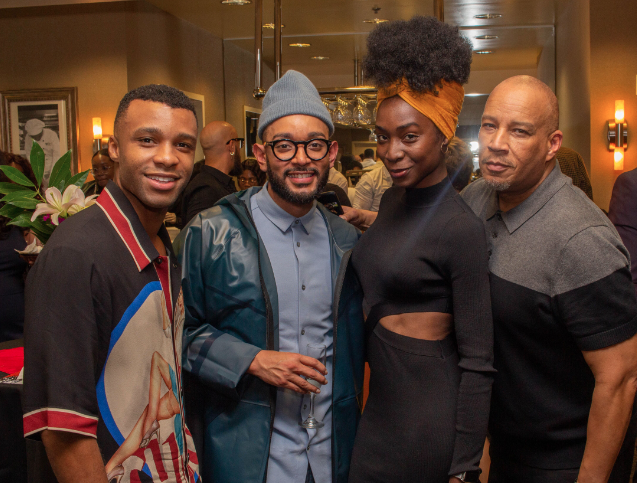
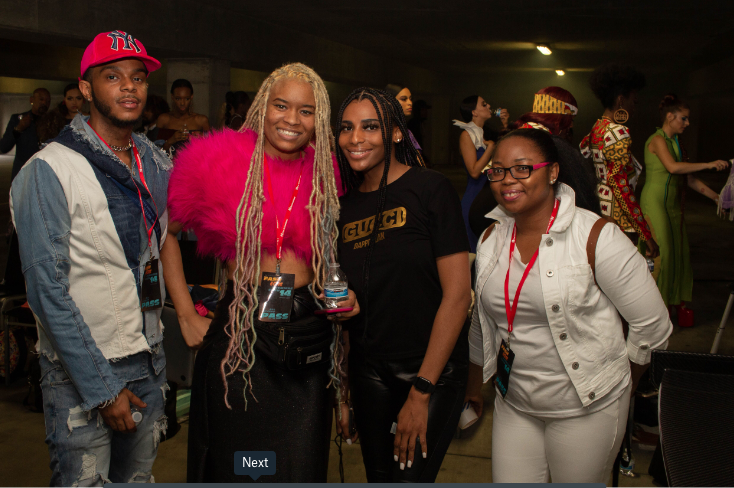
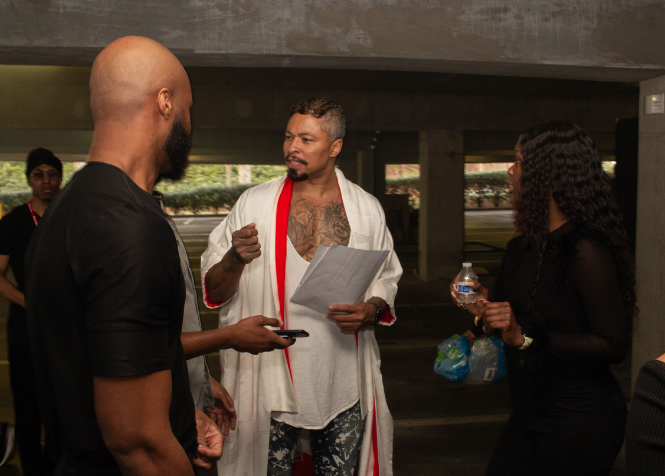
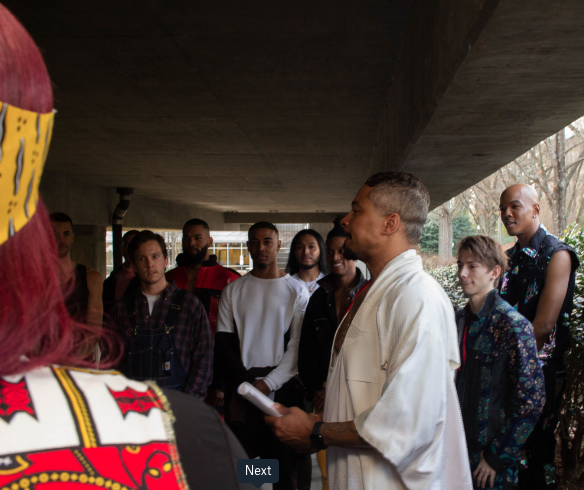
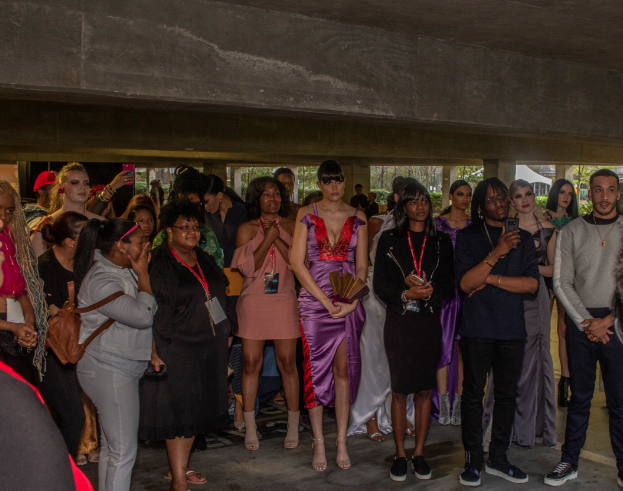
On March 14, 2020 the Art Institute of Atlanta made fashion history with their extraordinary, student-driven production which even made national headlines via E! News and Essence.com. The newsworthy event boasted a celeb-filled front row to include Eva Marcille, Angelica Ross, Dyllon Burnside, Terri J. Vaughn and Jamal Sims, who directed the show that provided the talented students of the Art Institute of Atlanta the experience of a real-world, first-class production. Students, faculty and administrators across all disciplines worked together in unison to produce the multi-media extravaganza: fashion design, photography, video & audio production, culinary arts, graphic design and interior design.

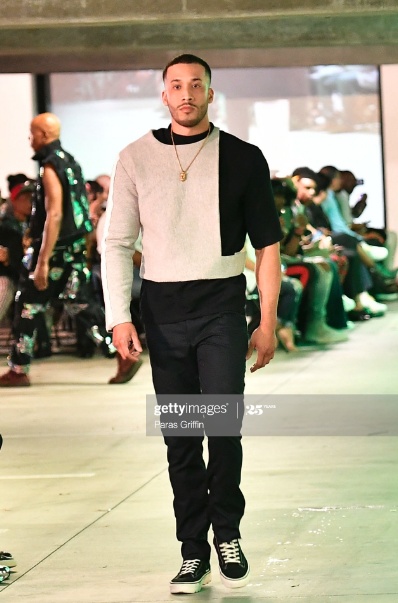
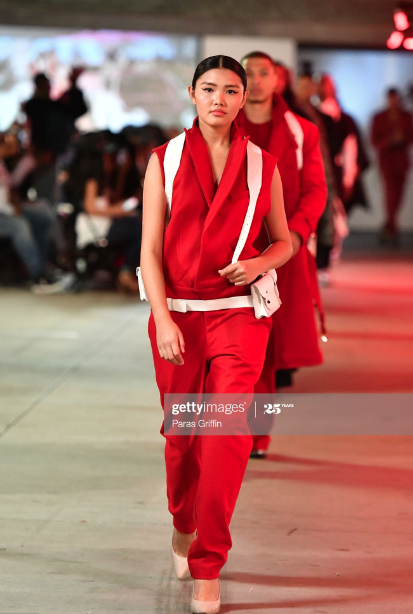
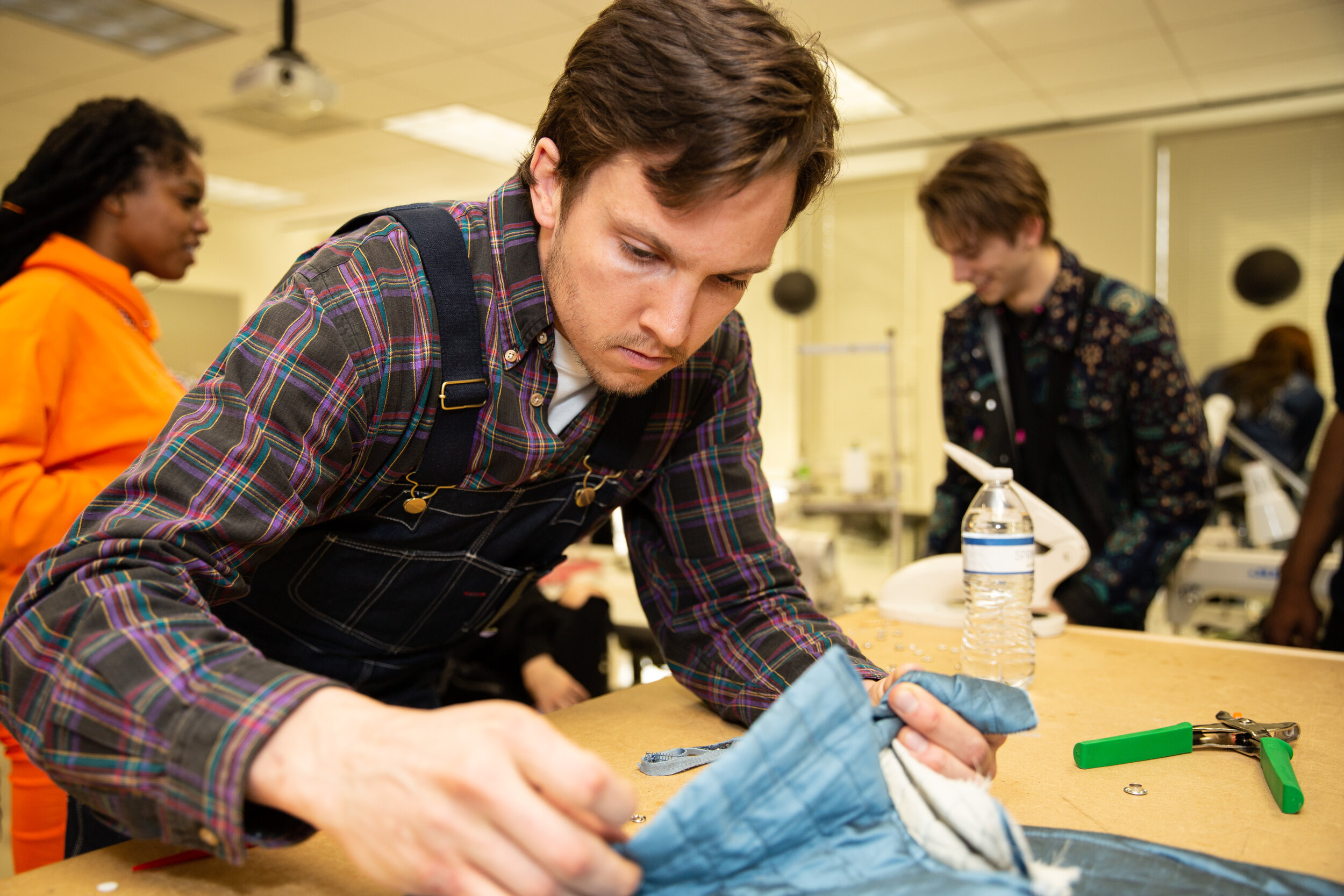
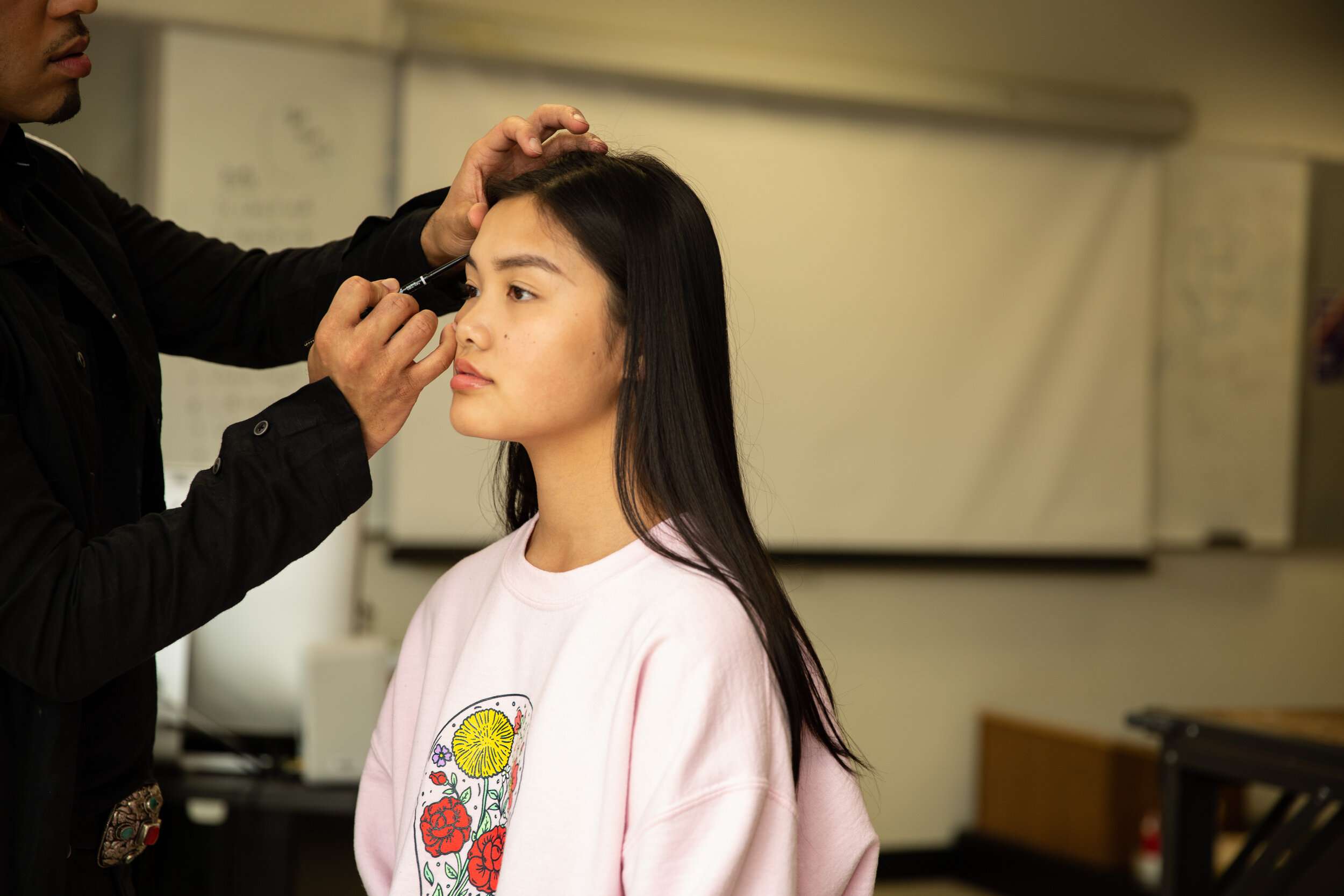
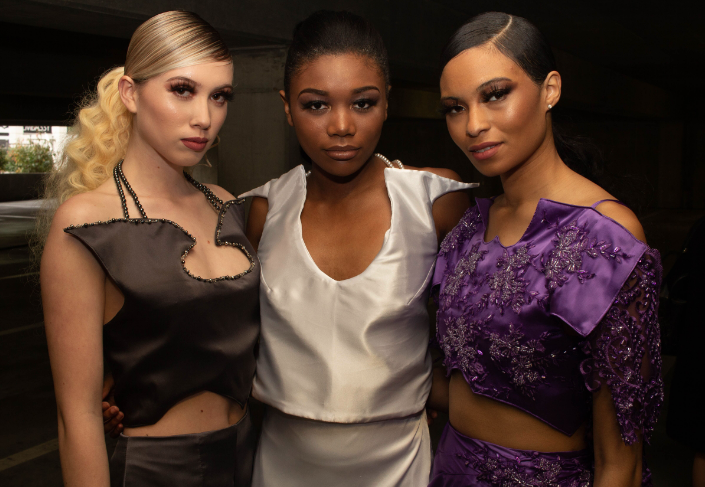
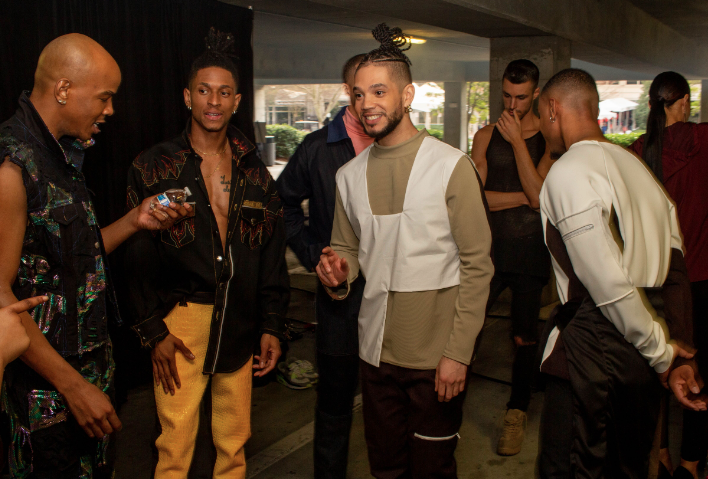
Sixteen fashion design students participated in the juried fashion premiere. They showcased capsule collections in menswear and ready-to-wear featuring a wide variety of genres, from eveningwear to gender-fluid fashion. It was evidently clear that the future of fashion is alive and thriving at the Art Institute of Atlanta. For added educational value and impact, the young designers were paired with professional fashion designers months before the runway show. The mentorship guided students to success while offering real-world working situations that included multiple fittings with professional models, critiques, garment mockups and working alongside industry professionals on all levels of production.

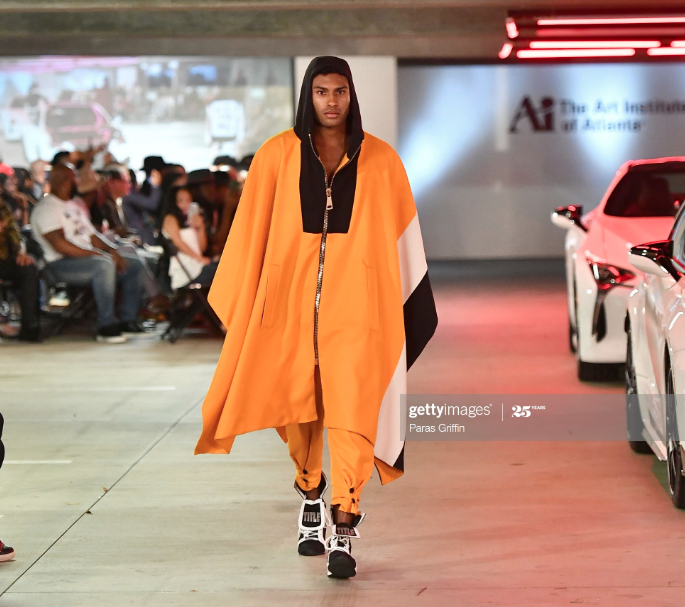
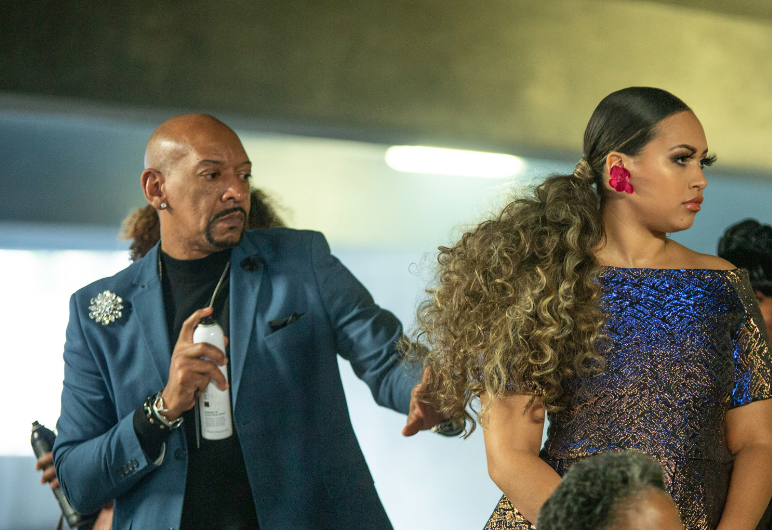
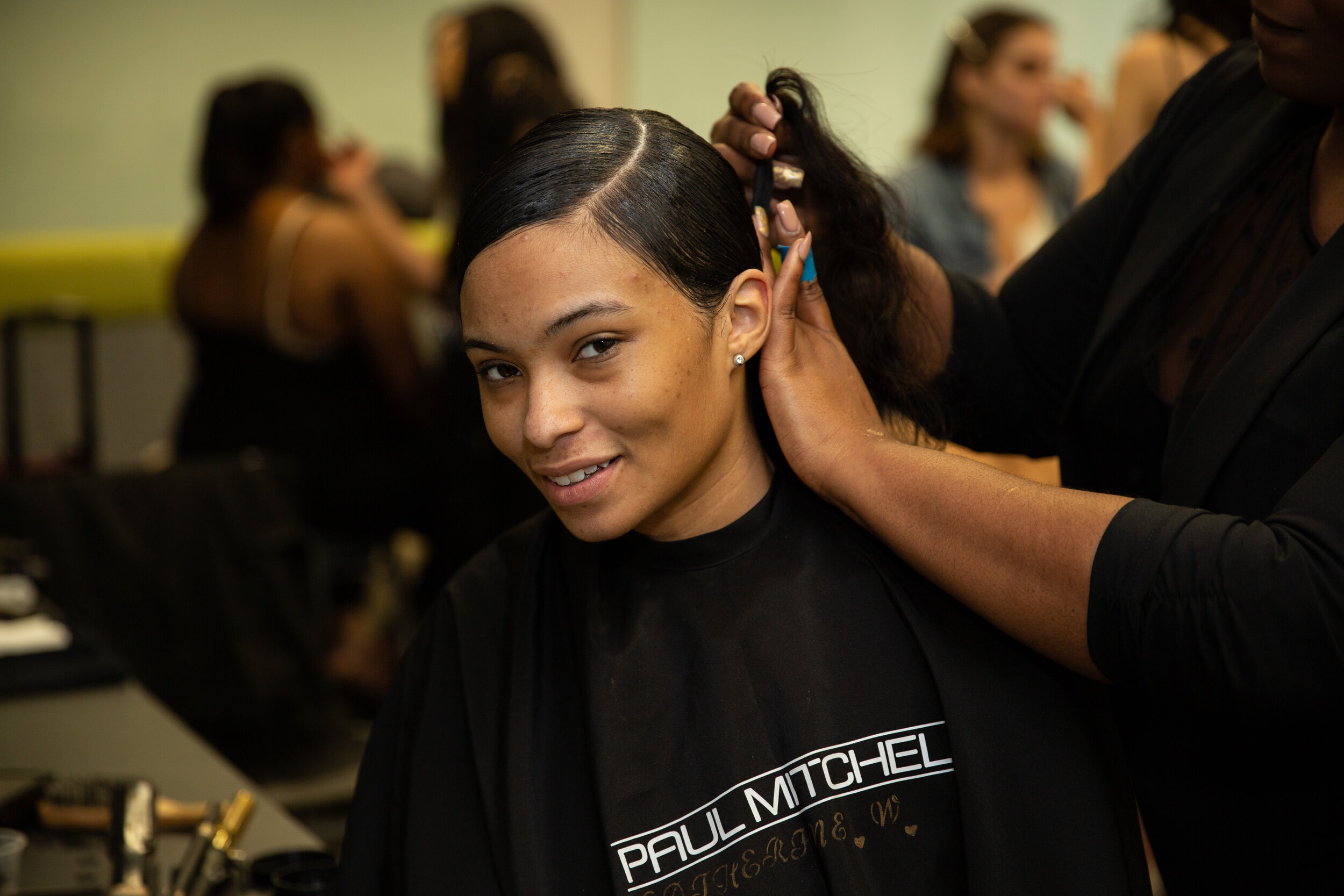
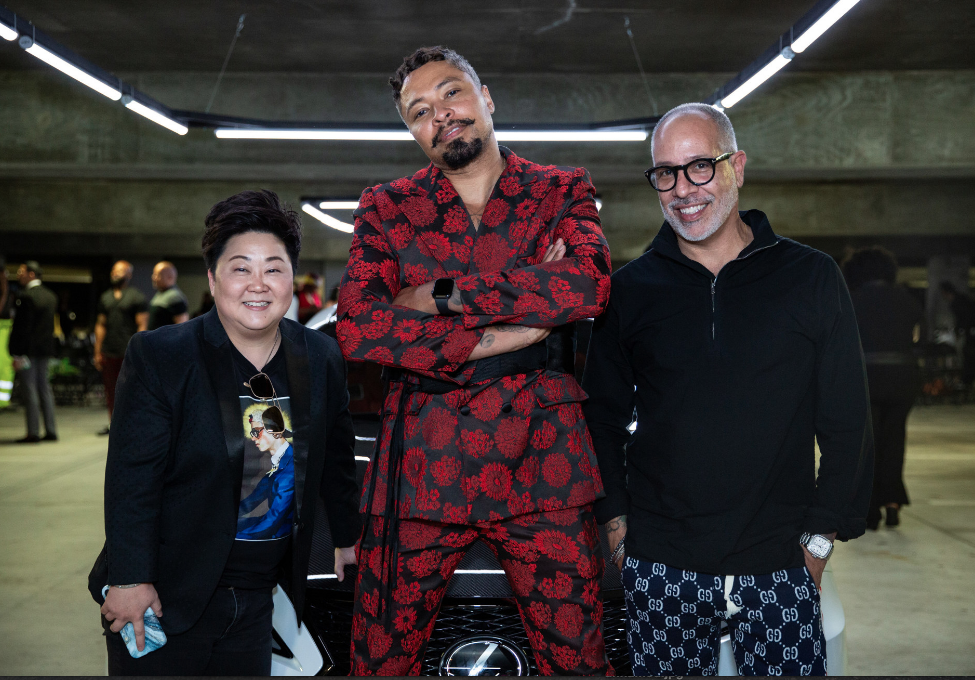
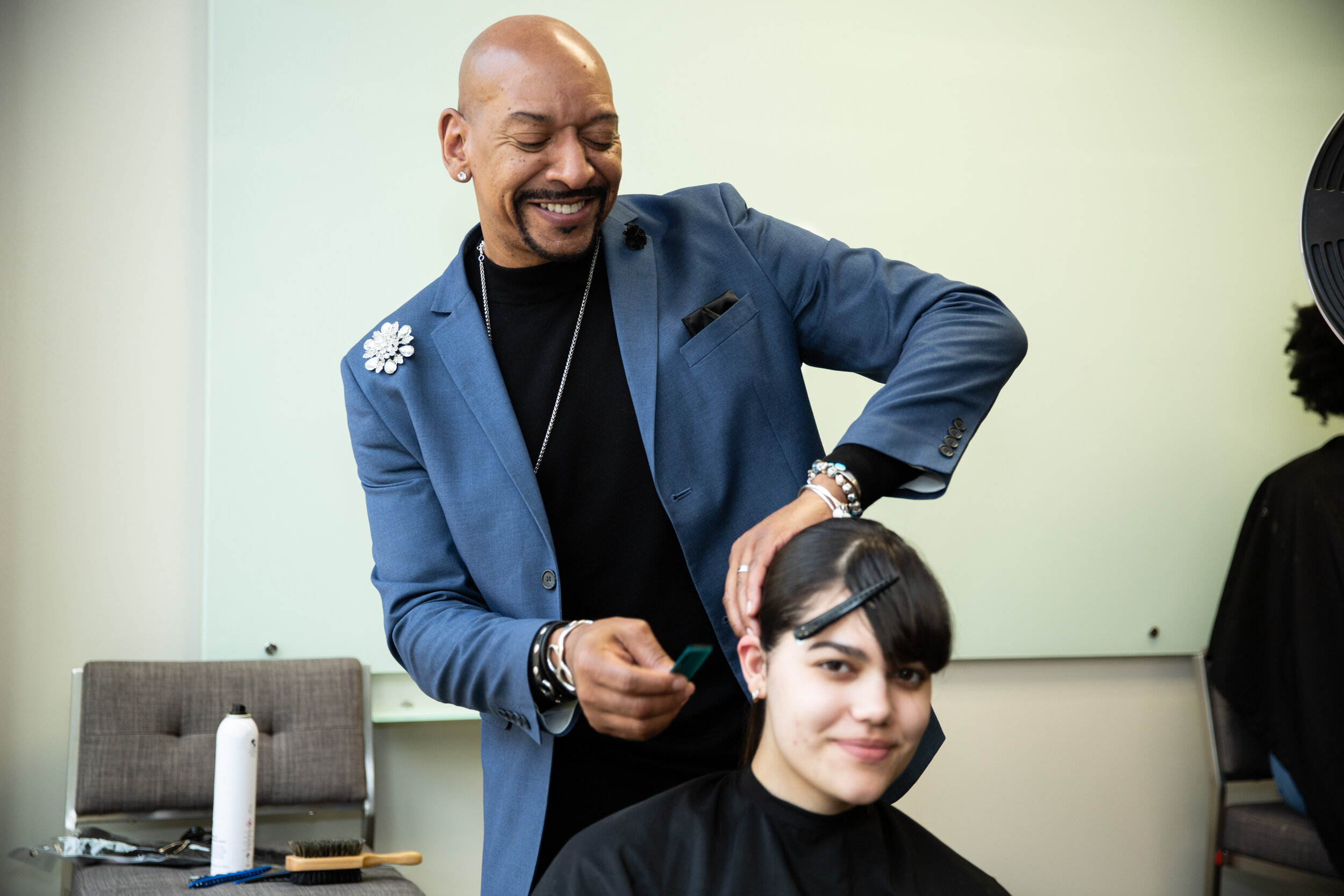
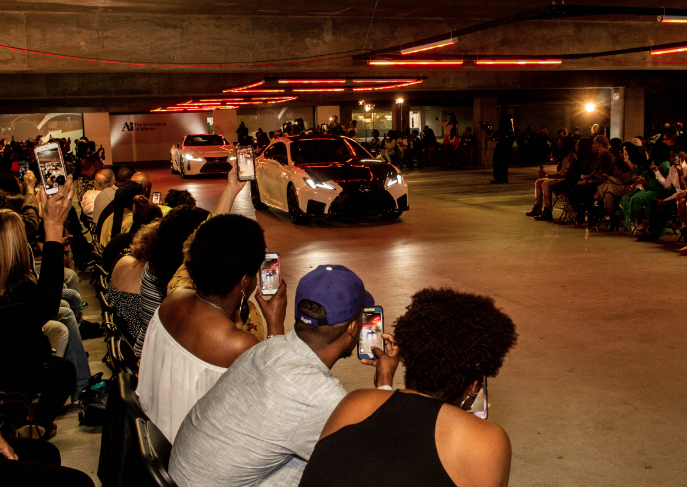
Visually, the fashion show was dynamic, from the set to the clothes to the choreography of the models. The set was designed and built by Carlton Lee Studios and featured two jumbo screens and a custom neon lit runway within the open air lower deck of the parking lot - think The Fast & The Furious, Tokyo Drift. To drive home the theme (no pun intended) Lexus sponsored the event with car placement - on the runway itself! The Lexus LC 500 and Lexus RCF Track Edition were positioned front and center becoming a focal point and anchoring the runway. Jamal Sims (Aladdin movie choreographer) directed the show to perfection. The culmination of movement, set design, hair and make up by Paul Mitchell Schools and of course, the fashion, made for a spectacular presentation.

Lastly but most certainly not least, Octavius Terry, the man behind the vision and the Art Institute of Atlanta’s Fashion Coordinator said this was a “dream come true.” Terry, who is a menswear designer, joined the Art Institute nearly two years ago and from the beginning talked about bringing together all departments for an all-inclusive, collaborative production that, under faculty guidance, would be 100% student driven and produced. His dream was realized and more.

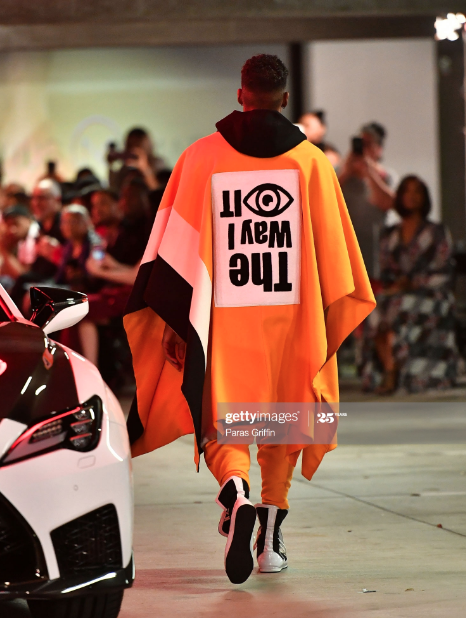
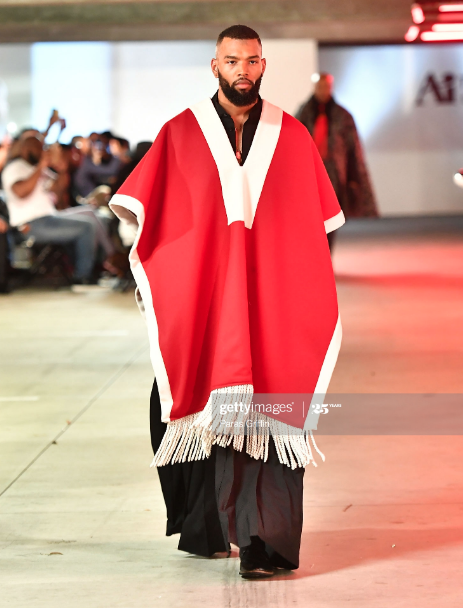
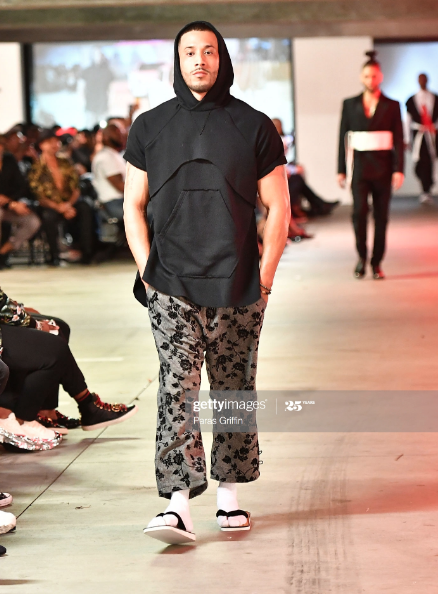
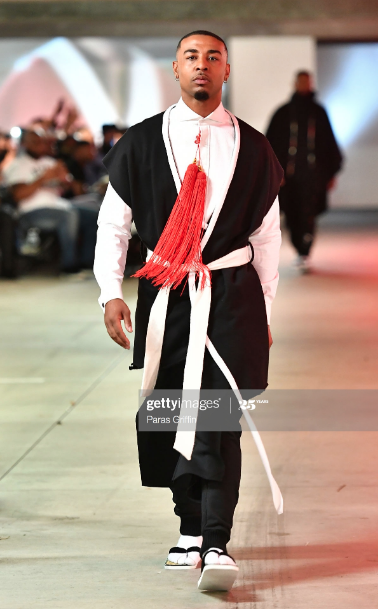
Octavius Terry debuted his FW 20/21 menswear collection titled “Octavius Marison.” The fourteen look collection offered an elevated interpretation of streetwear meets sartorial elegance. “The mix of modern living and antiquated living (near the Wall of China)” was an inspiration said Terry. “Kill Bill came to mind because it is all about the underdog rising and that’s what I felt about our school, faculty, students and also myself.” The collection was rich in color and pattern. It was edgy yet wearable. An obsession-worthy key element to the collection were the various ponchos with bold zipper hardware. A definite must-have.

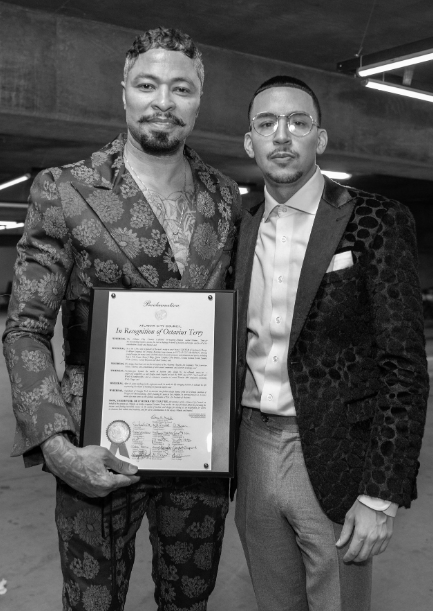
And just as we thought things couldn’t get bigger or better, the grand finale came with a Proclamation for Octavius Terry presented by Councilman Antonio Brown - an emotional highlight of the evening.

History was made at the Art Institute of Atlanta. On all levels.

FASHIONADO