
Rick Owens Is Going Fur-Free in 2026 — And It’s Not a Soft Move
/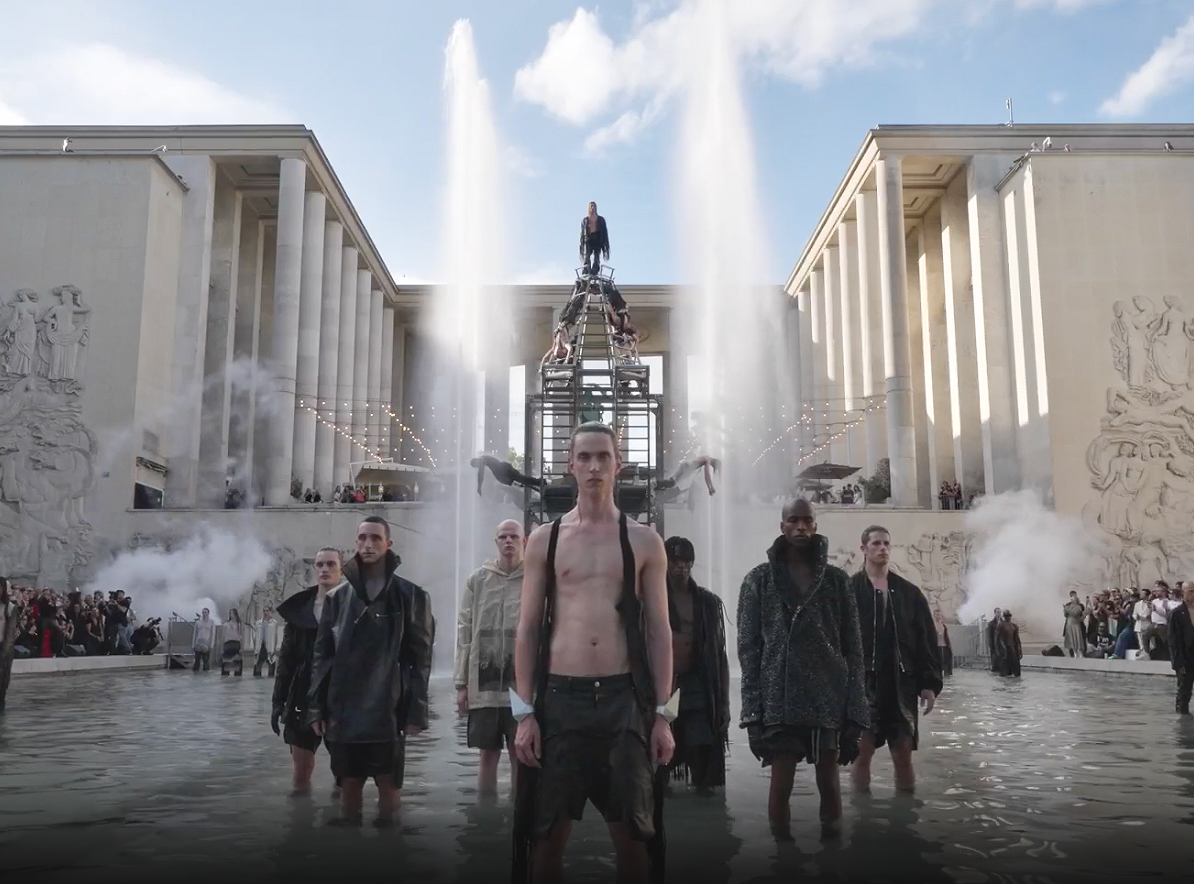
Rick Owens will eliminate animal fur beginning in 2026, signaling aesthetic evolution—not compromise—in avant-garde luxury fashion.
Read MoreFashionado is a fashion and lifestyle brand where readers indulge in a myriad of trending topics from the world of design, art and culinary. Via the FashionadoTV digital platform, Fashionado founder, E. Vincent Martinez, hosts interviews with celebrities, fashion designers, artists and industry professionals.
Rick Owens will eliminate animal fur beginning in 2026, signaling aesthetic evolution—not compromise—in avant-garde luxury fashion.
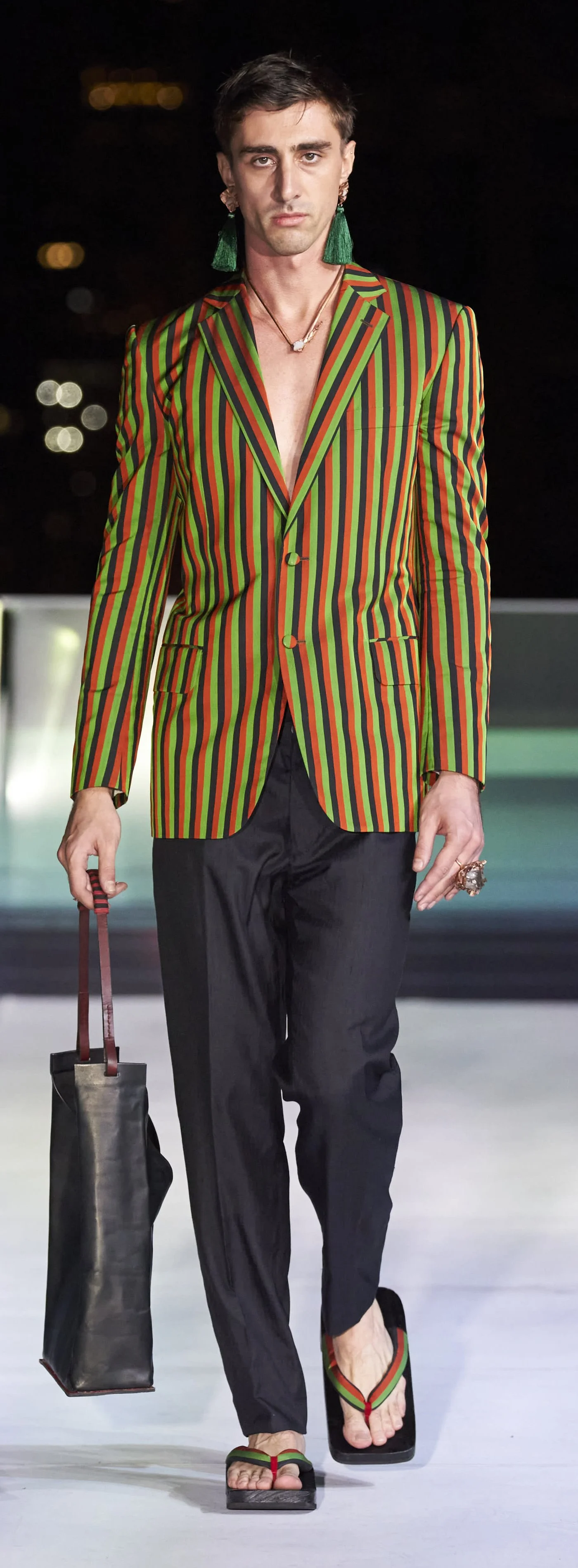
Read MoreNew York based fashion brand, HIROMI ASAI, has been trying to revive the essence of Japanese Kimono for modern luxury fashion. The designer, Hiromi Asai, first presented Kimonos on runway at the New York Fashion Week in 2016. Then, HIROMI ASAI develops men's wears made of Japanese Kimono textiles, which were presented at Pitti Uomo, New York Fashion Week, Miami Swim Week, and Paris Fashion Week every season since 2017. HIROMI ASAI has been getting international acclaim.
Read More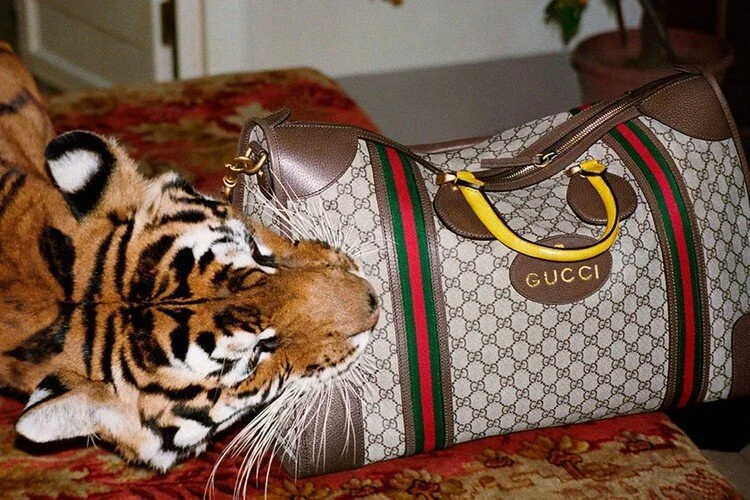
A new report from the Boston Consulting Group details that the luxury resale market is expected to grow at a faster rate than the primary luxury goods market. According to The Fashion Law who first reported on the study, luxury resale expects a 12 percent average growth rate through 2021, as well as a nine percent share of the personal luxury goods market. This level of growth would outshine the primary luxury goods market that’s expected to grow at an average rate of three percent.
The survey states that 50 percent of customers in the US that have purchased a luxury item within the past year have also participated in the luxury luxury market. It also notes that “secondhand sellers typically use resale to regain some of the money they spent on firsthand purchases—often so they can reinvest in new, full-priced luxury products.”
Analysts who worked on the survey conclude that this is actually “a powerful opportunity” luxury brand consumer bases because they have the chance to convert resale consumers to the primary resale market. Boston Consulting Group’s study found that 44 percent of consumers surveyed said they purchase “more-expensive luxury items than they would have bought without a resale market.”
Along the same lines, Bloomberg’s Sarah Halzack and Andrea Felsted also argue that higher access to reselling platforms could actually encourage younger consumers to take the plunge and purchase primary luxury goods instead of resale. “Say you’re considering a classic Balenciaga City bag for about $2,000 USD. Is it worth the investment? A scroll around The RealReal shows that you might be able to resell it for about $600.” They note that this could be “exactly the kind of assurance a first-time millennial or Generation Z luxury buyer needs to take the plunge on a pricey accessory.”
FASHIONADO
SOURCE THE FASHION LAW
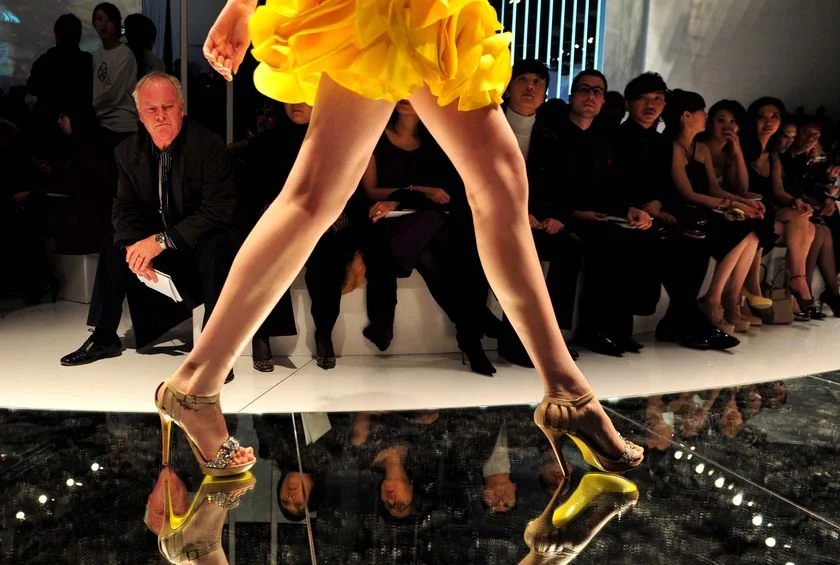
The luxury market is changing because consumers are changing. The rise of environmentalism, sustainability, and digital activism mean that luxury brands can no longer take a step back and cater to what feels and looks good. They now are expected to be the world leaders when it comes to their industry. The fashion industry, in particular, has faced massive backlash over its wasteful processes. After all, when thousands have died in the process, rivers run with chemical dyes, and massive lakes dry up from cotton production, it’s no wonder that the consumer is up in arms.
They want fashion; they also want to feel like they’re leaving the world in a better place. Though the middle market is still having difficulties (budget consumers would rather prices didn’t go up) that doesn’t hold true for the luxury market. Today luxury means great quality and design, but it also means being socially and environmentally conscious.
The Rise of Environmentalism
Perhaps it started with Blue Planet, or with the concept of minimalism, or perhaps it has been building for years and only in the last few has taken worldwide attention. Plastic is demonized, luxury fashion brands have faced massive backlash over their burning policies, and the true cost of fashion has been driven home.
Fast fashion brands are putting out more sustainable collections. Clothes recycling has become more common, and the second-hand market is set to out-value the luxury market in a few short years. Luxury brands cannot afford to ignore this, not when top trending styles are often just rehashes of the past.
A jacket on the catwalk could easily be replicated by buying a retro coat online at JACK1T. A key look can be replicated by buying vintage items and tailoring them. Fashion has come full circle, so luxury brands need to offer something new.
The Rise of Diverse Beauty Representation
For luxury brands to succeed in the future, they must cater to greater representation. This means using a diverse cast of models in their campaigns, but it also means crediting and caring about the communities whose designs they have adapted or whose hands created their clothes. Dior came under fire recently for appropriating a traditional style of dress. By giving back to communities and tracing heritage where it belongs, luxury brands can give their customers more value and meaning, while also lifting up these traditional communities.
The Rise of Mobile Activism
Digital activism cannot be ignored, especially when it is how big stories spread. That is why luxury brands must be socially conscious and care about the people along their supply chain, from inspiration to production, to marketing.
What this Means for the Luxury Industry
This means that the luxury market is now expected to:
Do more for the planet
Ideally commit to a circular business model
Aim to clean emissions and output from production
Use less water
Support local communities
Use innovative materials that do not harm the planet or animals
Represent real people, not one beauty standard
Use innovation to offer personalized products
The luxury world cannot afford to slip up here, because emerging luxury fashion brands will take their place and second-hand fashion is already set to overtake them in sales.
FASHIONADO
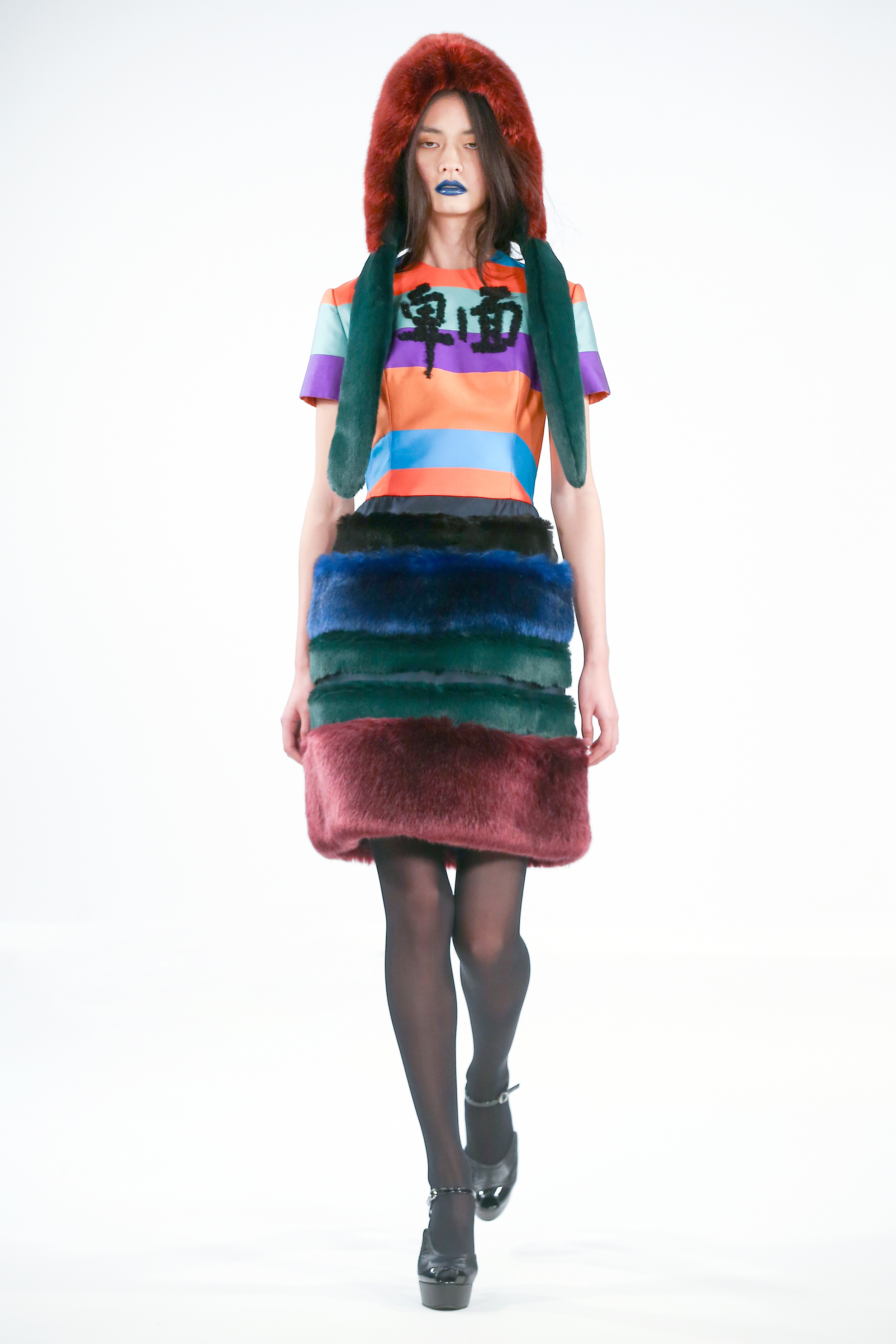
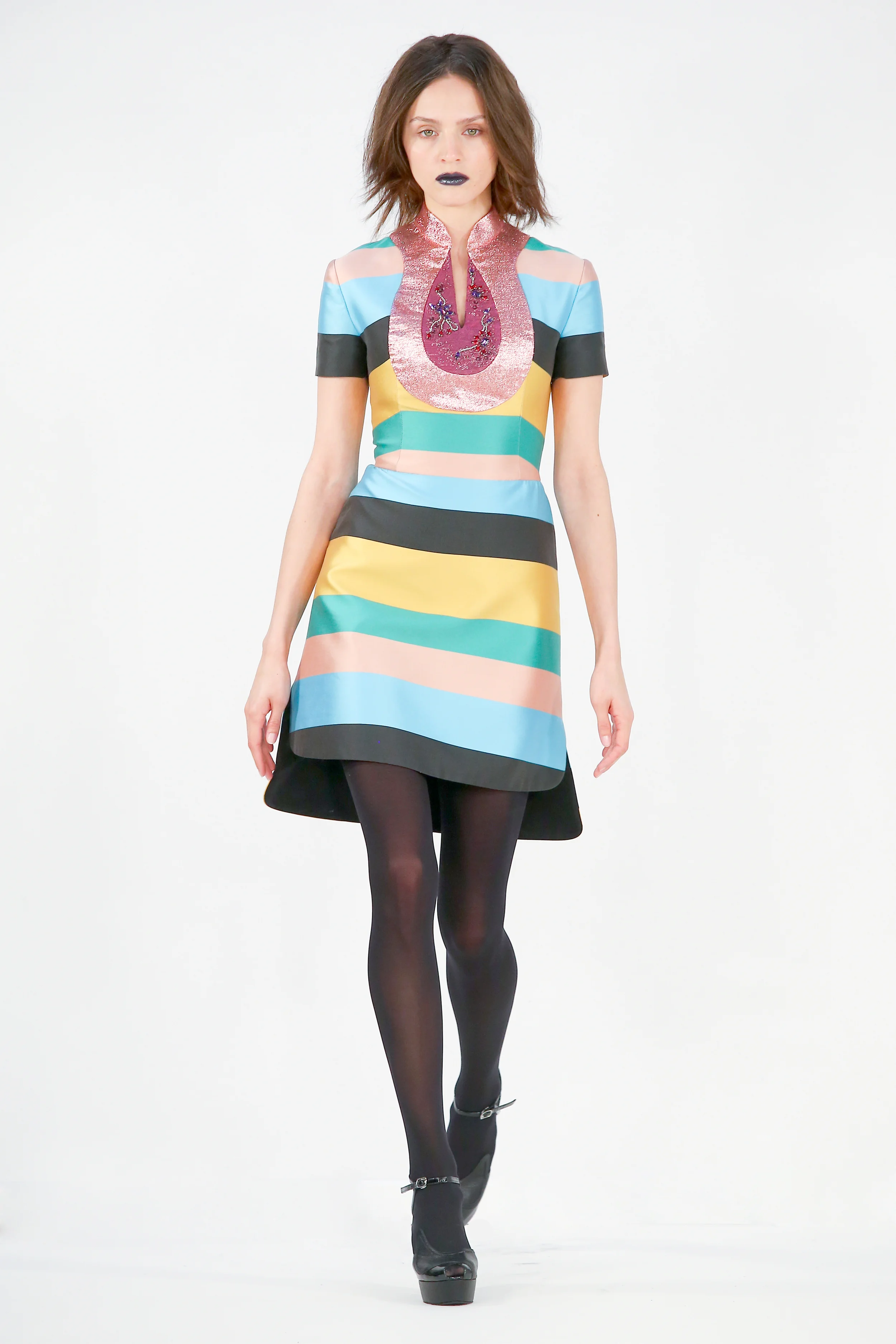
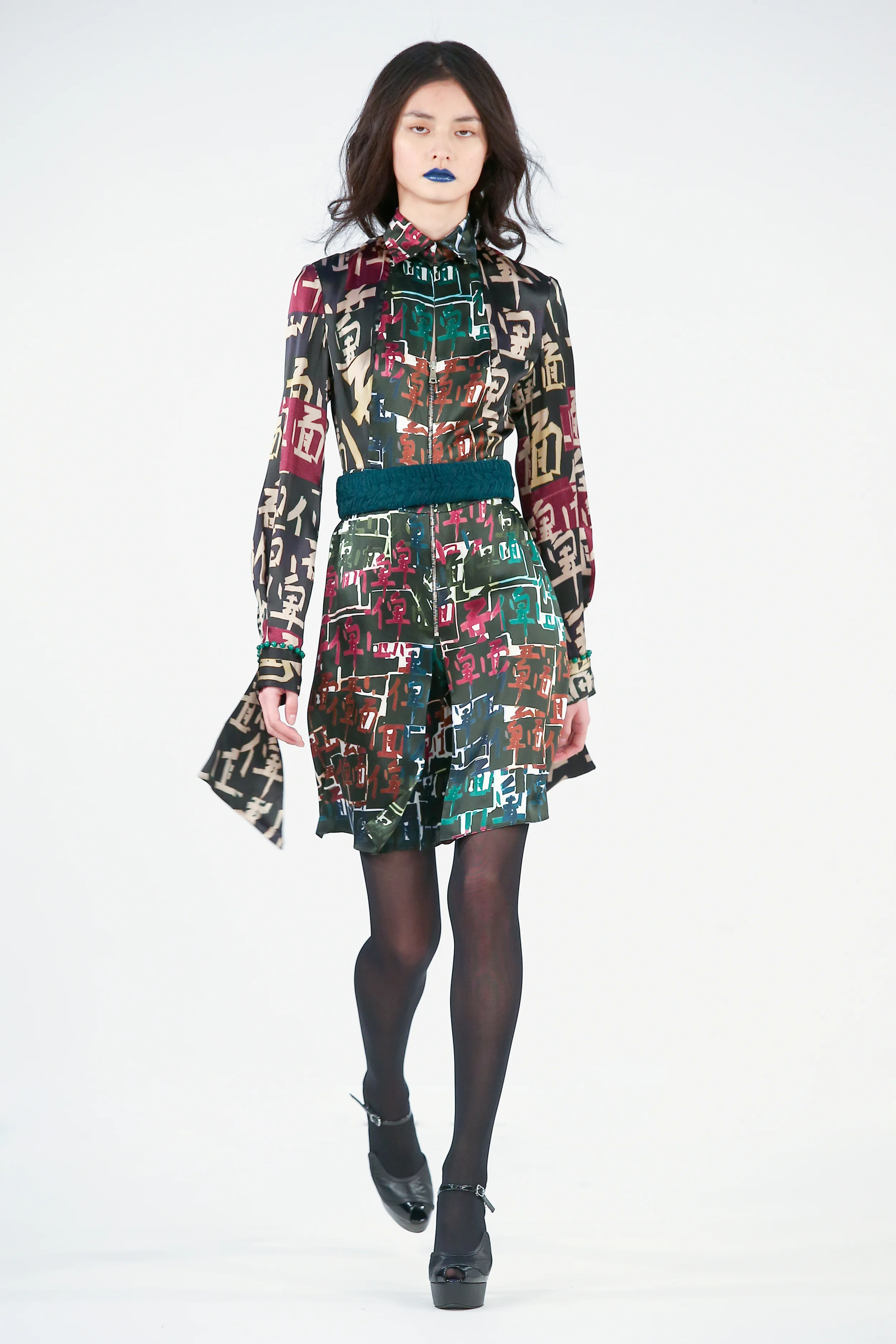
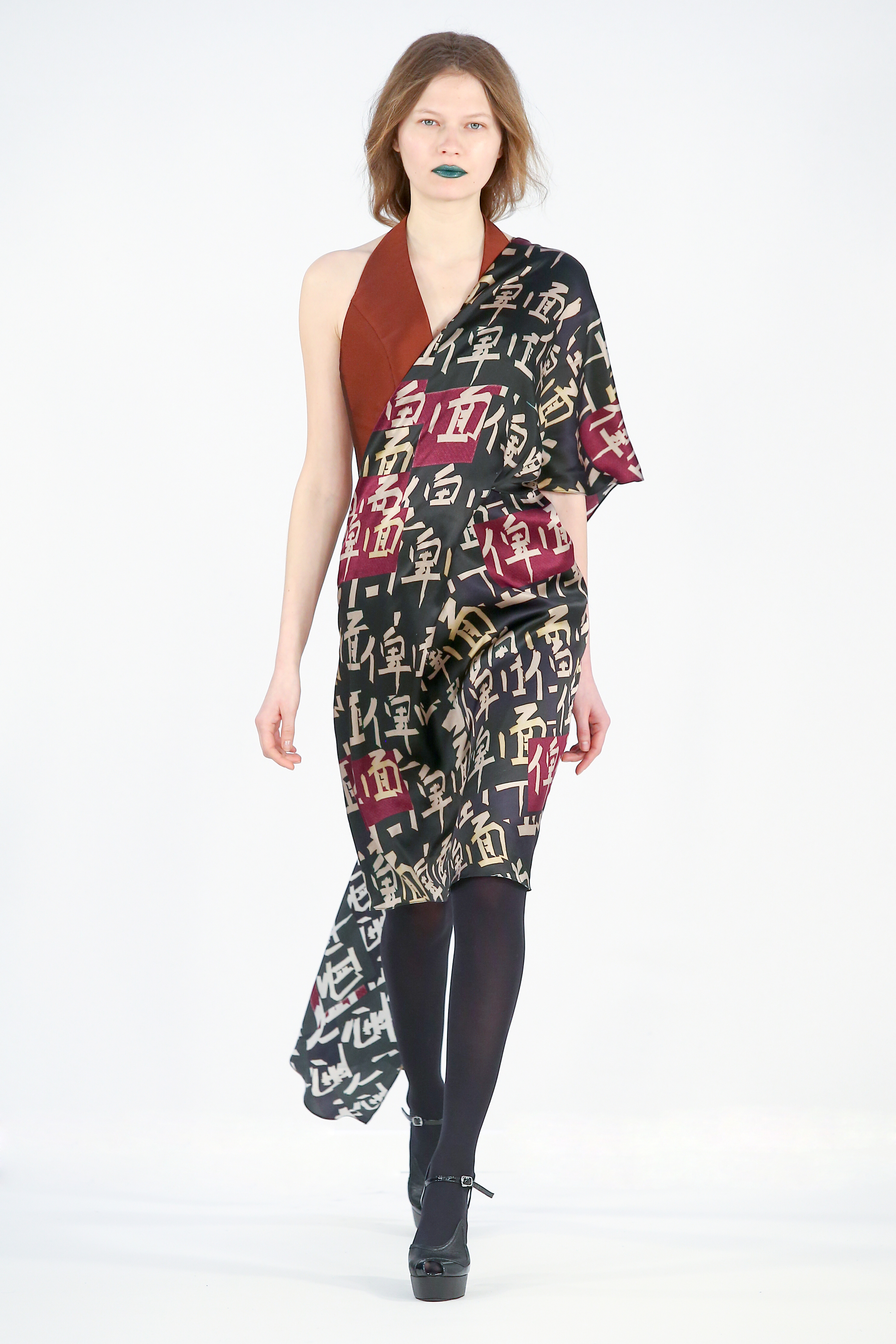
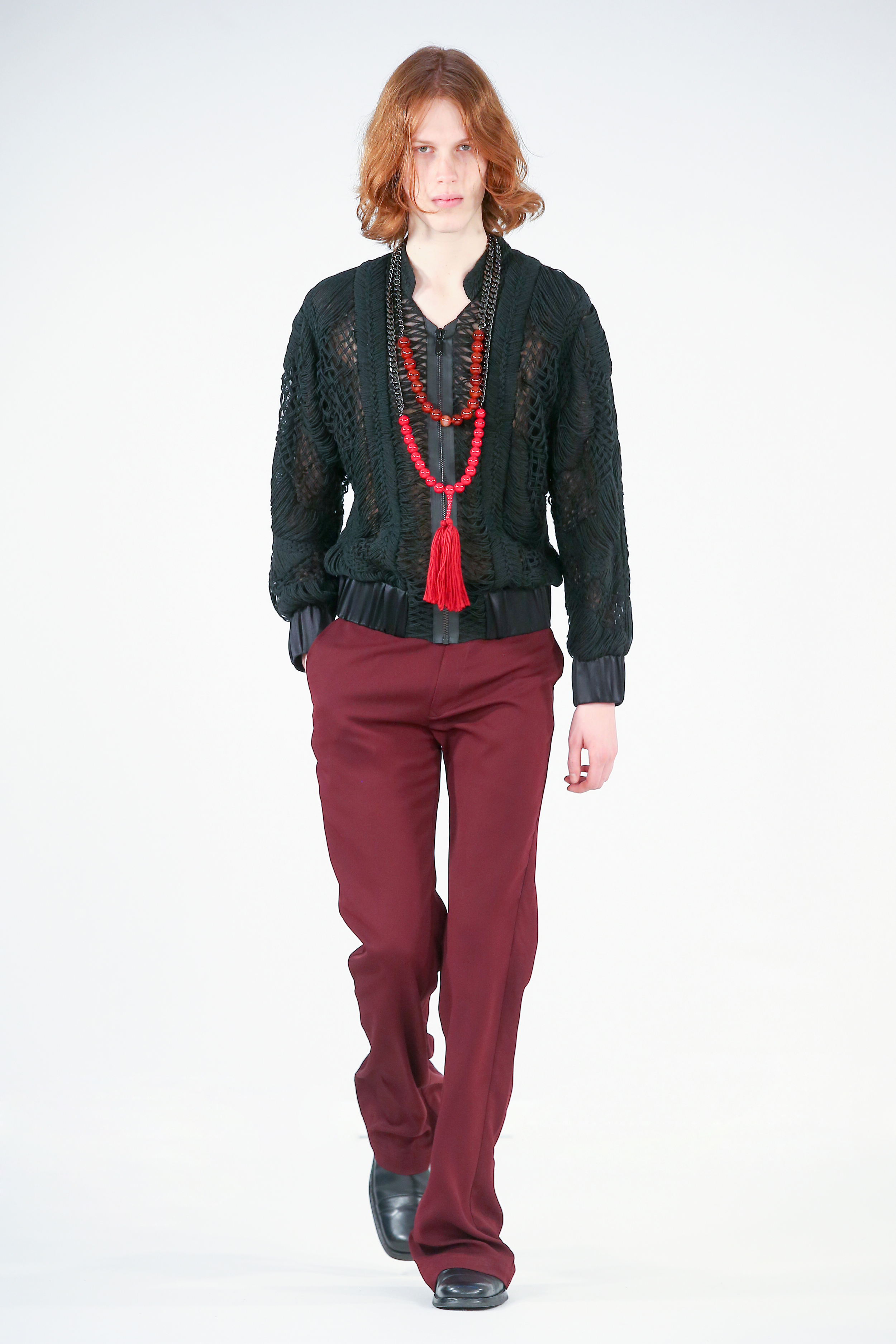
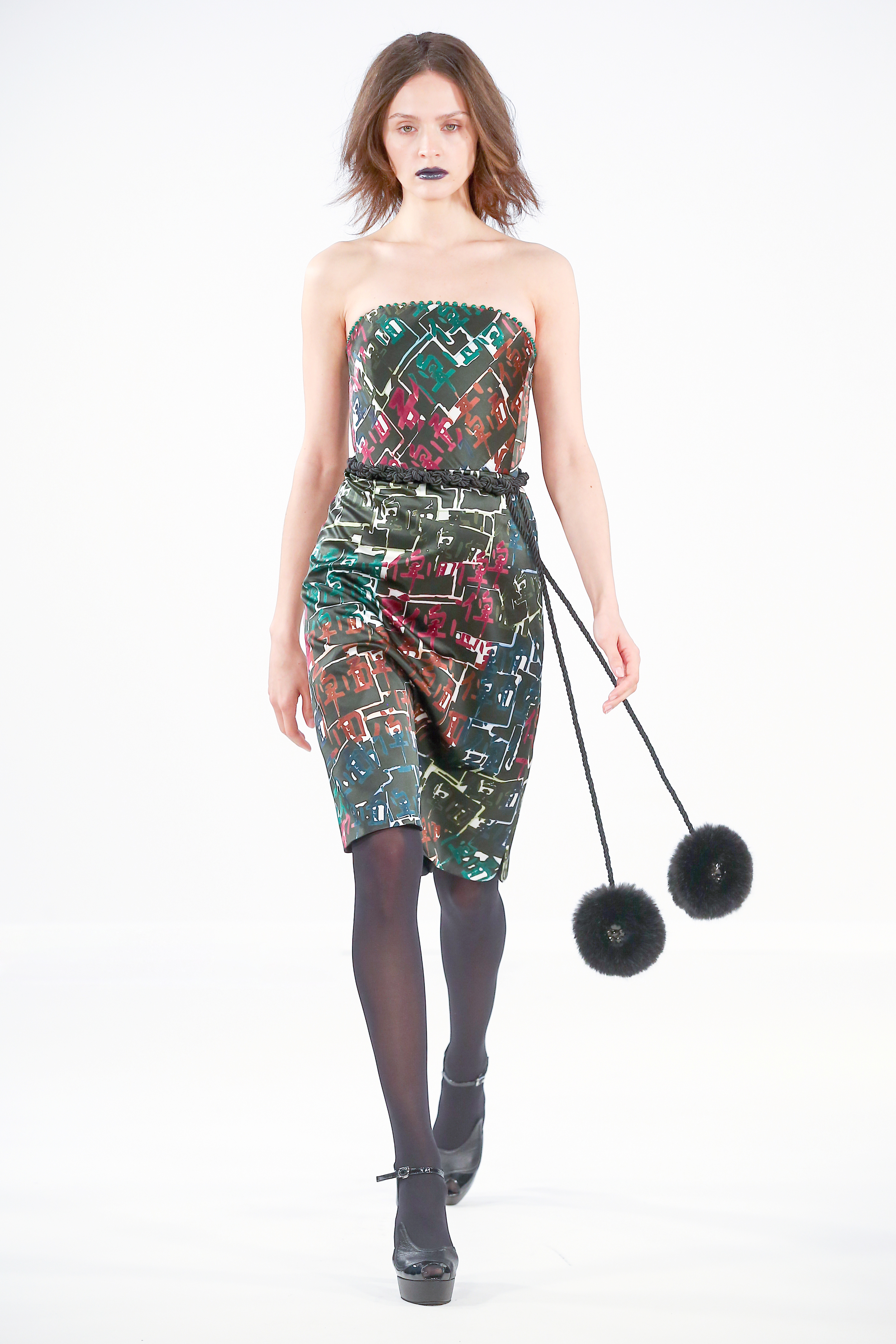
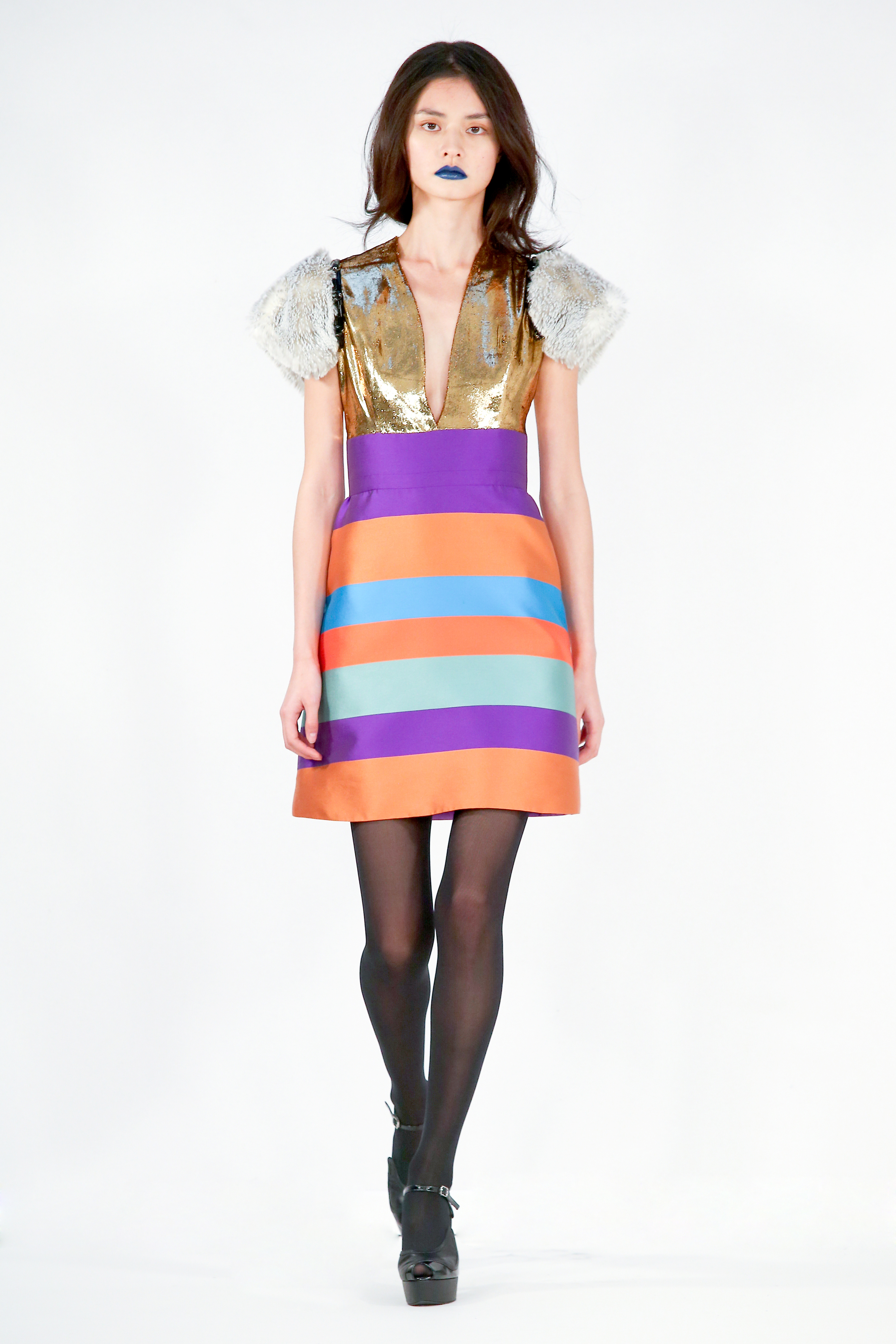
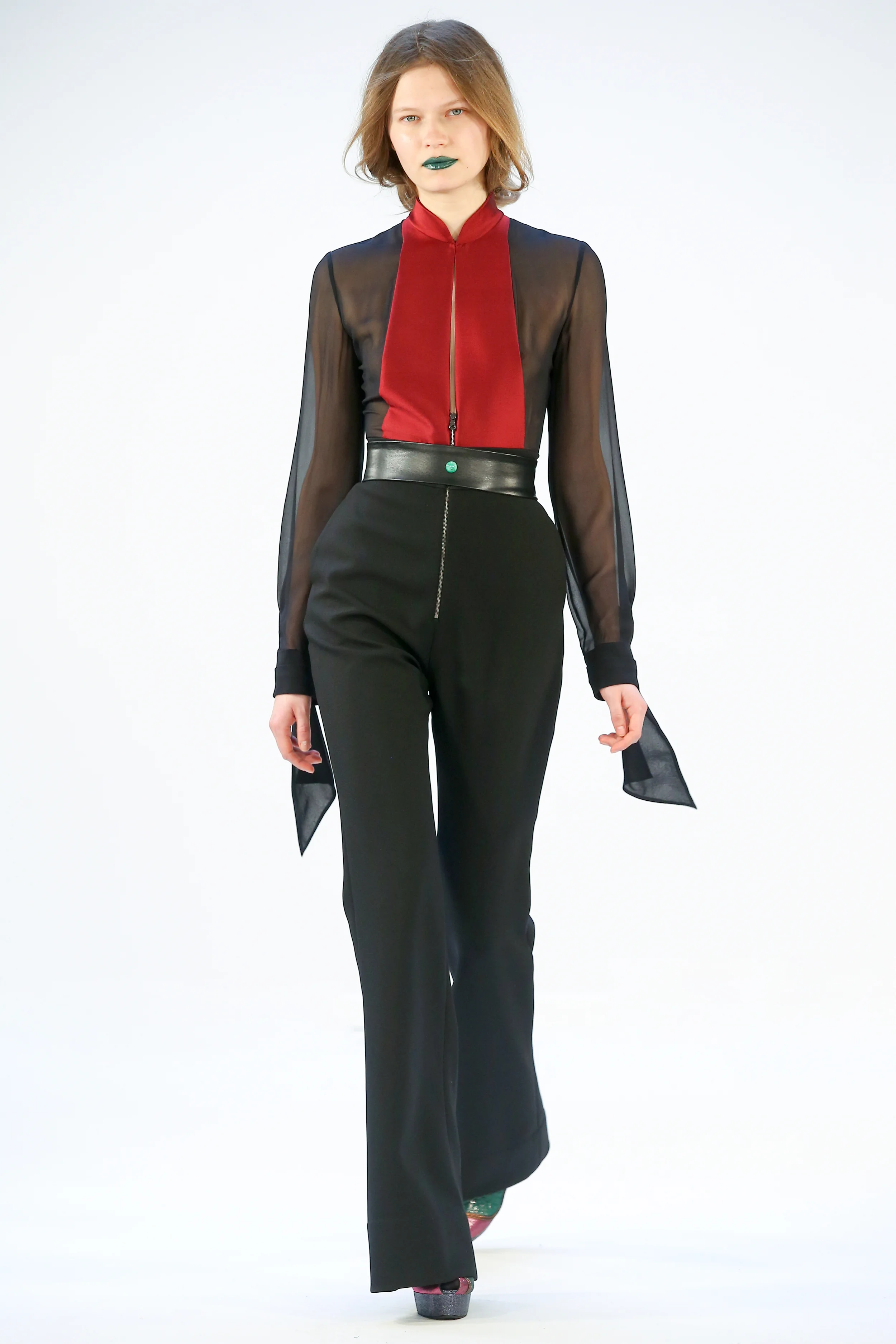
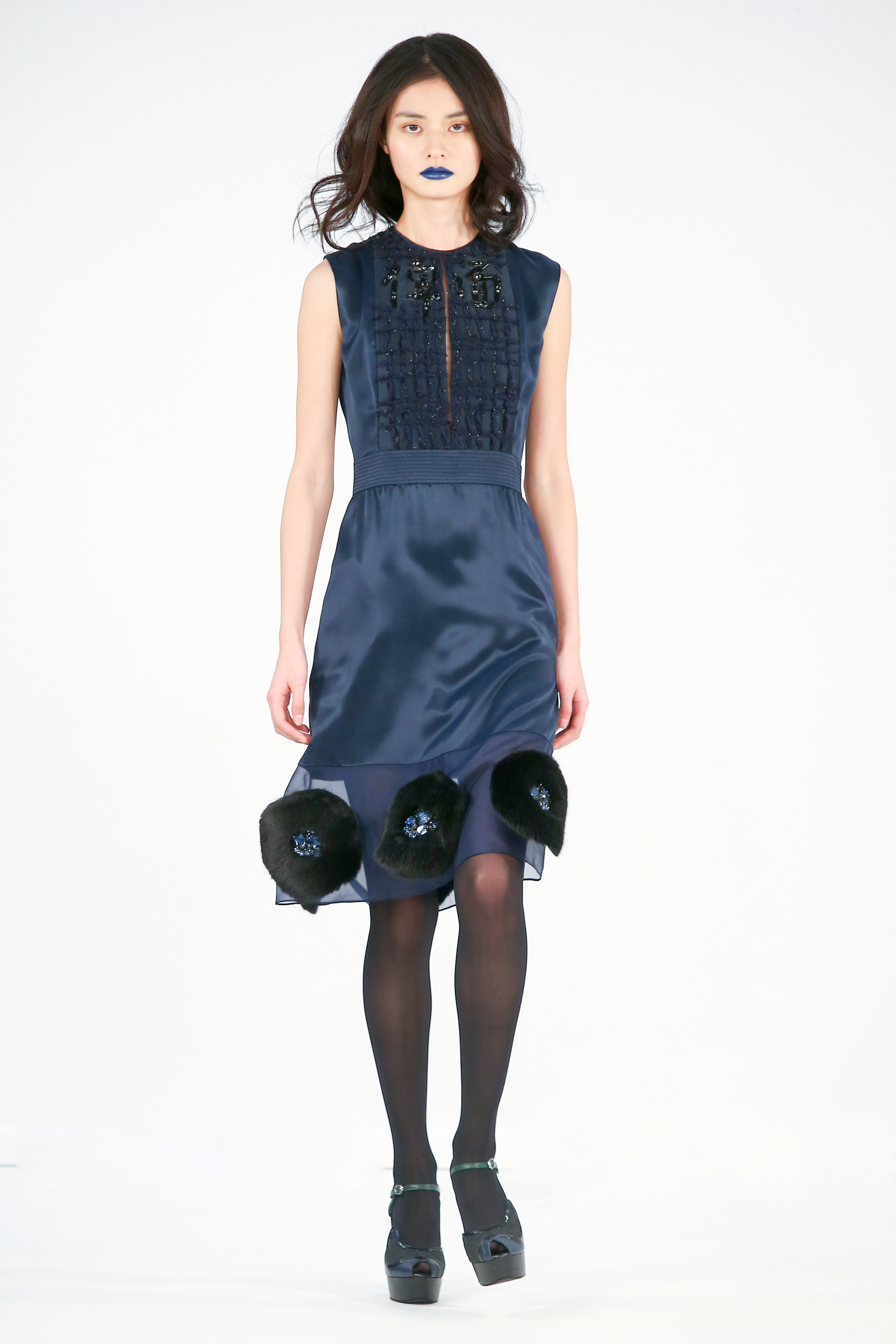
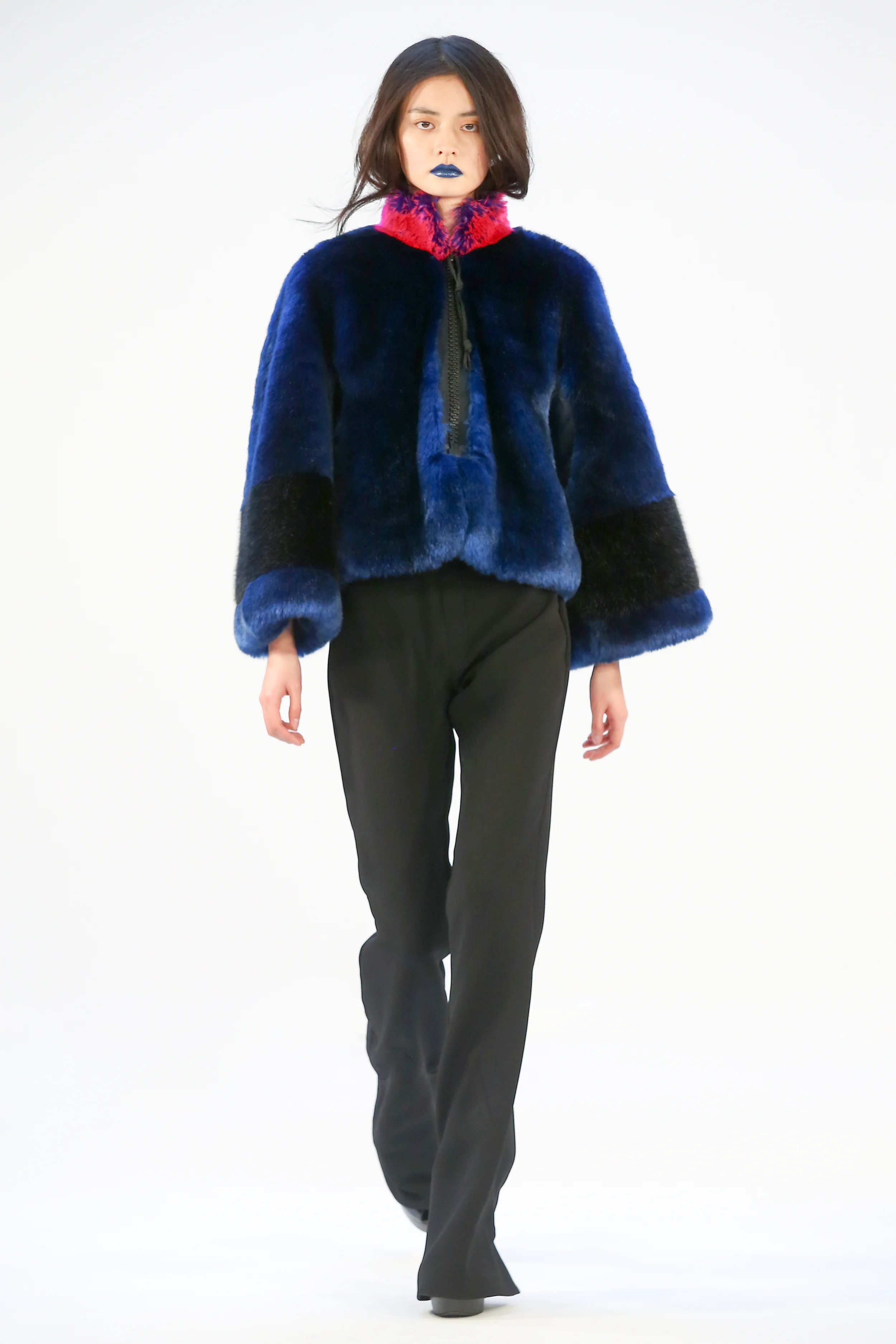
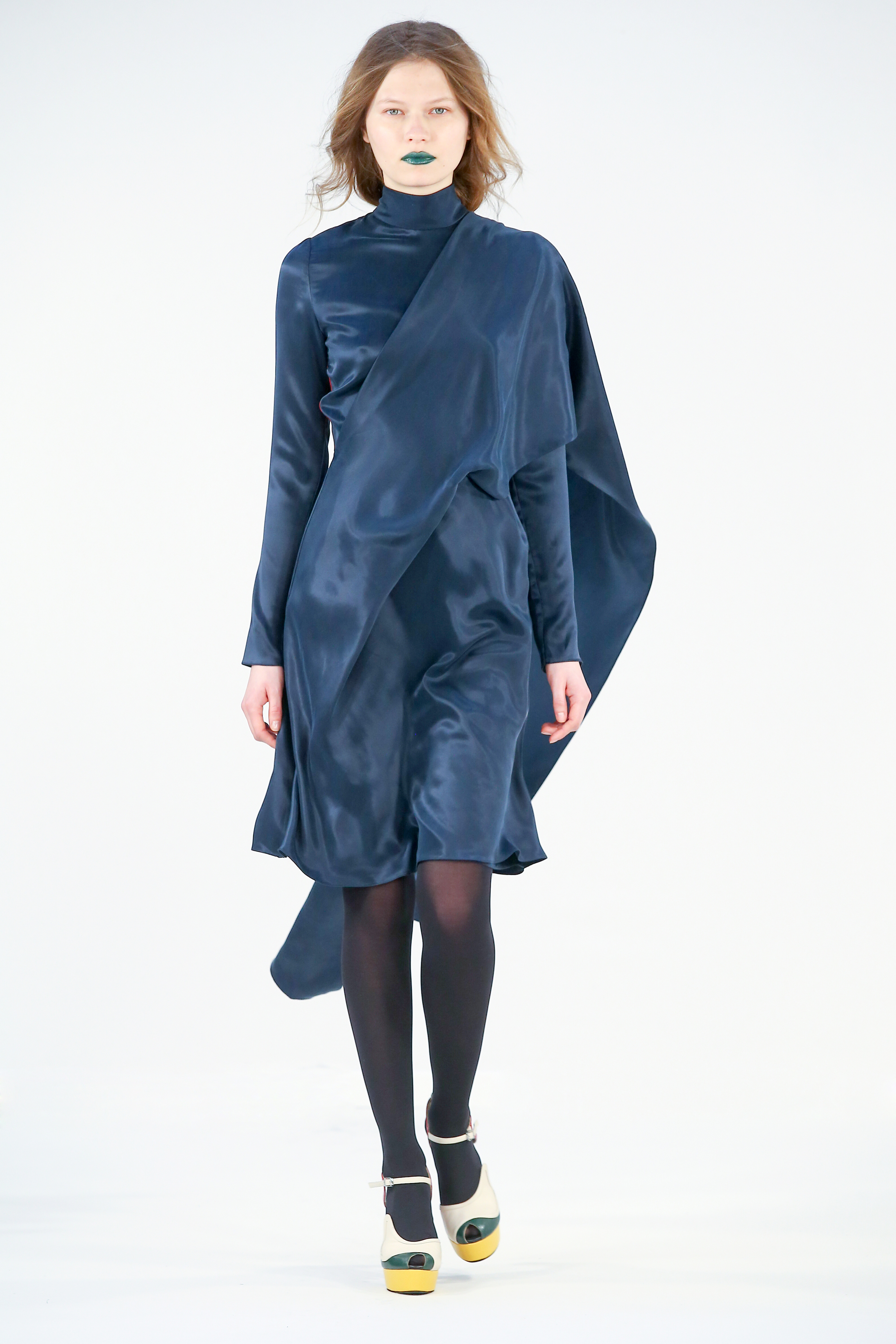
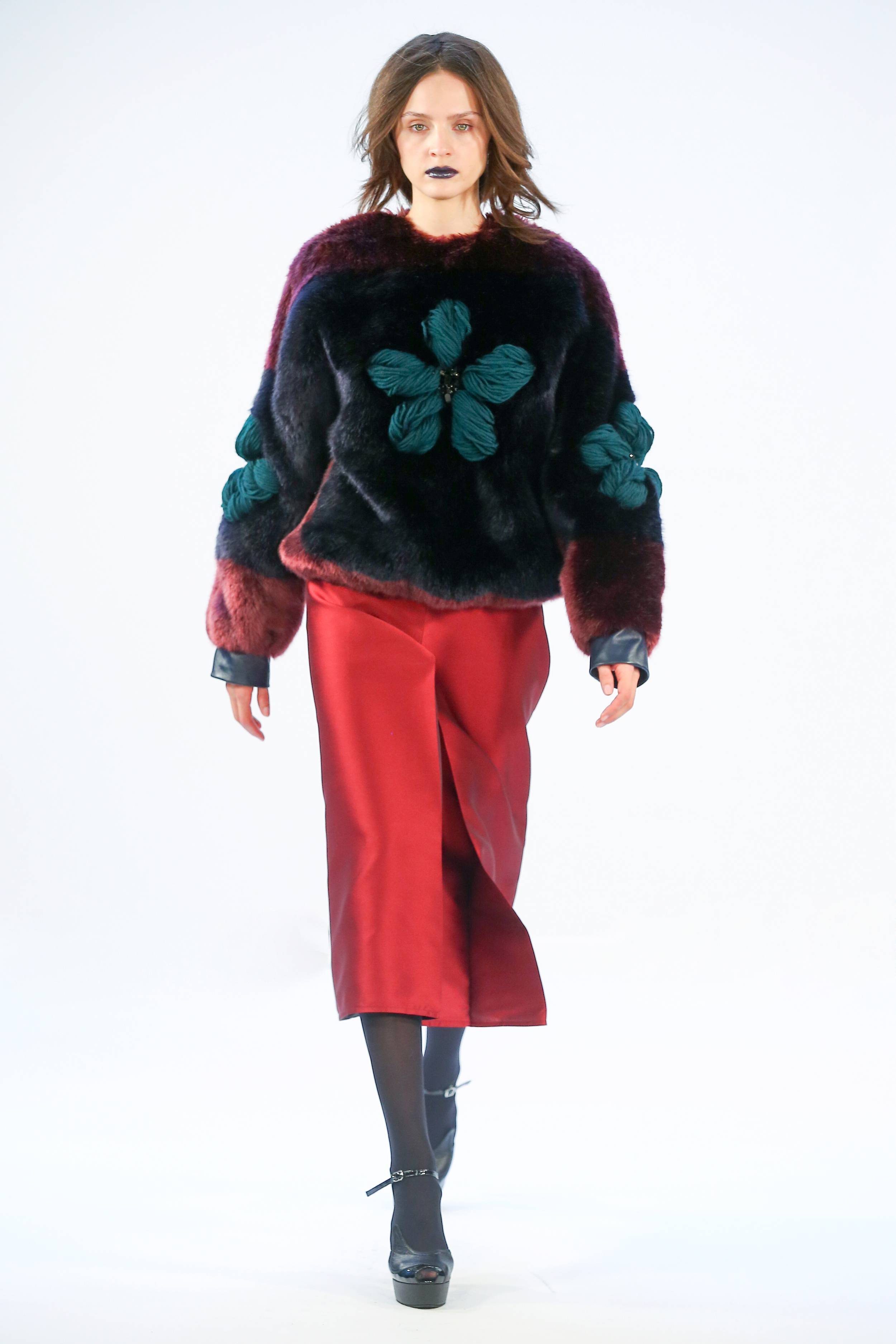
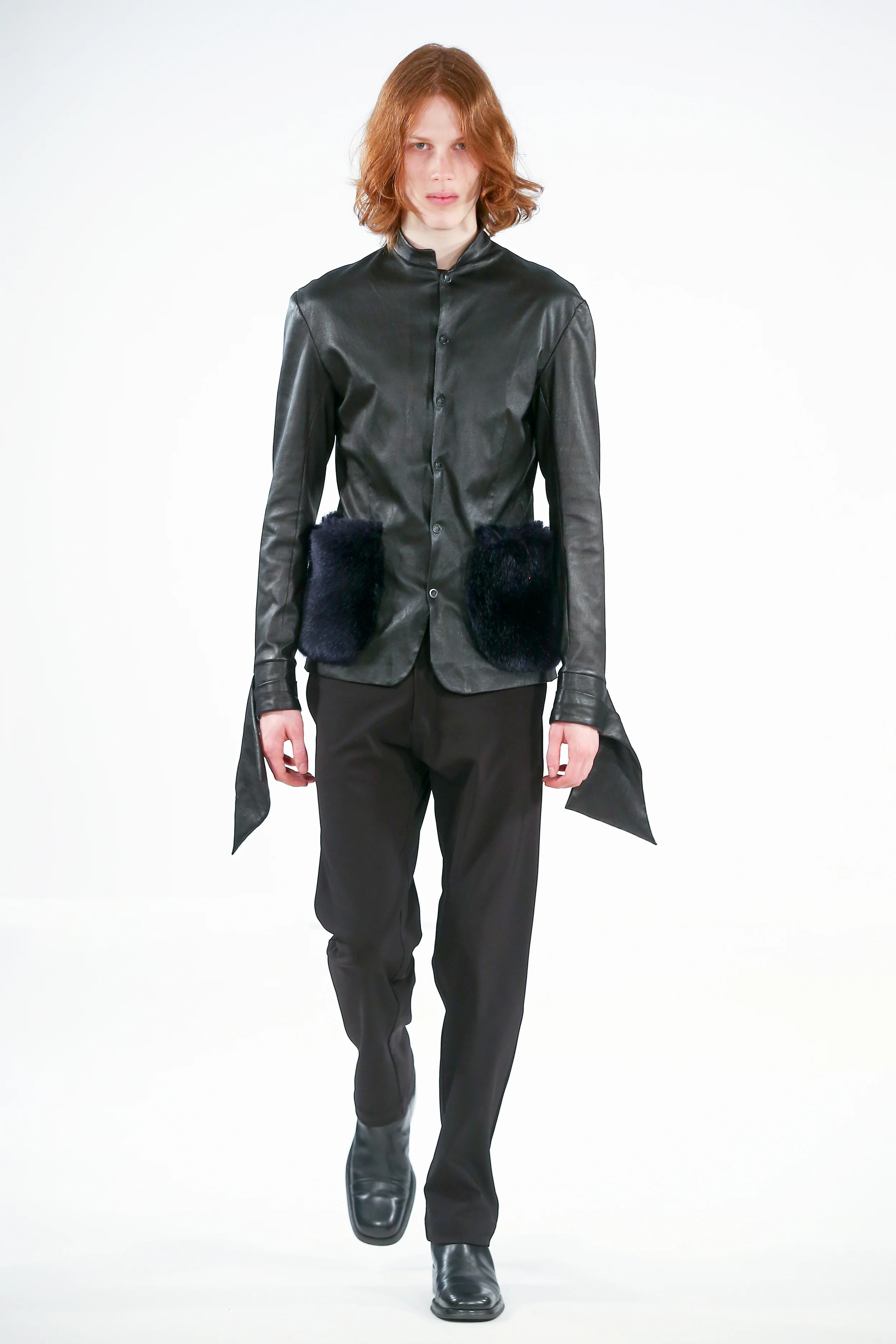
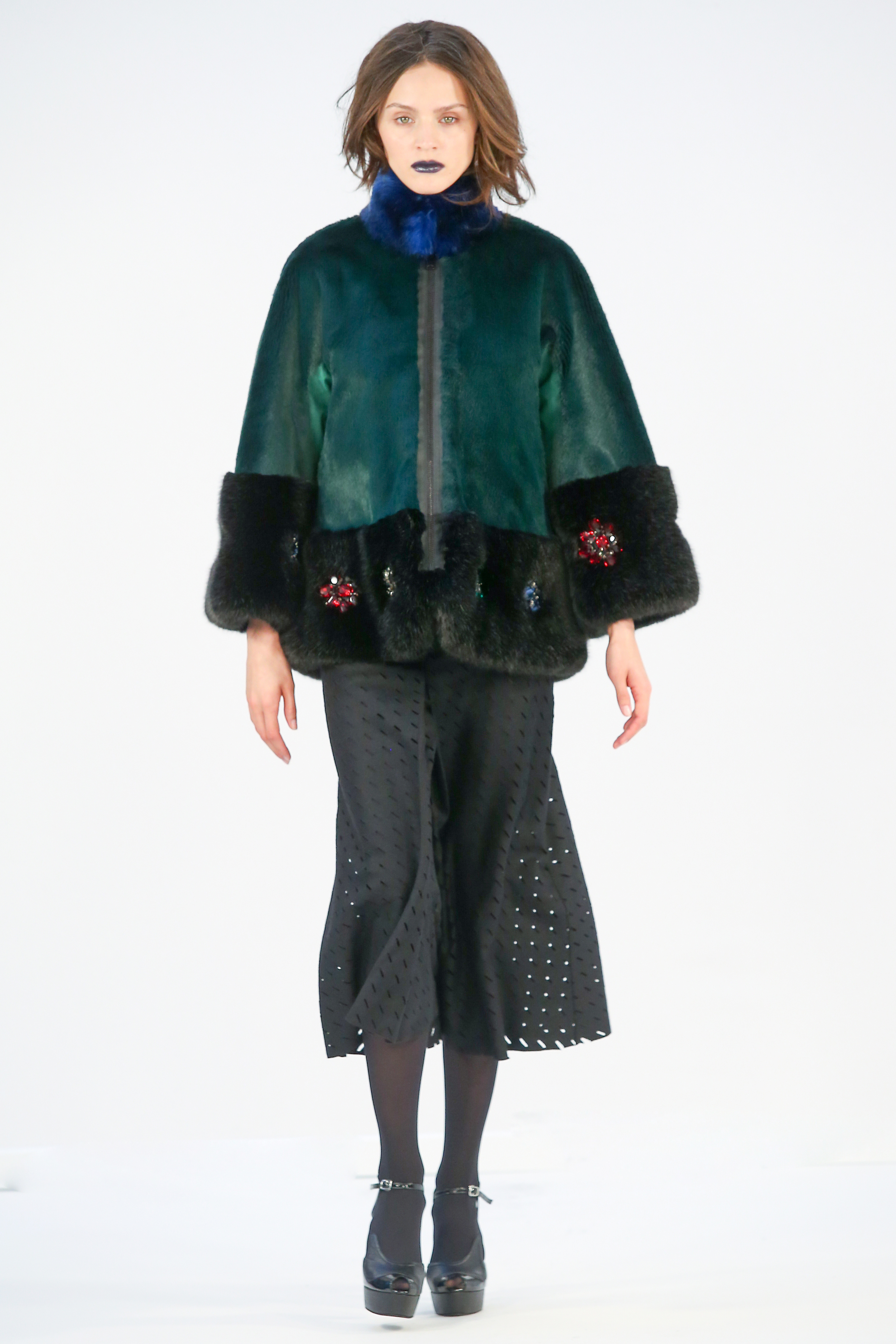
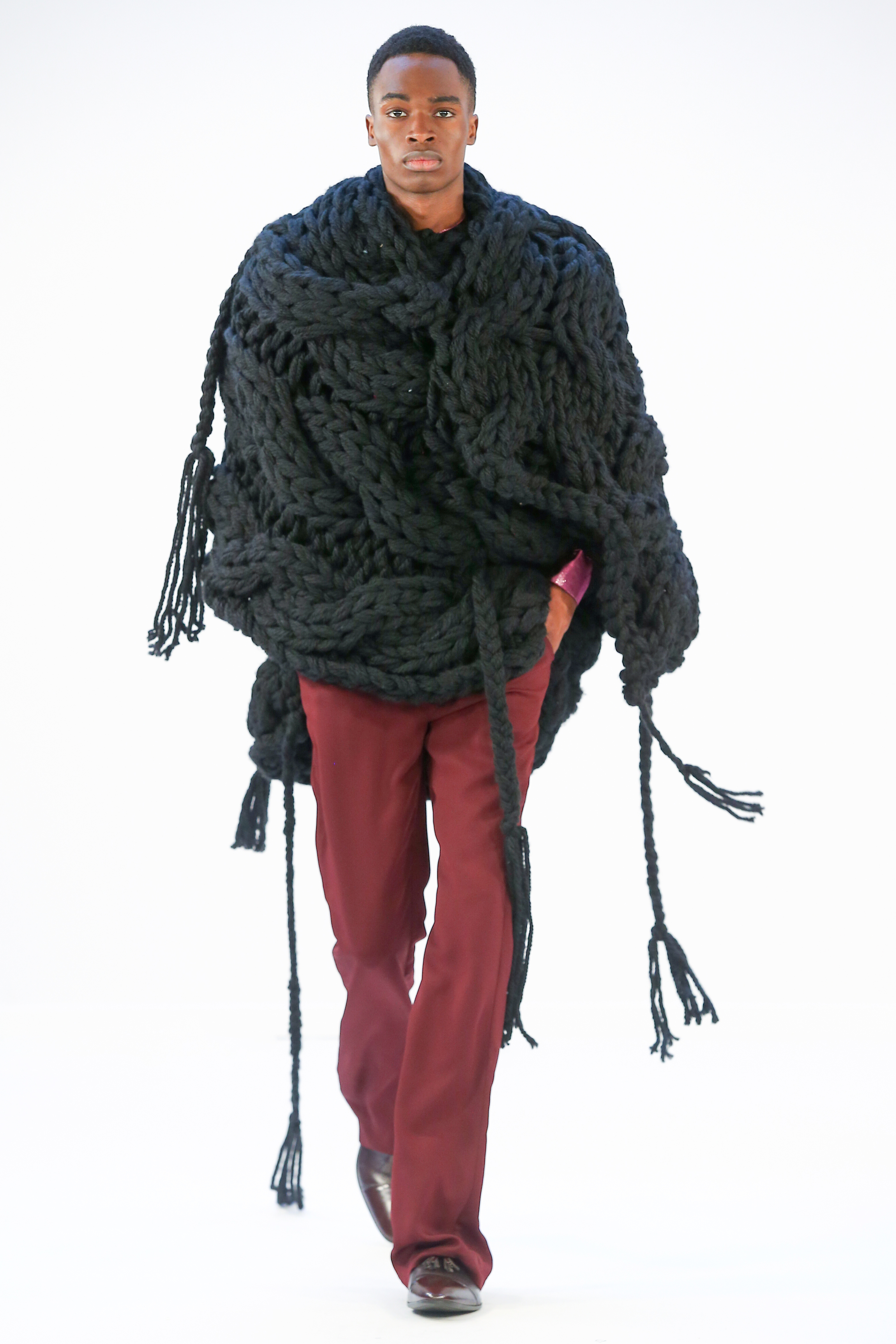
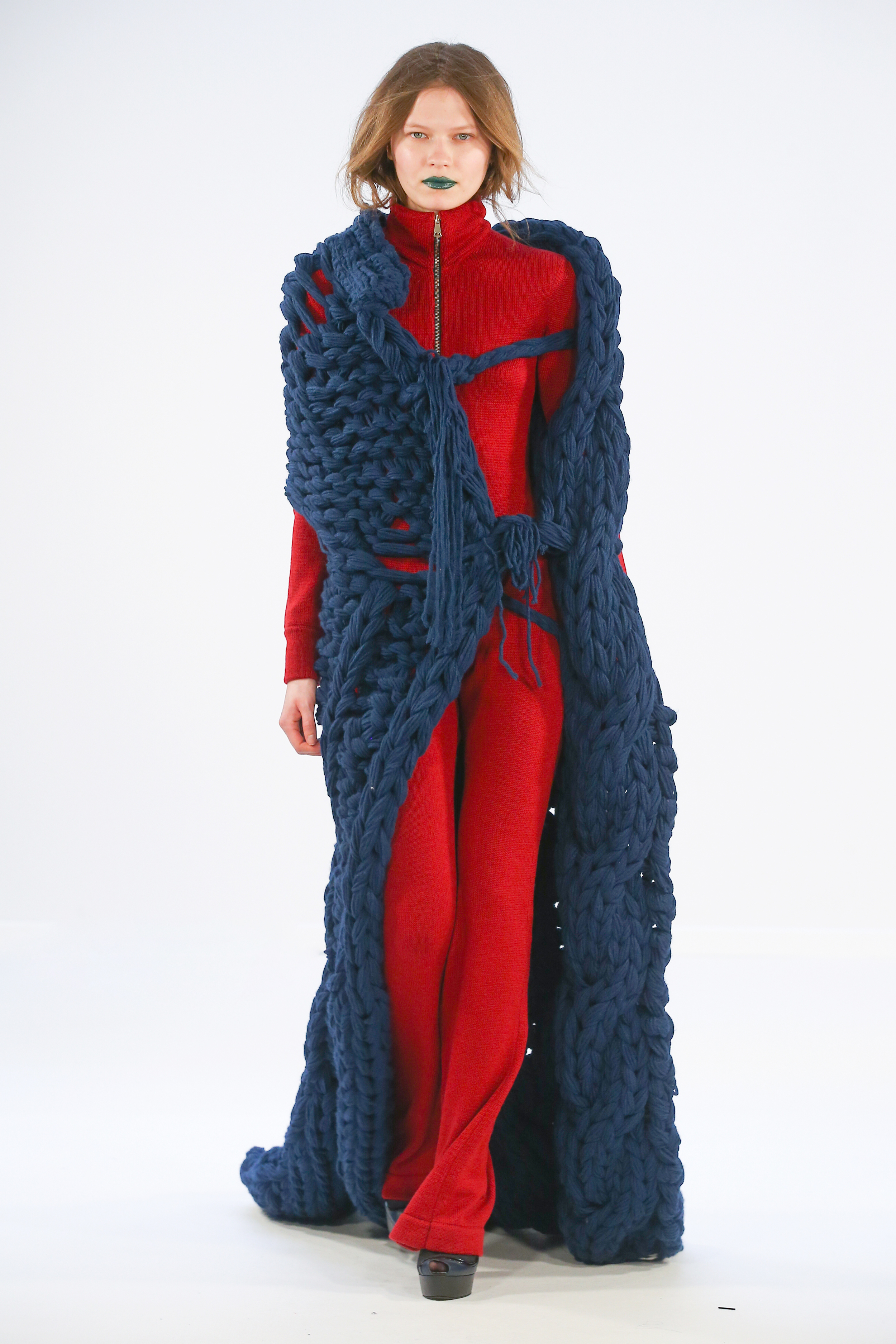
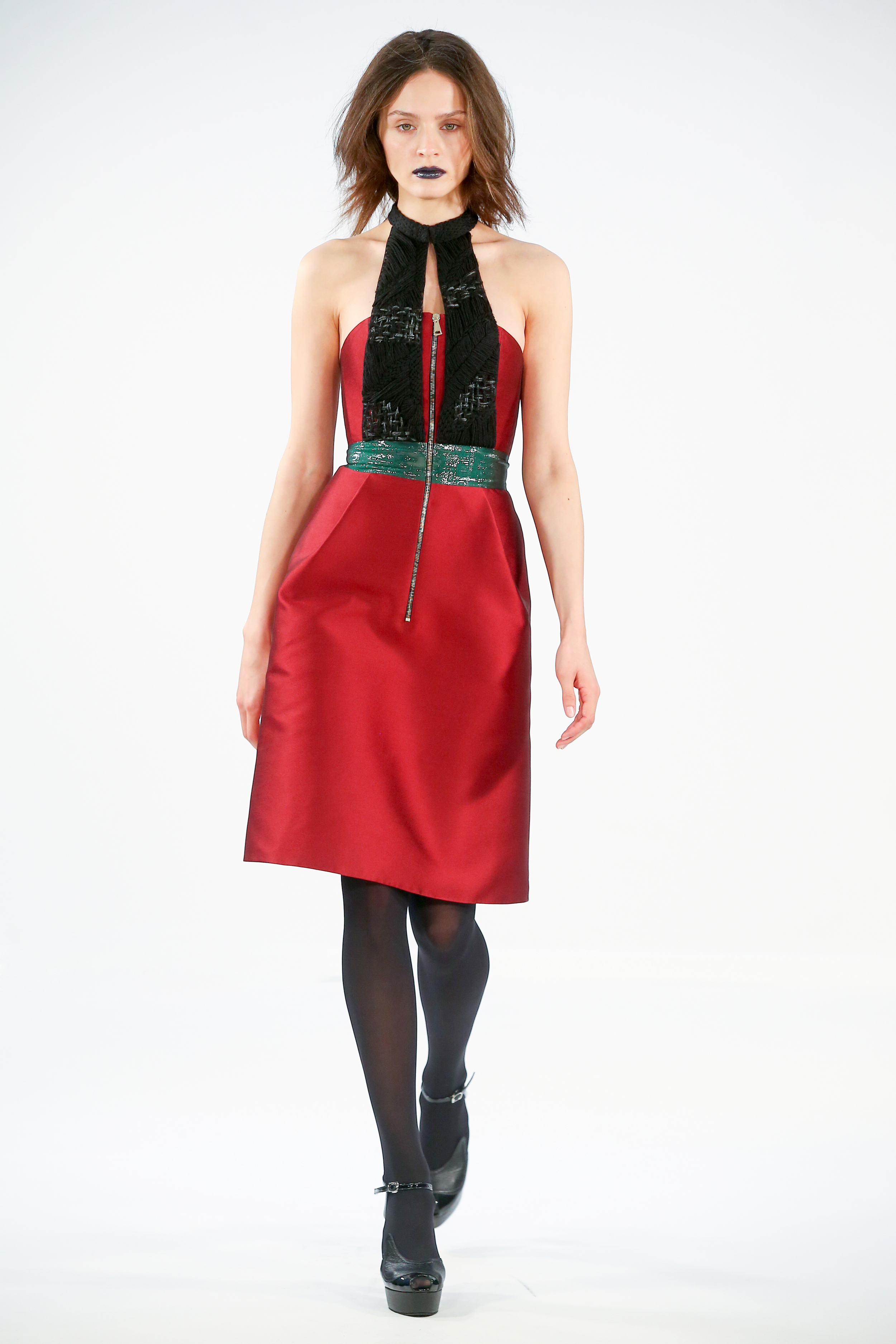
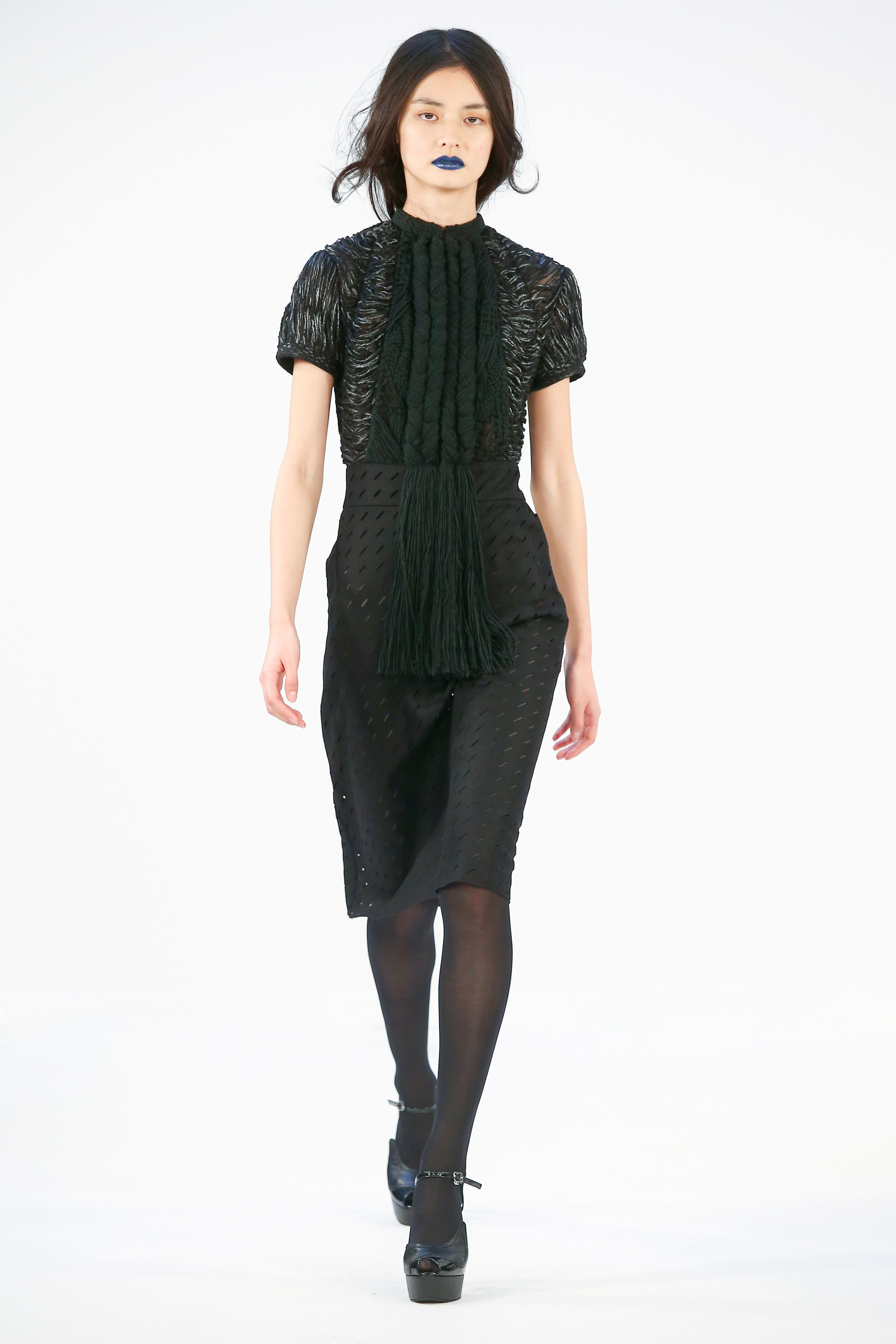
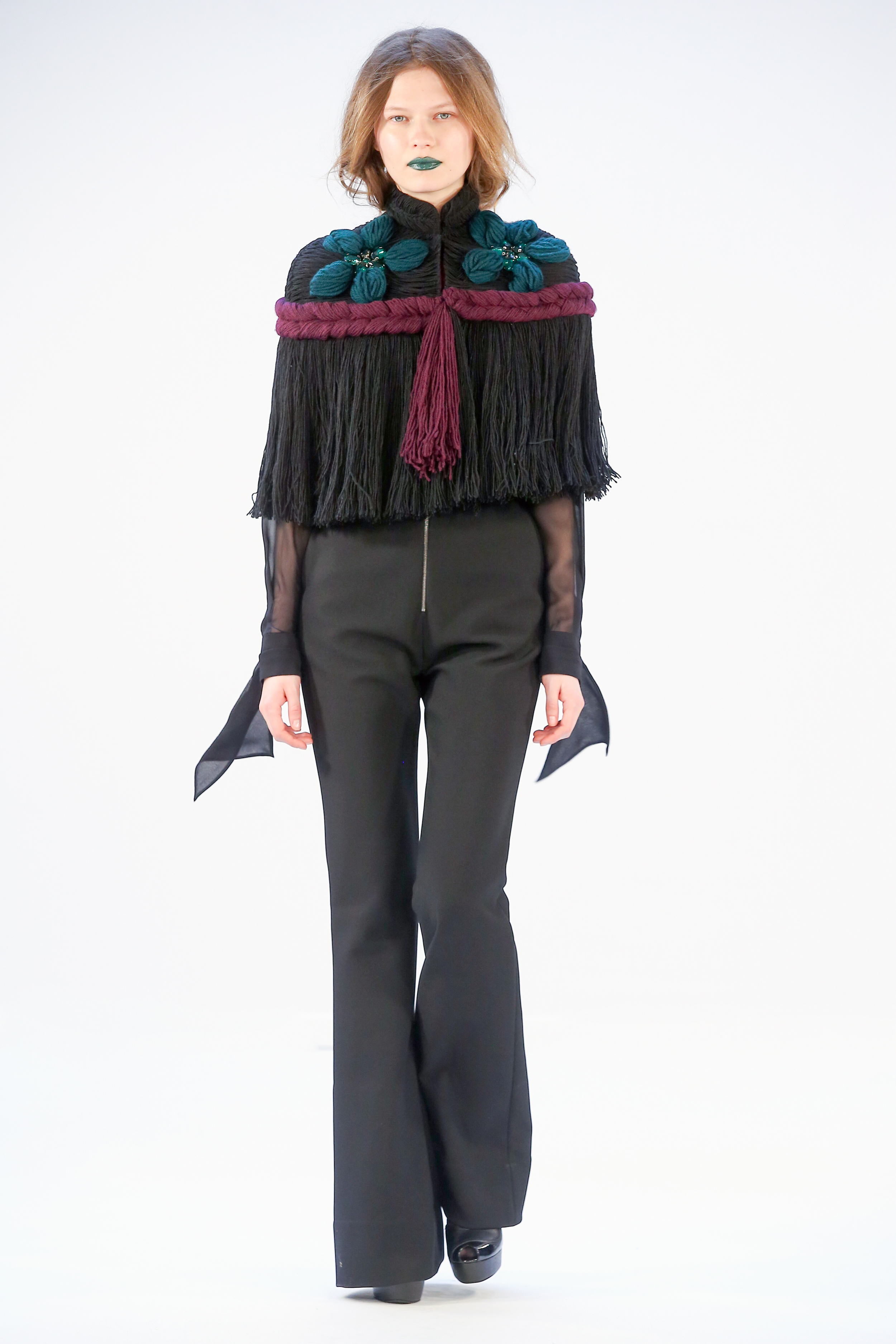
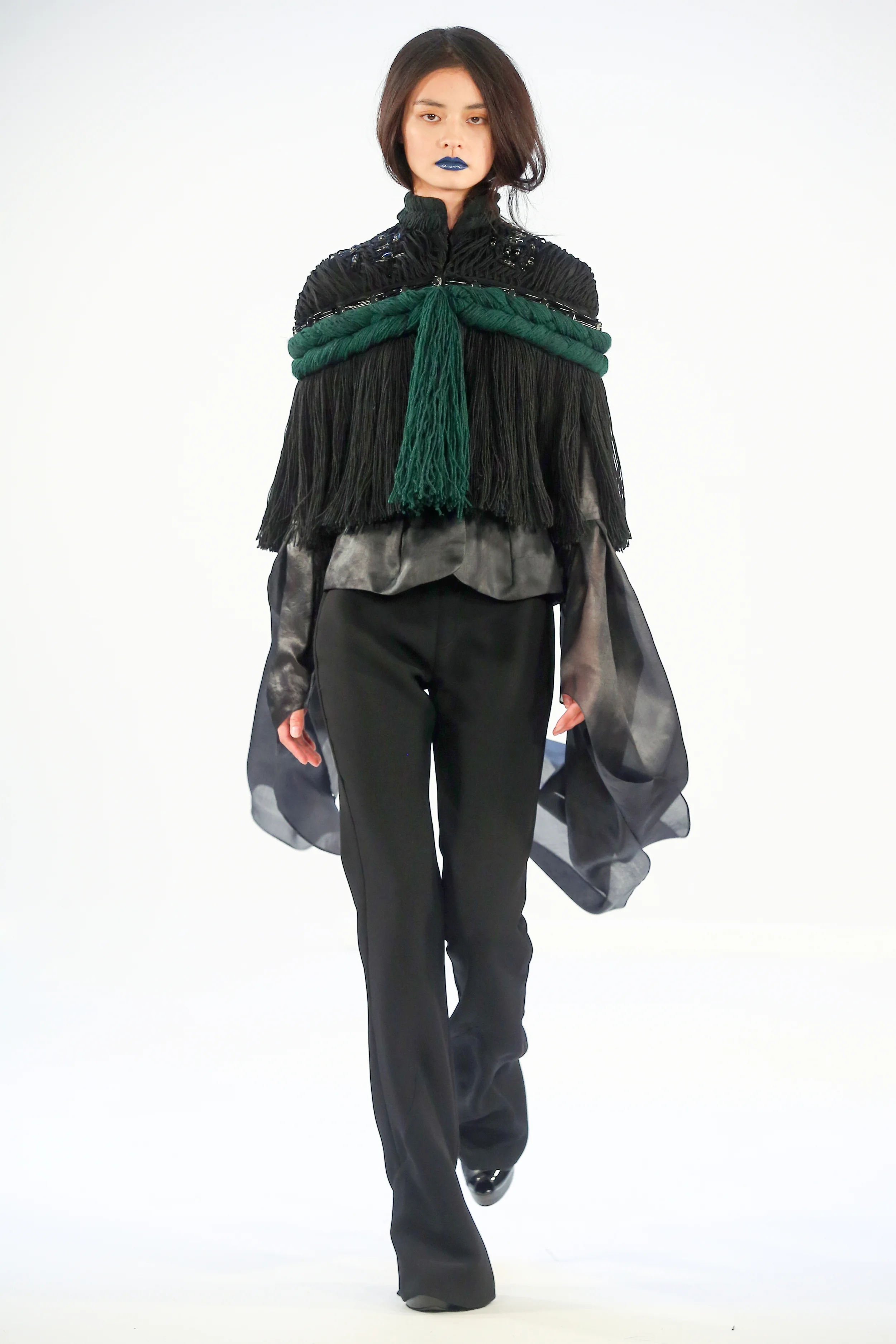
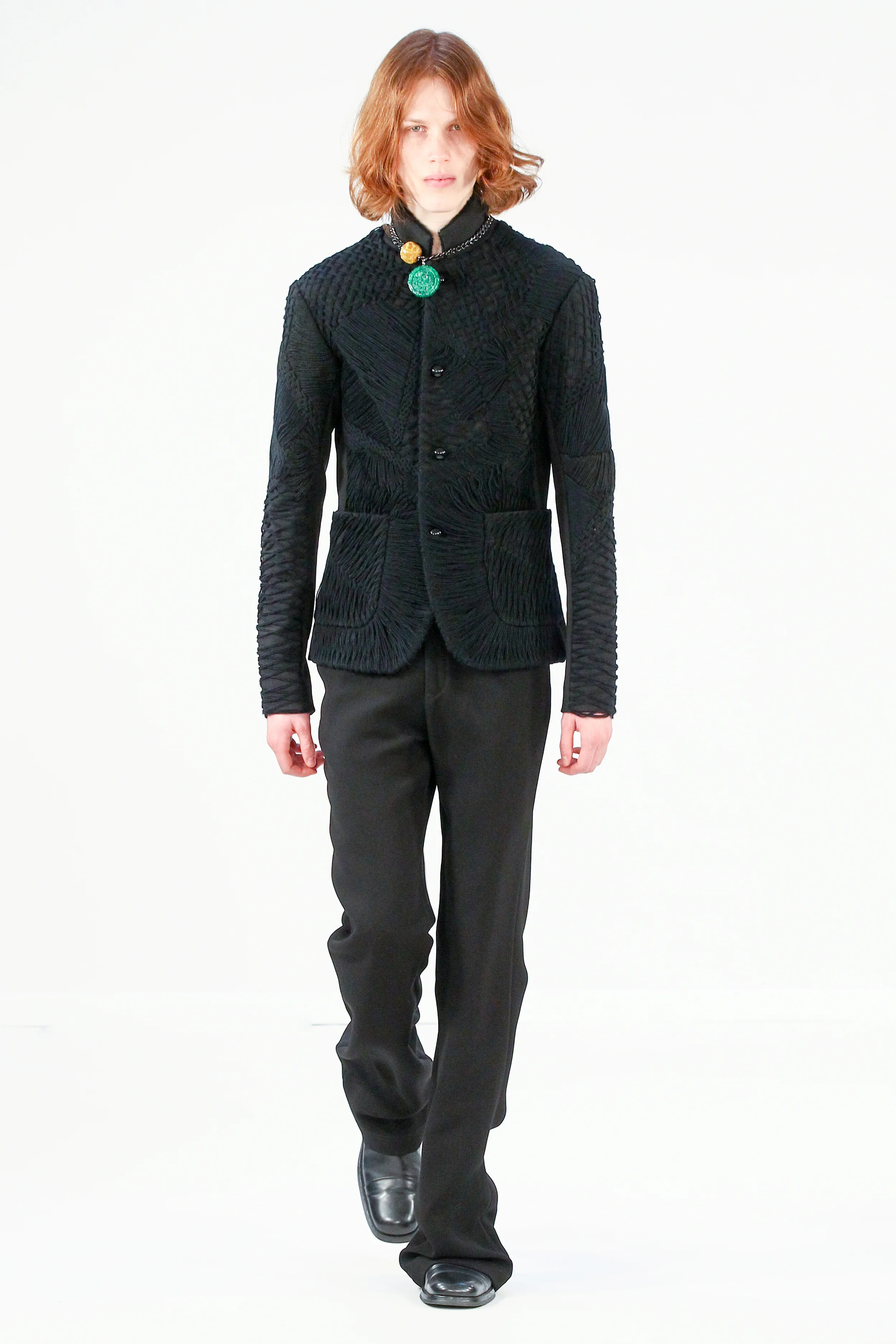
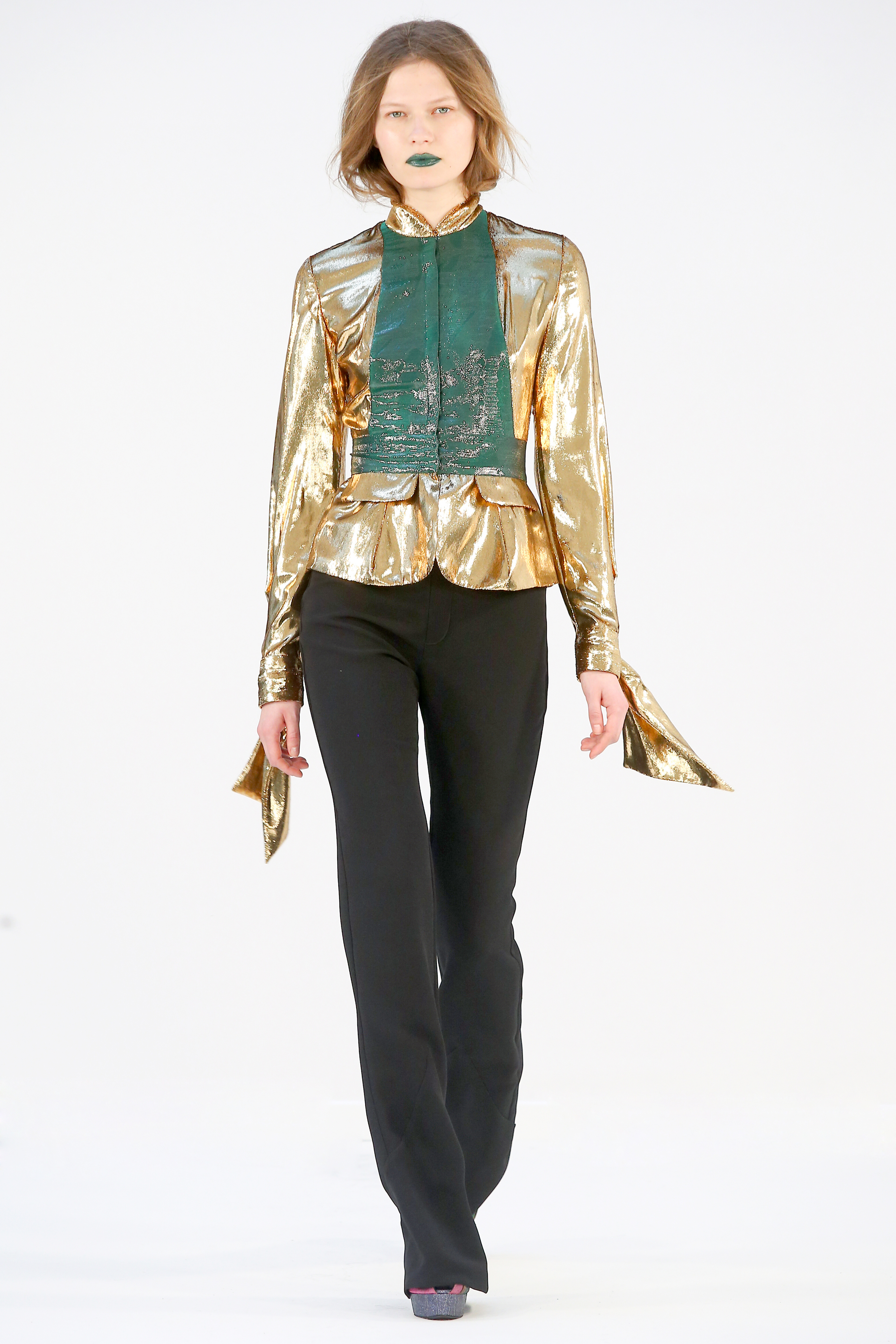
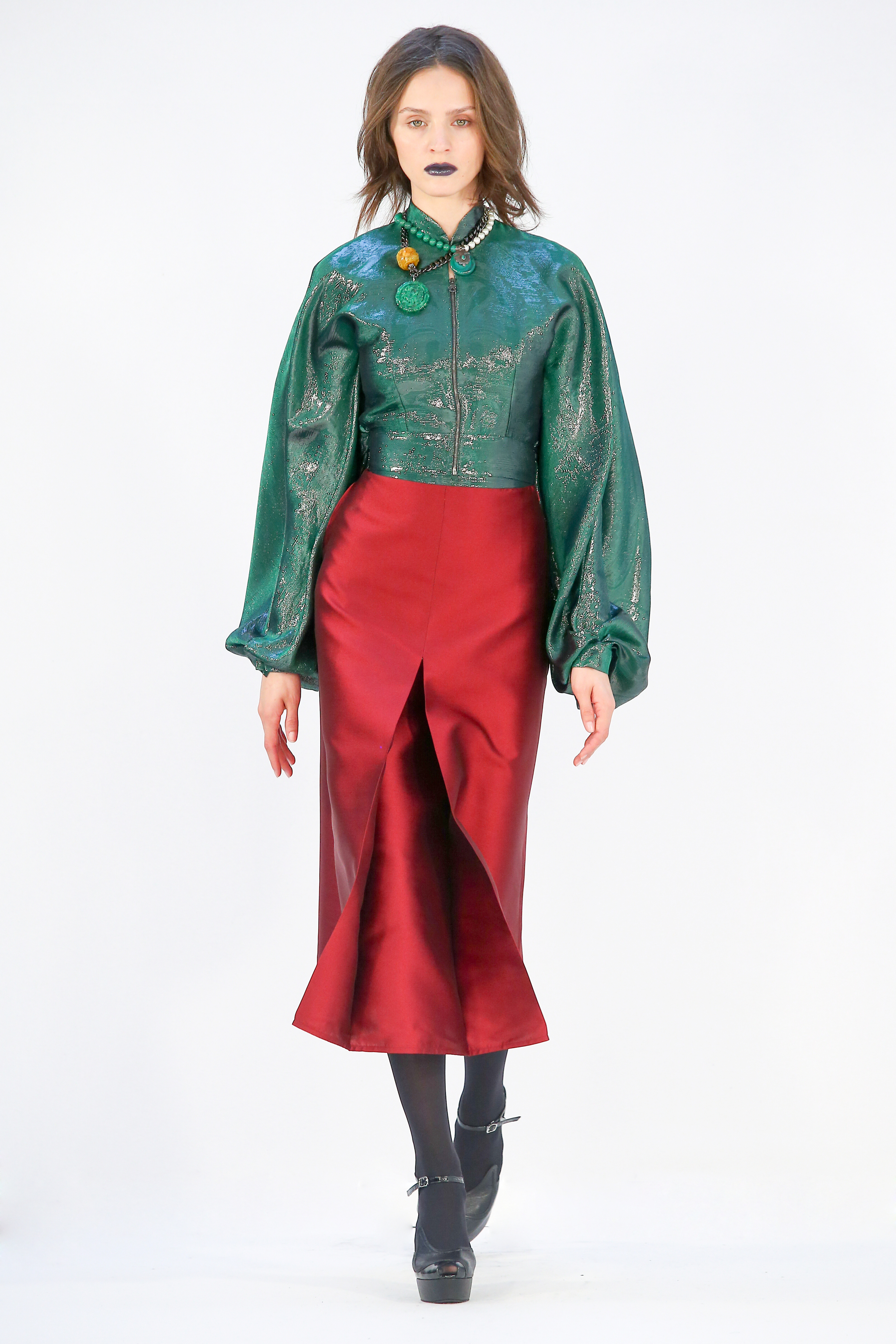
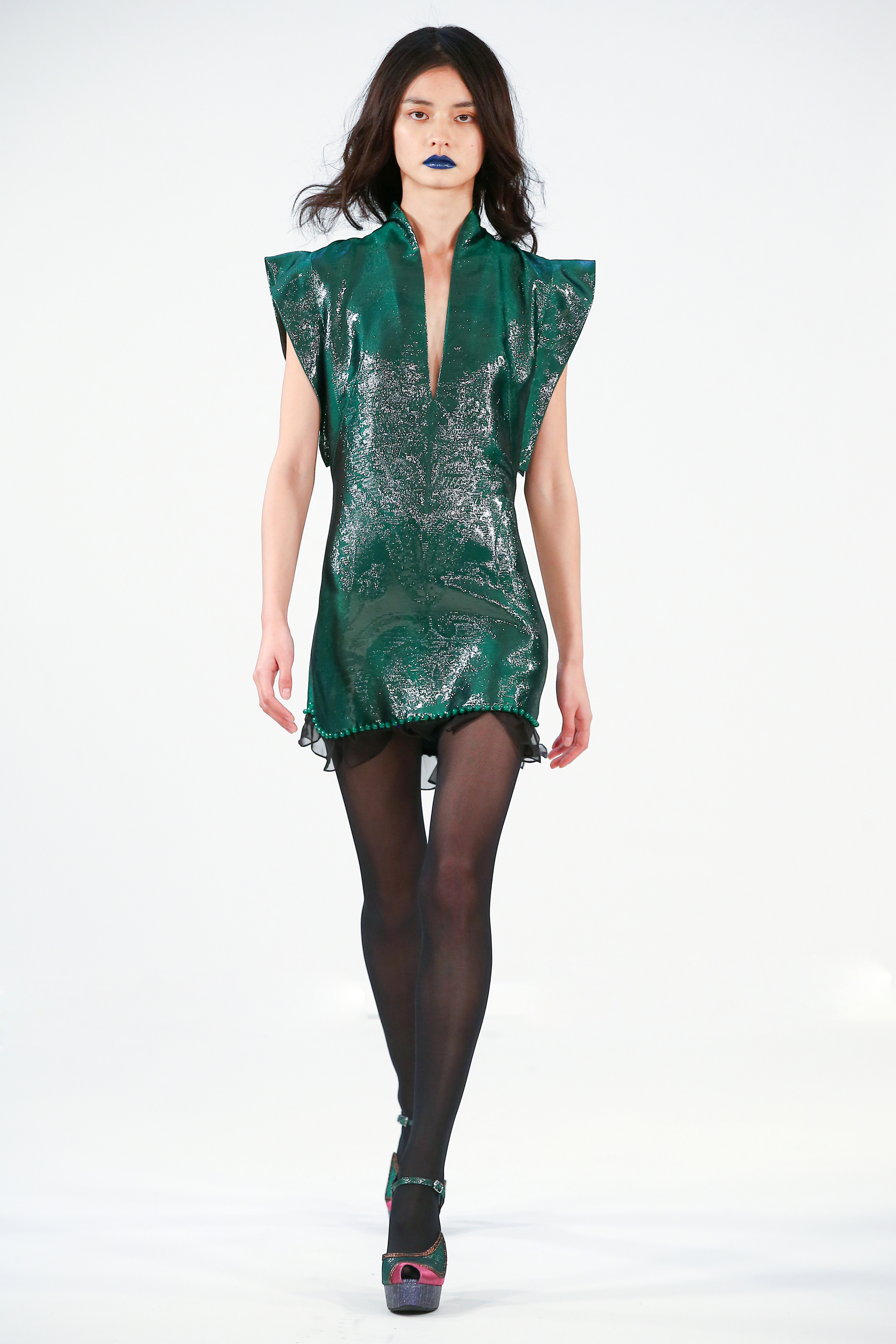
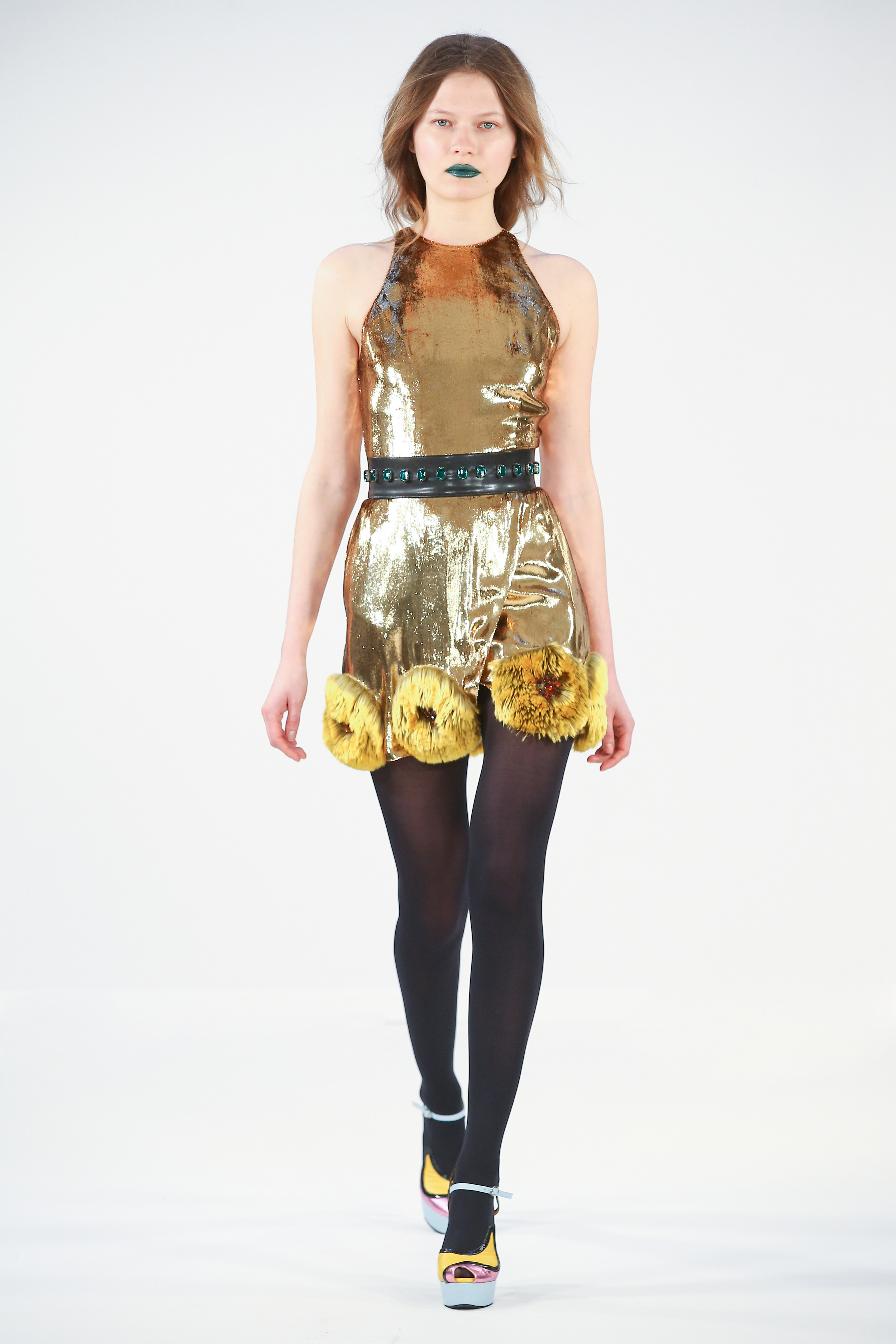
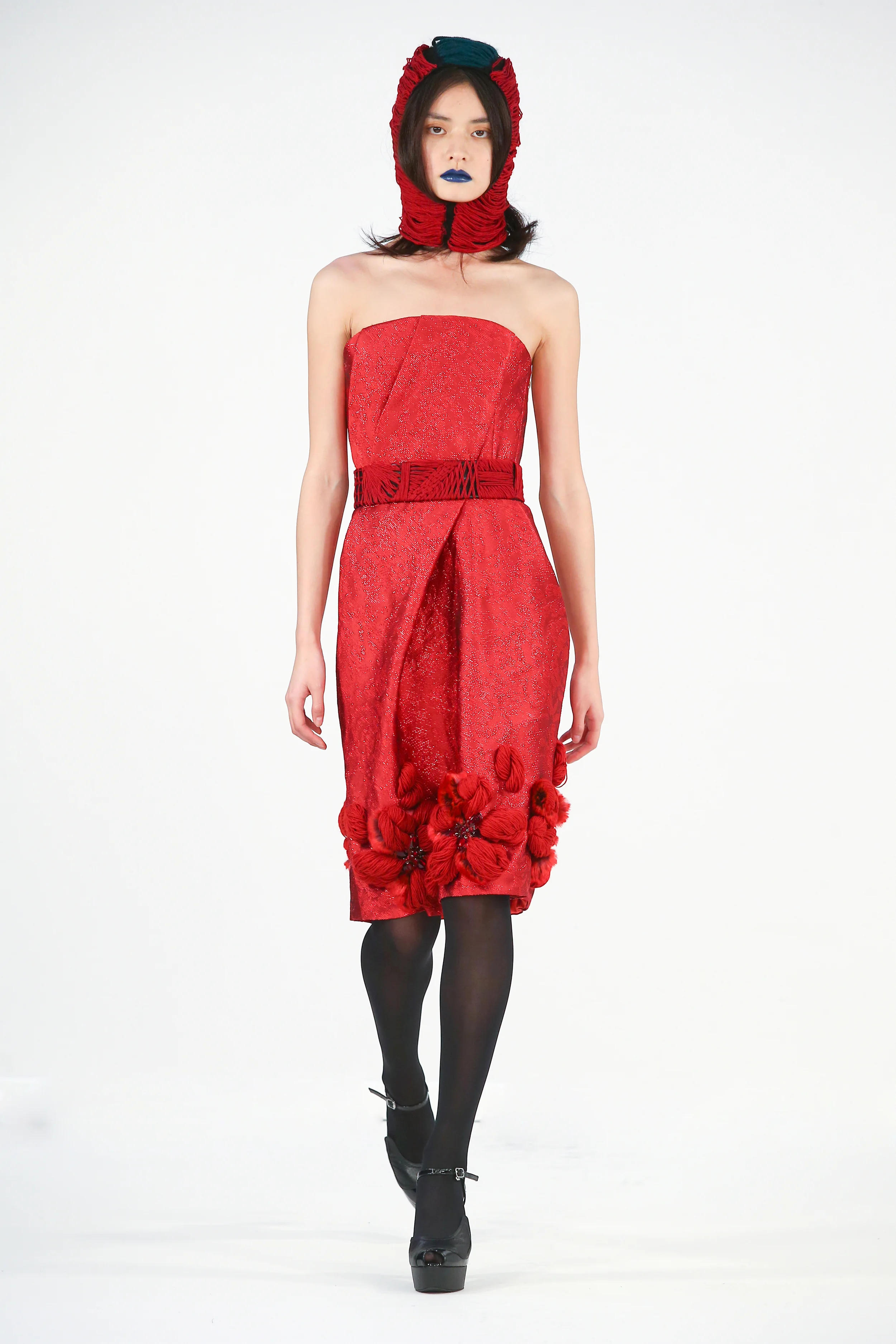
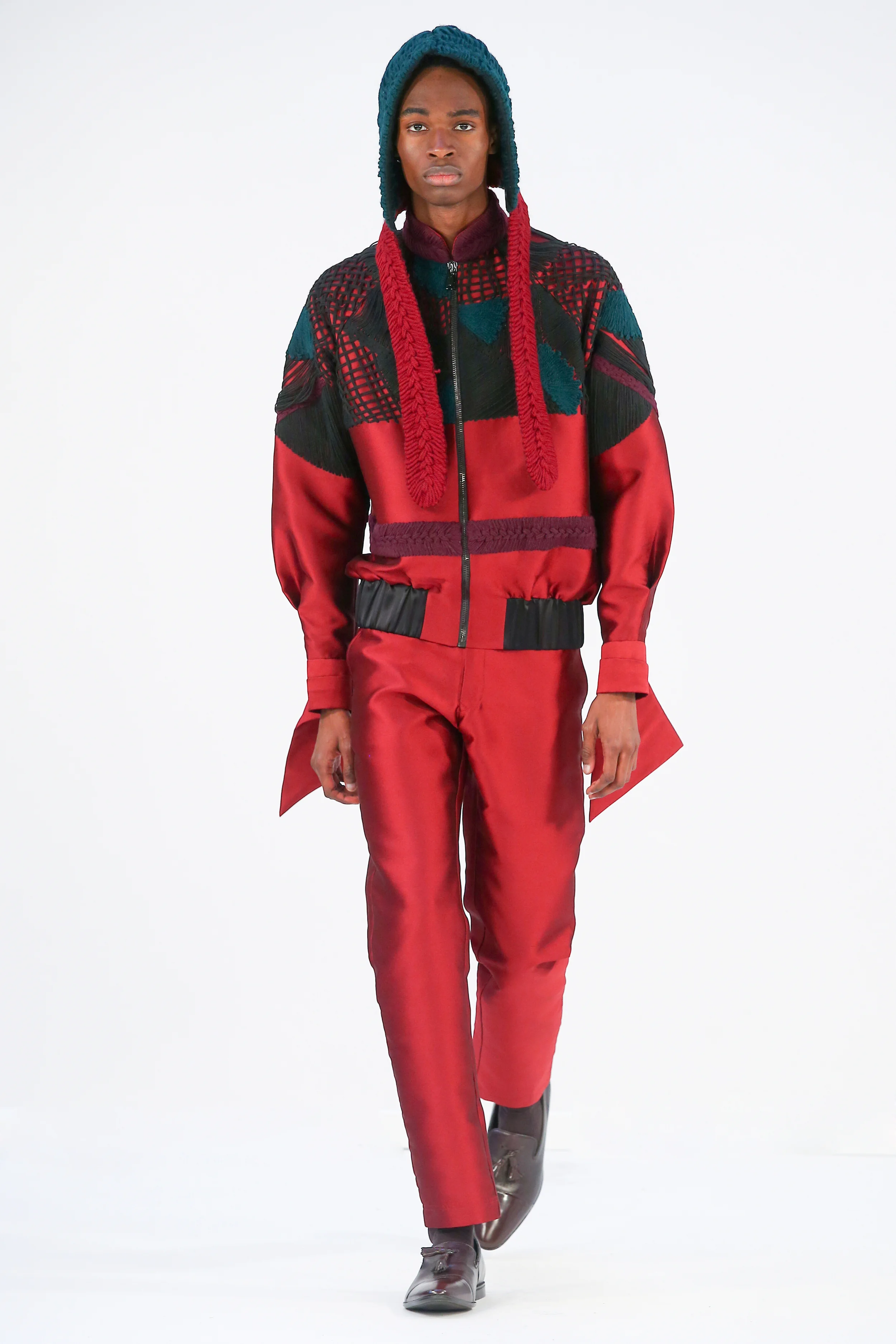
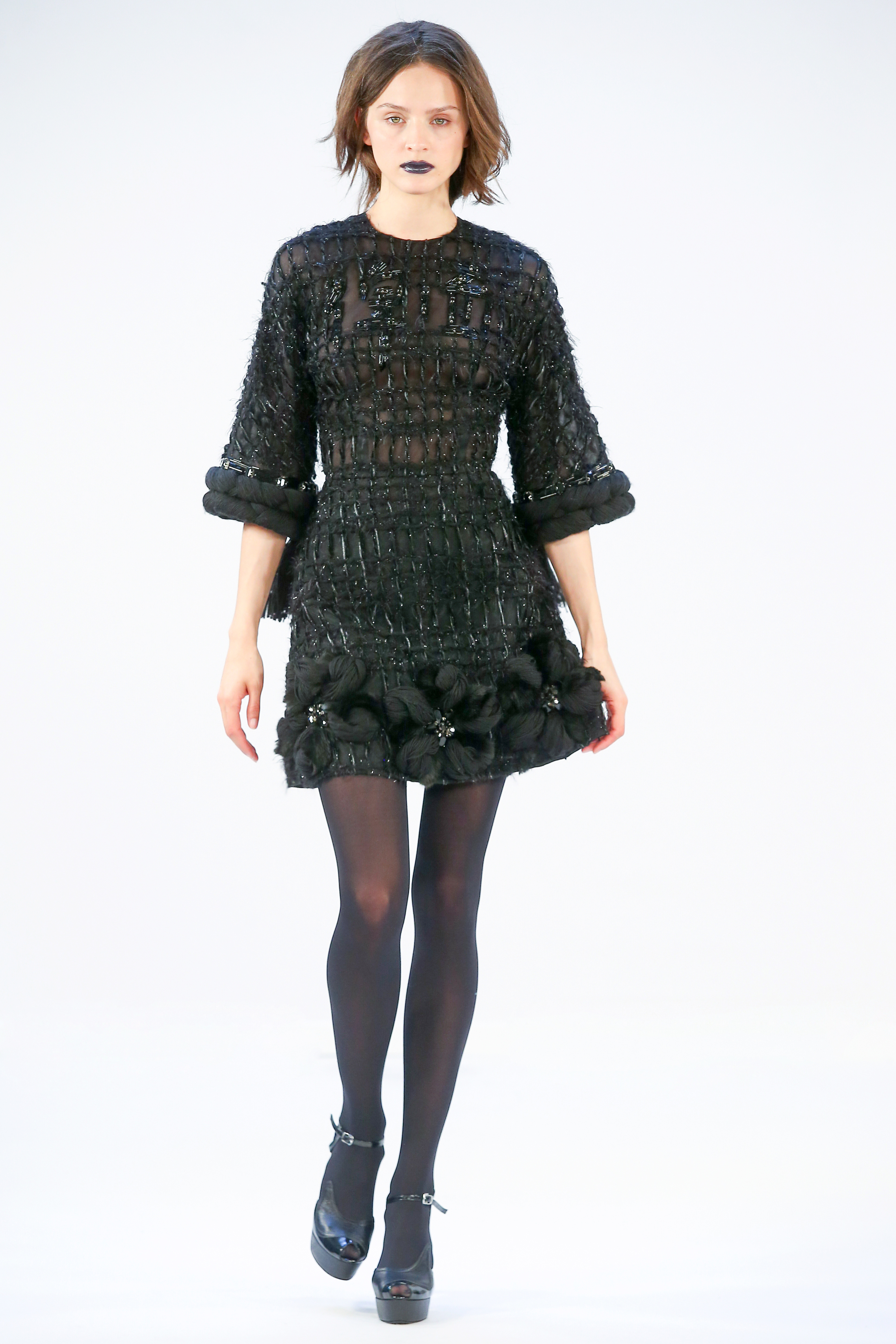
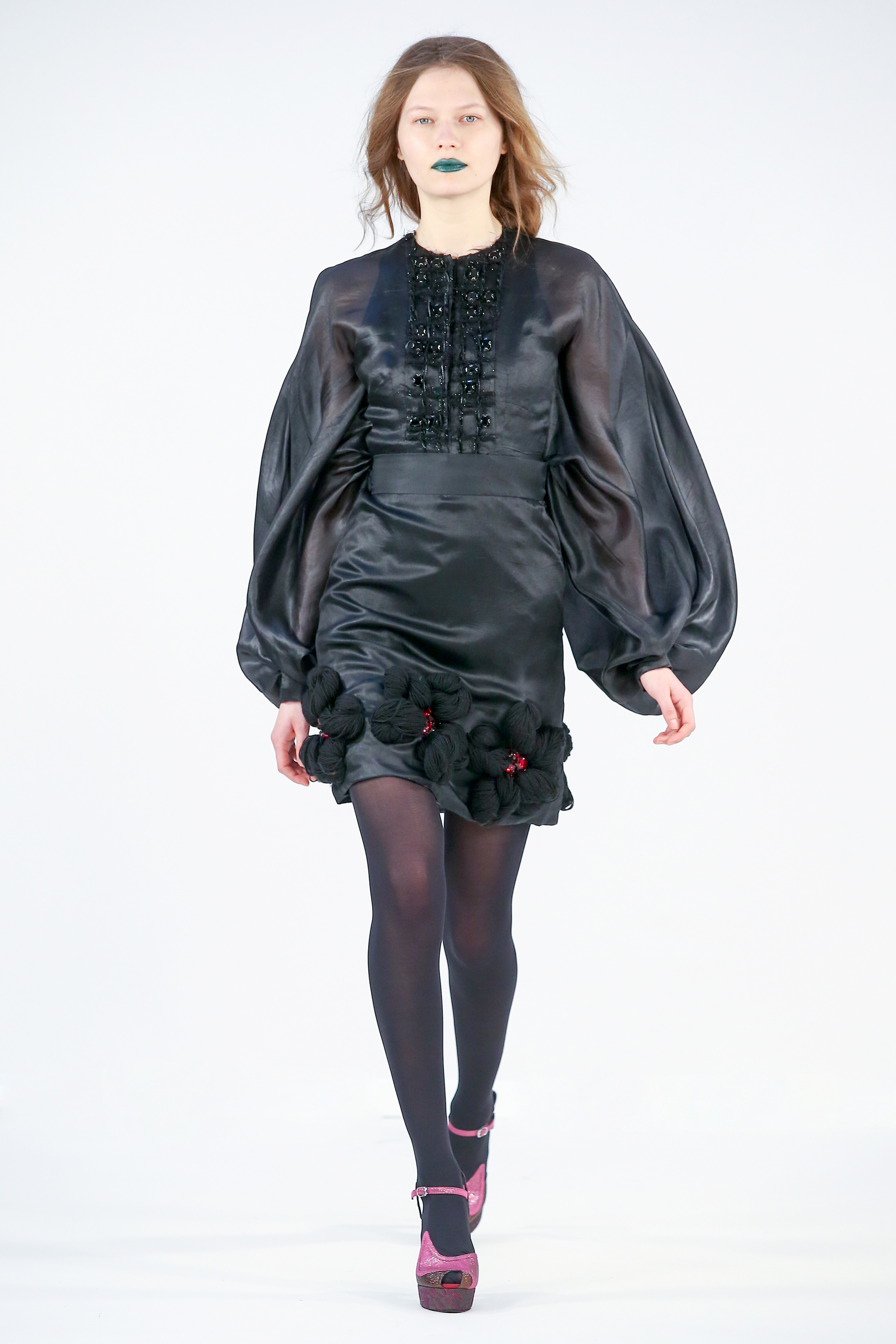
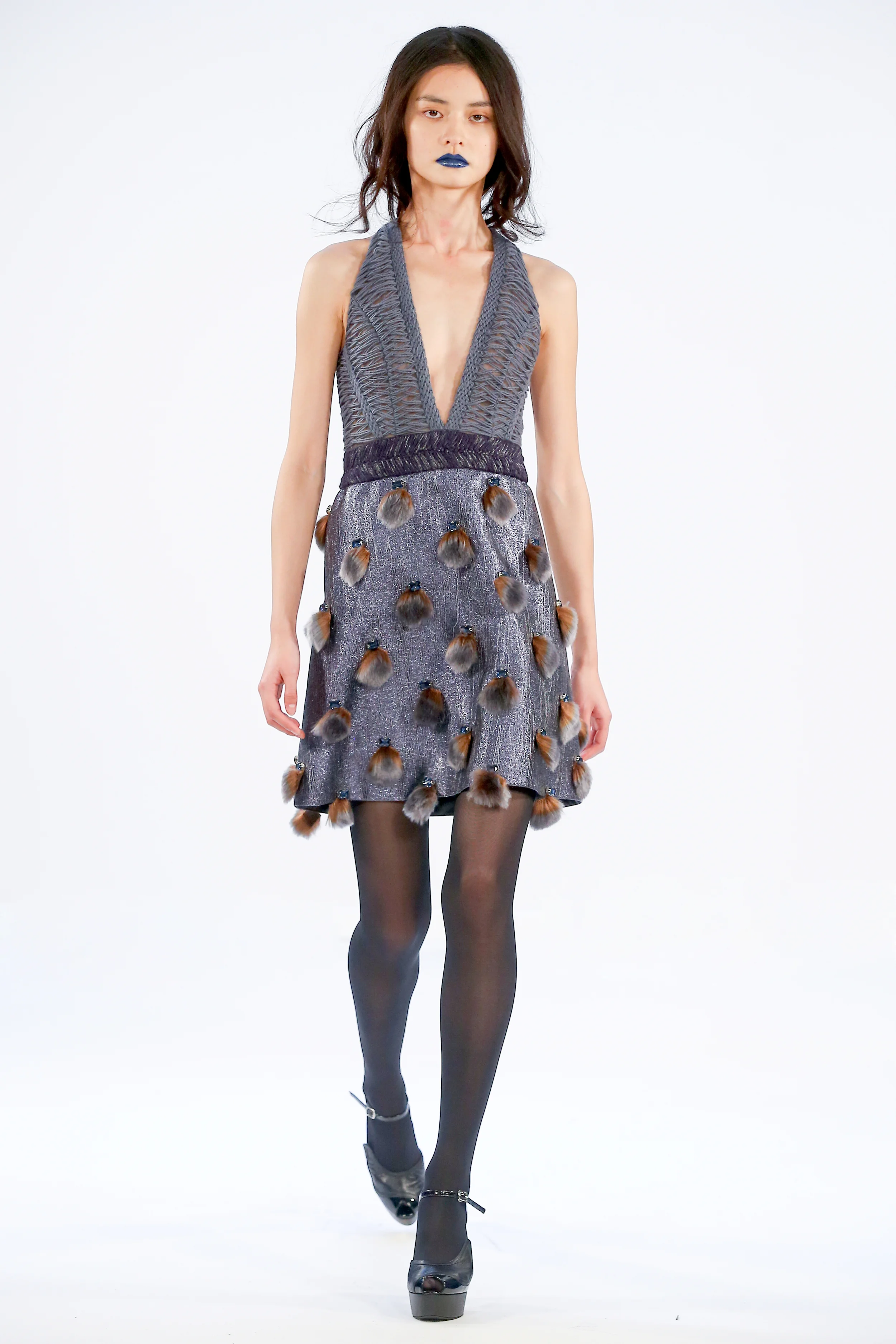
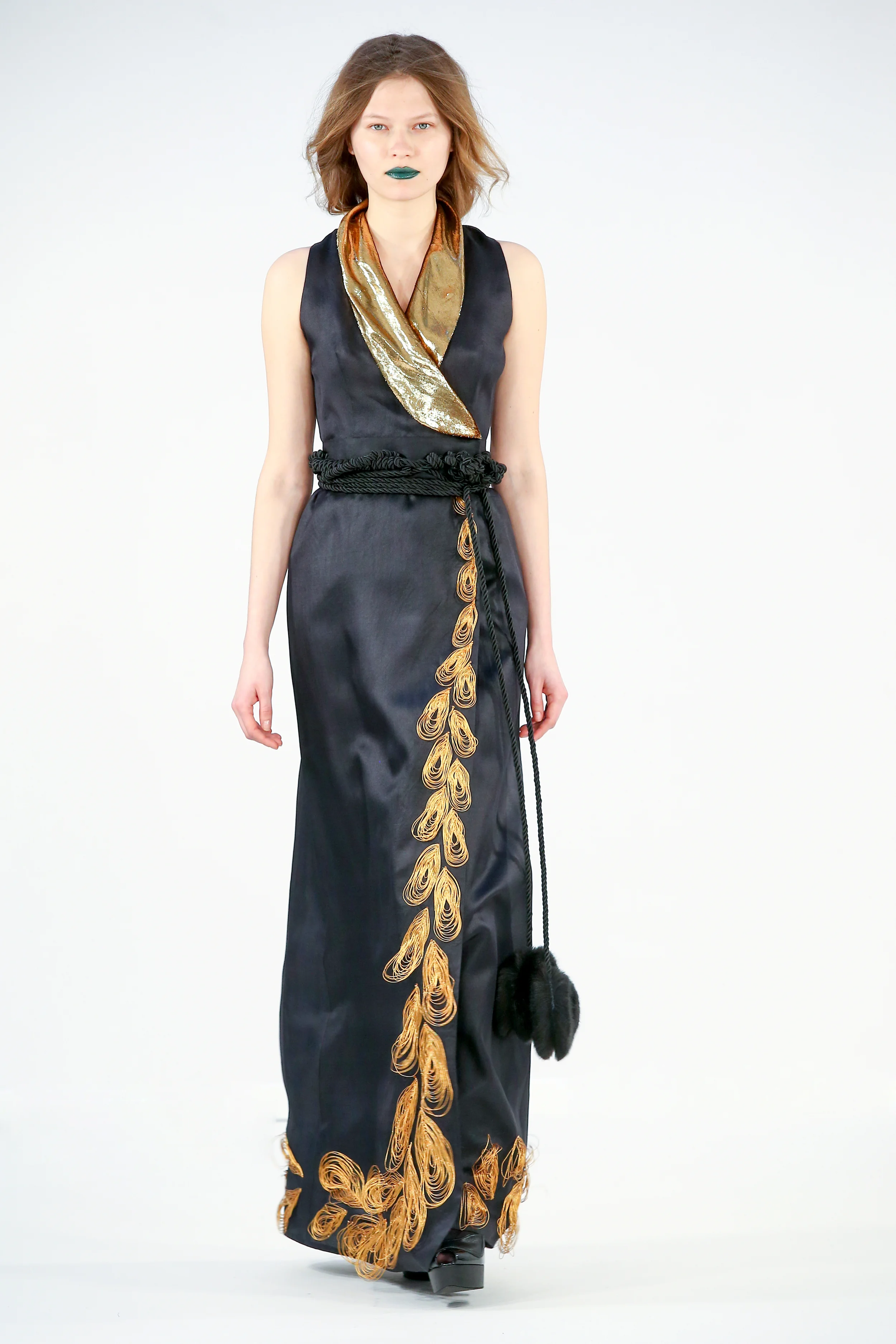
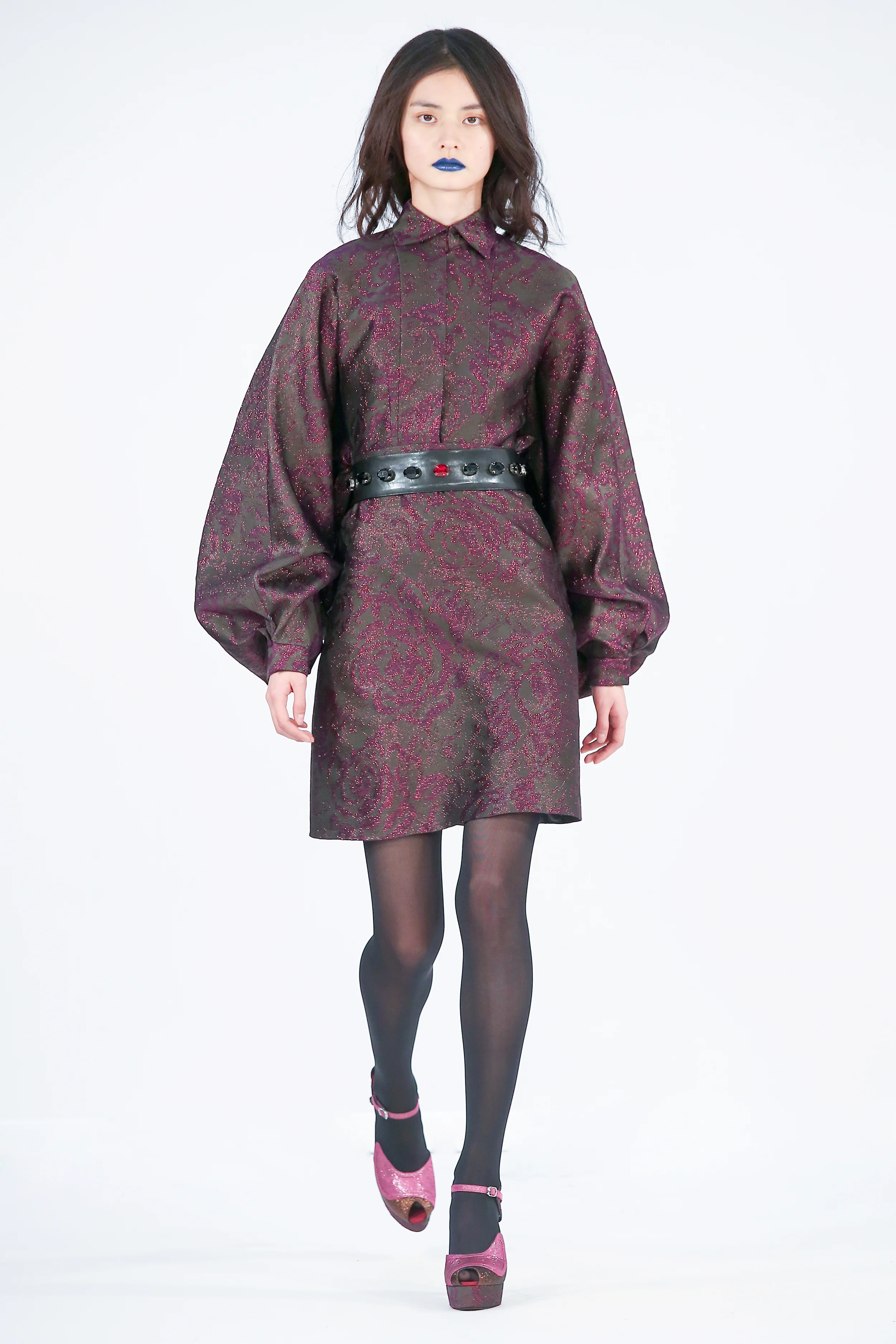
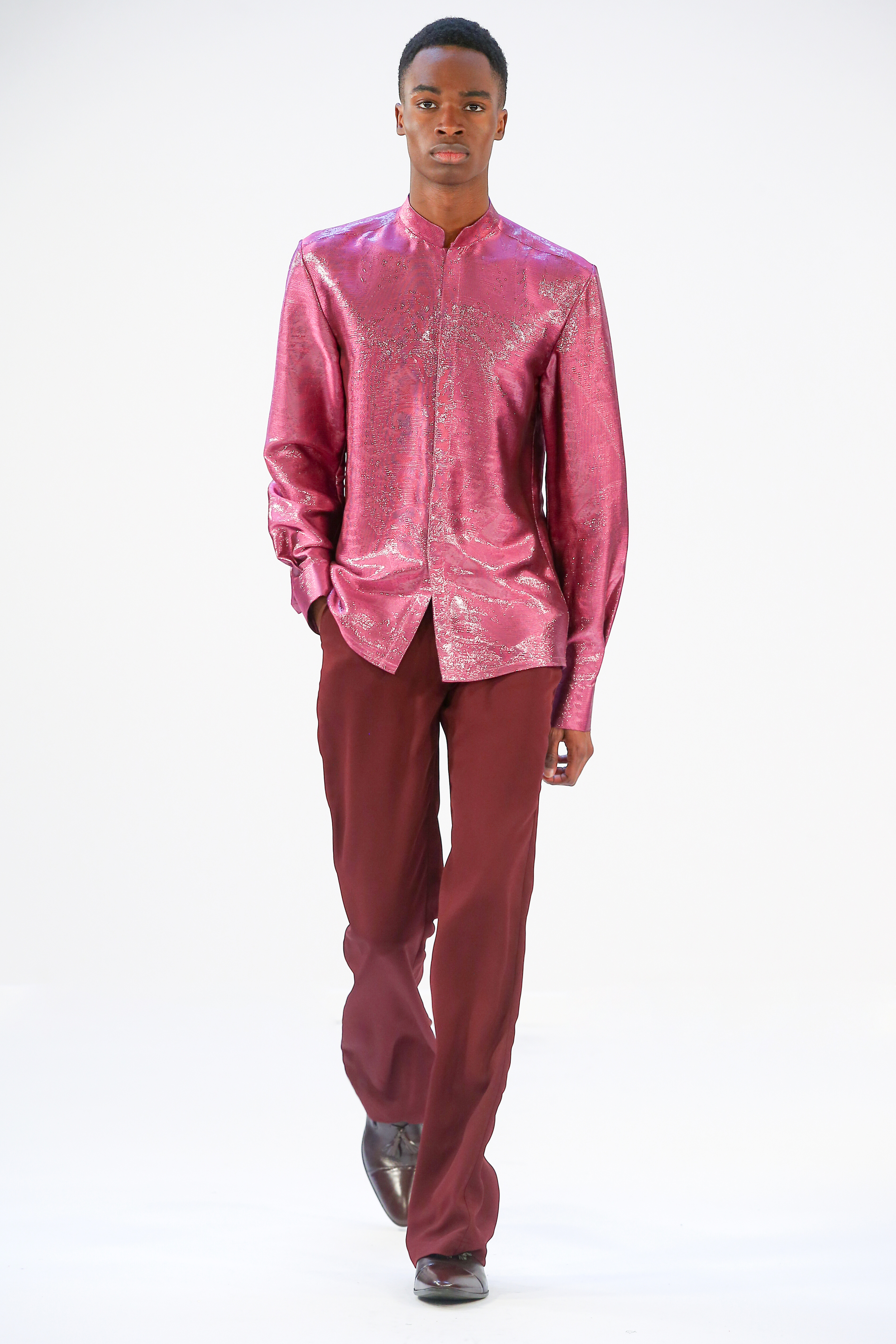
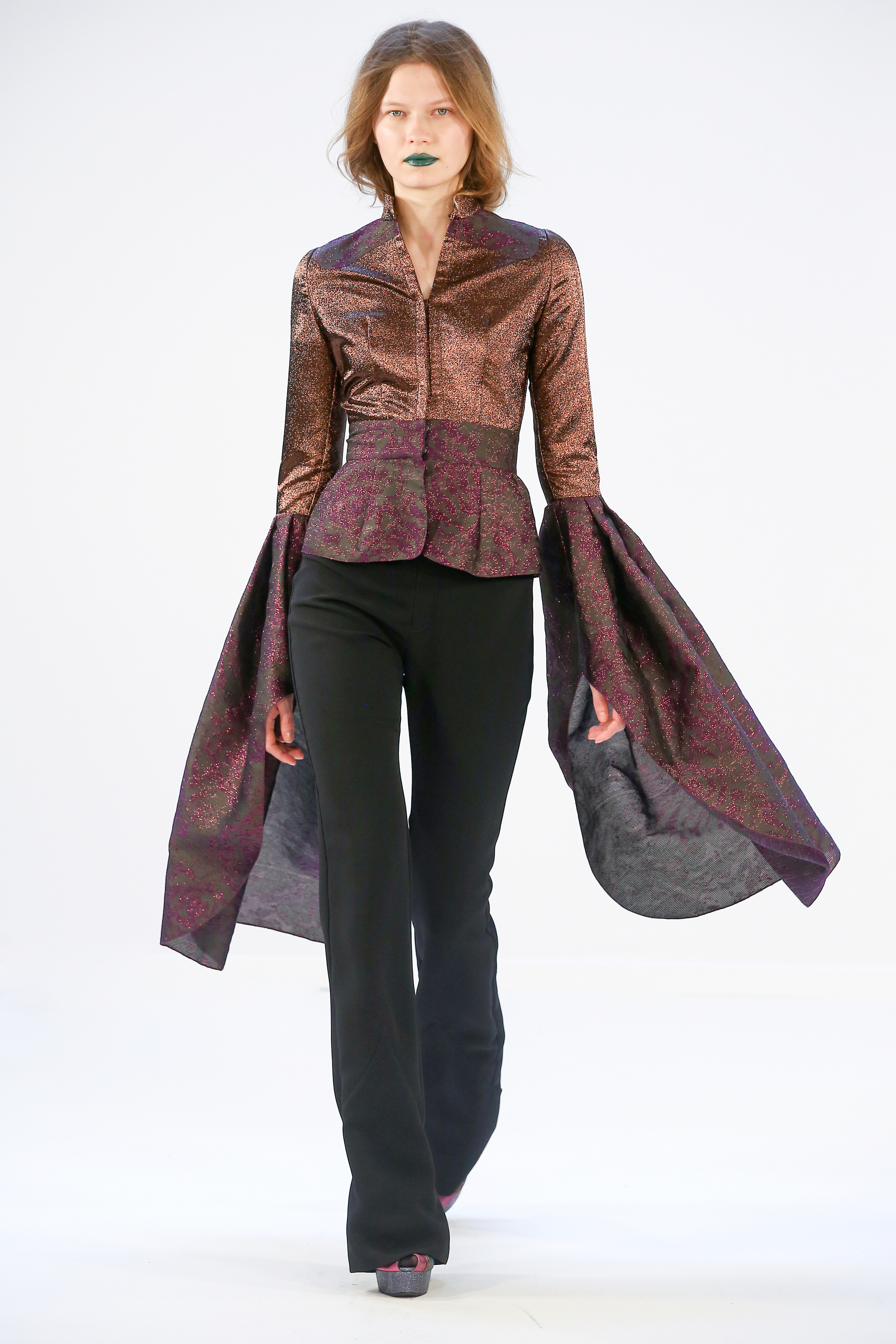
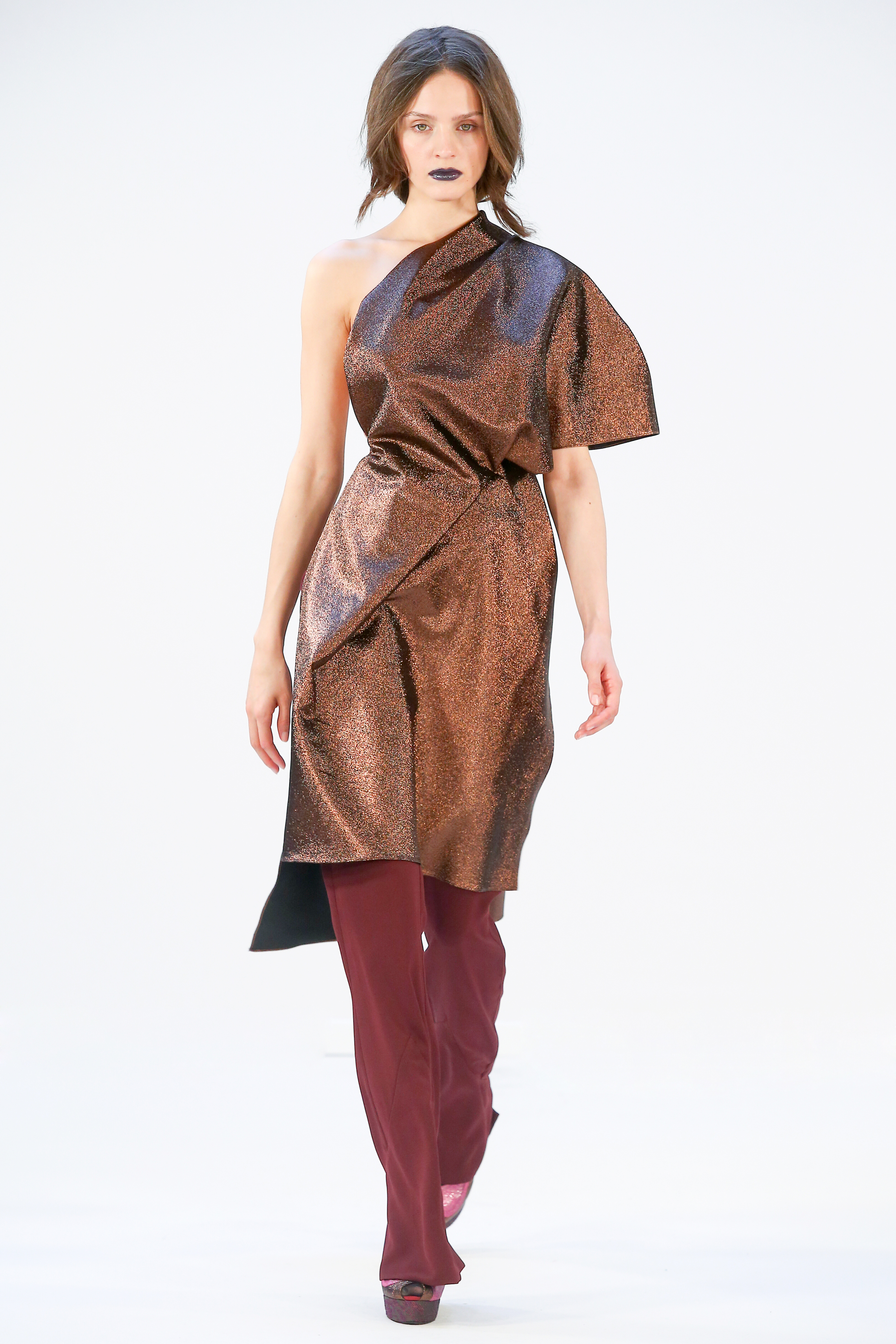
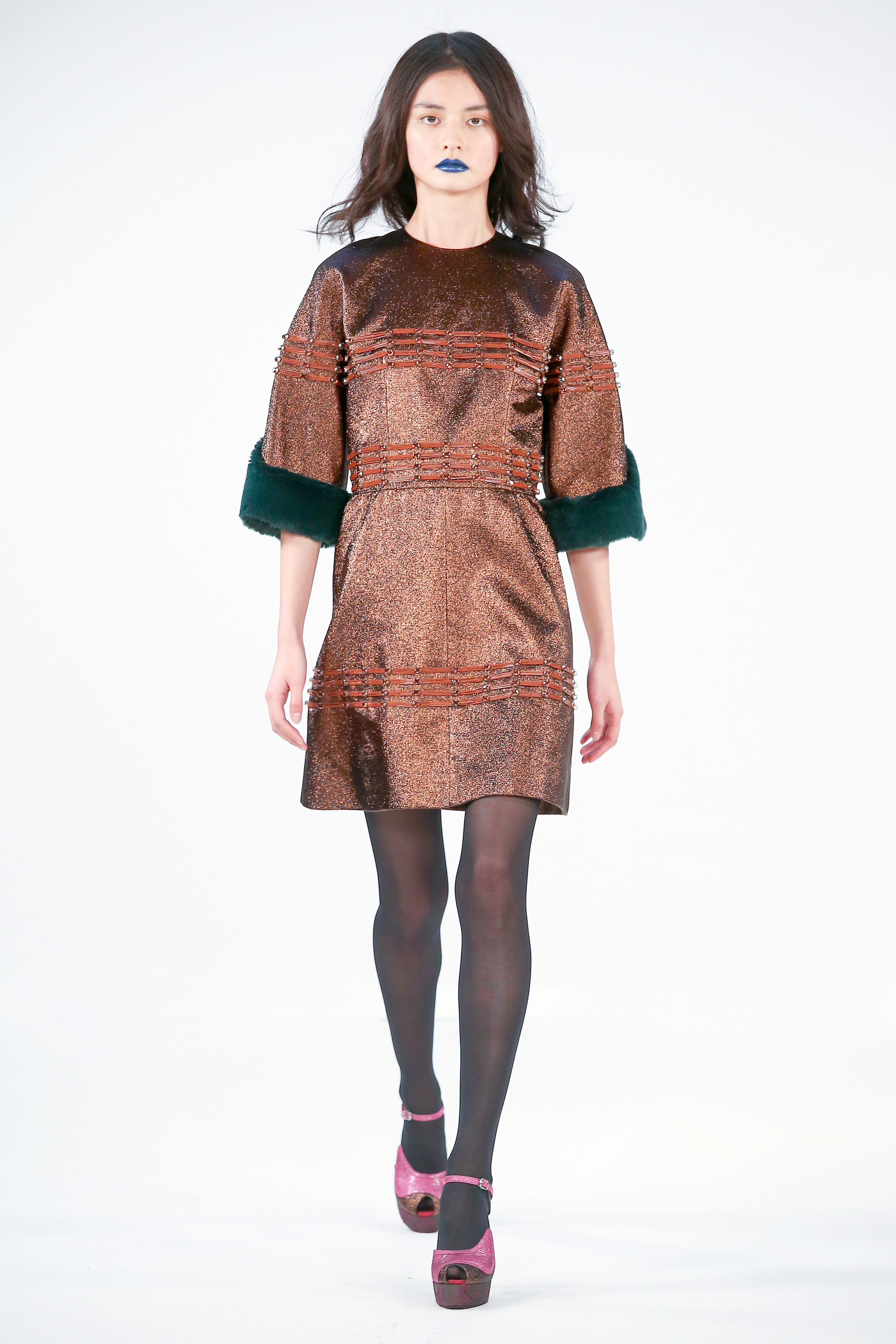
The Bernard Chandran womenswear collection for Autumn/Winter 2016 takes you on a deeper understanding of ‘Give Face’ – design inspirations and creative reinterpretations that are beyond the mythical creatures of dragon, phoenix and gold, but one that expounds the purified attitude of ‘俾面’ (Respect). ‘Give Face’ is an expression in the Chinese culture, where one would respect the other person, especially those who are older, even though he/she may agree or disagree with the person’s opinion.
Drawing on a mixed oriental cultural heritage, perhaps no other designer could avidly interpret the cultures of the Far East than one who is born and practicing it. As Chandran is best known for his skill and craftsmanship in revolutionizing the luxury traditional designs that are befitting for the Royals, he has cleverly arbitrated the oriental aesthetics with modern interventions fit for prêt-couture.
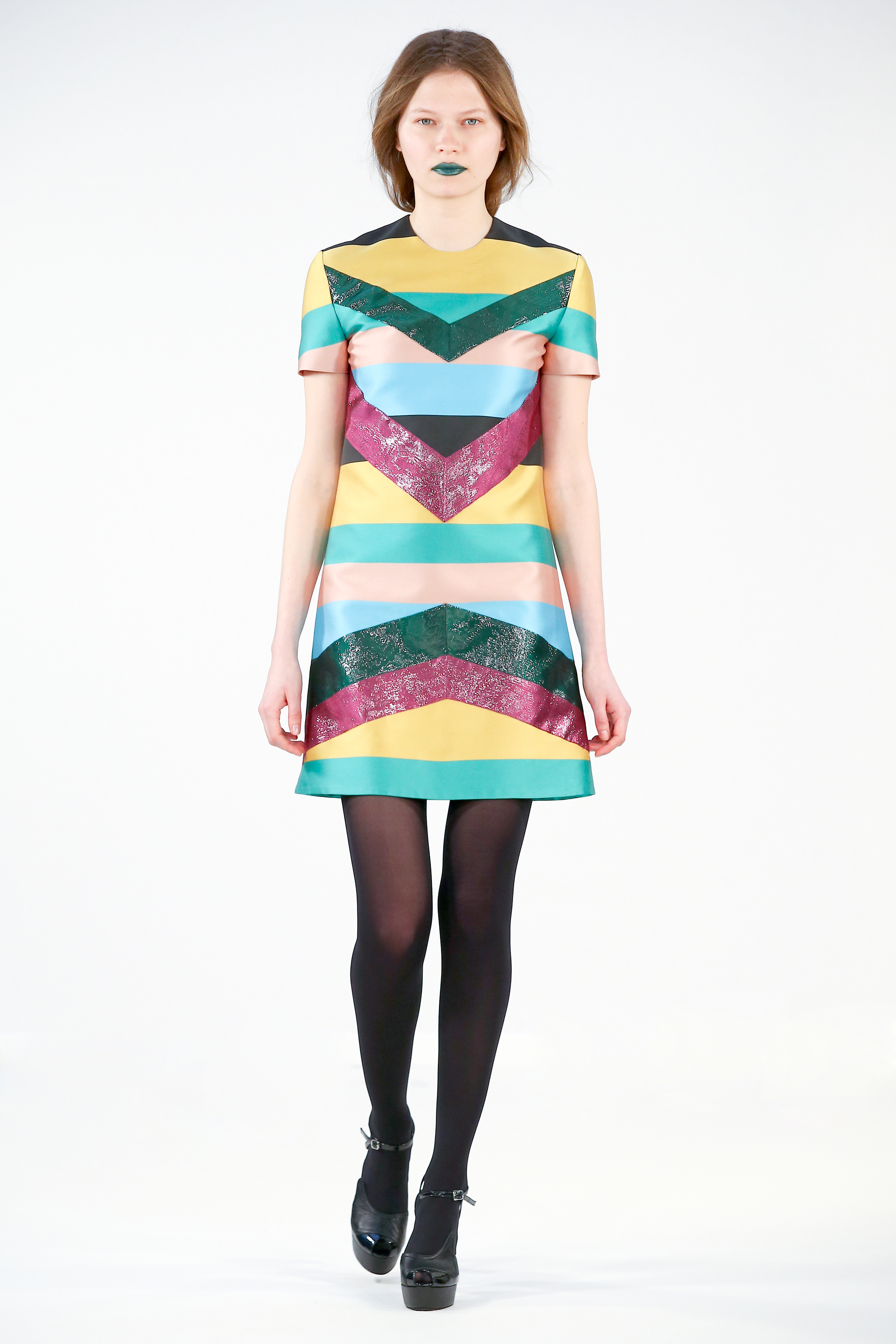
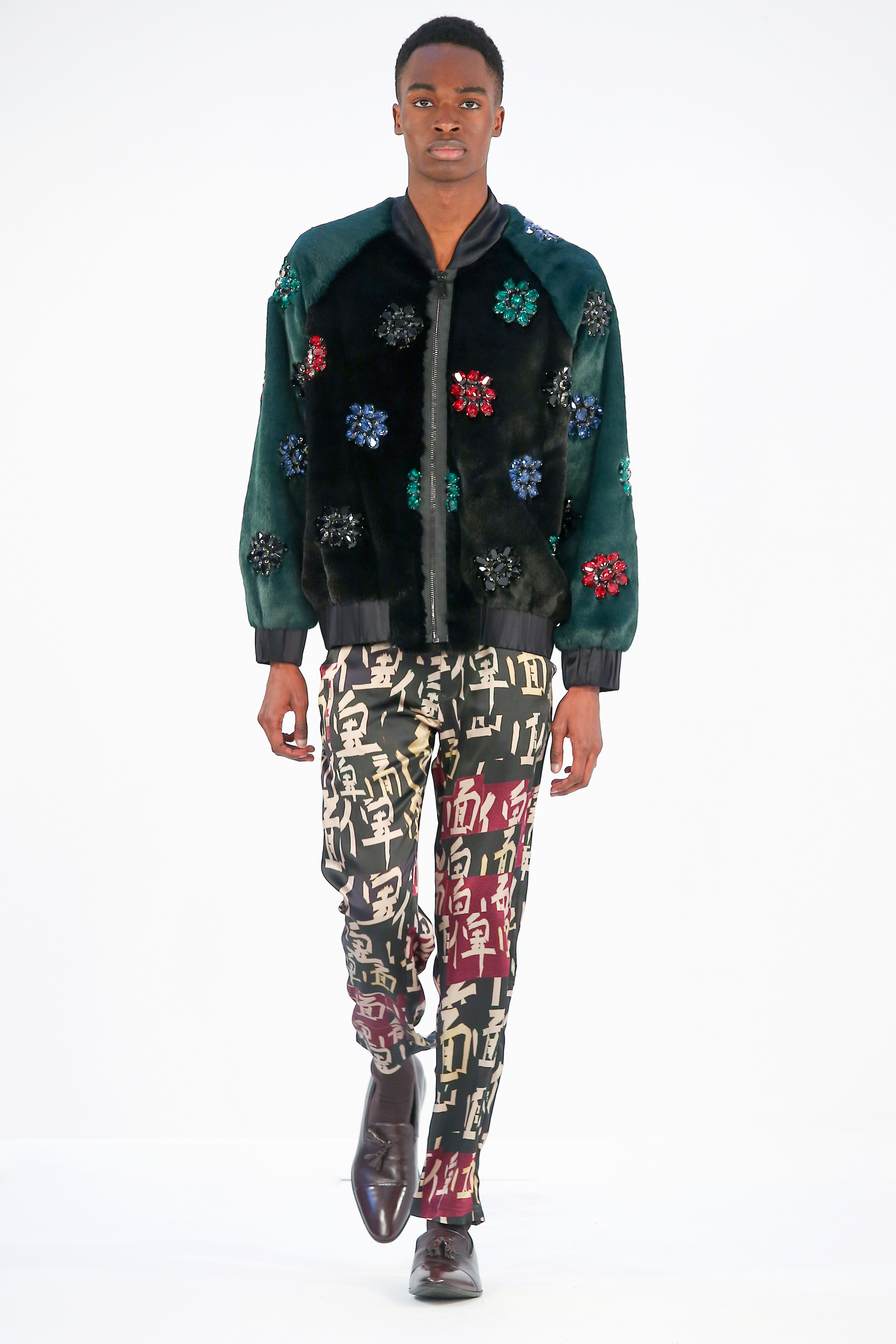
Whether Chinese Opera references or Chinois sunflower motifs, royal jade embellishments and brocade refinements, ‘俾面’ in cheeky prints or dramatic 70s reveries, they’ve all made their way into Chandran’s men’s and women’s collections. We can see the diversity of the different eras and the quirky mix of styles blended with ‘the now, the former and the future’ in one unified theme.
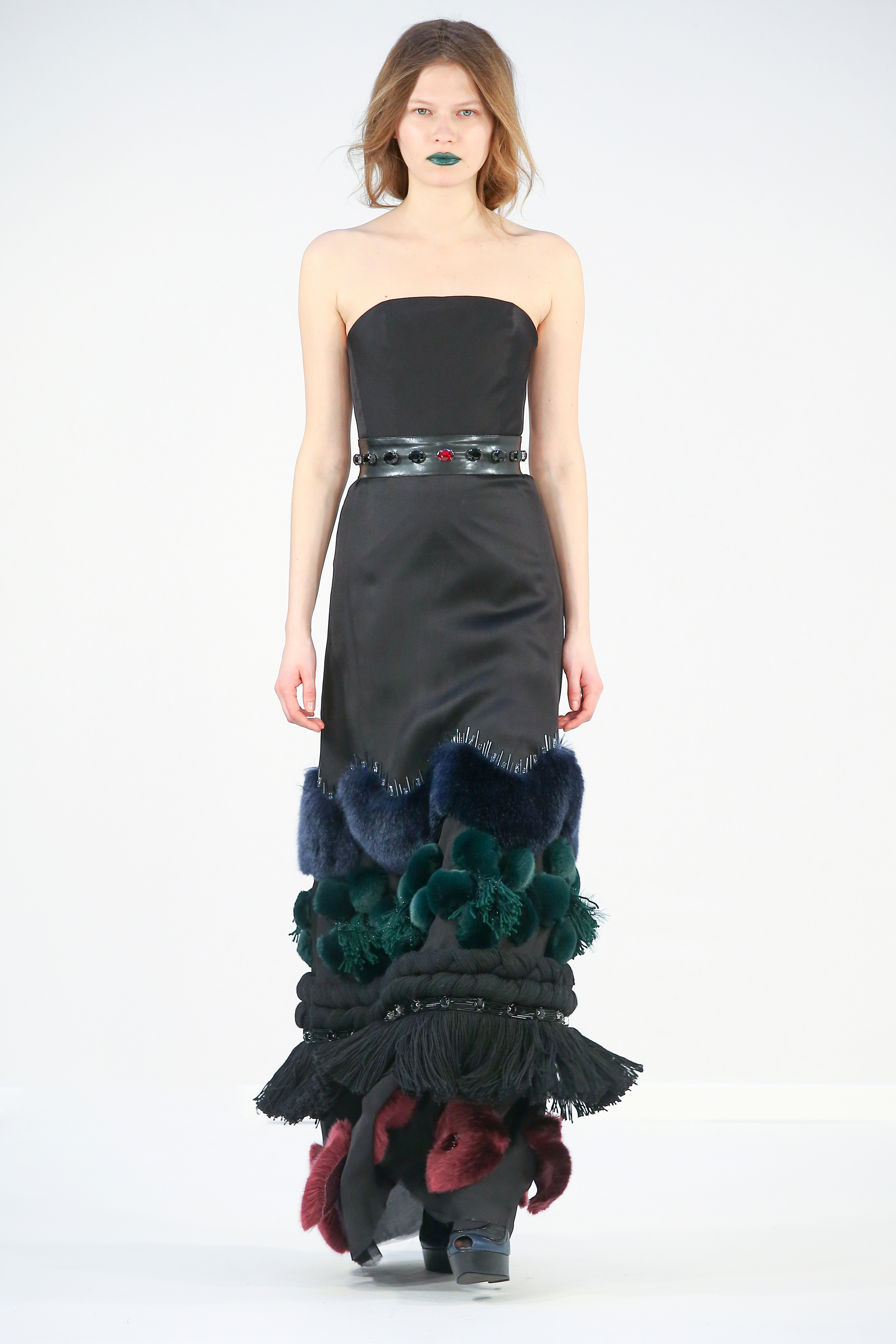
A modern sequence of rich oriental colors - emerald green, gold purple, maroon, black, blue & red clicked poetically with luxurious textures – brocade, silk lamè, organza and fur to depict a sense of luxury and richness that accompanies with the wintery moods.
The outlines - extra wing cuffs, boxed-pleats, Chinese bustier corset, Oriental opera sleeves, batwing sleeves and boot cut overlap trousers are groomed into a luxury vision of mind-blowing modern elegance.
New York Men's Day returns for Spring/Summer 2027 on September 10, 2026, featuring emerging menswear and genderless designers, presented by PROJECT and COTERIE during New York Fashion Week.
New York Men’s Day opens applications for SS27 designers. Emerging brands can apply now through April 30, 2026, for the September NYFW menswear showcase.
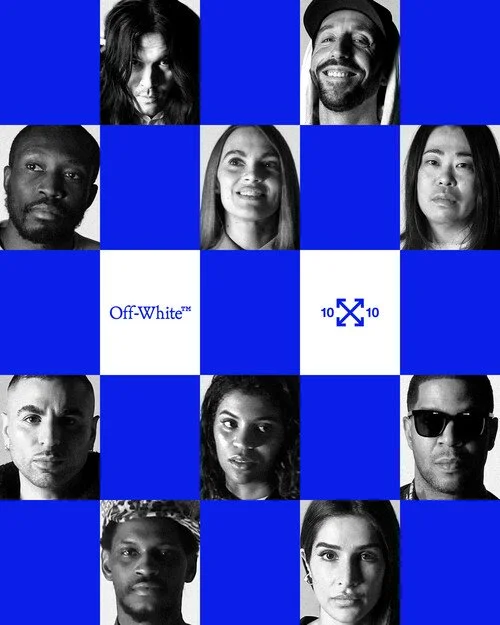
Off-White™ launches 10×10, a global platform featuring Kid Cudi, Ava Nirui, Raul Lopez, and more reimagining iconic fashion categories through exclusive drops and events.
Willy Chavarria partners with Zara on “VATÍSIMO,” a bold fashion collection inspired by Mexican telenovelas, Latino identity, and cinematic storytelling. Launching March 26.
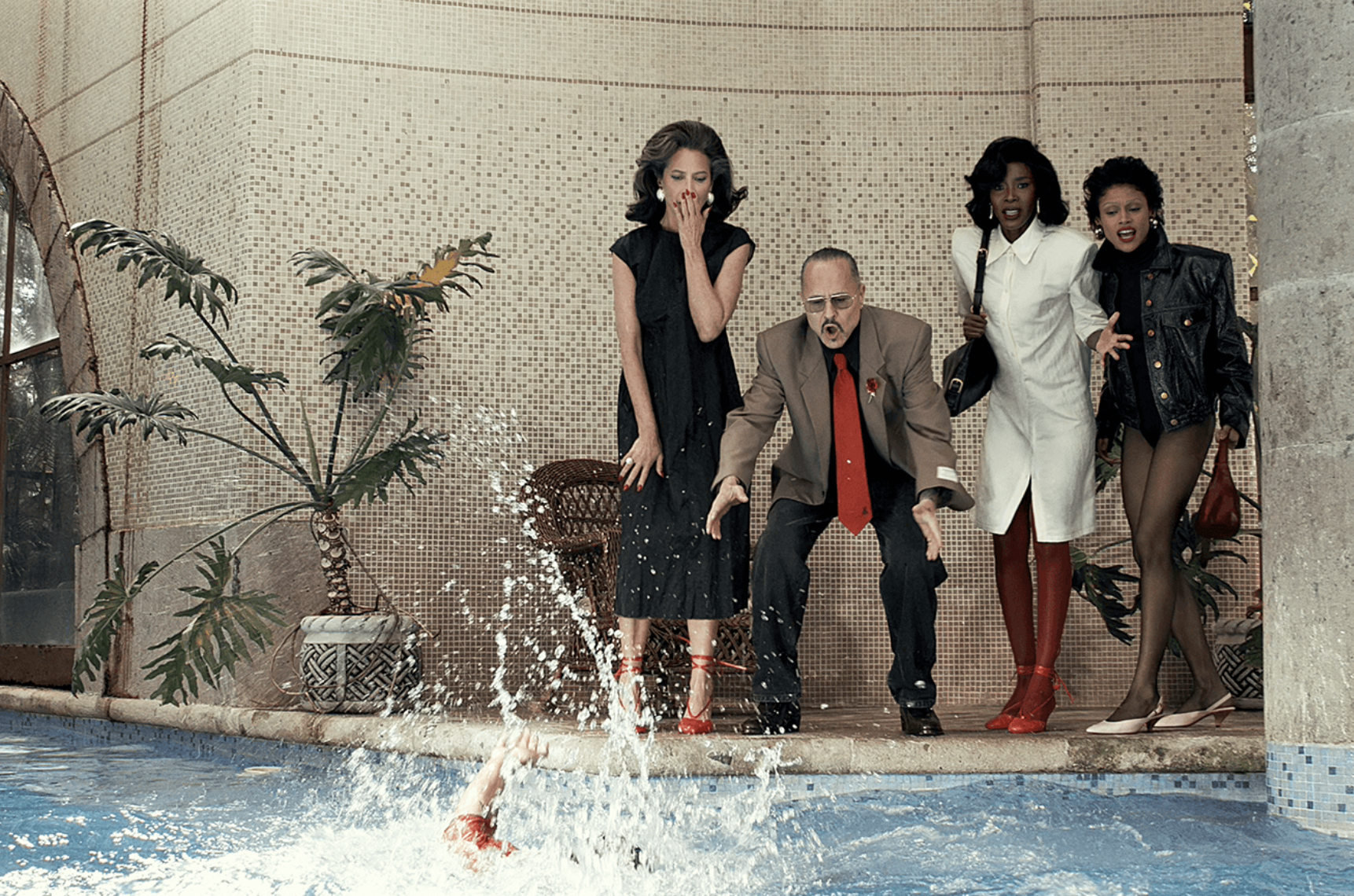
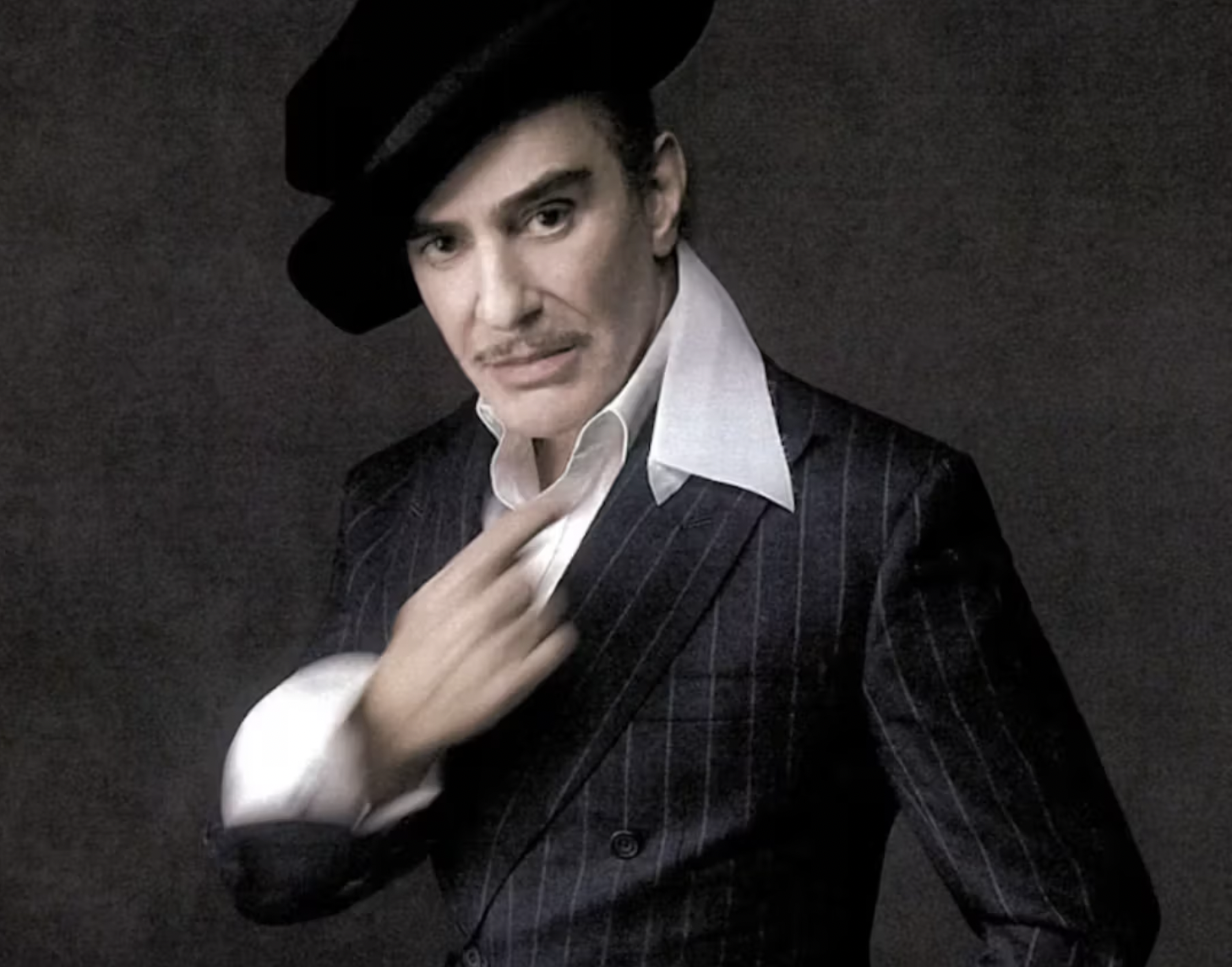
John Galliano partners with Zara on a 2-year collaboration, reworking archival pieces into bold seasonal collections launching September 2026.
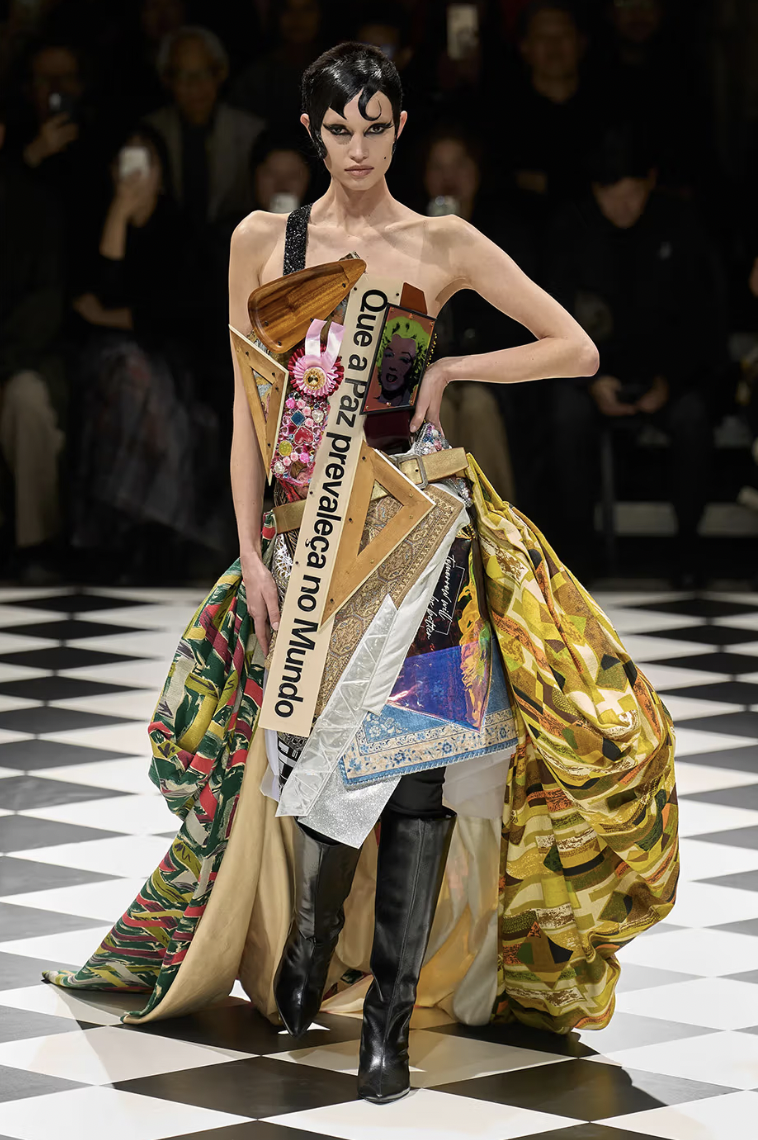
Junya Watanabe Fall/Winter 2026 turns Paris Fashion Week into a tango-fueled spectacle of assemblage couture, moto armor, and chaotic luxury.
Pieter Mulier closes a defining era at Maison Alaïa with an emotional Fall/Winter 2026 finale at Paris Fashion Week before heading to Versace.
Matières Fécales Fall 2026, “The Guilted Age,” critiques the 1% with extreme tailoring, Bryan Johnson on the runway, and couture-level subversion.
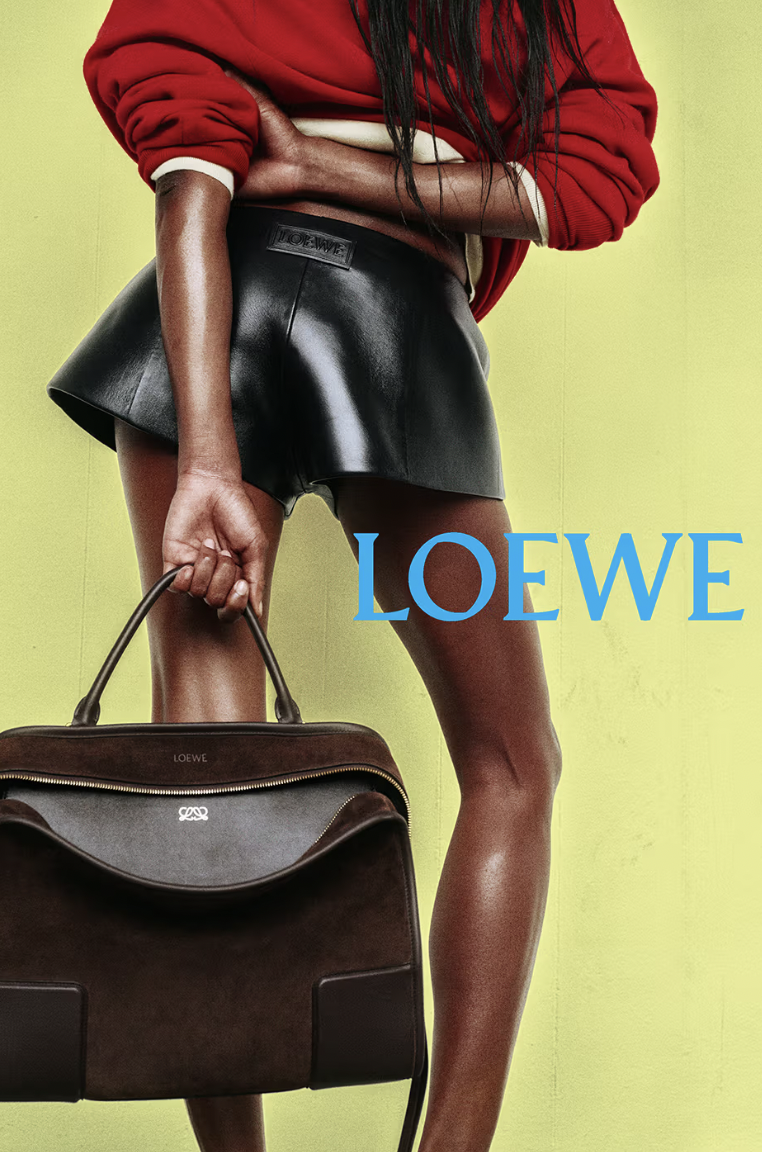
LOEWE unveils its Spring/Summer 2026 campaign under Jack McCollough and Lazaro Hernandez, debuting tactile leather, the Amazona 180, and modern sensuality.
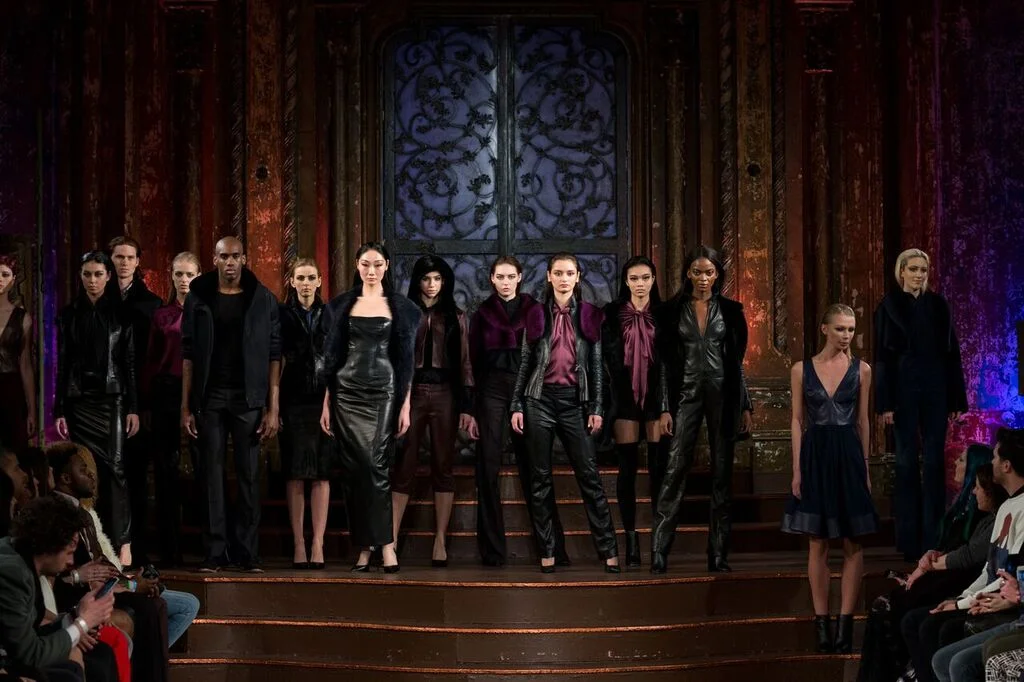
New York Fashion Week ended with a glamorous finale at the Angel Orensanz Foundation Event Space. The venue known for hosting the wedding of Sarah Jessica Parker and shows for Alexander McQueen created an elegant and theatrical setting for the ultra luxury brand Hallie Sara NY.
Luxury designer Hallie Sara opened the finale 9PM show with a sleek and elegant collection of fine furs and leathers. Satins and silks made their way down the runway in the collection full of Parisian edge.
Art Hearts Fashion week brought couture, streetwear and ready-to-wear to the runway, saying goodbye to NYFW after three days of innovative and inspired collections. Celebrities came out to enjoy Art Hearts Fashion Week including: Jason Derulo, Daphne Joy, Scout Willis, Jessica Pimentel, Olivia Pierson, Natalie Halcro, WAGS E! Reality Show stars Natalie Halcro, Tia Shipman and Olivia Pierson, Stars of VH1's Twinning Shawn and Claire Buitendorp, DJ Mayer Hawthorne, Brandon Cole Bailey, Justin Jedlica, Madeline Stuart, Tim Williams, Transgender Super Models Carmen Carrera, Yasmine Petty and many more. With over 30 designers at NYFW and shows in Los Angeles and Miami, Art Hearts Fashion has grown to become the largest bi-coastal fashion platform in the United States and the second largest platform at New York Fashion Week second only to IMG The Shows.
Fashionado is a fashion & lifestyle brand where readers indulge in a myriad of trending topics from the world of fashion, design, art and culinary. Via the FashionadoTV digital platform, Fashionado founder, E. Vincent Martinez, hosts interviews with celebrities, fashion designers, artists and industry professionals.


84 PACOLET ST. TRYON, NC 28782

EVM FILMS VIDEO PRODUCTION



Fashionology and FASHION by Informa launch a new fashion tech series at MAGIC and COTERIE, exploring AI, virtual try-on, live commerce and more.